Residential Roofing Contractor in Lakeside, OR
Roofing Plans for Lake Moisture, Dune Wind, and Lakeside's Tree-Covered Properties
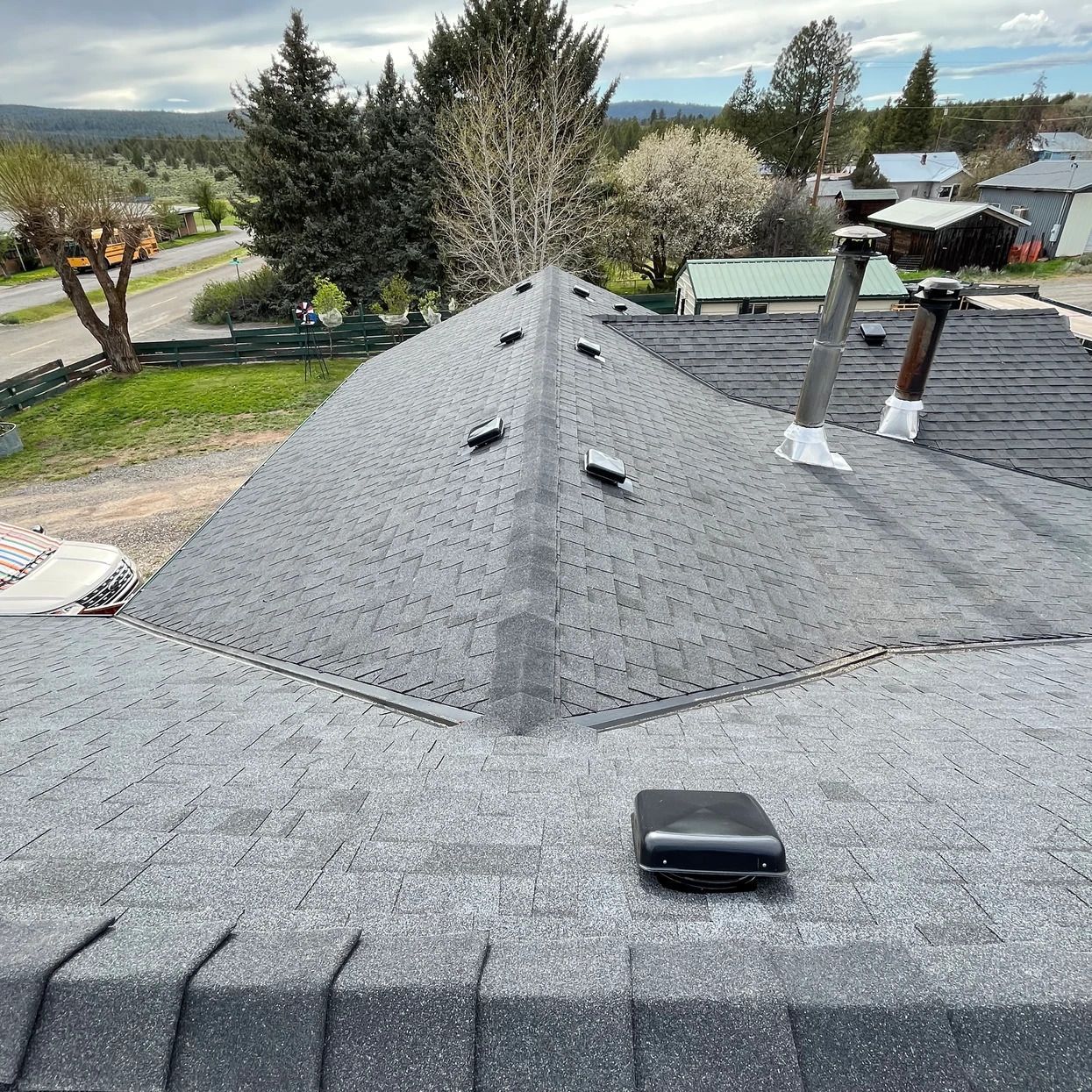
Lakeside homes sit among North and South Tenmile Lakes, wooded slopes, and nearby dunes, creating roof exposure that can change within a short distance. Open lake-facing planes may receive stronger wind and quick weather shifts, while homes beneath fir, cedar, and shore pine often stay shaded and collect debris. The correct roofing scope depends on each property’s tree cover, access, roof geometry, drainage, and orientation to the water and prevailing weather.
Outlaw Roofing is a veteran-owned residential contractor operating in Oregon under CCB license #236299. We inspect the roof covering and the assembly beneath it, including decking, underlayment, ventilation, flashing, penetrations, perimeter metal, valleys, and drainage. That complete review helps separate a true exterior leak from attic condensation, plumbing moisture, or water entering through another transition in the building envelope.
Lakeside properties include cabins, ranch homes, manufactured residences, lake houses, detached garages, carports, and additions built at different times. Tree clearance, narrow private drives, sloped yards, limited staging areas, and close accessory structures can affect delivery and debris control. We plan those logistics before work begins so landscaping, parked vehicles, outdoor living areas, and daily access receive the same attention as the roofing system.
Homeowners receive a free inspection, photo-supported findings, and a written proposal for any recommended work. We provide residential repairs, complete replacements, and custom standing-seam metal options, with GreenSky financing available to qualified customers. Call (541) 275-6189 to arrange a Lakeside roof evaluation.
Roof Failures We Often Find on Lakeside Residences

Moss and Debris Holding Moisture at Shingle Laps
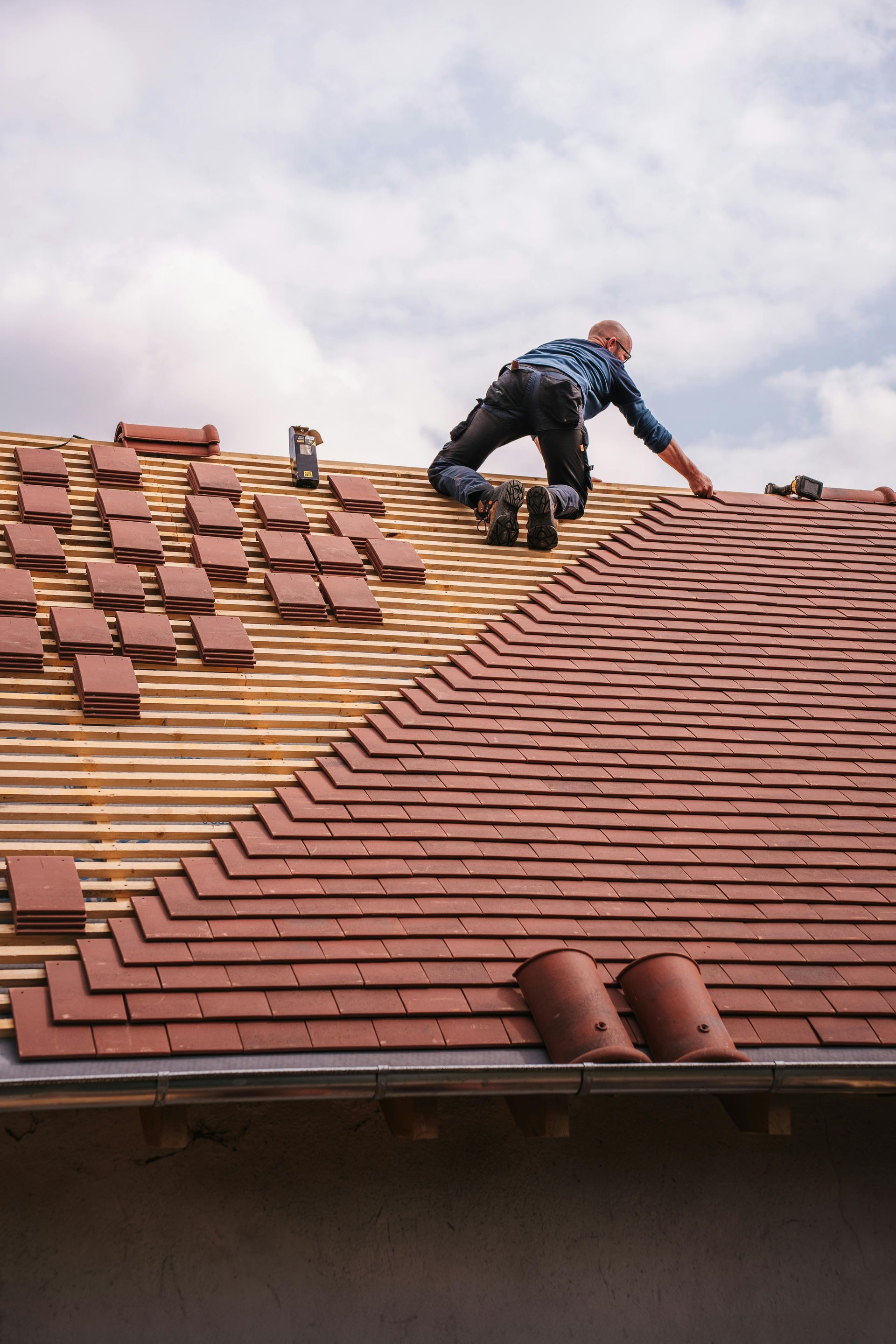
Heavy shade and lake moisture can keep needles, cones, leaves, and moss damp along valleys, lower courses, and roof sections beneath trees. Organic buildup slows drainage and may lift shingle edges or conceal surface wear. Green growth alone does not prove the deck has failed. We inspect material flexibility, sealing, granule condition, flashing, and the wood below before recommending cleaning, repair, or replacement.
Wind Lift at Rakes, Eaves, and Ridge Ends
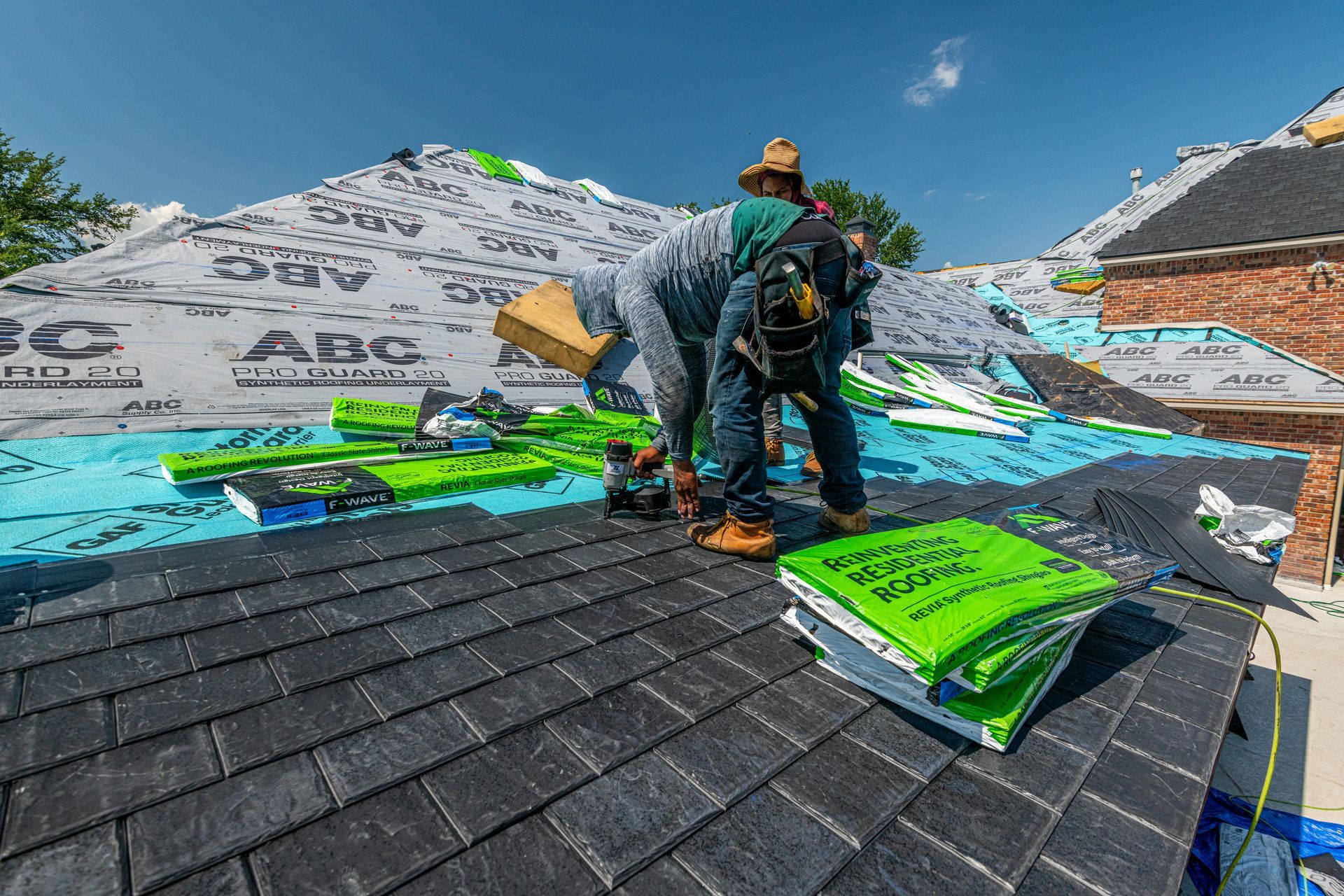
Open exposure across the lakes or dunes can create uplift at roof corners even when surrounding trees shelter most of the house. Starter, rake shingles, ridge ends, and light metal trim may loosen first. Water can then enter beneath material that still appears present from the ground. We examine fastening, seals, edge metal, and adjacent courses to determine whether a focused repair can be integrated reliably.
Roof Warning Signs Lakeside Homeowners Should Not Ignore
Raised Shingle Edges, Branch Wear, or Sagging Gutters
From a safe location, look for shingle corners that remain lifted, rubbed areas below branches, displaced ridge pieces, debris packed in valleys, or gutter sections sagging away from the fascia. Material on the ground after a windy night is another warning. Binoculars are useful, but do not climb onto a wet or moss-covered roof to verify what you see.
Damp Odors or Stains Near Additions and Exterior Walls
A musty room, peeling paint beside an enclosed porch, or a ceiling stain where two roof sections meet can indicate a flashing, drainage, or ventilation problem. Note whether the symptom follows prolonged rain, strong lake wind, or a cold dry morning. Timing helps the inspection distinguish wind-driven entry, overflow, and interior condensation instead of treating every moisture mark as the same failure.
Rusty Fasteners and Broad Attic Discoloration
If the attic can be entered safely, look for rows of rusty nail points, widespread dark sheathing, wet insulation, or narrow trails below a vent or valley. Broad moisture over several framing spaces suggests a different cause from one isolated storm track. Do not disturb suspected mold or step between framing members. Photograph the area from a secure platform and request professional evaluation.
How Outlaw Roofing Completes Lakeside Roofing Projects
Roof, Trees, Access, and Moisture Assessment
We start with the homeowner's concern and inspect accessible slopes, ridges, rakes, valleys, wall intersections, penetrations, gutters, attic conditions, and deck indicators. The property is reviewed for overhanging branches, utility lines, driveway width, grade, nearby structures, and protected outdoor areas so ladder placement, loading, debris routes, and coverings can be planned before materials arrive.
Written Scope With Repair and Replacement Options
The proposal explains what will be removed, installed, repaired, protected, and cleaned. It identifies exclusions and describes how concealed deck damage will be photographed, measured, priced, and approved. When either repair or replacement could be justified, we compare likely service, limitations, and future maintenance so the homeowner understands the complete outcome rather than choosing from incomplete opening numbers.
Lakeside Permit and Inspection Coordination
The City of Lakeside publishes local building-permit information and coordinates inspections through its building-services program. We confirm current requirements with the city and the provider listed for the approved scope, then schedule materials and access. This keeps routine reroofing, extensive sheathing work, and structural correction from being treated as though each project follows an identical review process.
Sectioned Installation With Weather Protection
The crew establishes controlled drop areas and protects decks, siding, landscaping, and walkways before tear-off. We open only sections that can be inspected, repaired, underlaid, and secured during the available forecast. Extra attention goes to tree-facing valleys, addition tie-ins, low slopes, rakes, and eaves because Lakeside moisture can enter quickly through an unfinished transition during prolonged rain.
Detailed Cleanup and Final System Review
We remove packaging and tear-off debris, clear roofing material from gutters, perform repeated magnetic sweeps, and inspect driveways, patios, decks, and paths. Completed flashings, penetrations, ridges, rakes, edges, valleys, and ventilation components are reviewed before closeout. The homeowner receives applicable warranty documents and practical maintenance information for the installed roofing system.
Residential Roof Materials for Lakeside Homes
Architectural Shingles With Strong Perimeter Details
Architectural shingles from GAF, IKO, and CertainTeed are suitable for many Lakeside roofs when starter, field fastening, cap material, underlayment, flashing, and ventilation follow the selected system. We account for pitch, tree exposure, roof edges, deck condition, and penetrations. A quality field shingle cannot protect a home when lower edges, valleys, or transitions are assembled incorrectly.
Custom Standing-Seam Metal for Appropriate Designs
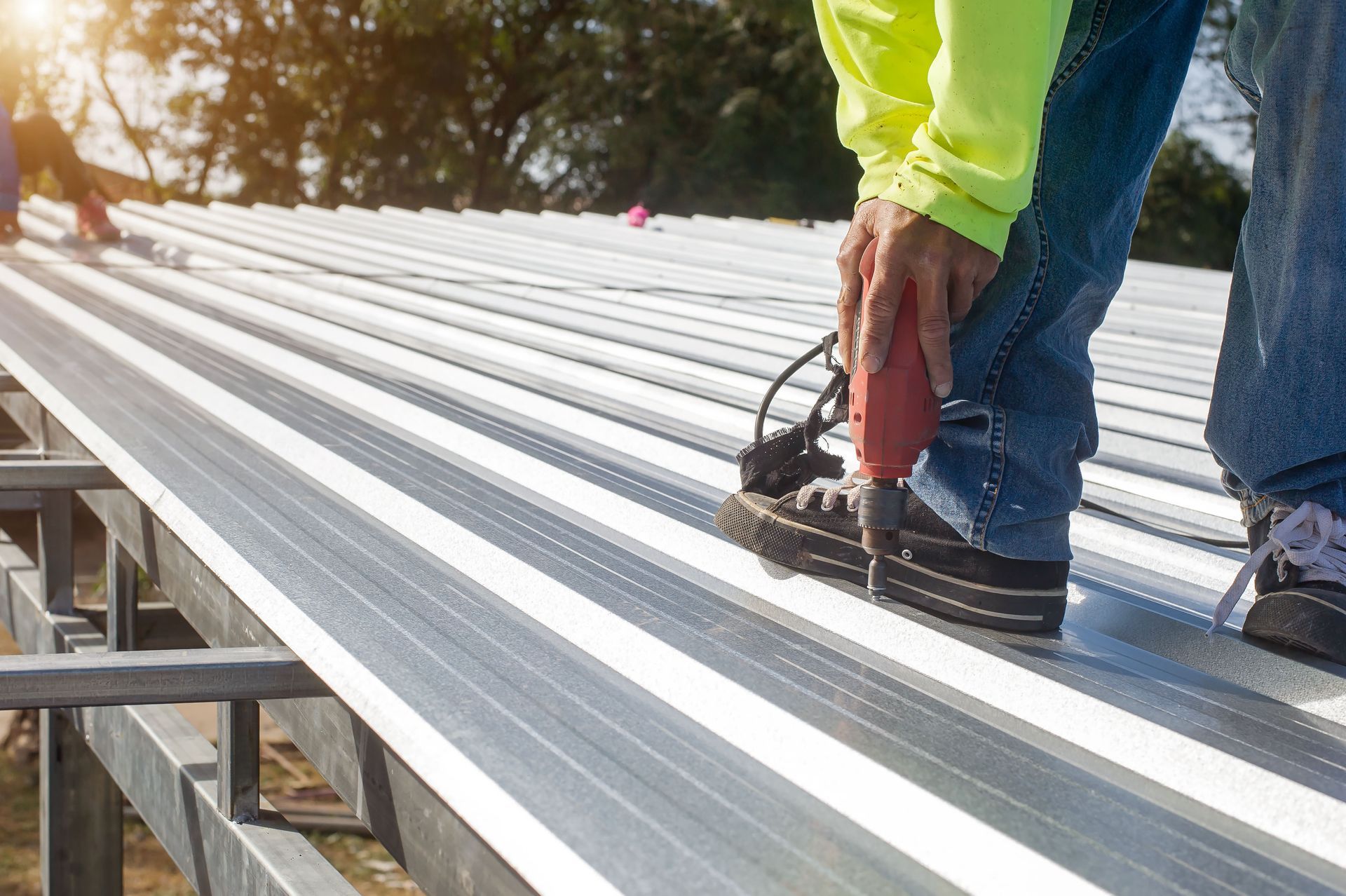
Standing-seam metal can work well on simple lake houses, gables, detached garages, and homeowners seeking concealed primary fasteners. Effective installation requires accurate panel lengths, clip spacing, movement allowance, trim laps, closures, penetrations, and compatible underlayment. We evaluate the structure and roof geometry first so the panels can drain and expand without creating forced details at additions or low slopes.
Leak Barriers, Drainage Layers, and Attic Airflow
Protection below the finished roof matters whenever weather reaches a seam, valley, edge, or roof-to-wall transition. Synthetic underlayment, targeted self-adhering membrane, compatible flashing, and balanced intake and exhaust are selected for the design. These parts cannot be treated as unrelated upgrades; they must connect properly while allowing the deck to dry and the attic to release interior moisture.
When to Repair and When to Replace a Lakeside Roof
Repair Is Appropriate When Damage Is Limited and Surrounding Material Is Sound
A damaged branch-impact area, failed pipe boot, short ridge section, or isolated addition flashing problem may be repairable when nearby roofing remains flexible and well sealed. Sound material must extend far enough around the failure to create proper laps and fastening. We define the repair boundary and explain which older sections remain so future maintenance is understood before work begins.
Replacement Is Better When Moisture and Material Failure Are Widespread
If several planes have brittle shingles, multiple transitions leak, eave decking is soft, moss has concealed broad wear, and ventilation needs reconstruction, isolated patches leave too many weak points in service. Replacement allows the sheathing, underlayment, flashing, airflow, edge details, and surface material to be corrected as one integrated assembly rather than a sequence of short-term fixes.
Lakeside Weather Factors That Influence Roof Performance
Lake Fog, Dew, and Tree-Shaded Roof Planes
Roofing can stay damp without active rain when lake fog, overnight dew, and dense tree shade limit drying. Lower slopes, north-facing areas, and debris pockets remain wet longest and often support moss. Material selection is only part of the response. Clear valleys, open gutters, balanced attic airflow, and controlled shade all help the roof and sheathing dry more consistently.
Wind Across Open Water and Nearby Dunes
A home facing open lake water may receive stronger gusts than another property only a few streets away beneath trees. Corners, rakes, ridge ends, vent covers, and lightweight trim can experience concentrated uplift. Those components should be fastened and integrated as part of the original assembly. Surface sealant added after movement does not restore missing mechanical attachment or proper laps.
Runoff From Additions, Carports, and Multiple Roof Levels
Several small roof sections can discharge into one valley, gutter, or lower porch roof. Overflow at a short run may wet fascia and siding or create a stain that appears to come from the main field. We follow runoff from upper slopes through transitions, gutters, downspouts, and ground discharge to identify whether the roofing, drainage system, or both require correction.
Roofing Assemblies Found Across Lakeside
Lakeside housing includes lake cabins, one-story ranches, manufactured residences, custom homes, detached garages, and properties with enclosed porches or later additions. Asphalt shingles are common, standing-seam metal suits certain simple rooflines, and membranes may be needed on low-slope carports or decks. Older structures can also have board decking, mixed sheathing repairs, minimal soffit intake, or flashing buried beneath several remodels.
Typical Lakeside Roofing Scenario — Moisture at an Addition and Overflowing Valley
A common inspection begins with staining where an enclosed porch joins the main house. The addition may have a low slope, short wall flashing, and a valley packed with needles that sends runoff toward the transition. Attic sheathing can also show condensation where insulation blocks intake. A durable scope separates the drainage leak from interior moisture, clears and redesigns the water path, rebuilds flashing beneath both roof sections, replaces damaged deck, and restores airflow where the framing allows a continuous route.
Why Lakeside Homeowners Call Outlaw Roofing
- Access Planning for Trees, Private Drives, and Outdoor Areas
We identify ladder positions, material staging, debris routes, branch clearance, vehicle movement, and decks or landscaping that require protection before work starts. This reduces disruption on wooded or sloped properties and protects siding, windows, fences, boats stored on land, patios, and neighboring structures. Homeowners know which areas must remain clear and when normal access will return.
- No Automatic Reuse of Aged Vents or Flashing
A new roof should not surround a split pipe boot, corroded vent, loose edge metal, or questionable addition flashing just to reduce the bid. We examine components separately and state which will be retained, rebuilt, or replaced. This transparency helps homeowners compare the total assembly instead of assuming all proposals include the same work beneath the visible surface material.
- Oregon Licensing and Lakeside Code Coordination
Outlaw Roofing operates under Oregon CCB #236299, which homeowners can verify through the Construction Contractors Board. For Lakeside projects, we confirm current requirements with the city and its listed building-services provider when the approved scope requires coordination. The contract identifies responsibility for applications, inspections, concealed-condition approvals, and authorized changes throughout the project.
- Cleanup Focused on Lived-In Lake Properties
Nails, shingle pieces, and cut metal are hazards around decks, driveways, paths, pets, and stored recreational equipment. We use tarps and controlled drop zones, clean continuously, and perform repeated magnetic sweeps. The final review confirms that gutters, walkways, parking areas, and common outdoor spaces are clear, usable, and ready for normal household activity.
- Photo Documentation and Direct Communication
Homeowners receive clear photographs, a written recommendation, and an explanation of why each major item appears in the scope. Hidden damage is documented before the work changes, and approval is requested rather than assumed. At completion, maintenance and warranty information is reviewed in plain language so the project record remains useful long after the crew has left.
What Determines Roof Replacement Cost in Lakeside
A Lakeside replacement estimate reflects roof area, pitch, height, number of sections, selected material, tear-off layers, deck condition, transition complexity, ventilation, and access. Wooded lots or limited staging can require added coverings and slower handling. We inspect before pricing and explain how concealed work is measured so the homeowner can compare proposals based on the same complete conditions.
Tree Clearance, Roof Height, and Limited Staging
Overhanging branches, sloped yards, narrow private drives, and detached structures can restrict ladder locations or container placement. Materials may need smaller loads, and debris may travel farther through a protected route. These factors affect production and safety rather than serving as unexplained extras, and they should be identified before the crew begins opening the roof.
Addition Tie-Ins, Valleys, and Low-Slope Sections
A roof with enclosed porches, carports, skylights, valleys, and mixed pitches requires more detailed flashing and underlayment than a simple gable. Each transition must drain into the next layer without depending on exposed caulk. Reusing old metal or overlooking membrane needs can reduce an initial bid while leaving the roof’s most complicated water paths unresolved.
Deck Damage, Eave Work, and Ventilation Improvements
Moisture can collect beneath debris-heavy valleys, behind overflowing gutters, or in attics with blocked intake. Correcting the system may involve new sheathing, fascia repairs, edge metal, intake openings, and exhaust components in addition to roofing. We separate visible confirmed work from unit-price allowances so homeowners understand how each possible repair will be approved and charged.
Permit, Inspection, and Administrative Requirements
The need for permits or inspections depends on the work being approved. We confirm current procedures with the City of Lakeside and its listed building-services provider, identify known coordination in the proposal, and keep required work available for review. This prevents structural or extensive sheathing repair from being treated as though it were only a surface-material replacement.
Key Inspection Points on Lakeside Residential Roofs
Valleys, Rakes, Eaves, and Tree-Exposed Sections
We inspect for packed debris, lifted edges, cracked caps, branch abrasion, loose starter, exposed fasteners, displaced trim, and blocked drainage. Valleys and lower edges can stay wet long after open field areas dry. The roofing, perimeter metal, and gutter transition must remain secure while carrying water away without trapping organic material against the surface.
Flashing at Additions, Walls, Vents, and Chimneys
Flashing is checked for proper layering, corrosion, short pieces, missing kick-outs, failed collars, and joints relying heavily on exposed sealant. We also inspect siding and fascia below transitions for hidden water paths. The recommendation addresses the concealed assembly controlling drainage, not only the visible crack or stain where moisture finally became noticeable.
Attic Condensation, Blocked Intake, and Exhaust Paths
Rows of rusty nails or broad sheathing discoloration can show that indoor moisture is condensing below the roof. We verify whether eave intake is open, exhaust is balanced, bath fans terminate outside, and insulation preserves an airflow channel. These findings determine whether the correction belongs to roofing, ventilation, air sealing, or a coordinated combination instead of a roof patch alone.
Expected Roof Life on a Lakeside Home
Moisture Exposure and Installation Details Matter More Than Age
Roof age is useful background, but it cannot explain remaining service by itself. A newer installation under heavy shade with blocked valleys or weak ventilation may deteriorate before an older roof on an open, well-drained site. We evaluate surface wear, adhesion, flexibility, fasteners, flashing, deck strength, airflow, and the location and quality of previous repairs.
Metal Systems Still Need Transition and Coating Checks
Concealed-fastener panels reduce exposed screw points, but trim laps, closures, penetrations, sealant joints, cut edges, and coatings still weather. Periodic review can catch movement or damaged finish before water reaches the underlayment. Removing needles from panel ends, valleys, and gutters also keeps wet organic material from resting against metal for long periods.
Manage Trees, Drainage, and Indoor Humidity
Keep valleys and gutters open, remove moss with a material-safe method, and trim branches that touch or heavily shade the roof. Inside, confirm that exhaust fans discharge outdoors and attic vents remain clear. After strong wind, check the yard and roofline for displaced shingles or trim. These steps reduce both storm entry and condensation-related deterioration.
Quick Answers — Residential Roofing in Lakeside, OR
How does Outlaw Roofing address Lakeside permit questions?
We identify the proposed scope and confirm current requirements with the City of Lakeside and its listed building-services provider when applicable. Surface replacement, major sheathing work, and structural changes may follow different steps. Known applications, inspection coordination, and responsible parties are described in the project documentation.
Can lake fog and tree shade cause moss without a leak?
Yes. Persistent surface moisture, shade, and organic debris can support moss even when the roof is not admitting water. The growth still slows drying and may lift material edges. Removal should use a roof-safe method, while branch cover, valley debris, gutter flow, and drainage are evaluated so the conditions encouraging regrowth are also addressed.
Why do valleys on wooded homes fail early?
Valleys carry concentrated runoff and often collect needles, cones, and leaves. Wet debris can hold moisture against shingles or metal and divert water sideways beneath an overlap. Regular clearing helps, but a valley with poor underlayment, short flashing, or damaged material needs professional evaluation rather than repeated surface cleaning alone.
Is standing-seam metal practical on a lake house?
It can be on a simple design where concealed fasteners and efficient runoff provide value. Panel profile, clips, coating, closures, trim, underlayment, and penetrations must match the structure and exposure. Complicated additions or low-slope tie-ins may make a complete shingle-and-membrane assembly more practical than forcing metal across several difficult transitions.
What cleanup is included after roofing?
The crew removes tear-off material, packaging, loose metal, and excess supplies; clears roofing fragments from gutters; and makes repeated magnetic passes around the home. We concentrate on driveways, decks, patios, garden paths, pet routes, and stored equipment areas before the final walkthrough and return of unrestricted access.
Residential Roofing Work We Perform in Lakeside
Residential Roofing Support
Outlaw Roofing inspects and installs roofing for Lakeside cabins, ranch homes, manufactured residences, lake properties, rentals, and custom houses, with attention to tree shade, moisture, drainage, access, and ventilation.
Residential Repair and Leak Correction
We diagnose and repair defined failures at additions, valleys, vents, chimneys, ridge caps, rakes, gutters, sidewalls, and limited damaged roof areas when the surrounding system can support a durable correction.
Custom Metal Roof Installation
Standing-seam panels and custom trim can provide concealed primary fastening, clean appearance, and efficient runoff on suitable Lakeside roof designs. We plan fabrication and transitions around the actual structure and roof geometry.

Book a Free Lakeside Residential Roof Inspection
A debris-packed valley, addition stain, lifted rake, soft eave, or damp attic should be investigated before continued wet weather increases the repair. Outlaw Roofing will inspect the roof and supporting details, document the findings, and provide a clear repair or replacement scope. Call (541) 275-6189 to schedule your Lakeside inspection.
Frequently Asked Questions — Lakeside Residential Roofing
Can branches damage a roof without puncturing it?
Yes. Repeated rubbing can remove granules, wear coatings, lift edges, and loosen trim even when no single impact creates a visible hole. Branches also drop debris that holds moisture and blocks valleys. We inspect the contact area, surrounding material, and deck support, then recommend pruning and roofing work based on the actual damage found.
Can an addition leak be repaired without replacing every slope?
Often it can when the main and addition roofs remain serviceable and enough sound material exists to rebuild the tie-in correctly. The work may require opening both sections, repairing deck, adding membrane, and installing new wall or valley flashing. A bead of sealant over the seam is not equivalent to reconstructing the drainage layers beneath it.
What happens when older board decking is uncovered?
The boards are checked for spacing, movement, deterioration, flatness, and ability to hold the specified fasteners. Some conditions allow an approved overlay, while loose, split, soft, or widely spaced areas may require replacement. We document what tear-off reveals and explain necessary substrate work before new underlayment hides the deck.
How can I determine a lake home's roof age?
Review permit records, seller files, invoices, warranties, inspection reports, and dated photographs. Material appearance can suggest an age range but cannot establish the installation date with certainty. Current performance matters more, so we evaluate sealing, wear, flashing, ventilation, deck condition, and the quality of repairs completed under prior ownership.
Why does my gutter overflow even after cleaning?
The gutter may be undersized for concentrated valley flow, pitched incorrectly, pulled from the fascia, or connected to a restricted downspout. Runoff can also bypass the gutter when drip metal is missing or misaligned. We inspect the upper roof, valley, edge metal, fascia, gutter, outlet, and discharge point before recommending a correction.
What warranty information should a homeowner receive?
You should receive the signed contract, final scope, workmanship terms, product names, color information, invoices, and documents needed for manufacturer registration. Review written exclusions, maintenance duties, transfer provisions, and claim procedures because those terms control coverage. Keep future inspection and repair records with the original project file.
Can GreenSky financing be used for a Lakeside replacement?
Qualified homeowners may apply for current GreenSky plans, with approval and terms established by the financing provider. We first prepare a complete written roofing scope so the customer knows the project, allowances, and total obligation being considered. Financing should be evaluated against a defined job rather than an incomplete preliminary number.
How should pets, vehicles, and outdoor items be prepared?
Secure pets indoors away from gates and work routes, move vehicles to the location discussed during scheduling, and relocate fragile items from decks or walls near drop zones. Roofing noise can upset animals and vibration may shift decorations. We explain when areas will be restricted and when normal parking and outdoor use can resume.
When should a Lakeside homeowner schedule an inspection?
Request an inspection after wind movement, branch impact, a new interior stain, overflowing valleys, rapidly spreading moss, or unexplained attic moisture. Evaluation is also valuable before purchasing an older lake property or remodeling an addition tied into the roof. Early inspection provides more choices before sheathing and interior finishes suffer extensive damage.
Can a contractor replace only the damaged side?
A one-slope replacement can be considered when the roof has a clean separation, matching material is available, flashing can be integrated properly, and the other slopes retain useful service life. We explain appearance, tie-in, and warranty limitations. Shared valleys, ridges, or addition transitions may make a complete replacement more dependable.