Residential Roofing Contractor in Florence, OR
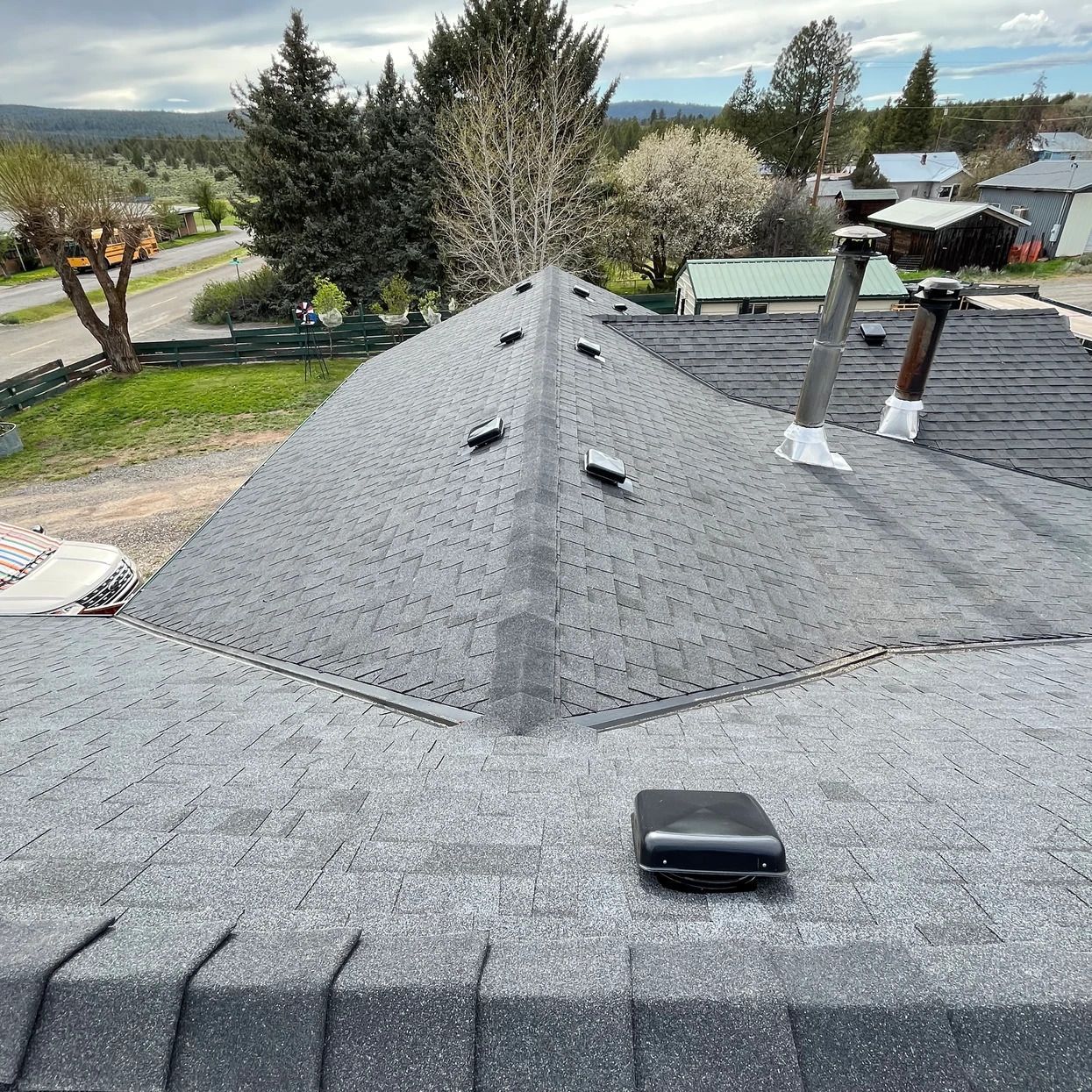
Roofing Plans for River Fog, Ocean Wind, and Florence's Wooded Residential Lots
Florence sits where the Siuslaw River meets the coast, so marine fog, winter rain, and shifting wind can keep roofing damp after the clouds move inland. Homes near Old Town, Rhododendron Drive, or more open ground toward Heceta Beach may receive different exposure than houses tucked beneath shore pine and spruce. A dependable scope starts with the roof's actual orientation, drainage, and shade rather than treating every Florence property as identical.
Outlaw Roofing is a veteran-owned Oregon residential roofing contractor operating under CCB license #236299. We examine the visible covering and the system supporting it, including sheathing, underlayment, ventilation, wall and chimney flashing, penetrations, edge metal, valleys, and gutters. That system-level inspection helps separate wind-driven entry from attic condensation, plumbing moisture, or another building-envelope source.
Florence properties range from compact city lots to wooded parcels and manufactured-home communities, so delivery space, branch clearance, debris routes, and ladder placement vary widely. Local roofs include low ranches, coastal cottages, simple gables, hips, carports, skylights, and additions built at a second pitch. We plan around those conditions before mobilizing so landscaping, vehicles, neighboring homes, and daily access are protected from the beginning.
Homeowners receive a no-cost inspection, photographs of significant findings, and a written proposal for recommended work. We handle defined repairs, complete replacements, and custom metal roofing, with GreenSky financing available for qualified customers. Call (541) 275-6189 to schedule a Florence roof assessment.
Roof Failures We Frequently Find on Florence Homes


Moss-Lifted Shingle Edges on Shaded Roofs
Persistent shade and marine moisture let moss establish along lower courses, north-facing slopes, and areas beneath overhanging trees. The growth holds water, traps needles, and can lift shingle edges enough to interrupt normal drainage. A dark patch does not automatically mean the roof needs replacement. We inspect surface condition, granule loss, sealing, and the deck below before recommending cleaning, repair, or broader work.
Wind-Driven Entry at Rakes and Sidewalls
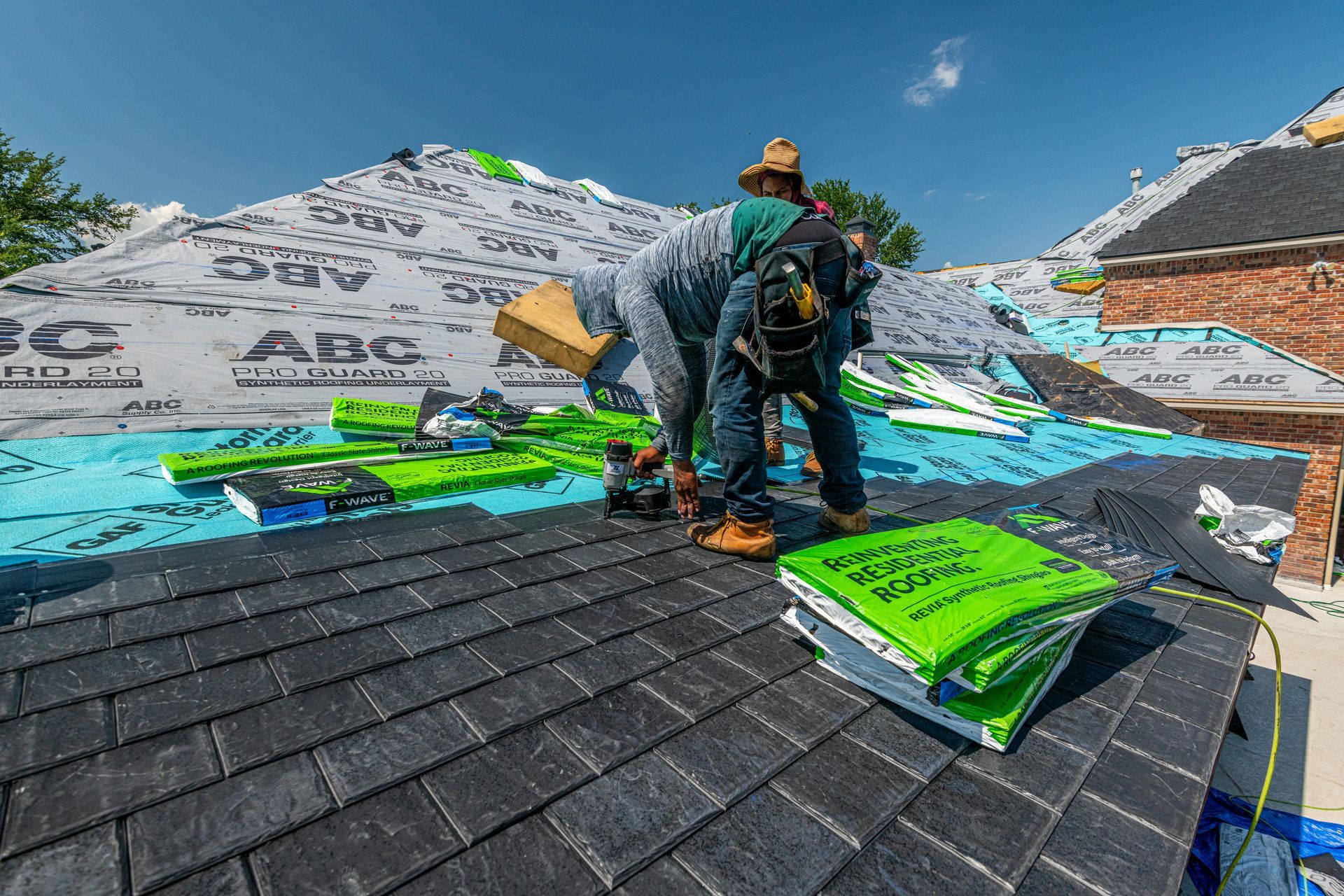
Winter weather can push rain beneath a loose rake edge, failed kick-out, or poorly layered wall flashing even when the field shingles still look serviceable. Water may travel behind siding or along the deck before showing inside. We trace staining from the interior toward the exterior transition. A durable repair rebuilds the lap sequence rather than covering the exposed joint with another bead of sealant.

Roof Warning Signs Florence Homeowners Should Not Ignore
Lifted Tabs, Moss Ridges, and Loose Edge Metal
From the ground, watch for shingle corners that stay raised, moss lines thickening beneath courses, exposed starter edges, loose rake metal, or ridge pieces sitting out of alignment. Granules or broken tabs in the gutter after a windy night deserve attention. Use binoculars when needed, but never walk a damp roof or approach an unprotected edge to investigate the problem yourself.
Stains That Appear During Southerly Rain
A ceiling mark that grows only during wind-driven rain can point toward a sidewall, chimney, skylight, or rake detail rather than a random field leak. Note the wind direction, room location, and how long the weather lasted before the stain appeared. That timing gives the inspection useful context and helps distinguish direct entry from condensation that forms during cool, rain-free mornings.
Musty Attic Air and Rusted Nail Tips
Where attic access is safe, look for widespread nail rust, darkened sheathing, damp insulation, or water tracks below a vent or roof transition. Broad moisture across several framing bays suggests a different cause than one narrow trail after a storm. Do not disturb suspected mold or step off a secure platform. Take photographs from a safe position and arrange a qualified roof and ventilation evaluation.
How Outlaw Roofing Completes Florence Roofing Projects
Roof Exposure, Access, and Moisture Review
We begin with the homeowner's concern and inspect accessible slopes, ridges, rakes, valleys, wall lines, penetrations, gutters, attic conditions, and deck indicators. At the same visit, we review trees, utility lines, driveway space, neighboring structures, and protected landscaping so material loading, ladder locations, and debris control can be built into the production plan.
Written Options With Defined Scope Limits
The proposal identifies what will be removed, installed, rebuilt, covered, and cleaned. It explains exclusions and describes how concealed sheathing damage will be documented, priced, and authorized. When both a focused repair and broader replacement are reasonable, we outline the expected service and limitations of each choice so the homeowner can compare complete outcomes instead of only initial totals.
Florence Permit Review and Project Scheduling
The City of Florence Building Department administers building permits within city limits. We confirm which permits or inspections apply to the approved roofing scope, then coordinate materials, access, and a practical weather window. This keeps a surface replacement, extensive deck repair, or structural correction from being handled as though every project carries identical review and inspection requirements.
Controlled Tear-Off With Daily Dry-In
Before removal, the crew marks drop zones and covers vulnerable surfaces. We open only the area that can be inspected, repaired, underlaid, and secured within the available weather window. Florence roofs receive careful attention at rakes, sidewalls, skylights, valleys, ventilation openings, and eaves because a small unfinished transition can admit wind-driven rain during an extended coastal system.
Property Cleanup, Detail Check, and Closeout
Cleanup includes repeated magnetic sweeps, removal of packaging and tear-off material, clearing roofing debris from gutters, and checking driveways, patios, and walkways. We then review completed flashings, penetrations, ridges, rakes, edges, and ventilation parts. The homeowner receives the workmanship, product, and maintenance information that applies to the installed roofing system.
Residential Roofing Materials for Florence Homes
Architectural Shingles Built as a Complete System
Architectural asphalt shingles from GAF, IKO, and CertainTeed can perform well on Florence homes when the starter, fastening pattern, underlayment, cap material, flashing, and ventilation are installed as a coordinated assembly. We select details according to roof pitch, edge exposure, deck condition, shade, and penetrations. The product label alone cannot compensate for incomplete supporting components or poor water-shedding laps.
Custom Standing-Seam Metal for Suitable Rooflines
Standing-seam metal can suit simple gables, open river-facing slopes, and homeowners who prefer concealed primary fasteners. Reliable performance depends on panel fabrication, clip placement, thermal movement, trim laps, penetrations, closures, and compatible underlayment. We review the framing and roof geometry before recommending metal so water can drain cleanly and transitions can be fabricated without forcing an impractical detail.
Underlayment, Targeted Leak Protection, and Ventilation
The layers below shingles or panels provide backup protection when weather reaches an edge, seam, or transition. Synthetic underlayment, strategically placed self-adhering membrane, compatible metalwork, and balanced intake and exhaust are chosen for the roof design. These are not optional accessories selected in isolation; each component must connect correctly while allowing the deck and attic to release trapped moisture.
When to Repair and When to Replace a Florence Roof
Repair Makes Sense When the Failure Has a Clear Boundary
A failed vent collar, isolated sidewall detail, short ridge-cap section, or limited branch strike may be repairable when nearby shingles remain flexible, sealed, and properly fastened. The damaged area needs enough sound material around it to rebuild effective laps. We mark the repair boundary and explain which aging portions remain outside the work so future maintenance expectations are clear.
Replacement Is Stronger When Several Roof Details Are Declining
When multiple slopes are brittle, leaks appear at separate penetrations, edge wood is soft, fasteners are exposed, and ventilation needs redesign, repeated patching leaves the homeowner waiting for the next failure. Replacement provides access to correct the sheathing, underlayment, flashings, airflow, drainage details, and finished covering as one planned system instead of a collection of unrelated repairs.
Florence Weather Factors That Influence Roof Performance
River Fog and Slow Morning Drying
A roof can remain damp for hours without measurable rainfall. Siuslaw River fog, overnight dew, and tree shade leave lower courses, metal laps, and collected debris wet well into the morning. Slow drying supports moss and exposes attic-airflow weaknesses below the deck. Durable materials help, but clear drainage, open ventilation paths, and routine debris control remain equally important.
Open-Dune Wind and Winter Southerlies
Wind exposure changes quickly between wooded streets, river corridors, and more open ground near the dunes. One rake or ridge end may take repeated uplift while the opposite slope stays sheltered. Starter courses, rakes, cap ends, vent covers, and trim must be mechanically secure from the original installation. Surface caulk applied after movement begins is not a substitute for a sound assembly.
Needle Loads and Concentrated Roof Runoff
Evergreen debris can collect where valleys meet a short gutter run or where several slopes discharge above one corner. A clogged outlet may overflow behind fascia, stain siding, and create symptoms that resemble a field-roof leak. We follow water from the upper roof through valleys, gutters, downspouts, and grade discharge to determine whether roofing, drainage, or both need correction.
Roofing Assemblies Found Across Florence
Florence housing includes coastal cottages, one-story ranches, manufactured residences, retirement-community homes, split-levels, and custom houses with attached garages or later additions. Asphalt shingles are common, standing-seam metal fits some straightforward rooflines, and membrane roofing may be appropriate on low-slope porches or carports. Older properties can also contain board decking, mixed plywood repairs, or exhaust vents installed without adequate intake at the eaves.
Typical Florence Roofing Scenario — Wind-Driven Leakage at a Ranch-Home Sidewall
A common call begins with a stain where a lower roof meets an upper wall on a wooded ranch home. The shingles may still have useful life, but short step flashing, a missing kick-out, and needles packed at the gutter can direct rain behind the siding. The attic may also show broad condensation from restricted soffit intake. A durable scope separates the exterior entry from the airflow problem, rebuilds the wall transition beneath surrounding layers, replaces damaged sheathing, and restores ventilation only where the existing design allows it.
Why Florence Homeowners Call Outlaw Roofing
- Planning Around Trees, Fences, and Narrow Drives
We identify safe ladder positions, delivery space, debris routes, vehicle movement, and landscaping that needs protection before production begins. That preparation reduces disruption on wooded or compact properties and helps safeguard siding, windows, fences, decks, and neighboring homes. The homeowner knows which areas must stay clear, where materials will be staged, and when normal driveway access can resume.
- No Routine Reuse of Questionable Roofing Parts
A replacement should not be built around a brittle pipe boot, corroded vent, loose edge metal, or poorly layered wall flashing merely to reduce the proposal. We evaluate each reusable component and state whether it will remain, be rebuilt, or be replaced. That level of detail helps homeowners compare a complete roof system with bids that price only the visible shingle field.
- Oregon Licensing and Florence Code Coordination
Outlaw Roofing works under Oregon CCB #236299, which homeowners can verify with the Construction Contractors Board. For projects inside Florence, we confirm current requirements with the city's Building Department when the approved scope calls for review. The written contract identifies responsibility for permits, inspections, concealed-condition approvals, and any authorized change to the work.
- Cleanup Planned for Occupied Coastal Homes
Loose nails and sharp metal create real hazards around driveways, decks, gardens, and pet routes. We use coverings and controlled drop zones during tear-off, remove debris throughout the job, and complete repeated magnetic sweeps. The closing inspection checks more than appearance; it confirms that gutters, walkways, parking areas, and common outdoor spaces are usable after the crew leaves.
- Straight Answers From Inspection to Final Review
Homeowners receive photographs, a written scope, and a practical explanation for each major recommendation. If concealed damage changes the work, we document the condition and request approval before proceeding. At closeout, we review maintenance needs and warranty information using the same direct language presented during the estimate, without replacing clear terms with sales pressure or vague assurances.
What Determines Roof Replacement Cost in Florence
A Florence roof estimate reflects surface area, slope, height, number of planes, chosen material, tear-off layers, sheathing condition, flashing complexity, ventilation, and access. Tree cover or limited staging space may require added protection and slower debris movement. We price after inspection and describe how concealed repairs will be measured so homeowners are not comparing one complete scope with another contractor’s incomplete allowance.
Roof Height, Tree Cover, and Staging Space
Steeper sections, split levels, overhead branches, and narrow driveways can require additional fall protection or smaller material loads. Debris may need to travel farther to a controlled container, and landscaping may need more covering. These are legitimate labor and safety conditions, not unexplained surcharges, and they should appear in the production plan before the first bundle reaches the roof.
Skylights, Sidewalls, and Transition Flashing
A roof interrupted by skylights, chimneys, wall lines, vents, or additions requires more cutting and metalwork than a simple uninterrupted gable. Every opening needs compatible flashing integrated beneath the surrounding layers. Reusing aged collars or surface-sealed transitions can lower an initial bid, but it leaves the details most likely to admit wind-driven water essentially unchanged.
Ventilation and Moisture-Damaged Eaves
Florence moisture often collects near eaves where insulation blocks intake, needles slow drainage, or gutters have leaked behind the fascia. Correcting the roof may require sheathing replacement, new intake paths, edge metal, and balanced exhaust in addition to the finished covering. We separate confirmed repairs from unit-price allowances so the homeowner understands why each potential cost exists.
Permit, Inspection, and Scope Administration
Permit or inspection needs depend on the approved work rather than the city name alone. We check current requirements with the City of Florence Building Department, identify known coordination in the proposal, and keep required work accessible for inspection. This avoids treating extensive sheathing replacement or structural correction as though it were only a cosmetic surface change.
Key Inspection Points on Florence Residential Roofs
Rakes, Eaves, Ridge Ends, and Vent Covers
We inspect for loose starter, lifted rake edges, cracked ridge material, exposed fasteners, incomplete overlaps, blocked vent openings, and signs that wind has flexed trim. Open roof edges often fail before the center field. The starter, cap, vent, and perimeter metal must stay mechanically secure without blocking the intended drainage or exhaust path.
Skylight, Chimney, and Wall Flashing
Flashing is checked for correct sequencing, corrosion, short pieces, missing kick-outs, failed collars, and heavy dependence on exposed sealant. We also look below the roofline for water marks behind siding or fascia. The recommended repair addresses the concealed lap system that controls water, not only the crack or rust spot visible from the exterior.
Attic Intake, Exhaust, and Moisture Patterns
Broad deck darkening or rows of rusty nail points can indicate condensation instead of a direct roof opening. We verify whether soffit intake is clear, exhaust is balanced, bath fans terminate outdoors, and insulation leaves the eaves open. These observations show whether the proper response involves roofing, ventilation, air sealing, drainage, or a coordinated combination of several corrections.
Expected Roof Life on a Florence Home
Exposure and Installation Quality Matter More Than Age
Installation date provides useful context, but it cannot predict remaining life by itself. A newer roof with blocked ventilation, loose rakes, or poor flashing may fail before an older system on a protected lot. We judge serviceability through surface wear, seal strength, flexibility, fastening, metal condition, sheathing support, moisture patterns, and the history and location of prior repairs.
Metal Roof Details Still Need Routine Review
Concealed-fastener panels remove many exposed maintenance points, but trim laps, penetrations, sealant joints, closures, cut edges, and transitions continue to weather. Periodic inspection can catch a displaced closure or damaged coating before water reaches the underlayment. Clearing needles from panel ends and gutters also prevents wet debris from remaining against metal details.
Keep Shade, Debris, and Interior Moisture Controlled
Maintain open gutters, remove moss with a roof-safe method, and trim branches that scrape or heavily shade the surface. Indoors, confirm that exhaust fans discharge outside and attic vents remain unobstructed. After strong wind, check the yard and roofline for displaced caps, shingles, or trim. These habits reduce both exterior water entry and condensation-related deterioration.
Quick Answers — Residential Roofing in Florence, OR
How does Outlaw Roofing handle Florence permit questions?
We define the proposed work and verify current requirements with the City of Florence Building Department when applicable. A straightforward surface replacement, extensive deck repair, and structural modification may not follow the same review path. Known applications, inspections, and coordination responsibilities are identified in the written project scope.
Can coastal fog cause moss even when shingles are not leaking?
Yes. Repeated fog, tree shade, and organic debris can keep the surface damp long enough for moss to grow without an active roof leak. The growth still matters because it holds moisture and can lift material edges. Cleaning should protect the roofing, and the shade, debris, and drainage conditions should be corrected at the same time.
Why does my Florence roof dry unevenly after a storm?
Roof orientation, tree cover, pitch, nearby buildings, and wind exposure all change drying time. A shaded north-facing plane can stay damp while an open south-facing slope dries quickly. Uneven drying is not proof of failure, but persistent wet areas deserve inspection for moss, blocked drainage, weak ventilation, or deteriorated material beneath accumulated debris.
Is standing-seam metal practical near the dunes or river?
It can be when the roofline is suitable and the assembly is detailed for the actual exposure. Panel profile, clips, coating, trim, closures, underlayment, and penetrations must work together. Complex additions or a limited budget may make a complete architectural-shingle system more practical than forcing metal onto a roof with difficult transitions.
What cleanup should follow residential roofing work?
The crew removes tear-off debris, packaging, loose metal, and unused material; clears roofing fragments from gutters; and performs repeated magnetic sweeps around the property. We focus on driveways, decks, garden paths, pet areas, and neighboring edges before the final walkthrough so the home remains safe and usable after production ends.
Residential Roofing Work We Perform in Florence
Residential Roofing Support
Outlaw Roofing inspects and installs roofing for Florence cottages, ranch homes, manufactured residences, retirement properties, rentals, and custom houses, with attention to marine moisture, tree shade, ventilation, drainage, and site access.
Residential Repair and Leak Correction
We diagnose and correct defined failures at skylights, chimneys, vents, rakes, ridge caps, gutters, valleys, sidewalls, and limited damaged areas when the surrounding roof can support a durable repair.
Custom Metal Roof Installation
Standing-seam panels and fabricated trim can deliver concealed primary fastening, clean lines, and fast runoff on appropriate Florence roof designs. We plan panel layout and transitions around the actual structure and exposure.

Book a Free Florence Residential Roof Inspection
A lifted rake edge, skylight stain, soft eave, moss ridge, or damp attic should be evaluated before another wet season expands the damage. Outlaw Roofing will inspect the roof and supporting details, document the findings, and prepare a clear repair or replacement scope. Call (541) 275-6189 to schedule your Florence roof inspection.
Frequently Asked Questions — Florence Residential Roofing
Should moss be pressure-washed from my Florence roof?
No. High-pressure washing can remove protective granules, force water beneath laps, and shorten the life of shingles. Moss should be treated and removed with a method appropriate for the roofing material. We also look for the shade, debris, and drainage conditions supporting growth so the roof does not return to the same wet pattern immediately.
Can wind-driven rain leak at a wall without missing shingles?
Yes. Water can enter through short step flashing, a missing kick-out, open siding clearance, or an exposed sealant joint even when the field shingles remain intact. A lasting correction usually requires removing nearby roofing and rebuilding the transition in proper layers. Coating the outer seam alone does not recreate the concealed drainage path.
What happens if older board decking is beneath the roof?
We evaluate board spacing, condition, flatness, movement, and ability to hold the required fasteners. Some roofs need an approved overlay, while split, loose, deteriorated, or widely spaced boards may require selective replacement. The exposed substrate is photographed and the necessary work is explained before new underlayment covers the condition.
How can I estimate a roof's age without installation records?
Review prior permits, seller disclosures, invoices, warranty documents, inspection reports, and any labels stored with leftover material. Surface appearance may suggest a general range but cannot prove an installation date. More importantly, an inspection can assess present sealing, wear, flashing, ventilation, and deck support so the decision does not rest on age alone.
Why does my Florence gutter overflow at only one corner?
The outlet may be blocked by needles, the gutter may be pitched incorrectly, or several roof planes may concentrate runoff above one short section. A valley can overwhelm an otherwise clear gutter during heavy rain. We inspect the upper drainage path, lower roofing, edge metal, fascia, outlet, and downspout before deciding where the correction belongs.
What roofing warranty documents should I keep?
Keep the signed contract, final scope, workmanship terms, product names, colors, invoices, and any information required for manufacturer registration. Written warranty language controls coverage, not a verbal summary. Review exclusions, maintenance duties, transfer rules, and notification procedures, then store photographs and future inspection records with the original project documents.
Can GreenSky financing be used for a Florence replacement?
Qualified homeowners may apply for available GreenSky financing plans, with approval and terms determined by the financing provider. We first prepare a complete written roofing scope so the homeowner understands the work, allowances, and total project being financed. That allows the financing decision to be based on a defined obligation rather than an incomplete preliminary figure.
How should I prepare pets and parking for roof work?
Keep pets indoors or in a secure area away from gates, ladders, and debris routes, and move vehicles to the location discussed during scheduling. Roofing noise can distress animals, while falling material makes driveways unsafe during portions of the workday. We explain when access will be limited and when vehicles can safely return.
When should a Florence homeowner request an inspection?
Arrange an inspection after visible wind damage, a new ceiling mark, repeated gutter overflow, unexplained attic dampness, or rapid moss growth around a roof detail. An evaluation is also useful before buying an older home or adding exterior work that meets the roof. Early findings usually leave more repair options than delayed interior or deck damage.
Can only one roof slope be replaced?
A single-slope replacement may work when the design provides a clean separation, matching material is available, flashing can be integrated correctly, and the remaining roof has useful service life. We explain tie-in, appearance, and warranty limitations. Where valleys, walls, or shared ridges connect the slopes, full replacement may provide a more dependable system.