Residential Roof Repair in Lakeside, OR
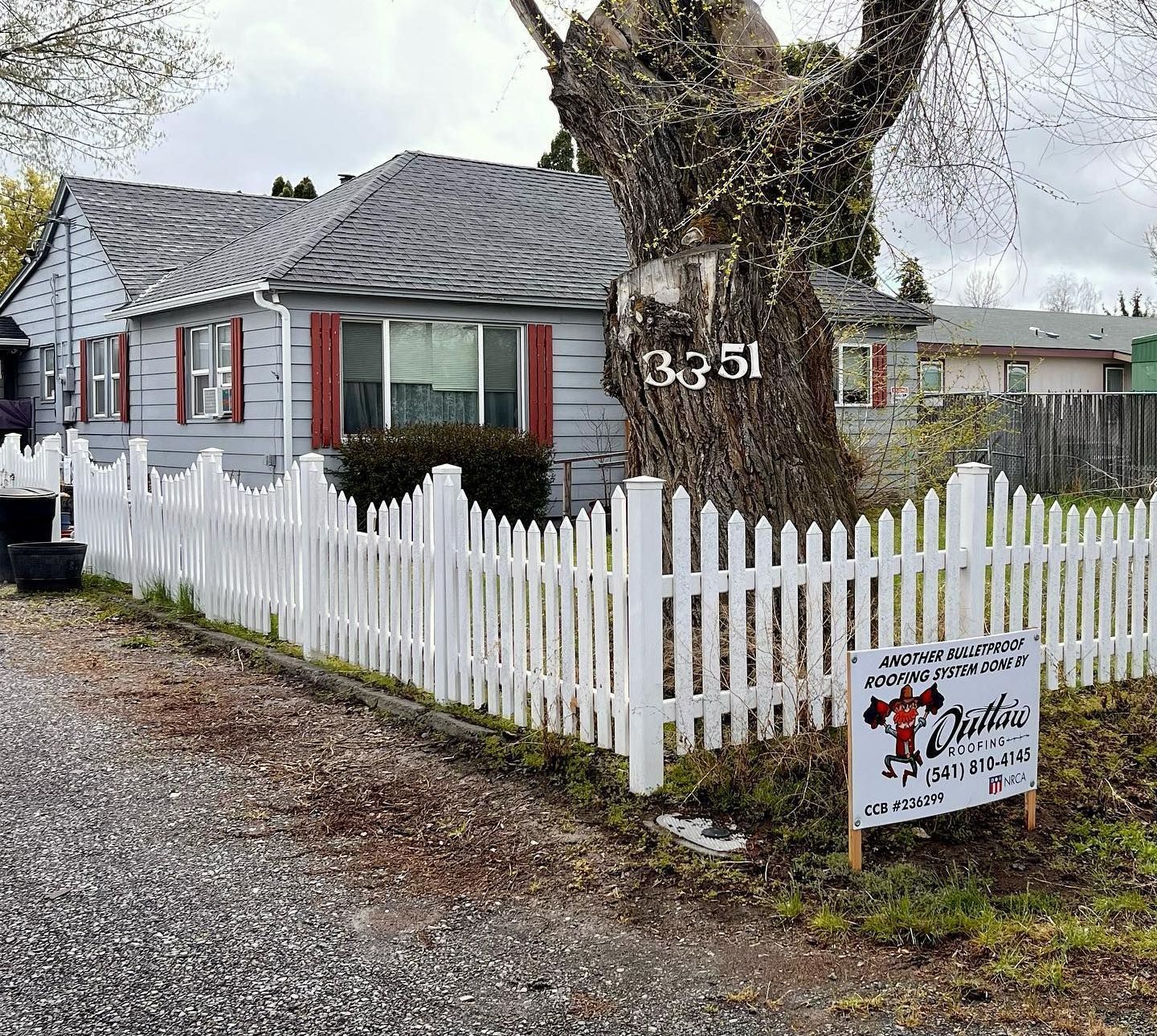
Roof Repair in Lakeside, OR: Lake Wind, Tree Debris, and Shaded Roof Edges Create Localized Leaks Before Widespread Failure
Lakeside homes sit among water, wooded slopes, and open lake reaches that can expose neighboring roofs to very different conditions. One property may stay protected by trees while another receives wind that drives rain beneath caps, along gutters, or into a covered-deck transition. A homeowner might first see moss-darkened eaves, damp cedar trim, or a ceiling mark after wind crosses Tenmile Lake. Those signs lead us toward edges, debris channels, and additions instead of treating every stain as proof that the entire shingle surface has failed across the home.
A localized roof opening can often be repaired while most of the system remains untouched. A branch-damaged shingle group, split vent collar, loose ridge section, or open porch flashing is a component problem when nearby courses stay bonded and the wood remains firm. A proper repair opens the area enough to replace compromised layers and restore drainage, rather than hiding the exterior gap under another coating.
Water entering at a shaded eave or debris-filled valley can reach fascia, soffit framing, insulation, and the outer deck before it appears indoors. Lake humidity and limited sunlight may keep those materials wet between weather systems. Early attention can confine work to one edge, valley, or penetration. Delay may add rotted trim, softened sheathing, and interior finish damage to a repair that began with one small opening.
Lakeside homeowners benefit from an estimate that distinguishes one damaged detail from an aging roof system. Replacement is reasonable when moisture, moss damage, and failed seals cover several areas, but one cracked boot or lifted porch joint should not decide the entire project. A roof-cement smear is not a solution when wet debris and reversed laps remain below. The scope should explain the cause, set the repair boundary, and describe hidden conditions that may enlarge the job.
Outlaw Roofing is a veteran-owned Oregon contractor operating under CCB#236299. Riley and our crews have training and certifications connected to GAF, IKO, CertainTeed, WeatherBond, and PolyGlass systems. Call (541) 275-6189 for a Lakeside roof repair evaluation.
Roof Repair Issues We See on Lakeside, OR Houses

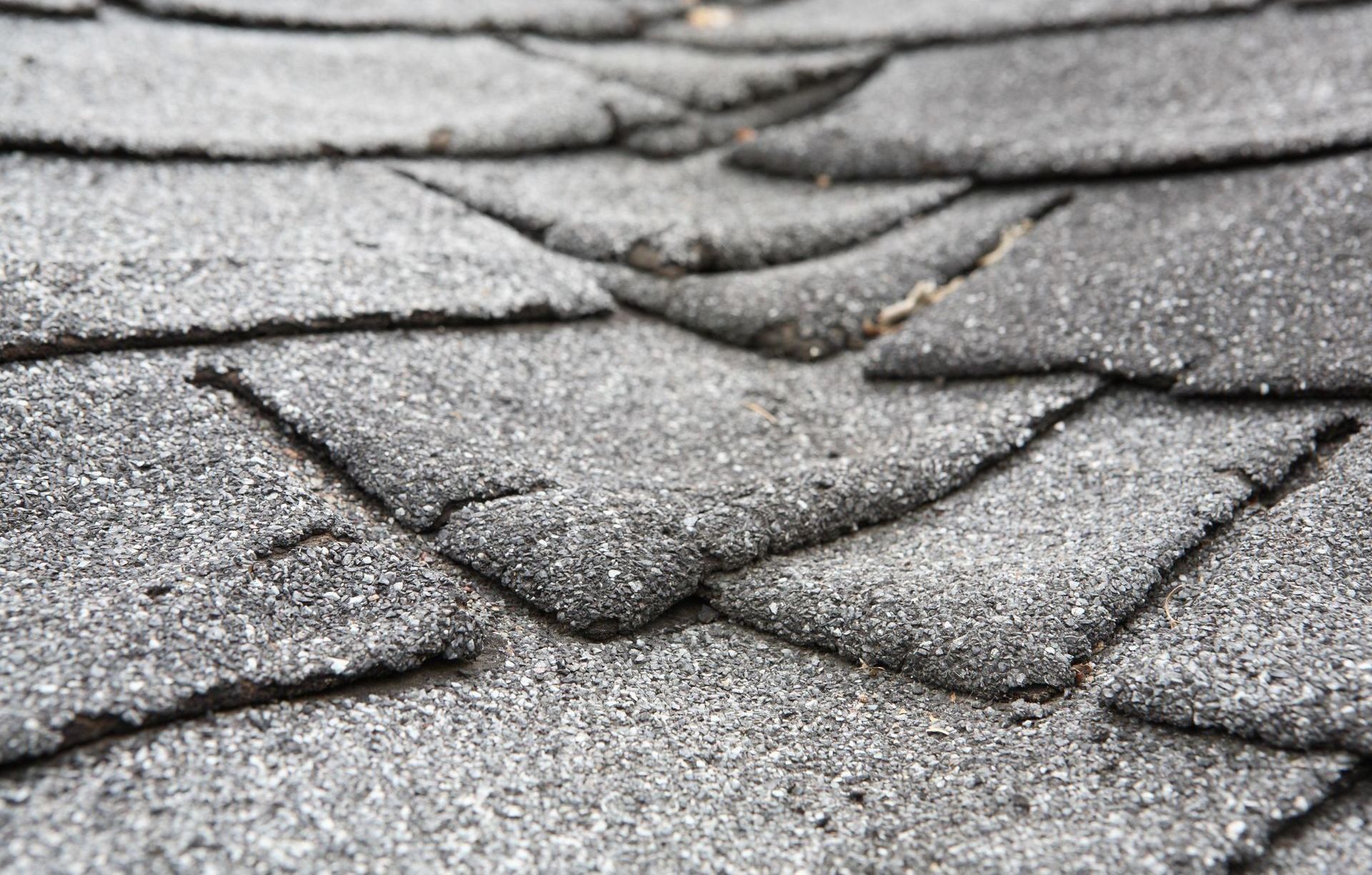
Lake Wind Beneath Ridge Caps and Tree-Damaged Shingle Edges
Wind crossing open water can strike an exposed roof face and lift over the ridge or opposite rake. Caps and edge shingles take force where corners and fasteners are least protected. A fallen limb may crease a tab or loosen one cap without removing it. Once the seal is disturbed, driven rain can enter beneath the course and migrate across the deck toward the attic.
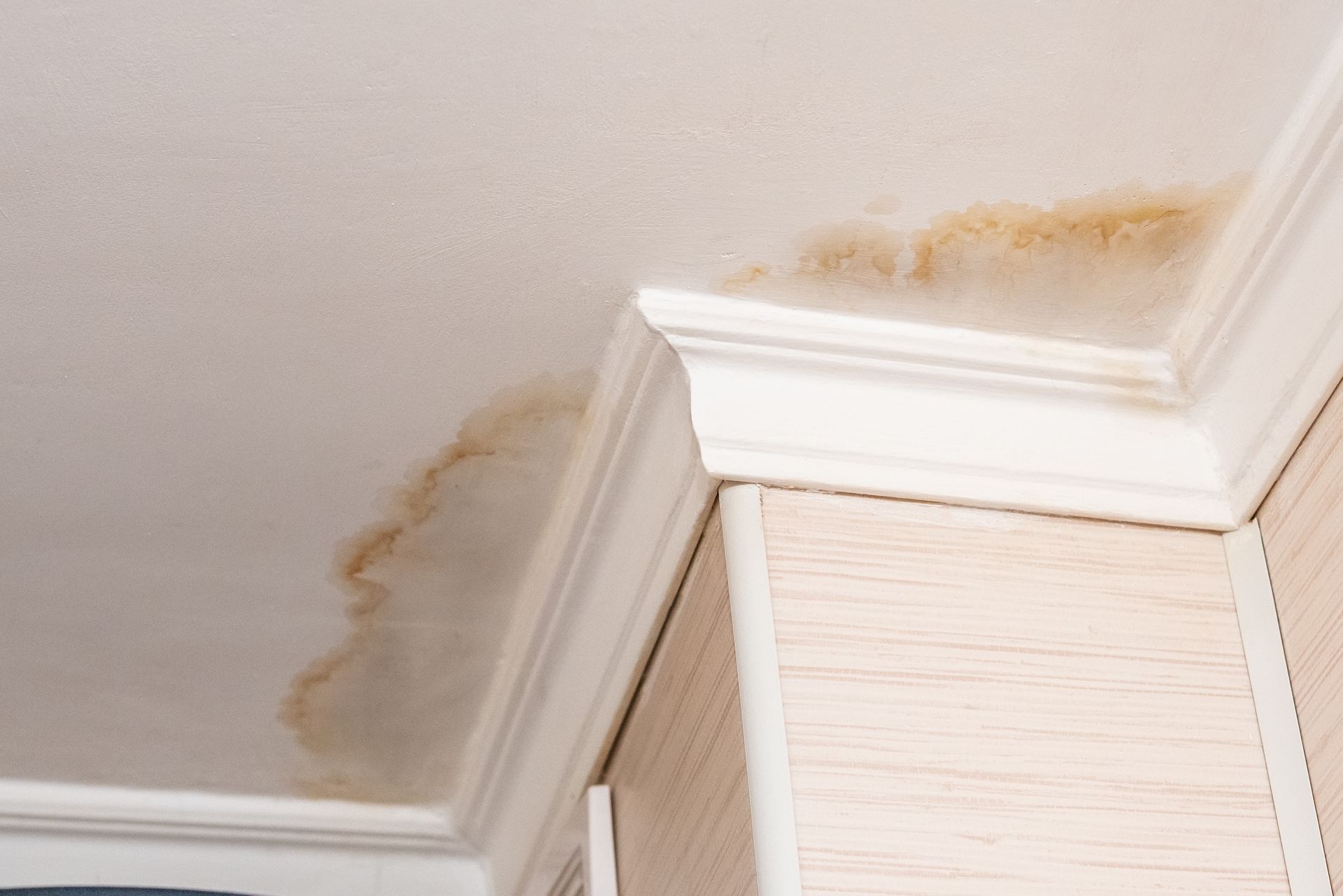
Split Vent Collars and Skylight Seals on Shaded Damp Roofs
Plumbing boots, skylight corners, and roof jacks stay damp longer when trees limit sun. Flexible seals become brittle, and old fasteners lose compression as materials move. Water follows the pipe or curb and may appear away from the penetration. Replacing the assembly and weaving it into sound roofing lasts longer than layering sealant around the visible crack.
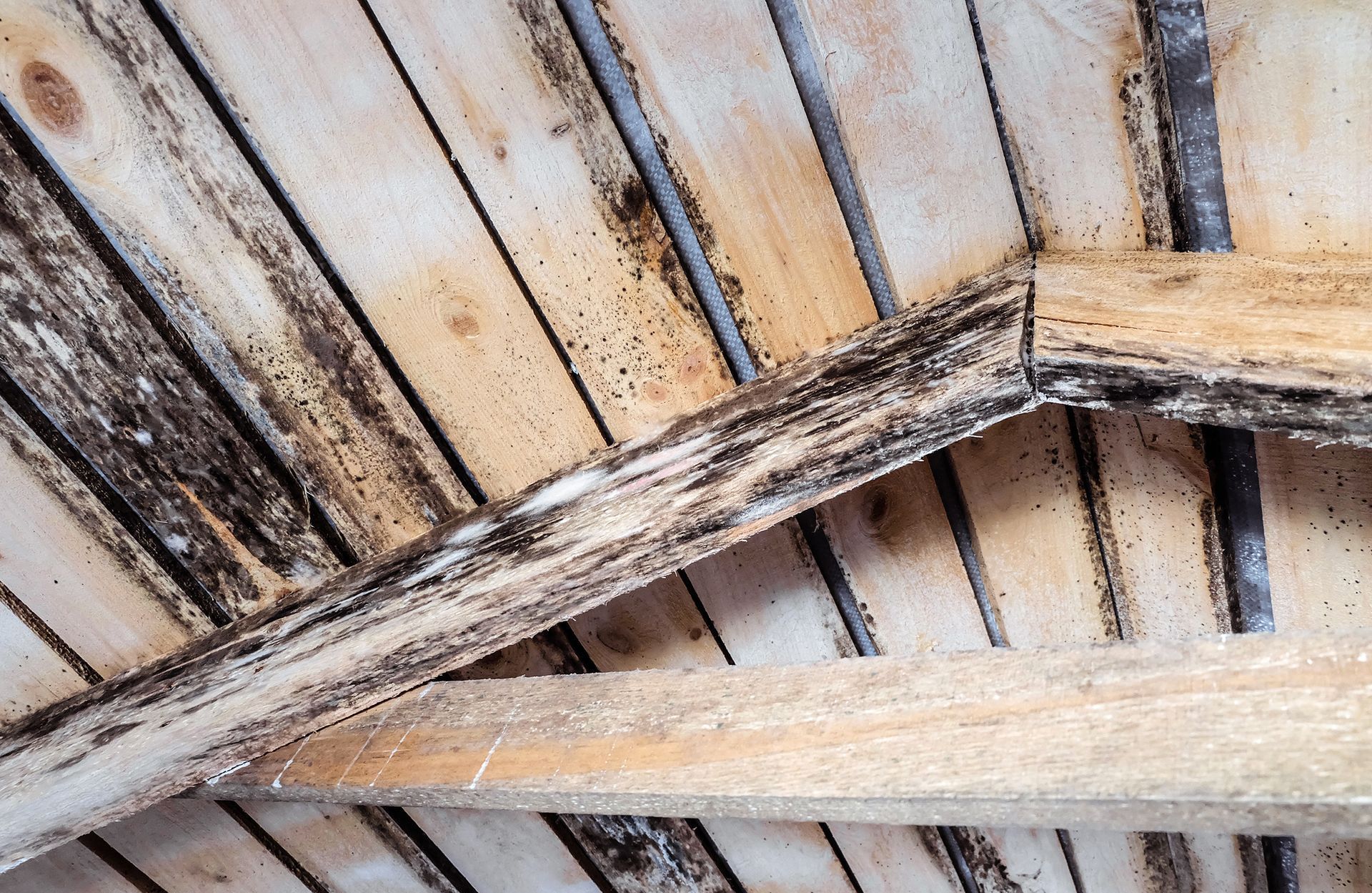
Eave Leaks From Conifer Debris and Overflowing Lake-Side Gutters
Needles, cones, leaves, and moss can fill a gutter until runoff climbs behind the edge. When apron metal is short, bent, or hidden beneath the wrong layer, water reaches fascia and deck instead of the trough. Damp soffits, stained siding, or a mark at an outside wall may appear first. Repair must correct blocked drainage and the edge assembly rather than repaint wood that will become wet again.
Covered-Deck and Porch Connections on Lake Cottages and Cabins
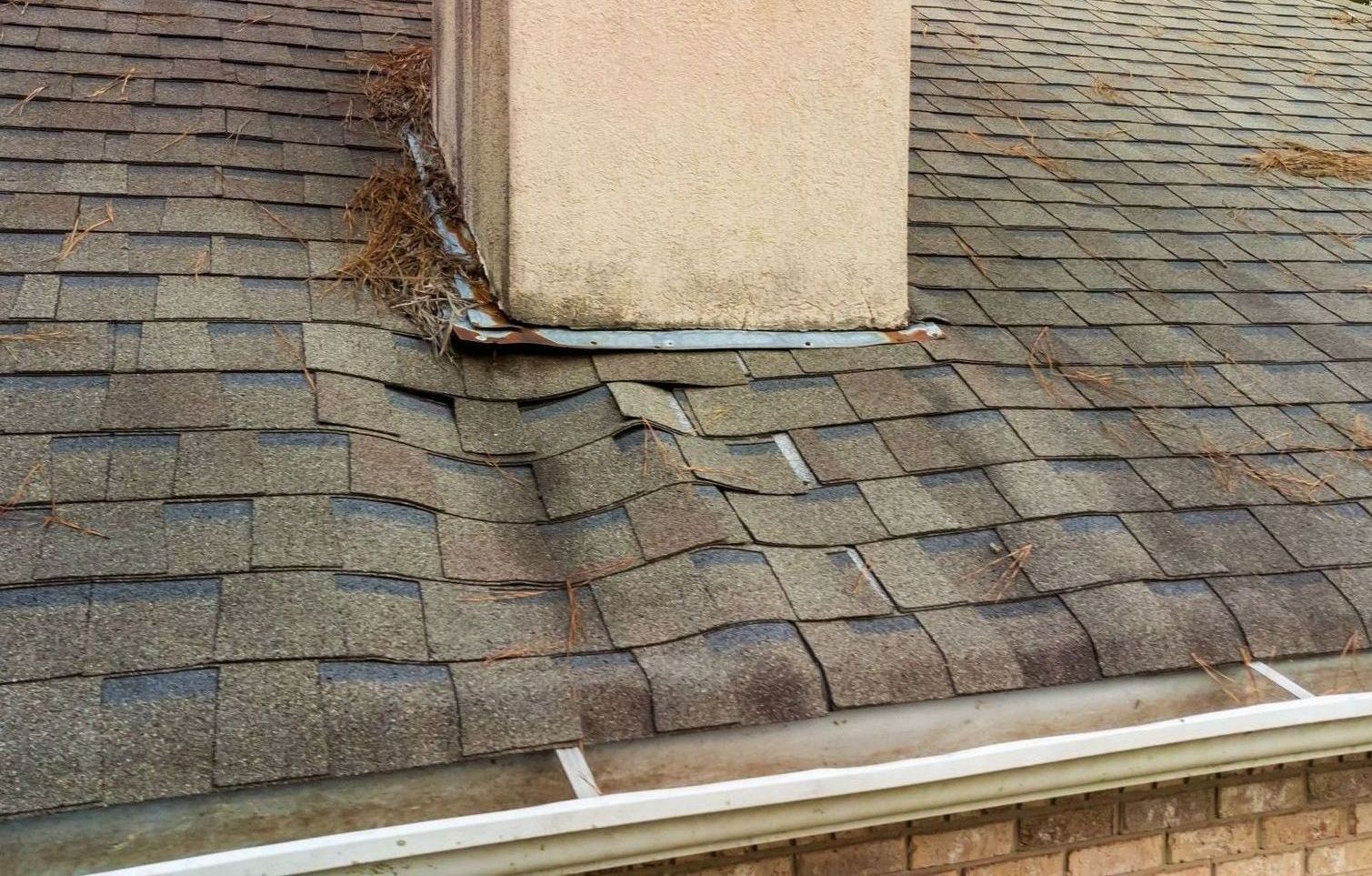
Many Lakeside properties have covered decks, enclosed porches, mudrooms, or small additions facing the water or wooded yard. These joints leak when shingles continue onto a low pitch, when wall flashing lacks enough height, or when membrane stops before the full transition. Water can spread beneath the connection and appear at a post, door header, or interior wall several feet away.
Loose Metal-Roof Fasteners and Flashing Around Chimneys or Stoves
Lake cabins and remodeled homes may include metal panels, wood-stove penetrations, or older chimney repairs with exposed attachment points. Gaskets age, sealant loses adhesion, and panels move through damp temperature cycles. We check the full flashing assembly below the obvious fastener and rebuild the detail so water travels over seams rather than through them.
How to Know Whether a Lakeside, OR Roof Is a Good Repair Candidate
The Leak Follows Lake Wind, Debris Buildup, or One Roof Detail
A problem limited to storms from the lake, a clogged valley, or one ridge, vent, eave, porch, or chimney connection usually provides a defined starting point. We compare the indoor mark with roof slope, tree cover, drainage, and reported weather. If the remaining planes stay dry and the roof field remains stable, a targeted repair can restore performance without a full tear-off.
The Shaded Deck and Roof Perimeter Still Hold Fasteners Securely
Moist, tree-covered edges require careful testing of the wood beneath the roofing. We inspect the attic when possible, probe accessible sheathing, and check fascia or soffit from the ground and ladder. Firm wood around a limited damp spot can often be removed and reconstructed locally. Softness extending through multiple framing spaces or along a long shaded eave requires wider removal.
The Surrounding Shingles Remain Flexible Beneath Moss and Debris
A component repair needs healthy courses around the opening. Shingles should separate without cracking, settle flat after the work, and retain their protective surface once loose growth is cleared. If shaded slopes show widespread lifted edges, exposed reinforcement, heavy granule loss, or seals broken throughout, tying a new detail into that roof may not deliver reasonable longevity.
How Outlaw Roofing Approaches Lakeside, OR Roof Repairs

Step 1 - Record Weather, Tree Conditions, and Interior Moisture Paths
We begin with what the homeowner observed: the affected room, recent wind direction, nearby trees or debris, and whether staining began at a wall, ceiling, pipe, or porch. Attic access, when available, helps us follow moisture to its highest trace and separate exterior entry from indoor condensation.
Step 2 - Inspect Valleys, Eaves, and Additions Before Open Slopes
The crew checks debris channels, gutter edges, ridge caps, rakes, vents, chimneys, metal seams, and porch joints before concentrating on uninterrupted roof field. Around Tenmile Lake, the failed detail often sits where water collects or shade keeps materials damp.
Step 3 - Establish the Repair Boundary and Concealed-Rot Procedure
The estimate identifies what will be removed, which new layers will be installed, how access and cleanup are handled, and how hidden wood is evaluated. If the deck cannot be fully assessed until moss, metal, or edge courses are opened, the photo and approval process is written before work starts.
Step 4 - Check Jurisdiction and Restore the Water-Shedding Sequence
When structural work needs review, we confirm the applicable City of Lakeside or Coos County requirements. During installation, damp or failed material is removed to a solid base, membrane and flashing are arranged from low to high, and shingles or panels are integrated so runoff stays above every lap.
Step 5 - Confirm Drainage, Clear Debris, and Supply Photo Documentation
The final review checks that gutters receive runoff, valleys remain clear, caps and metal edges are secure, and penetrations shed water through their flashing correctly. We remove all roofing debris and provide clear photographs showing the opened condition and completed repair for the homeowner's records.
Lakeside, OR Roof Repair Components Built for Lake-and-Forest Exposure
Durable Vent Boots, Correct Stove Flashing, and Protected Fasteners
Penetration repairs begin with a component designed for the pipe, stove vent, skylight, or panel profile involved. The upper flange sits below higher courses while the lower portion remains on top of the drainage plane, and attachment follows the product requirements. Covered or gasketed fasteners reduce direct water entry without becoming the only line of defense.
Valley Membrane, Drip Edge, and Gutters Kept in Proper Order
At shaded drainage points, every layer must move water outward and remain accessible for maintenance. Underlayment protects the sheathing, formed metal directs flow away from fascia, and the gutter receives runoff before debris can hold it at the edge. When an existing detail is reversed or deteriorated, we remove sufficient roofing to correct the sequence rather than seal over damp wood.
Wind-Secure Caps, Tree-Exposed Edges, and Porch Transitions
Ridge pieces and exposed shingles are fastened through sound deck with the layout required for the roofing product. At covered decks and cabins, the repair uses metal or membrane suited to the actual pitch and wall condition. Corrosion-resistant hardware supports the detail while properly layered materials remain responsible for shedding water.
When Lakeside, OR Roof Damage Has Moved Beyond a Focused Repair
Widespread Moss-Lifted Seals Across a Shaded Roof Plane
A few damaged shingles can be replaced. A full slope with moss-lifted edges, broken bonds at ridge and eave, and weakened field courses no longer forms the continuous surface needed against lake-driven rain. Spot replacement leaves aging seals between corrected areas. When deterioration covers the plane, replacing that slope or the whole roof can be more reliable than returning for new leaks after every wet season.
Repeated Gutter-Edge Patches With Soft Fascia and Decking Below
Layers of sealant along an eave or porch edge often indicate that water was diverted temporarily without opening the assembly. If fascia, outer decking, and framing have remained shaded and wet, the project becomes an edge rebuild rather than another patch. Roofing must be removed back to solid wood so drainage layers can be reconstructed continuously.
Why Lakeside's Lake-and-Forest Setting Creates Distinct Roof Repair Patterns
A North Lake Road Cottage: How Debris Backed Water Into a Porch Joint
Imagine a small cottage along North Lake Road with a covered porch beneath tall evergreen branches. Light showers pass without an indoor stain. After a windy week drops needles into the gutter, water appears above the porch window during the next heavy rain. The main attic is dry, but the porch cavity shows a wet line where its roof meets the wall. Debris has blocked the outlet while a short apron allows backed-up water to reach the transition from below. An earlier sealant bead has separated from damp trim. The correct repair clears the drainage, removes patched courses, replaces weakened wood, installs continuous membrane and flashing, and rebuilds the wall connection so future runoff enters the gutter instead of the porch structure.
How Lake Wind, Tree Shade, and Slow Drying Damage Roof Edges
Wind crossing Tenmile Lake can press rain against one side of a home while lifting caps and edges on the other. A small opening may leak only during that angle even though ordinary rainfall causes no mark. Dense trees and cool humid air then slow drying around gutters, valleys, and trim. Repeated saturation enlarges fastener holes, encourages moss, and allows limited damage to spread into wood.
Lakeside Housing Types and Their Typical Roof Repair Needs
Lakeside includes lake cottages and cabins, manufactured homes near established streets, ranch-style houses, remodeled waterfront properties, and homes with detached shops or covered outdoor areas around North Lake Road and the in-town shoreline. Roof exposure changes quickly between open water, narrow tree breaks, wooded hillsides, sheltered neighborhoods, and low lots where debris and shade can matter more than direct wind.
Cottages often need porch, chimney, stove-flashing, and eave work where additions meet older construction eras. Manufactured and ranch homes may have long gutters, metal sections, and multiple vents. Open lakefront roofs need ridge and edge checks, while heavily wooded sites require attention to valleys, moss, branches, and slow-draining lower roof courses.
Why Lakeside, OR Homeowners Call Outlaw Roofing for Repairs
✓ Drainage-and-Debris Inspections for Lake Wind and Shaded Roofs
We follow water from ridge and valley through every eave and gutter outlet, while checking how branches, moss, and additions affect that route. This approach identifies the blocked channel, loose cap, or porch flashing defect that may be overlooked during a quick survey of open shingles.
✓ Repair Work Backed by an Oregon-Licensed Roofing Contractor
Outlaw Roofing operates under CCB#236299. The registration is available through Oregon's contractor database, and each authorized repair is documented in a written agreement. Licensing and records provide accountability that a casual surface patch without a verifiable contractor cannot match.
✓ Clear Contingencies Before Opening a Shaded Eave or Porch Joint
Tree-covered edges and old deck connections can hide deteriorated sheathing or framing. Our estimate explains the visible work, describes likely concealed conditions, and states how photographs and written approval will be handled if repair limits change. The homeowner reviews that decision before additional material is placed.
✓ Coordination With the Correct Lakeside Building Jurisdiction When Necessary
Replacing one damaged shingle group is not the same as rebuilding structural decking or framing. When the confirmed work requires a permit or inspection, we identify whether City of Lakeside or county review applies and coordinate the roofing portion accordingly.
✓ Property Protection, Thorough Cleanup, and a Repair Record
We plan access around landscaping, decks, and narrow drives, contain removed shingles and metal, check the ground for fasteners, and photograph the final assembly. The record explains what was repaired without asking the homeowner to navigate a wet ladder or roof.
Planning Ranges for Roof Repair in Lakeside, OR
Cost is shaped by pitch, safe access through trees or tight lots, the amount of valley or edge that must be opened, material compatibility, and hidden deck or fascia damage. These ranges describe typical categories and are confirmed after inspection.
Vent Boot, Stove Flashing, or Skylight Repair
$395 to $775. A standard penetration with sound surrounding roofing is commonly near the lower end. Tall stove vents, special flashing kits, brittle shingles, metal-panel work, or damaged sheathing require more time and a larger tie-in.
Eave, Valley Outlet, or Gutter-Apron Reconstruction
$450 to $1,200. A short section with firm fascia may need corrected edge metal and replacement courses. Long blocked runs, rotted trim, soft decking, or gutter removal can move the repair toward the higher figure.
Covered Porch or Low-Slope Transition Repair
$650 to $1,500. A limited membrane and wall-flashing correction may remain within one work area. Costs rise when old sealants conceal the joint, several feet of wood are wet, or the porch roof requires proper low-slope material instead of shingles for reliable drainage.
Ridge Cap, Branch-Damaged, or Wind-Lifted Shingle Section
$325 to $850. Several matching caps or damaged field shingles can often be replaced efficiently. Difficult tree access, multiple creased courses, bent metal, or discontinued products may require a broader repair and additional setup.
What Skilled Roofers Check During a Lakeside, OR Repair Visit
The Complete Debris and Drainage Path Along the Eave
When staining appears near an outside wall, we inspect lower shingles, underlayment, drip metal, gutter apron, accumulated debris, fascia, soffit, and outer deck. Water can back behind one short edge and travel through several finished layers. Cleaning only the gutter or covering the ceiling mark does not correct the roofing sequence.
Ridge Caps, Branch Impact, and Shingle Seals After Lake Wind
A cap may lift at its fasteners, while a small limb can crease field shingles that later settle flat and hide the impact after wind. We check alignment, attachment, bruising, exposed mat, nearby metal, and broken adhesive strips across the area. These observations show whether one section is repairable or a broader tree-and-wind event affected the entire slope.
How Long Lakeside, OR Roof Repairs Should Remain Serviceable
Clean Drainage and Attic Drying Help Repairs Last Longer
Repairs perform when water leaves the roof and moisture beneath the deck has a way to dissipate. Clear valleys, open gutters, firm sheathing, trimmed debris sources, and appropriate attic airflow all support the new work. No boot or flashing can overcome chronic leaf dams, persistent overflow, or indoor humidity that keeps shaded wood damp.
A Localized Repair Does Not Reset the Whole Roof's Age
The new component may offer years of service even though adjacent shingles continue through their normal aging cycle. We explain whether it can remain during future replacement and which nearby changes should prompt another inspection. That allows the homeowner to fix the current entry point without confusing limited repair coverage with a warranty on the entire older roof.
Quick Answers - Lakeside, OR Roof Repair
What are common roof repair price ranges in Lakeside, OR?
Typical planning ranges are $395 to $775 for a penetration, $450 to $1,200 for an eave or valley-outlet rebuild, $650 to $1,500 for a covered porch or low-slope transition, and $325 to $850 for a limited ridge, branch-damaged, or wind-lifted shingle section.
Do I need a permit for a Lakeside roof repair?
Many small component repairs are considered maintenance, while structural deck replacement, framing, or changes to the roof assembly may require review. We verify the correct Lakeside or county jurisdiction for the documented scope instead of applying one answer to every property.
Why does my roof leak after wind blows across Tenmile Lake?
Lake wind can raise a loose course and press rain behind laps that shed normal vertical runoff. Ridge caps, eaves, valleys, stove flashing, and porch transitions are common sources. The direction of wind and nearby tree debris help identify which roof area should be investigated first.
Can a gutter-edge leak be repaired without replacing the roof?
Usually, when damage remains confined. Lower courses can be removed, weak edge wood replaced, and underlayment and apron metal rebuilt into the existing roofing. A broader project is necessary when rot extends along the eave or surrounding shingles cannot be lifted without breaking.
How much time should I allow for a Lakeside roof repair?
A vent boot or small branch-damaged area may be completed within several hours. Eave reconstruction and covered-porch transitions often need a full day because debris, gutters, trim, membrane, and multiple roofing layers are involved. Access and hidden wood can add time.
Frequently Asked Questions - Residential Roof Repair in Lakeside, OR
Can lake fog and shade cause moisture without an active roof leak?
They can contribute to condensation when warm air contacts cold sheathing, fasteners, or metal vent parts. Condensation generally forms broadly rather than following one rain track. We examine ventilation, insulation, exhaust ducts, tree shade, and exterior details before identifying the source.
Can moss-damaged shingles be repaired in one section of the roof?
Yes, when growth has affected a contained area and the surrounding courses remain flexible and well bonded. We remove the damaged shingles, inspect the deck, correct the moisture or debris condition, and install compatible replacements. Widespread lifted edges or weakened surfaces may indicate that spot repair will not last.
Will a roof repair include gutter cleaning and tree trimming?
Only when those services are listed in the scope. The inspection may identify clogged outlets, overhanging branches, blocked intake, or maintenance beyond the roofing defect. We document conditions and separate responsibilities so the homeowner knows what the crew will perform.
How do you protect decks, landscaping, and boats near the house?
We coordinate ladder placement and staging before removal, cover or relocate vulnerable items as needed, contain shingles and metal, and clean the site after completion. Lakefront access or narrow wooded drives may require additional preparation discussed during the estimate.
What if a wood-stove chimney leaks above the roof flashing?
Water may enter through a damaged rain cap, storm collar, vent joint, or chimney component while roof flashing remains sound. We inspect the roof connection and note defects above it. Appliance-vent or chimney work outside the roofing scope may require the appropriate certified trade.
Should wet fascia or porch trim be replaced during roof repair?
Material that is soft, delaminated, or unable to hold fasteners should be replaced so the repaired edge has dependable support. Stained but solid wood may dry and receive finish treatment later. We photograph the condition and obtain approval before enlarging the original repair scope.
Can Outlaw Roofing fix a local leak on a residential metal roof?
Yes, some metal-roof leaks can be fixed at a screw, seam, pipe, curb, or wall joint. The right fix depends on panel shape, finish, rust, fastening, and access below. A site check shows whether a small repair will hold through wet lake weather.
How soon after Lakeside wind or branch damage should the roof be checked?
Call soon if caps lift, metal bends, branches fall, gutters break, shingles drop, soffits darken, or a new ceiling spot appears. Stay off wet or debris-covered roofing; clear ground photos and notes on the weather are safer and help trace the leak.
Residential Roofing Services for Lakeside, OR Properties
Localized Roof Leak and Storm Repair
Repair of vents, eaves, valleys, ridge caps, porch joints, chimney flashing, metal details, and small shingle areas on Lakeside homes with a sound roof around them. Written scope and closeout photos provided. CCB#236299.
Residential Roofing Contractor Assessment
For roofs with several damp spots or an unclear leak path, our residential roofing service checks shingles, panels, runoff, airflow, penetrations, tree cover, and the deck as one system.
Complete Residential Roof Replacement
When shaded slopes show broad seal loss, repeat edge leaks, moss harm, or weak decking that makes repairs unsound, Outlaw Roofing offers full replacement for cottages, cabins, ranch homes, manufactured homes, and remodeled houses. CCB#236299.
Coastal Residential Metal Roof Systems
Custom metal roofs can use hidden seams, formed curbs, sound edges, and rust-resistant parts for Lakeside's wet setting. Panel choice, underlayment, airflow, and fastening are planned as one roof system, not as a thin cover over old problems.

Arrange Your Lakeside, OR Roof Repair Estimate Today
A roof can leak without a shingle being gone. Tenmile Lake wind, fallen limbs, or backed-up runoff may open a ridge, valley, eave, vent, chimney, or porch joint and wet the wood below. Outlaw Roofing maps the indoor mark, checks debris and drains, and tests whether the rest of the roof can hold a sound repair. The written plan lists materials, access, work limits, and the steps for hidden wood before work starts. Fixing one failed joint now can keep water out of the deck, fascia, soffit, frame, insulation, walls, and ceiling when the next hard lake storm reaches Lakeside.
Call (541) 275-6189 or visit outlawroofing.net to arrange a Lakeside, OR roof repair inspection.