Commercial Roofing Contractor in Port Orford, OR
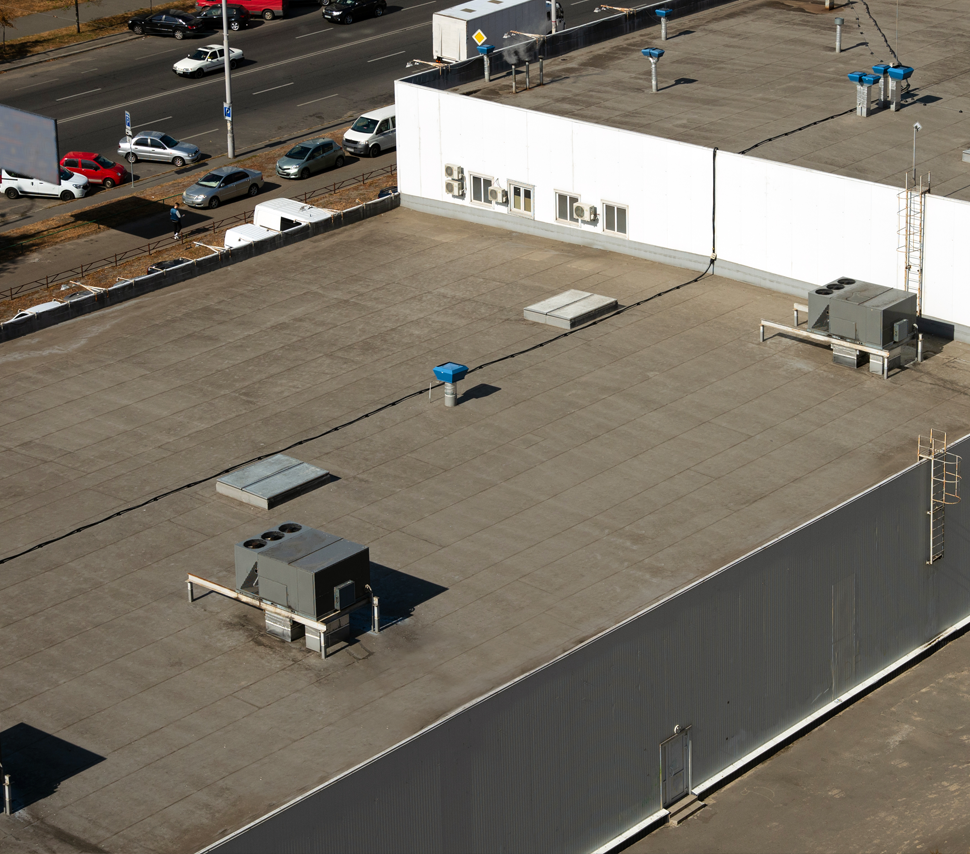
Commercial Roof Plans for Exposed Edges and Water Entry
A loose edge above a Port Orford shop or a recurring leak over inventory needs more than another surface patch. Entry may begin at a panel end, wall, or penetration while most covering remains intact. Coastal exposure belongs in that evaluation. Outlaw Roofing develops repair and replacement recommendations around the roof details and the business activities below.
Commercial services include replacement, repair, and custom metal fabrication. Veteran-owned Outlaw Roofing has more than 10 years of roofing experience. We review the covering, accessible deck, flashing, fasteners, penetrations, and drainage. Recommendations distinguish repairable defects from material or backing that cannot support a dependable connection.
A shop, workshop, office, or lodging property may have little room for roof access without affecting operations. Outdoor stock, vehicles, windows, customer routes, and adjacent structures influence staging. We discuss those constraints before material handling starts. The plan identifies protection and access changes rather than assuming normal operations can continue beneath every phase of removal.
Start with the concern you can observe: a displaced trim piece, a recurring stain, or an aging roof approaching a capital decision. We explain the evaluation and the scope supported by its findings. Call (541) 275-6189 about your Port Orford commercial building and the next appropriate step.
Commercial Roof Problems in Port Orford

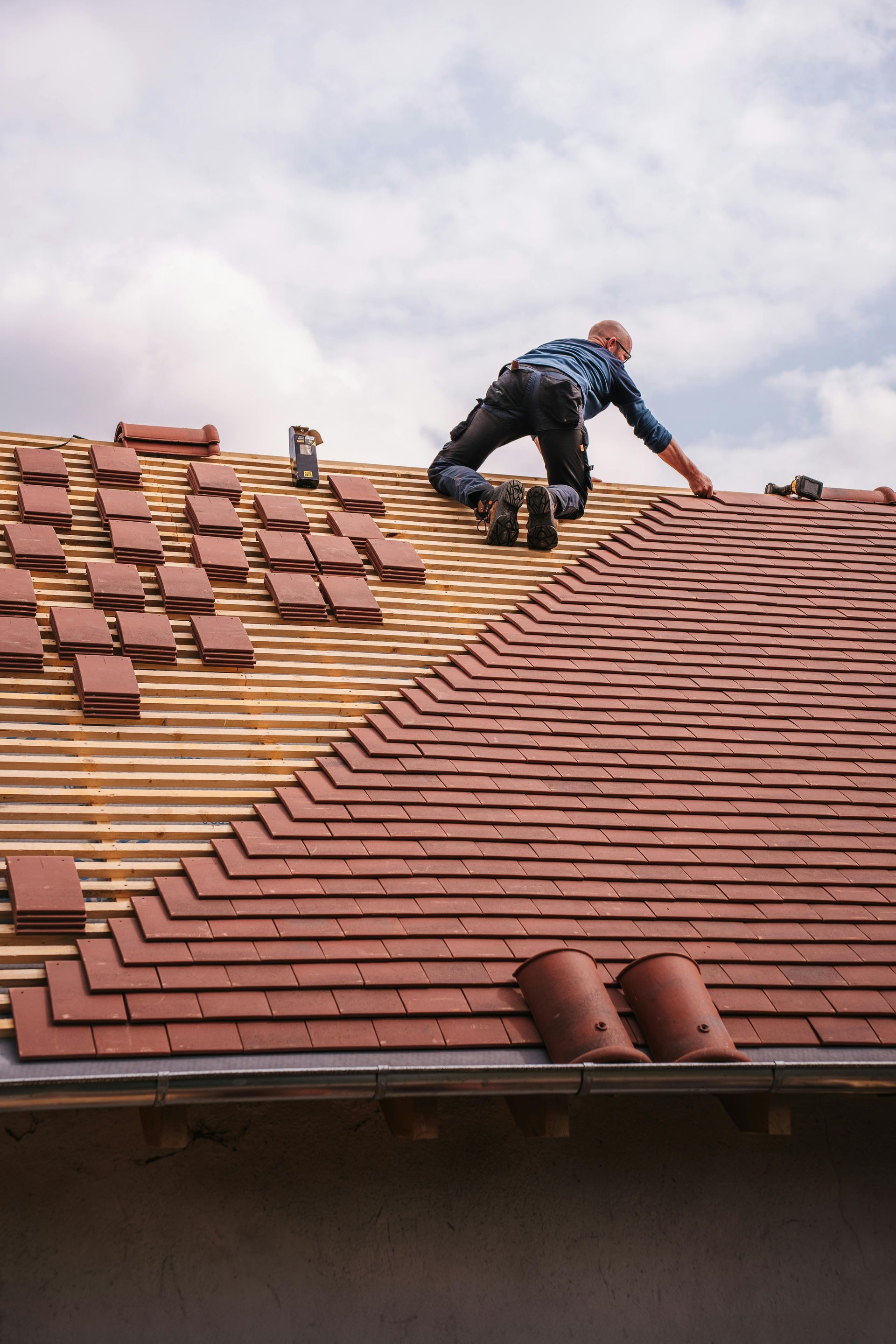
Loose Edge Metal and Failed Attachment Points
Roof corners need sound backing, not merely extra screws through loose metal. Movement may begin at deteriorated support, an unsuitable connection, or adjoining damage. We inspect the edge and surrounding assembly before defining repairs. Replacing trim without correcting its attachment can leave the same weakness beneath a cleaner-looking surface.
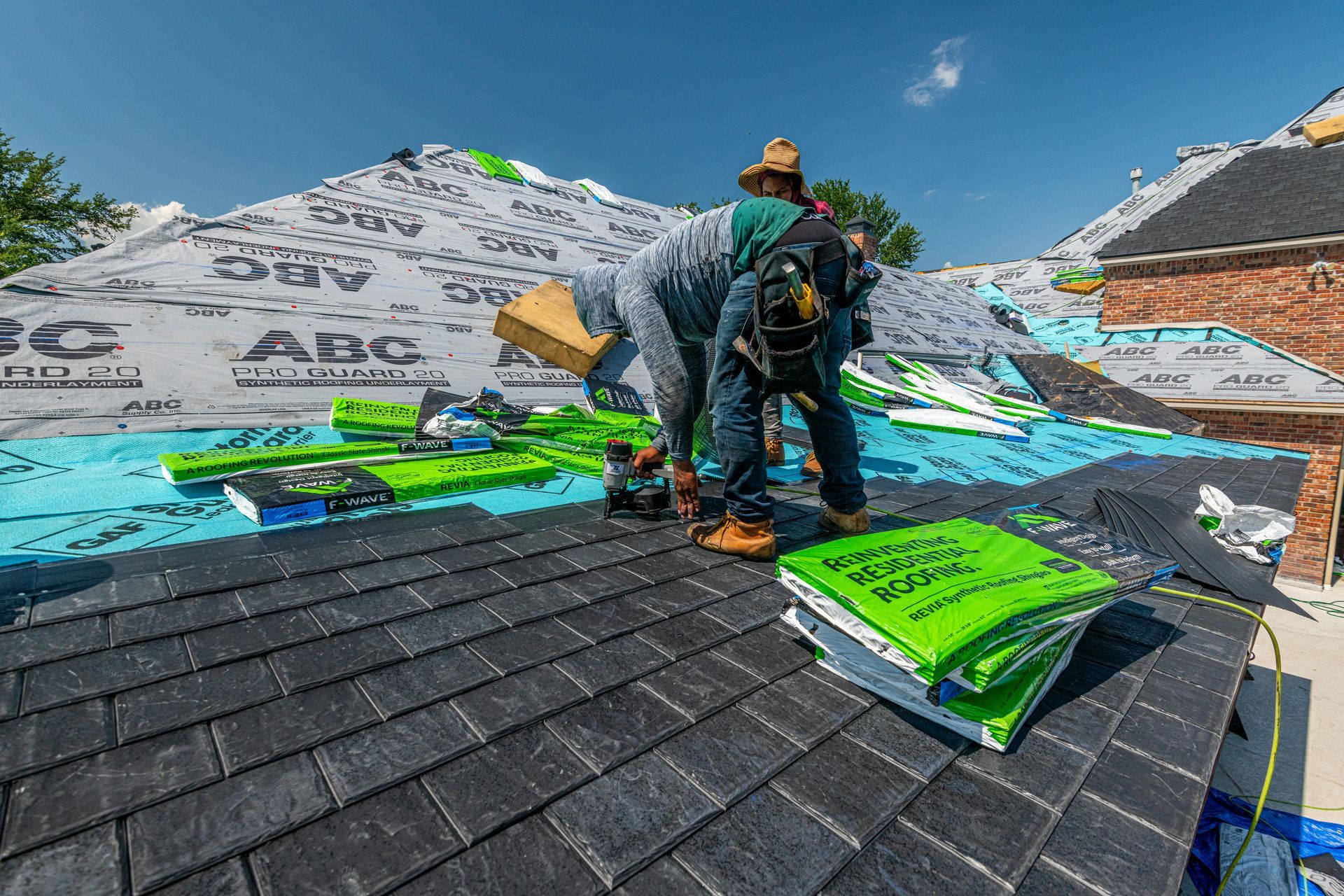
Leaks at Metal Panel Ends and Penetrations
Panel ends, roof openings, and transitions around vents interrupt the metal roof's water path. Worn closures, damaged boots, poorly arranged laps, or restricted movement can produce entry without an obvious hole in the panel field. We examine those connections and the adjoining finish. The repair must match the existing system; spreading a generic sealant over several different materials does not establish compatibility or restore proper layering.
Warning Signs Above Commercial Spaces
Moving Trim, Loose Caps, or Sudden Metal Noise
New rattling during gusts, a lifted corner, or a displaced wall cap warrants attention even when the interior remains dry. Keep people away from the area below possible falling material. Note the location from the ground and call for an evaluation. Do not send staff up a ladder to add fasteners; the underlying connection may require a more complete correction than the visible movement suggests.
Water Stains That Return After Earlier Repairs
A stain recurring beside the same wall or beneath the same roof opening may indicate that an earlier patch addressed the symptom rather than the entry path. Record its timing, size, and relationship to weather or equipment use. Keep previous repair photos available. Comparing those records with the roof layout helps identify whether the connection failed again or water is arriving from another source. An intermittent leak can still wet backing between storms; a dry room on inspection day does not erase that pattern.
Damp Contents, Rust Marks, or Deteriorating Interior Finishes
Moisture above a stockroom can damage contents before someone notices an active drip. Rust staining, peeling finishes, or damp insulation in an accessible area can provide useful clues, but none identifies the source by itself. Photograph conditions only from safe positions. Suspect ceilings, wet electrical areas, and inaccessible roof spaces require appropriate professional attention rather than exploratory work by employees. Report affected contents and restricted rooms when arranging access so the inspection begins with the necessary safety information.
How We Approach Port Orford Commercial Roofing
Review Exposure, Roof Details, and Building Use
We identify the owner's concerns, available roof records, repair history, and operating needs. Accessible edges, panel or covering condition, wall connections, penetrations, and drainage are inspected alongside relevant interior observations. Ladder positions, material routes, nearby glazing, outdoor stock, and shared access are also considered. These findings establish both the roofing questions and the site constraints that the proposal must address.
Explain the Repair Boundary or Replacement Scope
We describe which material will be removed, retained, or replaced and how new work connects with the existing roof. Confirmed defects are separated from concealed questions. The proposal explains documentation and approval for additional damage discovered during opening. Where repair remains viable, its limits are stated so the owner understands what is being corrected and what older components will remain in service.
Check Requirements and Arrange Project Access
The building address and proposed work determine which permit, inspection, and owner approvals need confirmation before installation. Responsibilities are identified in the project arrangements. We also discuss equipment access, restricted areas, and coordination with other contractors where relevant. Materials and work sequencing follow those decisions rather than treating an occupied workshop and an empty commercial building as identical projects.
Protect Open Sections and Complete Connections
Controlled collection areas and property protection are established before roofing is removed. Sections are opened according to the ability to inspect, repair, and secure them within suitable weather. Perimeter attachment, wall flashing, and penetrations receive attention as the assembly is rebuilt. The owner is advised of access changes and conditions that affect the agreed scope instead of discovering them after the area has been closed.
Check the Finished Assembly and Work Areas
We review the completed details within the contract and remove roofing debris from affected roof and ground areas. Magnetic sweeps address loose ferrous fasteners where appropriate. Entrances, parking, and material routes are checked before restrictions are lifted. Closeout information identifies completed work, retained components, and applicable maintenance or warranty documents for the materials actually used.
Commercial Roof Materials for Port Orford
Shingles for Suitable Pitched Buildings
Architectural shingles can be appropriate for pitched offices, shops, and smaller commercial structures. A sound assembly includes the correct starter, fastening, underlayment, flashing, and ventilation where required by the design. We assess deck condition and roof geometry before proposing the covering. A visually similar shingle does not resolve an unsuitable low-slope transition or damaged backing beneath the material.
Standing-Seam Panels and Custom Metal Details
Custom metal fabrication allows roof trim to be considered with the panels and the building's actual dimensions. Standing-seam systems still need appropriate attachment, movement allowance, closures, underlayment, and penetration details. Exposure informs component and finish selection. We evaluate the proposed assembly as a whole rather than imply that concealed fasteners or a heavy-looking panel automatically solve every coastal roofing problem.
Compatible Underlayers and Low-Slope Connections
The supporting layers must suit the selected covering and the roof's water path. Existing low-slope areas require identification of their material, substrate, drainage, and insulation where present. Repair products cannot be assumed compatible because they adhere initially. The written proposal should specify the system offered and separate any additional specialist scope instead of promising one universal method for every roof surface.
Commercial Roof Repair or Replacement?
Repair Within a Sound, Workable Boundary
Limited panel damage, one failed boot, or a short flashing defect may be repairable when adjoining material and attachment support remain serviceable. We assess whether the repair can extend far enough to establish proper laps and fastening. The owner receives an explanation of the boundary and retained conditions. A successful limited scope depends on the surrounding assembly, not simply the size of the visible opening.
Replace When Local Repairs Are No Longer Dependable
Broad material failure, repeated leaks, damaged backing, or compromised edges across several sections can make continued patching impractical. Replacement exposes the connections and substrate that local repairs leave hidden. We explain which conditions drive that recommendation and whether a partial replacement can end at a sound separation. The choice should be supported by findings rather than an unsupported remaining-life estimate.
Port Orford Exposure and Roof Performance
Open Coastal Views and Property-Specific Exposure
Port Orford's coastal setting includes Battle Rock, nearby headlands, and its working waterfront. A commercial roof with an open ocean-facing edge may have different exposure from one screened by adjacent structures. Those surroundings guide where to look, but the actual attachment and material condition control the recommendation. We assess the building rather than assign identical roofing needs to every property within the city.
Marine Exposure at Finishes, Fasteners, and Trim
For metal components exposed to marine conditions, attention belongs at damaged finishes, cut edges, laps, and compatible fasteners. Corrosion can be localized, so inspection should establish its extent and whether backing remains sound. The solution may involve a defined component repair or a broader assembly decision. No roofing metal should be presented as maintenance-free simply because it is installed near the coast.
Rainwater Paths Around Walls and Roof Projections
Parapets, equipment, and changes in roof height can concentrate runoff or create places where debris collects. Persistent wetting at one connection deserves investigation even when most of the surface dries. We follow the accessible water path toward its outlet and distinguish blockages from damaged material. Correcting a roof covering without reviewing the adjacent drainage can leave the conditions behind a recurring leak unchanged.
Commercial Buildings With Different Roof Assemblies
A Port Orford shop may combine a pitched front roof with a lower storage addition, while a workshop may have long metal panels and several exhaust openings. Lodging or office buildings can include covered entrances and multiple roof levels. These are distinct assemblies, not one uniform surface. We identify material changes and shared water paths so the scope addresses the connections between them.
Illustrative Port Orford Scenario — A Leaking Metal Edge
Consider a workshop with rain marks along one exterior wall after several attempts to reseal its roof edge. The panel field might remain usable while deteriorated backing, a loose trim connection, and an incorrectly arranged lap admit water at the perimeter. A sound investigation checks those parts before recommending more sealant or complete replacement. A repair could require opening a defined edge section and rebuilding its support. This example illustrates the decision process; it is not a claimed local project.
What Outlaw Roofing Brings to Your Roof Project
- Attention to Attachment Beneath the Visible Finish
We look beyond the part an owner can see from the ground. A replacement cap or trim piece needs suitable backing and integration with adjacent material. The recommendation explains whether the work addresses a surface component, its support, or both. That distinction matters when comparing bids that describe the same visible repair but include very different work underneath it. We also identify which adjoining sections must be opened to reach the failed connection.
- Metal Fabrication Connected to the Full Roofing Scope
Fabricated trim is useful when its dimensions, laps, attachment, and water path fit the roof being repaired or replaced. We consider those details with the covering and underlayers rather than treat new metal as a decorative finish. The scope clarifies where it will be installed and how it connects. Good-looking trim alone cannot compensate for an unresolved wall or roof junction.
- Roofing Experience and Project Documentation
Outlaw Roofing is a GAF-certified, veteran-owned roofing contractor with more than 10 years of experience. Each commercial project still requires a clearly defined assembly and written scope. Credentials should not be taken as a promise that every material has the same warranty. We keep the discussion tied to the work offered, its requirements, and the applicable documentation the owner will receive.
- Protection for Inventory, Glazing, and Shared Routes
Roof access and debris handling are planned around the areas most exposed to disruption. Outdoor inventory, display windows, customer entrances, and delivery routes may need relocation or protection. We discuss those needs with the property contact before work begins. Cleanup includes affected access areas, with attention to small sharp debris that could remain after the larger tear-off material has been collected.
- Repair Records That Remain Useful After Closeout
Owners receive explanations that connect observed conditions to proposed work. Photographs help document damage, changes, and areas retained outside the repair. Keeping that information together makes later inspections more useful and reduces uncertainty when a tenant or manager changes. The record should distinguish completed corrections from maintenance recommendations and any conditions that could not be fully evaluated during the project.
Commercial Roofing Cost Factors in Port Orford
The estimate depends on the work required to produce a sound assembly, not only the visible surface area. Material, roof height, removal layers, deck condition, fabricated details, drainage, and access affect scope. Operating restrictions can change material handling and protection needs. We explain these factors and the process for approving concealed repairs so the owner can compare complete proposals rather than unmatched opening totals.
Building Height and Constrained Handling Areas
Narrow access, nearby structures, overhead obstructions, and limited parking can affect loading and debris collection. A roof above active work areas also requires careful planning of protected routes. Those constraints influence labor and equipment requirements. The proposal should identify them early so the owner understands how the site contributes to the price and which areas must be cleared before work starts.
Panel Layout, Fabricated Trim, and Complex Connections
Long panel runs, changes in roof height, wall intersections, and numerous penetrations add detailing beyond a simple open roof plane. Fabricated parts require dimensions and connections suited to the actual assembly. A comparison should establish whether those details are included or whether old trim is assumed reusable. Omitting critical transitions can reduce the quoted price without producing an equivalent finished roof.
Backing Repairs and Conditions Hidden by Earlier Work
Loose metal can conceal deteriorated wood, and old patches can hide the original water path. Opening the affected area may reveal work that a surface inspection could not confirm. We explain how those findings are documented and approved before proceeding. The budget should separate visible repairs from possible substrate correction rather than silently include every uncertainty or pretend none exists.
Required Reviews and Related Building Work
Project approvals and tasks outside the roofing scope can affect both timing and cost. These may include equipment coordination or work on adjacent materials, depending on the building. Requirements must be checked for the address and proposed correction. The contract should identify responsibilities and exclusions so an owner does not mistake a roofing proposal for every associated building improvement.
Inspection Priorities on Port Orford Commercial Roofs
Perimeter Fastening, Caps, and Accessible Roof Fields
We inspect for movement, open laps, damaged finishes, missing components, and deterioration at the roof edge. Adjacent covering and visible backing indicators help determine whether a localized repair is practical. Drainage outlets and nearby debris are reviewed as well. An apparently small loose piece may require more investigation when the supporting material or adjoining connection has also been compromised.
Penetrations, Panel Ends, and Roof-to-Wall Flashing
Openings and wall junctions are checked for worn collars, poorly layered flashing, restricted movement, and excessive reliance on exposed sealant. Prior repair materials can obscure the original assembly. We identify the accessible evidence and explain whether opening a limited area is needed. The recommendation follows the water path rather than assume the most visibly patched location is always the current leak source.
Concealed Moisture Clues and Inspection Limitations
Interior staining and accessible underside observations help relate roof details to the business space below. Moisture can also originate from equipment, condensation, or wall entry. A visual roof review does not certify that every hidden layer is dry. Where the cause or extent remains uncertain, the next investigation is identified before the owner is asked to treat a preliminary finding as a complete diagnosis.
Managing a Commercial Roof's Service Life
Evaluate Repairability Before Assigning a Replacement Date
The decision to retain roofing depends on its condition, drainage, connection quality, and available repair boundaries. Age and previous invoices provide context but do not establish remaining service by themselves. We explain the findings supporting repair or replacement and the limitations of either approach. That gives the owner a reasoned maintenance or capital plan without an invented lifespan prediction.
Keep Small Metal Details in the Maintenance Plan
Clips and primary fasteners may be concealed, but roof edges, closures, flashing, sealant joints, and exposed finishes still need observation. Damaged coatings and loose trim should not be ignored because the panel field looks sound. Follow the installed system's care requirements and investigate changes promptly. Unapproved repair products or rigidly fastened moving joints can introduce problems rather than prevent them.
Coordinate Roof Access and Record Building Changes
Equipment service, new signs, exhaust alterations, and work on adjoining walls can affect roofing after installation. Keep a record of those changes and arrange appropriate checks of disturbed areas. Drainage should remain clear using methods suitable for the covering. Staff can report new noises, stains, and runoff problems from safe locations without being made responsible for accessing or repairing the roof.
Quick Answers — Port Orford Commercial Roofing
Is new sealant enough for a rattling metal roof edge?
Not when the cause is loose attachment, damaged backing, or a poorly integrated connection. The visible joint and the support beneath it need inspection. Sealant may be part of an appropriate detail, but it does not replace sound fastening. Keep people away from the affected area and arrange evaluation before movement damages adjoining components.
Can roof trim be replaced while the main covering stays?
Replacing trim alone may work when the roof and backing are sound and a proper tie-in is possible. More than the damaged piece may need opening. We explain the repair limits so new metal does not hide old damage beneath it.
Does every metal roof leak begin at an exposed screw?
No. Panel ends, closures, penetrations, seams, and wall connections can also admit water. The route may be concealed beneath overlapping material. Inspection should consider the full assembly and the pattern of interior symptoms. Adding screws or sealant wherever a leak seems likely can restrict movement or create new openings without correcting the original defect.
What does a parapet cap have to do with an interior leak?
A parapet cap covers the top of a wall above the roof. Failed joints or loose components can let moisture enter the wall and appear inside below. Roof-level flashing can be involved as well. Both connections need consideration before selecting a repair, because replacing the roof field alone may leave the wall entry unchanged.
What should I report when requesting an urgent repair?
Describe the building address, visible damage, active water entry, and any unsafe access or falling-material concerns. Keep occupants away from affected areas. Outlaw Roofing offers emergency roof repairs for urgent calls. Safe access, conditions, and availability determine the response and whether initial weather protection or a defined permanent repair is appropriate.
Port Orford Commercial Roofing Services
Roof Condition and Repair-Scope Reviews
We connect visible defects, leak history, material condition, and building access to a practical next step. Owners receive an explanation of the roof questions that need answering before approving repair or replacement. Discuss a Commercial Assessment
Replacement With Defined Assembly Details
Roof replacement planning includes removal, substrate findings, approved corrections, the selected covering, transitions, and cleanup. The scope clarifies which connected areas remain and how the new roof will meet them. Request a Replacement Scope
Commercial Roof and Perimeter Repairs
Localized roof, flashing, and edge repairs need sound surrounding material and appropriate attachment. We investigate the connection and explain the area that must be opened to correct it rather than patching only its visible symptom. Arrange Roof Repair Evaluation
Discuss Your Port Orford Commercial Roof
Before approving another edge patch or planning full replacement, establish what the roof actually needs. Outlaw Roofing will discuss the building, access, observed damage, and an evaluation suited to the proposed work. Call (541) 275-6189 to review your Port Orford commercial roofing request and arrange the next step.
Frequently Asked Questions — Port Orford Businesses
Can dissimilar metals affect a roof repair?
Yes. Metal compatibility matters at fasteners, trim, flashings, and contact points, particularly where moisture is present. The proposed repair should follow the selected system's requirements rather than substitute an available part because it fits. Existing components need review before reuse so the new connection does not introduce an avoidable material incompatibility.
Why does water show up far from the roof opening?
Water can travel along framing, deck surfaces, or other concealed layers before reaching an interior finish. The stain marks where it became visible, not necessarily where it entered. Comparing roof layout, timing, and accessible interior evidence helps guide investigation. Some locations cannot be confirmed without appropriately authorized opening or assessment by the relevant trade.
Can an old patch prevent a proper new repair?
An incompatible or heavily layered patch can obscure details and limit how new work bonds or overlaps. It may need removal so the condition beneath it can be assessed. The repair scope should explain that possibility. Covering every previous patch with another product can leave moisture, weak backing, or the original failed connection unresolved.
Should solar or other rooftop additions be planned before reroofing?
Discuss planned rooftop equipment before finalizing the roofing scope. Attachment locations, access routes, penetrations, and future maintenance can affect the assembly. The appropriate equipment installer and other involved trades should establish their responsibilities. Outlaw Roofing's roofing scope should not be assumed to include solar installation, structural design, or equipment work unless specifically agreed and supported.
Can standing water be fixed by patching the wettest area?
Only identifying the cause can establish the correction. An obstructed outlet, surface depression, or different drainage problem may be involved. A patch can address a material defect but does not automatically create a suitable water path. Keep staff off wet roof areas and request evaluation of the drainage and surrounding assembly before selecting work.
Does custom metal fabrication mean any roof can use metal panels?
No. Fabrication can provide suitable trim and components, but the panel system still needs appropriate pitch, support, geometry, and transitions. Some roof sections require a different assembly. We discuss where metal is practical and where another material or additional evaluation is needed. A custom part cannot make an unsuitable system appropriate for every surface.
How can a business control costs without omitting necessary repairs?
Separate urgent defects from serviceable areas and obtain a written scope with clear boundaries. Review removal, substrate allowances, drainage, flashing, access, and exclusions before comparing totals. A narrower repair can be sensible when it integrates properly. Cutting out essential backing or transition work merely to reach a number can leave the same failure beneath new material.
What should an owner prepare for a Port Orford site visit?
Provide the address, building use, leak records, safe photos, and access restrictions. Name the authorized decision-maker. Outlaw Roofing's primary market is Klamath Falls; discuss travel, scheduling, and your Port Orford project directly. This page does not imply a local office or immediate arrival.
When should a roof be checked after other contractors have visited?
Arrange a review after new penetrations, moved equipment, altered flashing, or debris left near outlets. Report new leaks or noises. Keep photos and contractor records for context. Inspection timing should follow the roof system's requirements and observed conditions, not an arbitrary interval.
How do commercial warranty terms relate to the chosen roof system?
Coverage depends on the product, installation, eligibility, and written terms. Keep applicable workmanship and manufacturer documents with exclusions, maintenance duties, and claim procedures. GAF certification does not establish every commercial warranty. The scope should identify documentation without promising unconfirmed coverage.