Commercial Roof Replacement in Port Orford, OR

Port Orford Commercial Reroofing: Exposed Edges, Metal Corrosion, and Attachment
A commercial roof can look serviceable across its center while failing at the edges. Loose perimeter metal, deteriorated fasteners, and pulling wall flashing can leave a shop, office, or storage building vulnerable during coastal weather. For Port Orford owners, replacement should address the actual exposure and condition of the complete assembly, not just the visible covering. The work may include removing failed materials, repairing approved substrate damage, and renewing the attachment and flashing details that connect the new roof to the building.
Outlaw Roofing is a veteran-owned Southern Oregon roofing contractor offering commercial replacement, repairs, and custom metal fabrication. GAF certification and more than ten years of experience are among the company's stated qualifications. For a Port Orford property, begin with an assessment of loose edges, recurring leaks, corrosion, roof access, and previous repairs. Ask for a written comparison of repair and replacement that identifies retained components, proposed materials, and the conditions that could change the approved scope.
Signs a Port Orford Commercial Roof Needs More Than Sealing

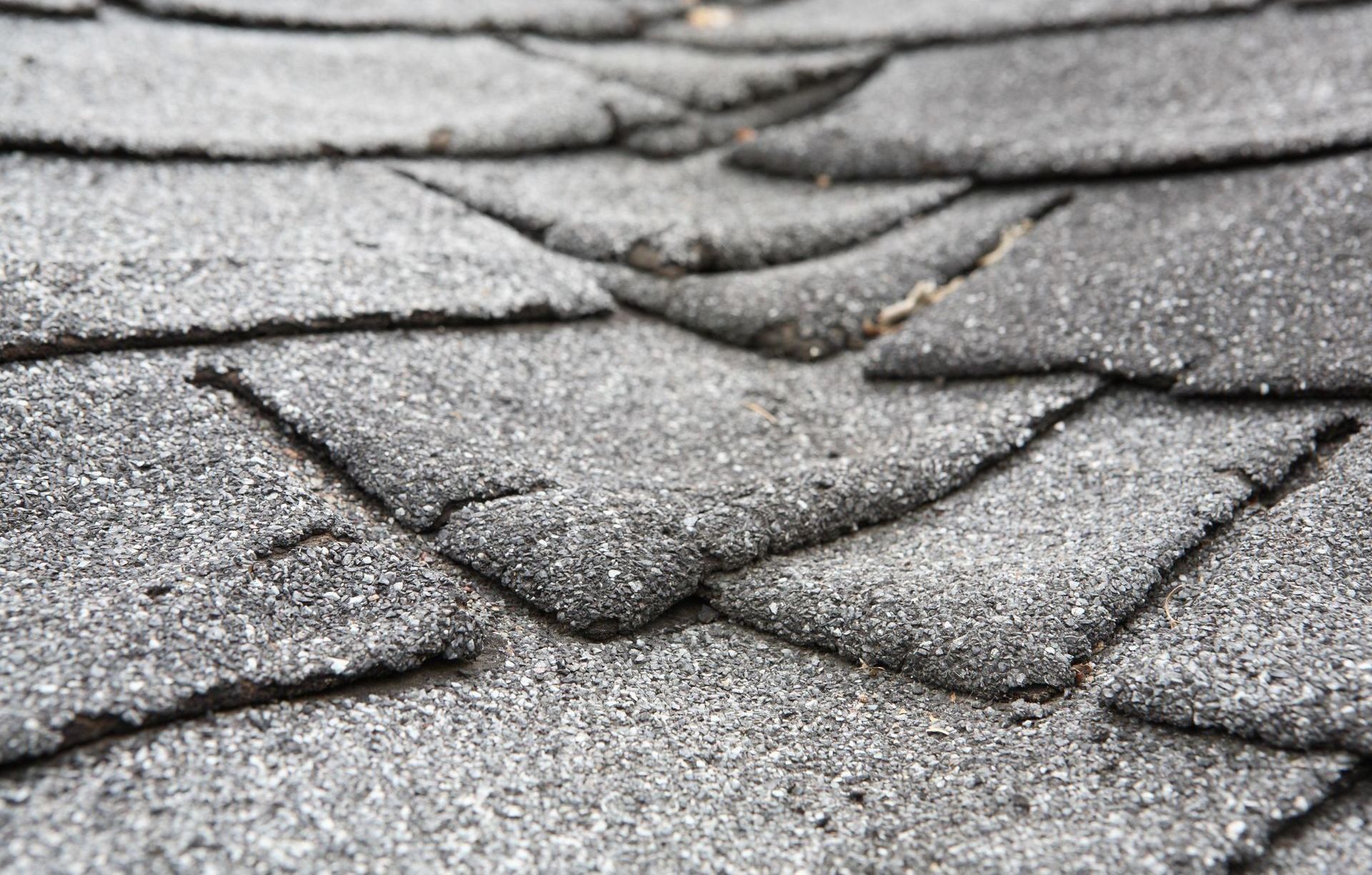
Edge Metal That Lifts, Rattles, or Pulls Away
Movement along the roof perimeter deserves prompt professional review. A loose trim piece may be a contained repair, but repeated movement can indicate deteriorated anchorage or an aging roof assembly. Avoid assuming that adding sealant corrects a component that is no longer securely attached.
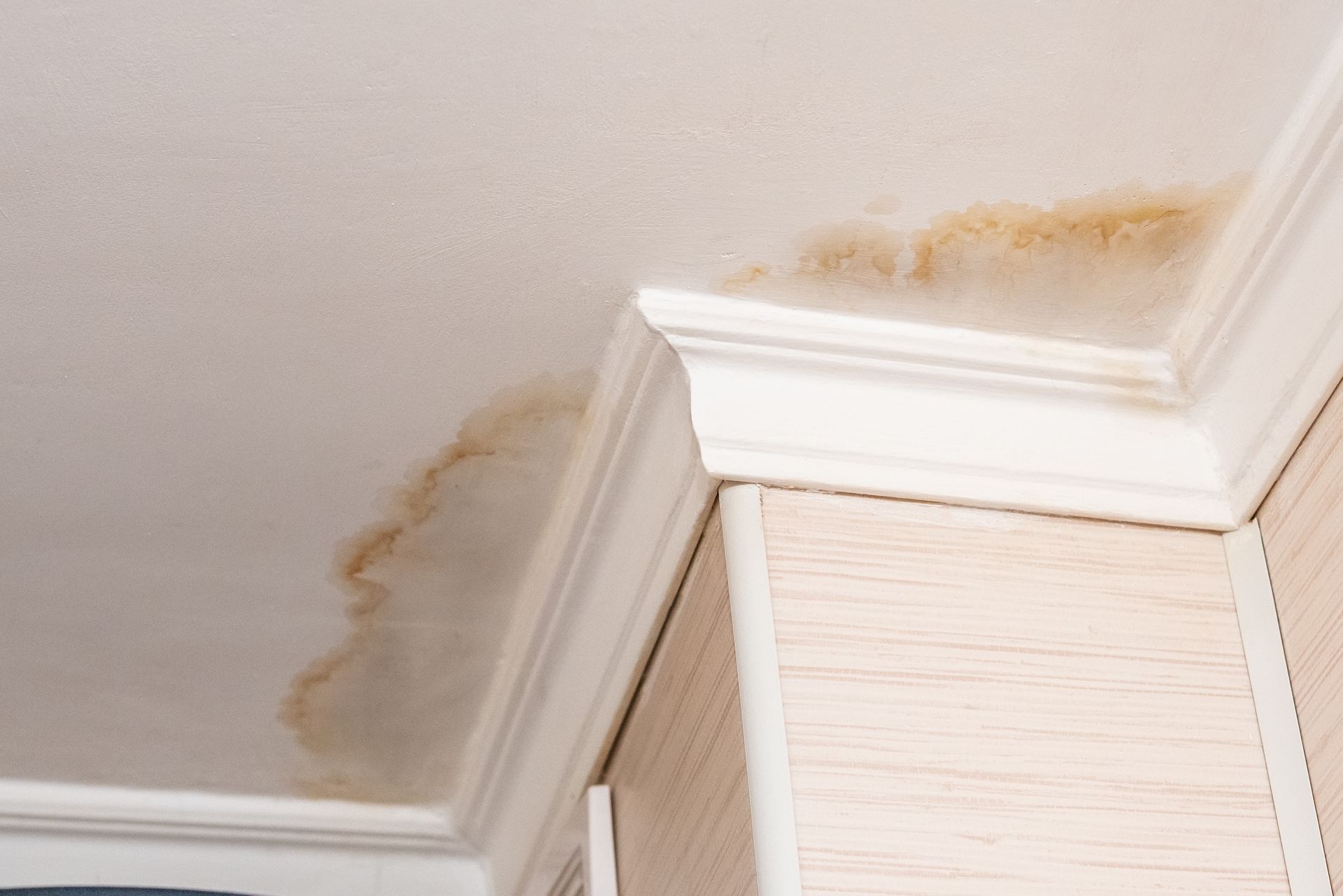
Corrosion at Fasteners, Flashing, and Panel Edges
Rust staining and deteriorated metal can appear around exposed fasteners, cut edges, wall caps, and roof transitions. The location and extent matter more than color alone. Review whether corrosion is superficial or has compromised components that would otherwise be left beneath or beside new roofing.
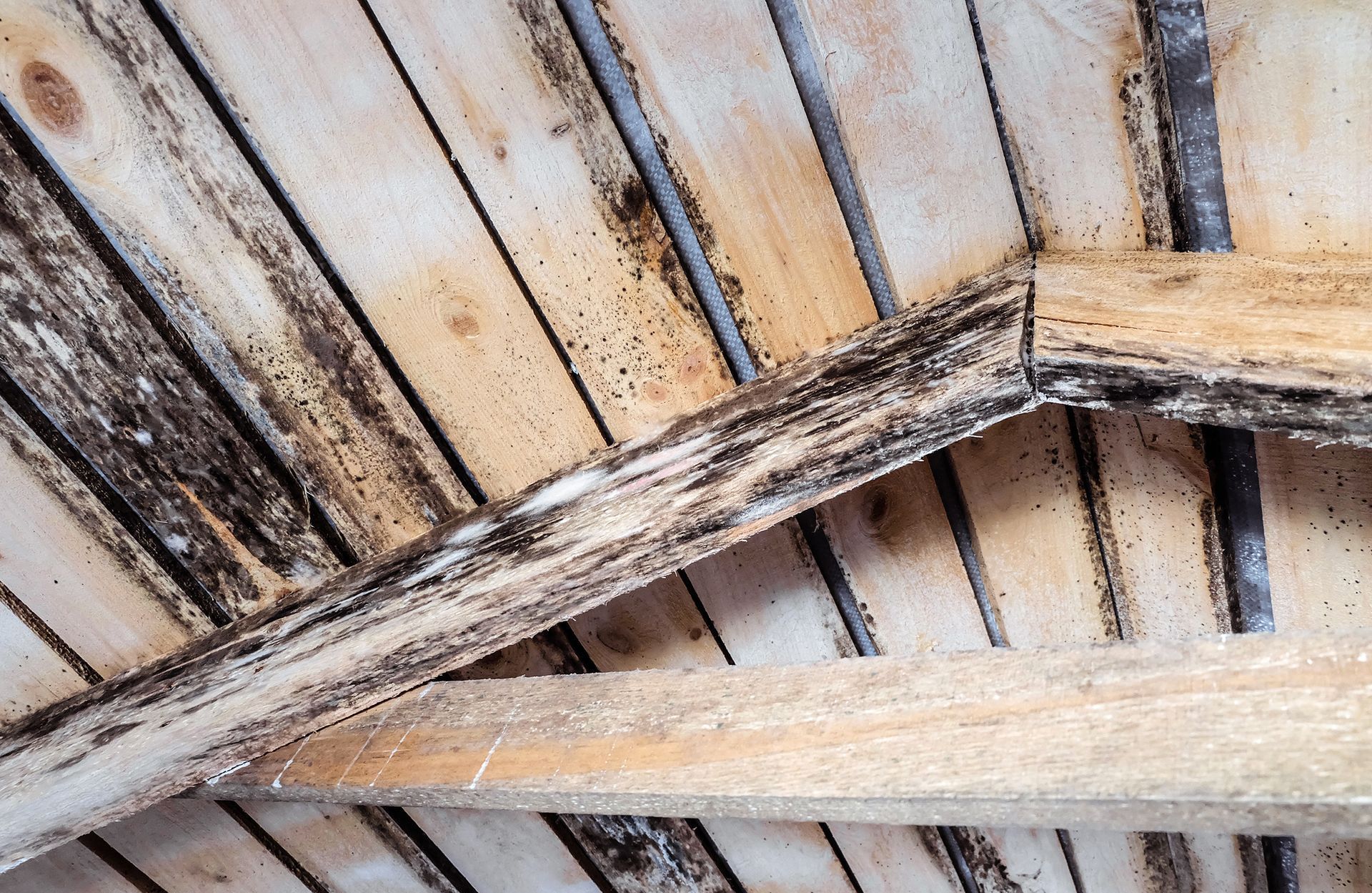
Membrane Pulling at Corners and Wall Bases
A membrane that separates where the roof meets a wall or perimeter needs more than a casual surface check. Failed flashing, movement, or unsuitable attachment may be involved. Widespread distress at these connections can make replacement more practical than repeatedly rebuilding individual patches.
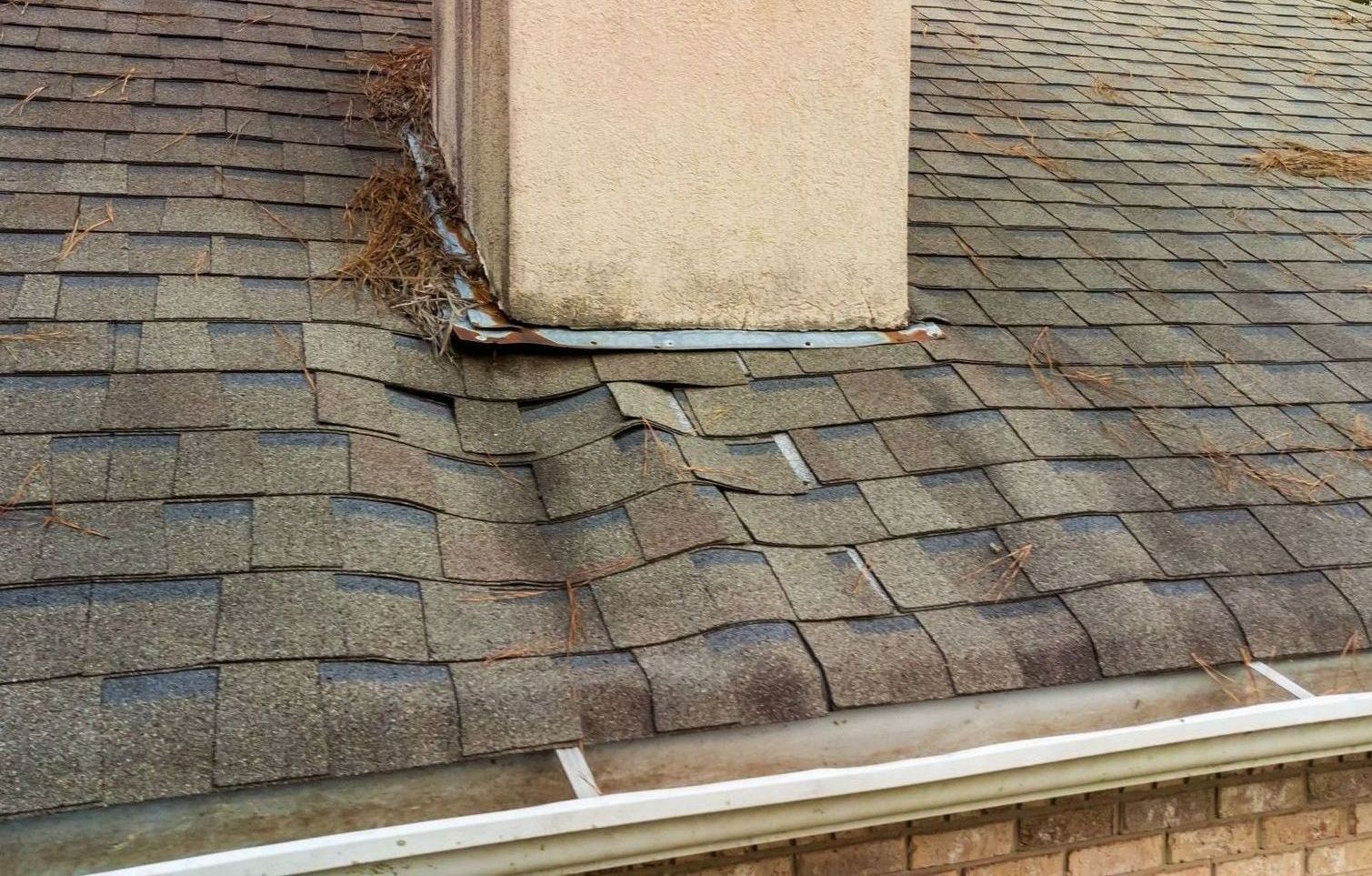
Leaks Returning During Wind-Driven Rain
A roof that stays dry in light rain but leaks during stronger weather may have defects at walls, seams, or exposed edges. Water-entry patterns help guide inspection, but do not prove the exact source. Assess the connections before deciding another visible patch will solve the problem.
Preparing for a Port Orford Commercial Roof Assessment
Report Loose Metal Without Approaching the Roof Edge
From a safe ground location, record where trim appears loose or where unusual rattling is heard. Keep people away from areas beneath unstable components and arrange professional assessment. Do not ask employees to secure material from ladders or during windy conditions.
Photograph Stains and Changes After Weather Events
Keep dated photographs of accessible interior stains, fallen debris, and visible exterior changes. Note wind-driven versus ordinary-rain leaks where you can do so accurately. Records help the evaluator compare roof-edge, wall, and penetration conditions without treating every stain as the same problem.
Identify Building Contents and Material-Handling Routes
Describe stored goods, customer areas, equipment, loading doors, and roof-access restrictions. Supply past repair and installation records when available. The assessment needs to consider both the failing roof and the practical steps required to remove materials without obstructing essential building access.
The Commercial Roof Replacement Process in Port Orford

Step 1 - Exposure, Edges, and Existing Assembly Review
The evaluation records the roof shape, building height, nearby shelter, edge condition, penetrations, and visible deterioration. Review prior repairs and leak patterns alongside those observations. The proposal should identify the selected assembly, retained materials, perimeter work, access arrangements, and concealed-condition approval process.
Step 2 - Controlled Removal and Attachment-Base Inspection
Failed roofing is removed in areas that can be protected within the available weather window. Exposed deck edges and support for perimeter components need particular attention. Deteriorated material should be documented, and additional repair scope approved, before the new assembly conceals those attachment points. Request photographs of damaged support before deciding whether it can remain. The agreement should explain repair pricing and identify who approves additional support work when the owner is not on site. That record should distinguish concealed deterioration from optional improvements requested after work begins.
Step 3 - Restore Sound Support and Prepare the Assembly
Approved substrate repairs provide the base for the specified insulation, underlayment, or other roof layers. Edge support must be suitable for the proposed attachment details. The preparation should also address drainage and roof-to-wall connections; wind-related concerns do not eliminate the need for proper water management.
Step 4 - Install the Covering and Compatible Perimeter Details
Installation connects the chosen roofing with its specified fasteners, seams, edge metal, wall flashings, and penetration details. Metal components need suitable compatibility and exposure limits. A roof's performance depends on those connections, not merely the thickness of the visible membrane or panel.
Step 5 - Review Edges, Clear the Site, and Close Out
The final review should include accessible perimeter details, drainage openings, transitions, and removal of construction debris. Collect the approved repair records and product information. Confirm the applicable written warranty terms and the inspection priorities for exposed components before routine building maintenance resumes.
Commercial Roofing Choices for Port Orford Properties
Low-Slope Membranes With a Defined Attachment System
Membrane roofing can suit low-slope commercial areas when paired with appropriate support, attachment, and flashing. Ask how the proposed system addresses the particular roof and its exposure. Selecting a membrane by name or thickness alone does not establish how the completed assembly will perform.
Standing Seam Metal With Coastal Material Review
Metal may be an option for a suitable sloped building, but not every panel, coating, or fastener is appropriate for ocean exposure. Review manufacturer limitations, compatible trim, movement details, and attachment. Appearance and a general longevity claim are not enough to select the system.
Architectural Shingles on Suitable Pitched Sections
Some commercial offices or mixed-roof buildings have pitched sections appropriate for shingles. Those areas still need compatible starters, edge details, flashing, and an appropriate supporting assembly. A neighboring low-slope roof may require another covering, with a defined connection between the two systems.
When Full Replacement Is More Appropriate Than Edge Repairs
Loose Components May Reflect a Larger Attachment Problem
An individual damaged cap can be repaired when the surrounding support and roof remain sound. Repeated failures along several edges call for a broader review. Replacing trim without checking what holds it to the building can leave the same weak connection beneath new metal.
A New Surface Cannot Renew Hidden Deteriorated Support
Replacement provides access to failed underlying materials and attachment areas that a surface repair cannot reach. Use that access to address approved damage and coordinate compatible components. A new covering installed over unresolved deterioration does not automatically restore the performance of the full roof assembly.
Port Orford Coastal Exposure and Roof Replacement Details
Open Sites Need Building-Specific Perimeter Planning
Coastal buildings have different amounts of shelter. An open shoreline site and a property protected by surrounding development need separate evaluation. Match attachment details to the actual exposure, roof geometry, and supporting construction.
Salt Exposure Changes the Metal Selection Conversation
Salt and moisture can accelerate corrosion of unsuitable components. Review panels, caps, fasteners, finishes, and exposure restrictions together. Incompatible connections or damaged coatings can matter as much as the metal itself.
Port Orford Commercial Buildings and Project Logistics
Port Orford has a working port alongside shops, lodging, and other businesses. Each property's roof type and use should guide replacement planning. Loading access, customer parking, neighboring buildings, and secure material storage can shape the work sequence. Assess those constraints before scheduling rather than assuming every commercial property has unrestricted staging space.
A Port Orford Example: An Exposed Shop With Recurring Edge Leaks
Consider a hypothetical shop and storage building where perimeter metal rattles and leaks return near the front wall during wind-driven rain. Several surface repairs are visible. A covering-only quote could leave corroded caps, deteriorated edge support, and the wall connection outside the replacement price.
A complete scope would examine edge support, identify retained and replaced components, and specify compatible attachment and flashing. It would define loading-door protection and concealed-damage approval. The owner could then compare complete assemblies and access plans instead of incomplete surface prices.
What to Confirm With Outlaw Roofing Before Replacement
- Perimeter Work and Access Included in the Written Scope
Outlaw Roofing discusses roof materials, connections, access, and potential changes before mobilization. Ask which metal and support components are included in the replacement. Confirm where deliveries, removal equipment, and protected access will be located so the project boundaries are understood before work starts.
- Oregon Contractor Record - Outlaw Roofing CCB#236299 oregon.gov/ccb
Outlaw Roofing identifies Oregon CCB#236299 in its company materials. Check the current Construction Contractors Board record and match the contractor name and number to the agreement. Make this part of proposal review rather than relying on an older document to establish current status.
- GAF Credential With Assembly-Specific Documentation
Outlaw Roofing is GAF certified. For a commercial replacement, request the actual material specifications, attachment requirements, and applicable warranty documents for the selected assembly. Do not assume that a general credential establishes a particular wind rating, coating warranty, or coverage for retained components.
- Commercial Review Requirements and Scope Responsibility
Ask the authority responsible for the address what review or permits the proposed work requires. Replacing a covering and changing supporting construction are not necessarily the same scope. Establish who obtains required approvals and any design information before the removal date is set.
- Findings That Explain Repair Versus Replacement
The recommendation should connect visible edge movement, corrosion, covering condition, and underlying-material concerns. Ask which components remain usable and which need removal. A sound isolated detail may justify repair, while deterioration across several connected areas may support a more comprehensive replacement plan.
Commercial Roof Replacement Cost Factors in Port Orford
Simple Roof Shapes With Usable Supporting Materials
A straightforward roof with clear access and sound underlying construction generally presents fewer variables. Even then, compare the included perimeter details, penetration work, removal layers, and waste handling. A short material description may leave important differences between otherwise similar-looking proposals.
Complex Edges, Wall Connections, and Mixed Coverings
Parapets, roof-height changes, multiple penetrations, and transitions between metal and membrane require more detailing. Each connection adds measurements, compatible components, and installation work. Restricted access at an occupied shop can also affect setup, protection, and the sequence used to complete those details.
Corrosion, Damaged Edge Support, and Material Changes
Deteriorated fastener bases, concealed decay, or unsuitable retained metal can expand the replacement scope. Selecting components appropriate to actual salt exposure may also change material choices. Define how newly exposed damage will be documented and priced before approving a proposal that leaves these conditions uncertain.
What a Port Orford Commercial Roof Review Should Examine
Corners, Perimeter Metal, and Their Supporting Bases
Review visible movement, open joints, corrosion, and the condition of accessible attachment areas. A cap that looks intact may still depend on unsuitable support beneath it. The assessment should identify where further investigation is needed before retained edge components can be accepted.
Metal Compatibility, Wall Flashings, and Penetrations
Examine the places where panels, fasteners, wall caps, and other roof materials meet. Look for deteriorated finishes, repeated sealing, and openings around equipment or pipes. Specify compatible replacement details instead of assuming that every serviceable-looking piece of existing metal can remain.
Moisture Evidence and the Rest of the Water Path
Edge concerns should not distract from drainage or concealed moisture. Compare roof findings with interior stains, repair records, and the condition of outlets. Authorized investigation may be necessary to distinguish isolated defects from deterioration within the layers supporting the proposed new covering.
Service-Life Planning for Port Orford Commercial Roofing
Membrane Roofs Depend on Details Beyond the Field Surface
The performance of a membrane roof depends on its attachment, substrate, drainage, seams, and perimeter connections. Ask how those components will be maintained and how future equipment work should be managed. A material warranty is not a guarantee that every roof detail remains maintenance-free.
Metal Roofs Need Exposure-Suitable Components and Upkeep
Discuss expected performance using the actual metal, coating, fasteners, and exposure restrictions proposed for the building. Coastal suitability varies between products and locations. Inspect finishes and connections as directed, and avoid treating a general metal-roof lifespan as a promise for this property's assembly. Ask how the manufacturer defines salt exposure and whether the proposed finish is eligible at this address. Keep that written clarification with the product warranty rather than relying on a verbal description.
Monitor Edges and Corrosion Before Problems Spread
Arrange safe periodic review of exposed edges, outlet metal, flashing joints, and finishes, including after significant weather. Keep records of changes and repairs. Qualified personnel should use methods suitable for the installed materials; unapproved sealants, fasteners, or cleaning can complicate later maintenance.
Quick Answers - Port Orford Commercial Roof Replacement
Frequently Asked Questions - Port Orford Commercial Reroofing
Commercial Roofing Options in Port Orford
Port Orford Commercial Roof Replacement
Replacement planning for worn coverings, recurring perimeter leaks, compromised support, and deteriorated roof connections. Compare the complete assembly, compatible metal details, and site-access requirements before choosing a proposal for the building.
Commercial Roof Assessments for Port Orford Owners
Condition reviews that consider exposed edges, corrosion, flashings, drainage, and the history of repairs. Request a clear distinction between confirmed defects, conditions needing further investigation, and components that may remain serviceable.
Port Orford Commercial Roof Repair
Repair evaluation for localized flashing damage, isolated leaks, or a contained attachment issue on otherwise usable roofing. The correction should match the existing assembly and address why the component failed rather than simply cover the symptom.
Commercial Metal Roofing and Custom Fabrication
Outlaw Roofing provides custom metal fabrication for project-specific roofing details. Review material compatibility, dimensions, attachment, and exposure restrictions when selecting new metal roofing or replacement flashing components for a commercial property.
Request a Port Orford Commercial Roof Replacement Assessment
Provide Outlaw Roofing with the property address, photographs taken safely from accessible areas, leak history, and any concerns about loose or corroded roof components. Ask for a written plan covering repair versus replacement, perimeter details, materials, and access. Use the contact form to arrange the next step around the building's actual condition.