Commercial Roof Repair in Port Orford, OR

Port Orford Commercial Roof Repair: Inspect Loose Edges, Corroded Connections, and Wind-Driven Leak Paths
A lifted metal edge or leak that appears only during windy rain deserves more than another surface patch. On a Port Orford commercial roof, the failed connection may be a cap joint, panel fastener, membrane termination, or equipment flashing while most of the covering remains usable. Outlaw Roofing examines both the water-entry point and the support holding that detail in place. The goal is to determine whether a defined repair can restore the connection or whether deterioration extends far enough to require a larger section of work.
Commercial roof repair addresses a damaged part of an existing system rather than automatically replacing the whole roof. On metal roofing, that can mean correcting a penetration, replacing a failed flashing component, or addressing a limited panel connection. On a low-slope assembly, it may involve membrane, perimeter, or curb work. Every approach depends on material identification, sound attachment, and a reliable connection to the roof being retained.
Loose roofing can create concerns beyond an indoor drip. An unsecured component above a customer entrance, work yard, or loading area needs prompt professional assessment. Keep staff and visitors away from visibly affected areas, and record changes from a safe location. Water that reaches insulation, decking, or ceiling materials can also enlarge the eventual scope. Waiting until a component falls or an entire ceiling becomes wet gives the problem more room to develop.
A written repair plan should explain what failed and why the proposed work reaches a sound stopping point. Replacing one washer is not enough when the surrounding panel has deteriorated, just as replacing a whole roof may be unnecessary for an isolated flashing defect. We identify the removal area, support condition, appropriate materials, and approval process for hidden damage. Access and business activity below the work are part of that discussion, not an afterthought.
Outlaw Roofing provides commercial roof repair, replacement, and custom metal fabrication as a veteran-owned Southern Oregon contractor operating under CCB#236299. Call (541) 275-6189 to discuss your Port Orford building's roof condition and arrange an evaluation of the repair options.
Commercial Roof Defects to Investigate in Port Orford

Lifted Edge Metal and Loose Parapet Caps
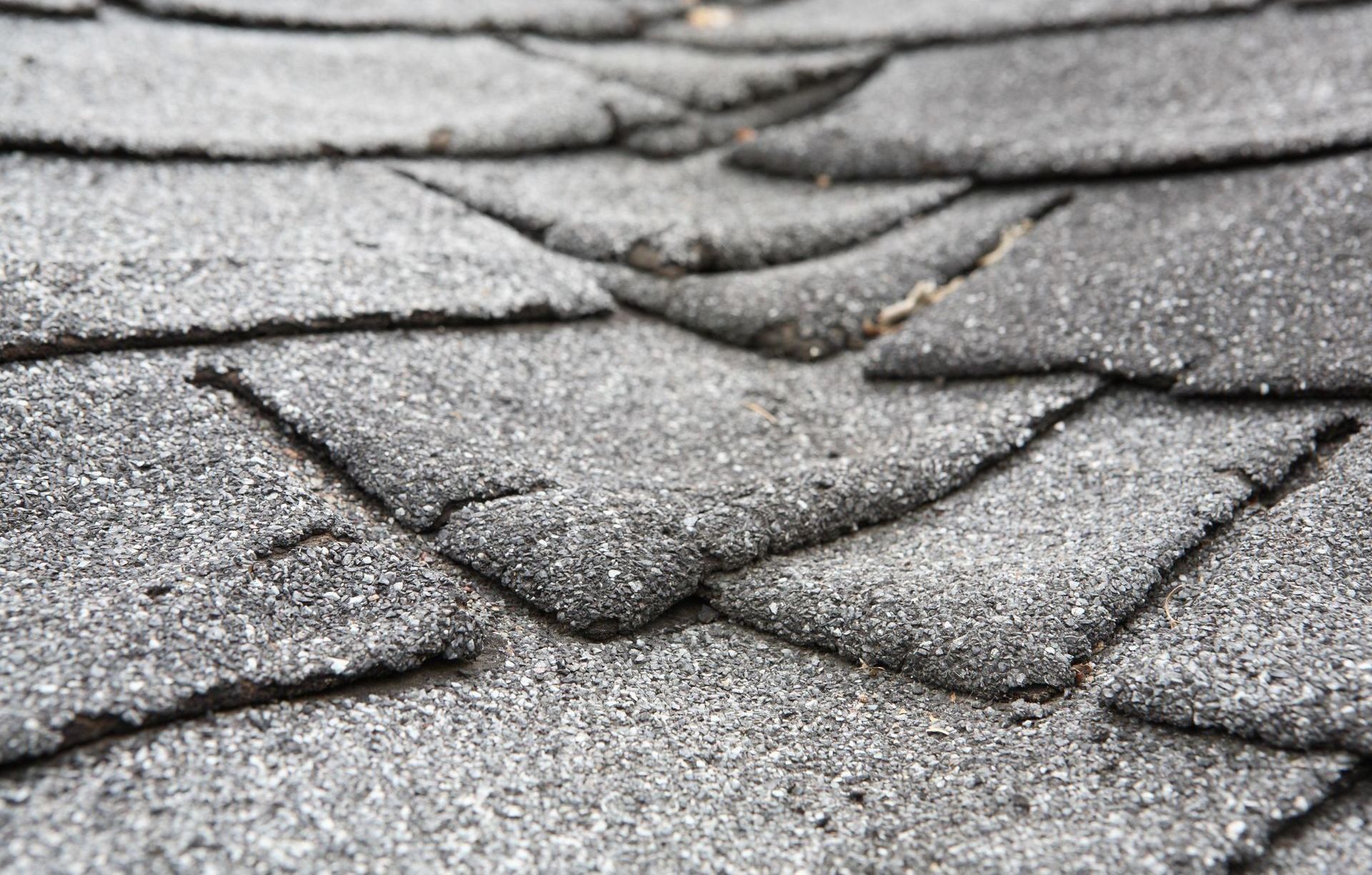
Metal at a roof edge or wall top can move when its attachment or underlying support deteriorates. Wind-driven rain may enter through the resulting joint even before a piece comes free. We inspect the cap, connections, and backing rather than treating the exposed metal as an isolated cover. The repair must restore the assembly that holds and drains the detail, not just press it back into place.
Corrosion Around Fasteners, Panel Ends, and Metal Joints
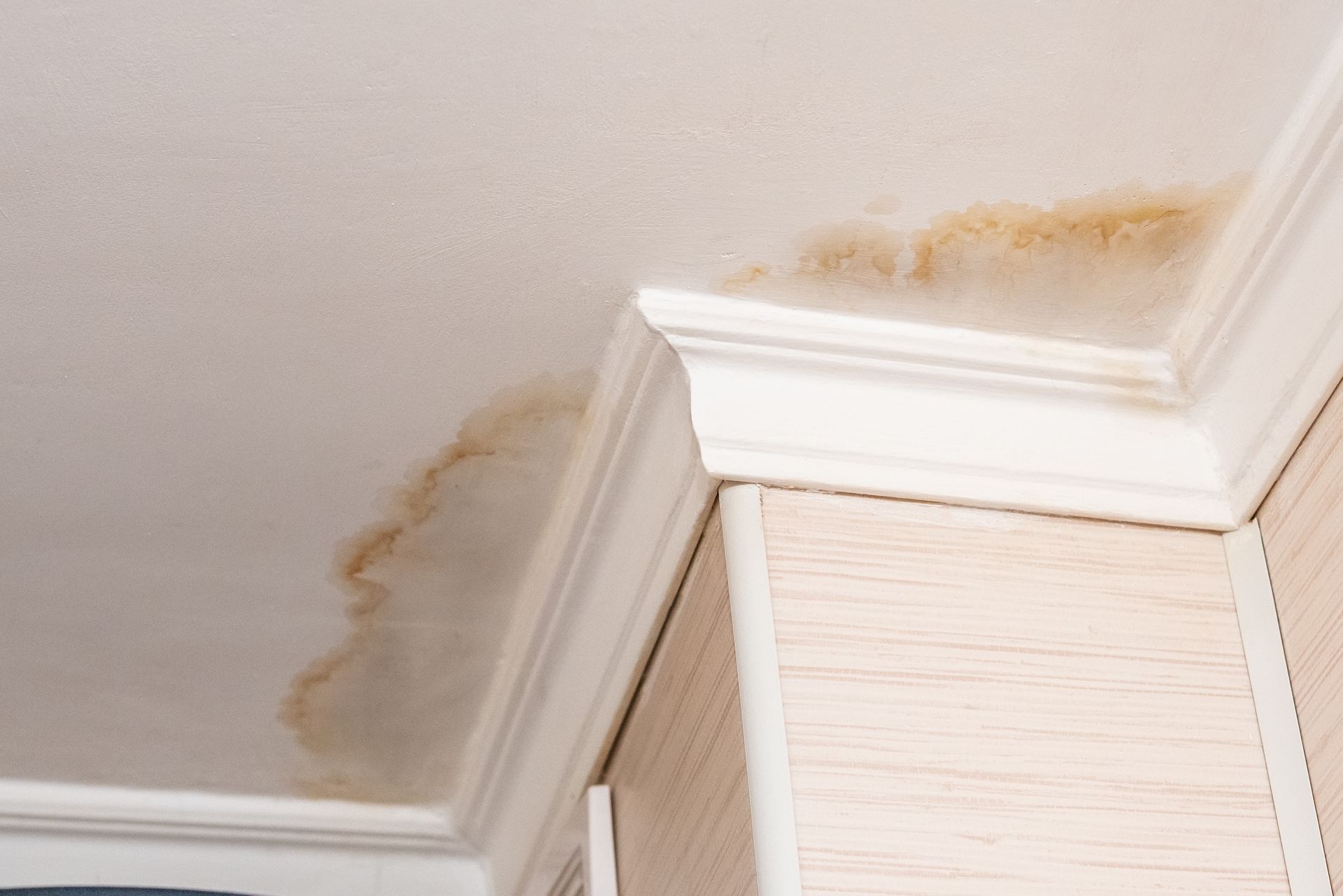
Coastal salt exposure can contribute to metal corrosion, particularly where protective finishes are damaged or moisture lingers. The important question is whether sound material remains around the connection. Surface discoloration and metal weakened through its thickness call for different responses. We check panel condition, washers, attachment, and adjacent seams before recommending a fastener correction, replacement flashing, or a larger metal section.
Open Membrane Edges and Damaged Equipment-Curb Flashing
A low-slope commercial roof can leak at a loose perimeter termination or curb corner while the open field remains intact. Movement, aging, and earlier repairs may leave gaps where horizontal roofing turns up a wall or equipment base. We assess the surrounding membrane and supporting layers before selecting a compatible repair. An edge defect should not be hidden beneath sealant without examining what has separated below.
Panel Laps and Closures That Admit Wind-Driven Rain
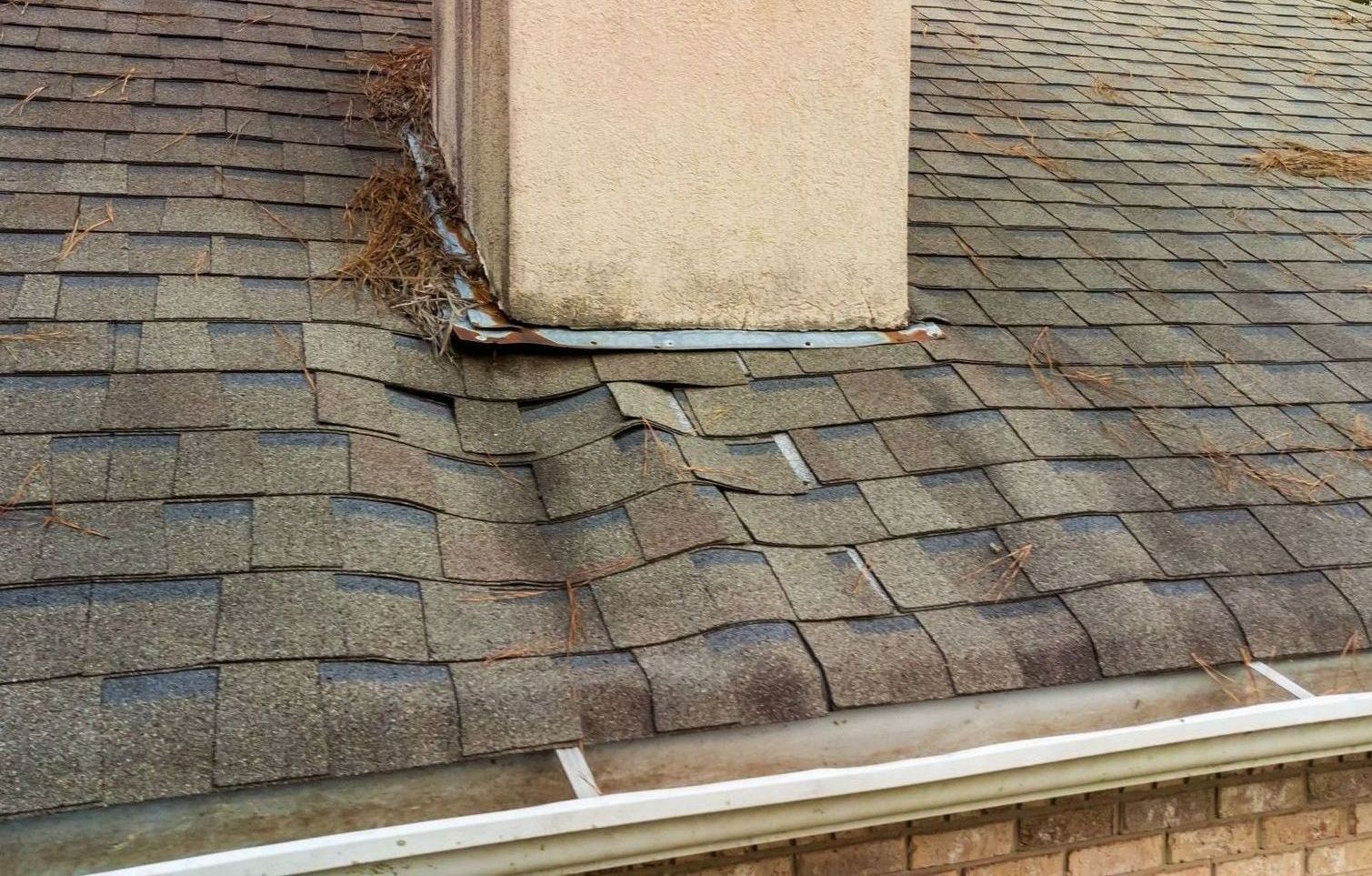
Metal panels rely on their seam arrangement, end details, and closures to control water. A displaced closure or damaged lap can admit rain from one direction even when ordinary runoff leaves no stain. The investigation compares the leak report with panel layout and nearby penetrations. Repair must suit that roof's profile and connection method rather than apply a generic bead along every visible seam.
Roof Transitions Above Entrances and Working Areas
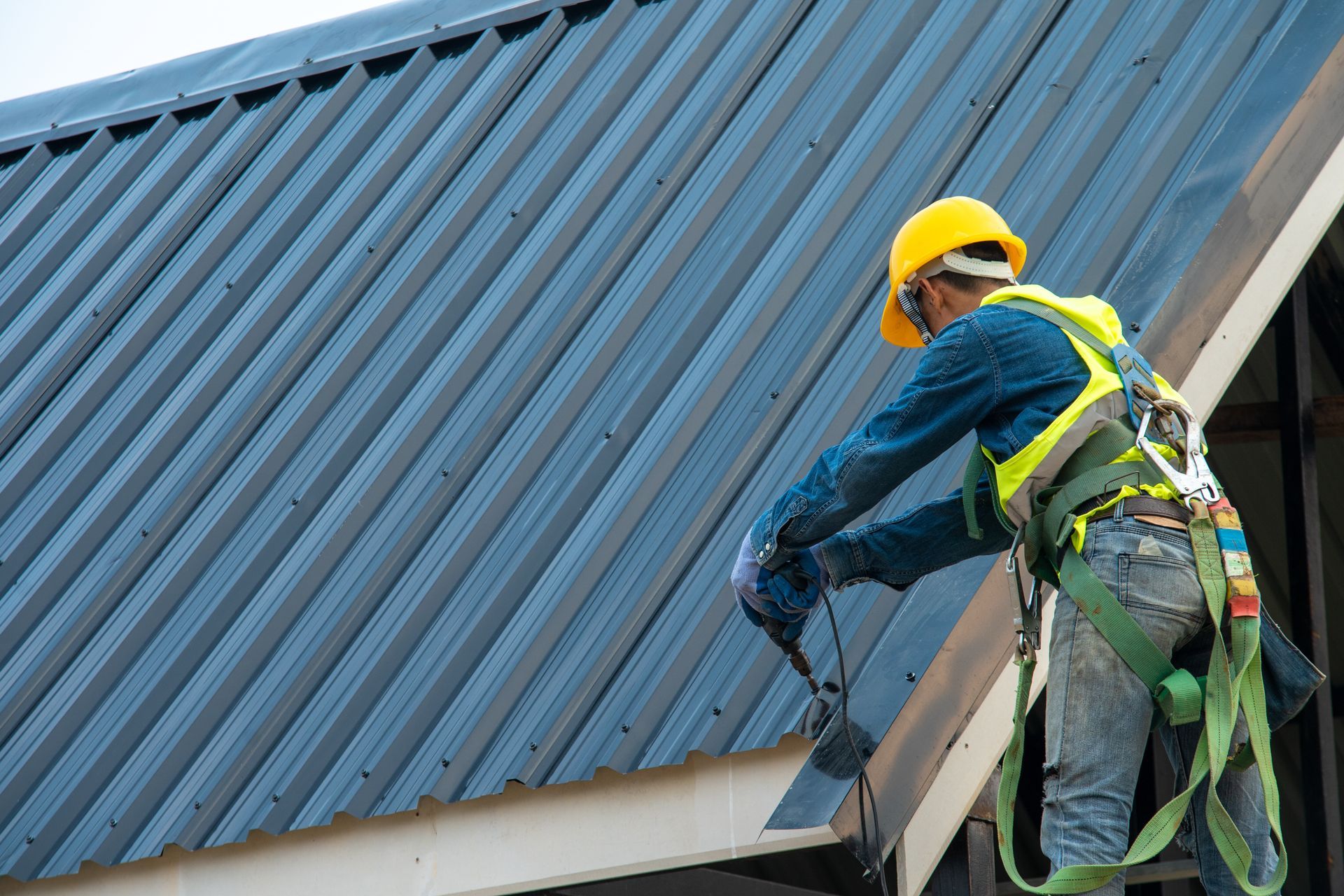
Canopies, additions, and upper walls create joints where different roof systems meet. A business may report water above a doorway while the actual opening sits at the higher wall connection. We check the full transition, including counterflashing and support hidden behind metal. A useful repair follows the water route and restores the joint without assuming that the lowest wet spot is the source.
Can a Port Orford Commercial Roof Receive a Local Repair?
The Metal or Membrane Around the Defect Remains Serviceable
A contained defect is a stronger repair candidate when the adjacent covering remains intact and capable of accepting a proper connection. On metal, widespread thinning or damage around several seams changes the decision. On membrane, detached or deteriorated surrounding material creates a similar limitation. We establish where the repair can end on sound material rather than choose its size solely from the visible opening.
Fasteners and Flashings Can Be Secured to Sound Support
A new cap or flashing cannot perform as intended when the backing below it is weak. Deteriorated wood, damaged deck, or failed attachment points may require local reconstruction before the visible roofing is replaced. The condition beneath an old patch may not be fully known until authorized removal. That uncertainty should appear in the estimate with a clear process for documenting and approving added work.
The Repair Can Restore the Whole Failed Connection
Some leaks involve several adjoining pieces: panel, closure, flashing, membrane, and wall termination. Repair is practical when those elements can be reconstructed as a complete detail within a defined area. When access requires disturbing substantial roofing or the adjacent assembly is failing too, a larger section may be more appropriate. The proposal should explain that distinction instead of treating every connection as a simple sealant job.
How Outlaw Roofing Handles Port Orford Commercial Repairs

Step 1 - Record Wind-Related Symptoms and Safe Access
We ask what changed, when the leak or movement was first noticed, and whether the building has prior roof repairs. The property contact identifies affected entrances, work areas, and restrictions on access. Ground-level photographs and indoor observations are useful starting points. Staff should not climb onto roofing to secure a loose component or investigate during unsuitable weather.
Step 2 - Check Edge Attachment and the Suspected Water Path
The inspection examines perimeter metal, panel connections, membrane terminations, curbs, and transitions relevant to the report. We compare the visible defect with surrounding attachment and drainage. A bent cap or failed fastener may be the symptom of weakened support, so the review extends beyond the part that first caught the owner's attention.
Step 3 - Define Replacement Pieces and Concealed Work
The written scope identifies the components to be removed, the intended replacement detail, and the connection to retained roofing. It explains whether custom metal is appropriate and how concealed support damage will be handled. Access, protection, and cleanup are documented alongside the roofing work so the owner can review the complete plan before authorizing it.
Step 4 - Confirm Requirements and Rebuild the Connection
When the project calls for review, we confirm the applicable requirements for its address and scope. The work restores sound support, installs the specified components, and integrates them with compatible surrounding materials. A repair should not rely on excessive sealant to compensate for poor attachment or an incomplete flashing arrangement. Work outside the roofing portion is identified for the appropriate trade.
Step 5 - Review Attachment, Drainage, and the Finished Area
The final review checks repaired joints, attachment, and the path water follows away from the detail. Removed metal, fasteners, and roofing debris are collected from the work area. Photographs show the opened condition and completed repair. The building contact receives an explanation of the corrected defect and any surrounding roof conditions that remain relevant to future maintenance.
Materials for Port Orford Commercial Roof Connections
Compatible Metal Components and Appropriate Fasteners
Replacement metal must be selected with the existing roof, finish, and exposure in mind. Panel shape, attachment, and interaction with nearby materials matter as much as the visible color. Fasteners and washers should suit the assembly and sound supporting material. A stronger-looking screw or a thicker bead of sealant does not correct a panel connection whose surrounding metal has already weakened.
Membrane and Flashing Matched at Curbs and Perimeters
Where a commercial roof uses membrane, the repair must follow the requirements of that system. Preparation, patch material, corners, and termination details are not interchangeable among roof types. Old coatings or unknown repairs may need to be removed to reach a dependable surface. The completed work should connect the repaired area to sound material and leave nearby drainage paths open rather than obstruct them.
Custom Metal That Fits the Actual Roof Detail
Outlaw Roofing's custom metal fabrication can support a project-specific cap, wall flashing, or transition when a standard piece is unsuitable. Dimensions and shape are only part of the solution. The design of the connection must account for attachment, laps, movement, and adjacent roofing. Fabricating a new cover without addressing weak support would leave the main repair problem unresolved.
When Port Orford Roof Damage Requires a Broader Scope
Corrosion or Attachment Failure Across Multiple Connections
A single damaged fastener or limited flashing section may be repairable. Deterioration distributed across panel ends, seams, and attachment points is different because the remaining roof must still hold the repair. We assess whether sound boundaries exist around the proposed work. When they do not, replacing a larger section or the complete covering can be more defensible than installing new components into material that continues to fail.
Recurring Wind-Related Leaks Beside Earlier Patches
A leak that repeatedly moves along the same edge may indicate incomplete repairs, deteriorated support, or a connection problem extending beyond one joint. Another surface patch should not be the default response. We examine the old work and adjacent assembly to establish why it has not remained dependable. The owner needs a scope that restores the full failed detail, even when that means a longer section must be opened.
Port Orford's Working Coast and Commercial Roof Exposure
Illustrative Example: A Workshop With a Loose Coastal Roof Edge
Consider a hypothetical Port Orford workshop where the owner notices a lifted metal edge above a loading area and a new stain after windy rain. The roof panels farther upslope look unchanged. Inspection finds a separated edge joint, deteriorated backing, and a failed connection to the adjacent roof material. Simply replacing the visible screws would not restore the weakened support. A suitable scope would establish the full damaged length, replace compromised backing as needed, fit the correct metal detail, and reconnect the roofing so water drains outside the assembly. The loading area would be kept separate from overhead work. This scenario explains a repair decision and is not presented as an Outlaw Roofing project history.
Check the Building's Exposure Rather Than Assume Uniform Conditions
Port Orford has a working fishing port and commercial activity along Highway 101, with the Pacific forming the setting for both. A roof near an open coastal frontage may have different exposure from a building sheltered by neighboring structures. Salt, moisture, and wind-related movement are conditions to evaluate at the property. They do not establish that every metal component is corroded or that every reported leak was caused by a storm.
Shops, Lodging, and Marine-Related Buildings Need Different Planning
A small shop may have a customer entrance directly below the damaged edge. Lodging can place occupied rooms beneath an older roof transition, while a working building may need delivery or equipment access maintained around the repair area. These uses create different staging and protection needs. We ask how the property operates before defining access rather than assuming every commercial repair can follow the same work sequence.
The roof itself may combine metal, membrane, and a sloped entrance covering. Building use alone does not identify the installed system or its age. Available roof records, older repair photographs, and reports from occupants help clarify those details. The evaluation then connects the building's layout with the damaged assembly instead of selecting a material or repair method from the address alone.
What Port Orford Businesses Receive From Outlaw Roofing
✓ Attention to Support as Well as the Visible Roof Defect
We inspect the metal, membrane, and attachment around the reported leak or loose component. That helps establish whether the defect is limited or reflects damage beneath the visible surface. The recommendation explains which parts need restoration and where the work can connect to sound roofing, rather than offer an unexplained patch over the first gap found.
✓ Veteran-Owned Repair, Replacement, and Metal Fabrication
Outlaw Roofing provides commercial roof repairs, replacements, and custom metal fabrication. We are a veteran-owned contractor operating under CCB#236299. Those services allow a repair discussion to consider both the roof covering and a project-specific metal detail where appropriate, without assuming every problem requires a completely new roofing system.
✓ Written Decisions About Hidden Support Damage
Old edge metal and layered repairs can conceal weakened backing or decking. The estimate explains the proposed opening and how additional findings will be documented. We discuss approval before expanding the scope so the owner understands what changed and why. A concealed-condition allowance should clarify the decision process, not serve as an unlimited authorization for extra work.
✓ Scope-Based Review and Coordination When Needed
Requirements are confirmed for the documented project when review is necessary. A local flashing correction may raise different questions from rebuilding supporting material or altering a roof connection. We identify the roofing work and flag structural, equipment, or other-trade concerns separately rather than imply that one repair proposal covers every condition uncovered at the building.
✓ Protection Below the Work and Photographs at Completion
We discuss entrances, loading areas, vulnerable items, and material handling before removal begins. Debris and loose fasteners are cleared from the work area, and photographs document the repaired detail. The owner has a record of the work without needing to inspect metal edges or membrane connections personally from an exposed roof.
Cost Factors for Port Orford Commercial Roof Repair
Repair cost depends on the material condition, access, attachment, and how much of the assembly must be opened. A loose screw and deteriorated backing can look similar from the ground but require different work. These scope categories explain the differences; the actual price requires evaluation of the roof.
Limited Fastener, Washer, or Panel-Connection Repair
The scope depends on panel condition, accessible attachment, and whether the defect is isolated. Metal weakened around the opening may need more than a replacement fastener. The estimate should identify the connection being restored and any surrounding material that must be removed or replaced.
Parapet Cap or Perimeter Metal Reconstruction
Length, corner details, profile, supporting material, and access affect the work. Custom pieces may be appropriate for an existing edge. Rebuilding deteriorated backing or reconnecting adjacent membrane adds scope beyond changing the visible cap and should be described before removal begins.
Commercial Curb, Wall, or Membrane-Flashing Repair
Costs vary with the roof system, surface preparation, number of corners, and condition below older patches. Equipment clearance and the connection to retained roofing also matter. Where the affected assembly is more extensive than first visible, photographs and an approval procedure should support any change in the repair boundary.
Localized Panel Replacement and Mixed-Material Transitions
A replacement panel or transition requires compatible dimensions and a workable tie-in to neighboring components. Limited access, multiple roof levels, or occupied areas below may complicate staging. The estimate should distinguish material work from access planning and any coordination needed with other trades.
What a Port Orford Commercial Repair Inspection Must Establish
Whether Corrosion Is Cosmetic or Has Weakened the Connection
Visible staining does not tell the whole story about metal condition. We examine the surrounding finish, panel edges, fastener areas, and support to determine whether a local correction can hold. Metal that has lost strength near a connection presents a different repair problem from superficial discoloration. The findings should guide the removal boundary rather than the appearance of a newly applied coating.
Whether the Leak Requires Wind or Occurs With Ordinary Runoff
A leak that appears during rain from one direction may involve a raised lap, closure, edge joint, or wall flashing. A leak that occurs under ordinary runoff can suggest another path. Timing is a clue, not proof. We compare the owner's observations with the actual arrangement of seams, roof levels, and outlets before recommending the connection to open and repair.
Maintaining Port Orford Commercial Roof Repair Performance
Watch for New Movement, Debris, and Changes at Adjacent Joints
After repair, the owner should continue observing the building from safe accessible areas and report loose metal, new stains, or blocked drainage. Equipment service and other rooftop work can also disturb nearby details. Keep those activities in the roof record. Maintenance responsibilities should be stated clearly, because a one-time repair does not automatically include future inspections or continuing debris removal.
Do Not Treat a New Component as a New Roof
Replacing an edge or flashing restores the authorized area, not every panel, membrane seam, and support connection on the building. The retained roof continues to age and respond to exposure. We explain nearby conditions that may require monitoring or later work. A useful repair plan makes those limits clear without assigning an unsupported lifespan or implying whole-roof coverage from a localized correction.
Quick Answers - Port Orford Commercial Roof Repair
Can a loose commercial roof edge be repaired without replacing the roof?
Often it can when the damage is contained and the supporting material and adjacent roof remain sound. The repair may include new backing, metal, and a connection to the retained covering. Widespread attachment failure or deteriorated surrounding material can make a larger section necessary.
Does rust on metal roofing always mean replacement?
No. The extent and location matter. Surface discoloration is different from metal weakened at seams or attachment points. An inspection should establish whether a limited component can be restored or replaced and whether enough sound material remains to support the repair.
Why does rain enter only when the wind comes from one direction?
A raised panel lap, loose edge, failed closure, or open wall connection may admit driven rain while shedding normal runoff. The weather pattern helps focus the investigation but does not identify the cause by itself. Share where the leak appears and when it occurs.
What drives commercial roof repair pricing in Port Orford?
Access, material compatibility, damaged length or area, and the condition beneath metal or membrane all affect cost. Custom fabrication and rebuilding support can change the scope. A written estimate should explain those components rather than quote a fixed price before the assembly is examined.
Can repairs be completed while the building is in use?
Sometimes, with an appropriate plan for entrances, deliveries, and the areas beneath the work. Loose components or overhead removal may require temporary restrictions. The decision depends on the inspected condition and authorized scope. Continued access or uninterrupted operations should not be promised without that review.
Frequently Asked Questions - Port Orford Commercial Roof Repair
Should staff try to secure a loose cap before the next storm?
No. Keep people clear of the affected area and request professional assessment. Staff should not climb onto an exposed or wet roof or work below loose metal. Ground-level photographs and notes about movement or new leakage can help the contractor understand the concern without creating another hazard.
Can replacing screws stop a commercial metal roof leak?
It can address an isolated fastener defect when the panel and support remain sound. It will not correct every failed seam, damaged closure, or corroded connection. The inspection should establish the actual entry path before recommending fastener work across a small area or the broader roof.
Does a commercial repair include repainting metal panels?
Only when preparation and finish work are expressly included in the scope. Restoring a leaking connection, treating a finish problem, and replacing weakened metal are different tasks. Ask which materials and surfaces will be addressed rather than assume that a roofing repair includes a full cosmetic restoration.
What information is useful when requesting an inspection?
Provide the building address, access contact, roof type if known, leak timing, and any visible loose components. Explain what operates beneath the area and share available repair records. Avoid guessing at roof measurements from an unsafe position; the inspection can establish the relevant dimensions and material condition.
Could rattling roof metal be harmless thermal movement?
Some roof sounds can relate to temperature movement, but new noise accompanied by lifting, displaced metal, or leakage warrants inspection. Sound alone is not a reliable diagnosis. Describe when it happens and any visible changes, and let the contractor assess attachment and adjoining components under suitable access conditions.
What happens if the backing under an edge is deteriorated?
The support must be evaluated before new metal is attached. The repair may need to extend far enough to replace compromised material and reconnect the roofing properly. The proposal should explain how concealed findings are photographed, approved, and incorporated into the revised scope before the opening is closed.
Can Outlaw Roofing fabricate a flashing for an unusual roof joint?
Outlaw Roofing offers custom metal fabrication. Whether it is appropriate depends on the joint's dimensions, surrounding material, attachment, and drainage. The piece should be designed as part of the complete repair so a custom shape does not simply cover an unresolved defect below.
Does a coating solve a corroded or wind-damaged connection?
Not by itself. A coating cannot substitute for sound support, proper attachment, or replacement of metal that no longer holds the detail. Any proposed surface treatment must be compatible with the roof and appropriate to its condition. The underlying defect should be identified and corrected first.
Commercial Roofing Options for Port Orford Businesses
Localized Edge, Flashing, and Roof Leak Repair
Request evaluation of a loose cap, leaking seam, failed penetration, or damaged transition where the surrounding roof may remain serviceable. Outlaw Roofing can discuss the repair boundary and any supporting material that needs restoration. Describe the symptoms through the contact page. Note whether the change followed windy rain or appeared during ordinary runoff; that timing helps direct the initial inspection
Commercial Roof Condition and Attachment Assessment
When several connections show movement or old patches conceal the roof condition, start with a broader assessment rather than another isolated sealant application. Share previous repair records and the areas affected so the inspection can connect the visible defects with the remaining assembly.
Commercial Replacement When Repairs Lack Sound Boundaries
Outlaw Roofing provides commercial roof replacement for conditions that extend beyond a dependable local repair. The evaluation should identify why retained material cannot support new work and whether the appropriate scope involves one section or the whole roof. Building access and use remain part of that planning.
Custom Metal for Coastal Commercial Roof Details
A project-specific edge, cap, or flashing can be fabricated when the existing roof geometry calls for it. Material choice, finish compatibility, attachment, and the connection to adjacent covering must be considered together. The objective is a supported, water-shedding detail that fits the actual assembly, not merely a visually matching piece of metal.
Plan a Port Orford Commercial Roof Repair Inspection
A loose roof edge, corroded connection, or wind-related leak should be evaluated before another patch hides the condition. Outlaw Roofing examines the defect, surrounding covering, attachment, and supporting material to determine where a workable repair begins and ends. The written scope explains the proposed components, access arrangements, and approval process for concealed damage. That gives a Port Orford commercial owner a practical choice between restoring a limited connection and addressing broader failure, with a record of what the repair includes and what remains outside it.
Call (541) 275-6189 or use the contact page at outlawroofing.net to discuss commercial roof repair for your Port Orford, OR property.