Metal Roofing Contractor in Klamath Falls, OR
Find the Cause of Metal Roof Problems Before Choosing the Fix
A metal roof needs more than straight panels to protect a Klamath Falls property. Seams, fastening, wall flashing, underlayment, roof support, and drainage must work as one assembly. Whether you are dealing with a leak, replacing worn roofing, or comparing standing seam for a suitable building, the first question is what the roof actually needs. A careful assessment helps distinguish a localized defect from a condition that calls for broader replacement.
Outlaw Roofing provides residential and commercial roofing services and custom metal fabrication in Southern Oregon. We are veteran-owned and bring more than 10 years of experience to roof evaluation and installation. Our review covers the visible metal and the surrounding details, including penetrations, transitions, perimeter trim, decking, and ventilation. Recommendations explain the findings rather than assume that a stain automatically means every panel has failed.
Klamath Falls has a high-desert climate, and roofing decisions should account for the property's actual exposure and use. An occupied home, rental, or commercial building can have very different access and drainage concerns. We look at the route from the roof surface to the gutter and ground, the connections around additions, and the areas below eaves. Those conditions guide both the technical scope and the way the work is organized.
Homeowners can arrange a free inspection, receive photo-supported findings, and review a written recommendation for repair or replacement. Custom standing-seam options are considered where the roof design is suitable. Call (541) 275-6189 to discuss your Klamath Falls roof and understand the condition, proposed work, and items requiring further review before installation.
Metal Roof Problems That Need a Closer Inspection

Leaks Around Pipes, Walls, and Roof Openings
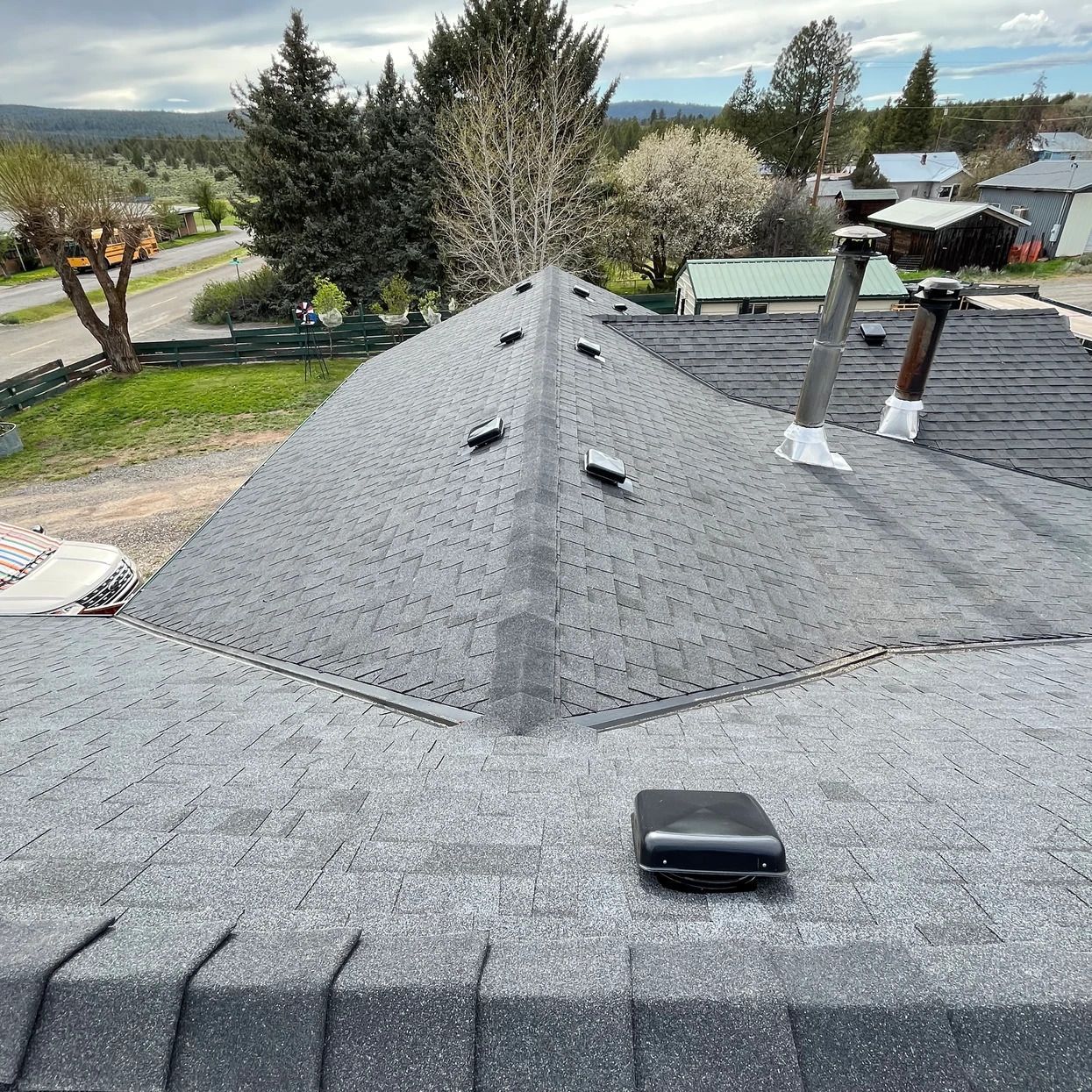
A leak near a pipe or wall may originate at flashing rather than in the main panel surface. Deteriorated collars, short overlaps, misplaced joints, and repeated surface patches can interrupt drainage. We trace the entry route and inspect the adjoining assembly before recommending a correction. Replacing a visible sealant bead alone may not address the concealed detail that directs water beneath it.
Panel Movement Restricted by Fastening or Trim
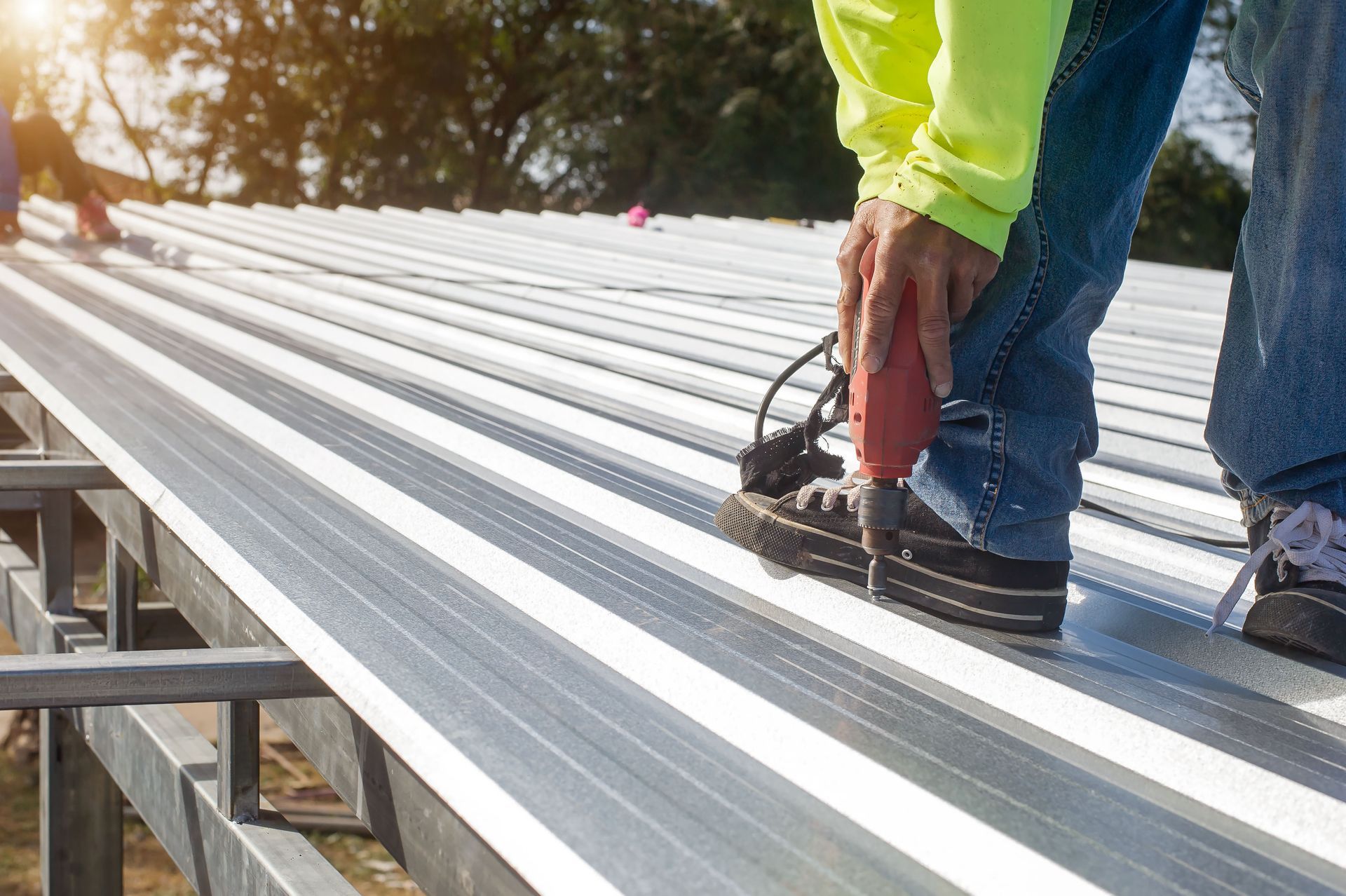
Metal changes dimension as its temperature changes. When a roof system cannot move as designed, stress may appear at attachment points, seams, or adjoining trim. The appropriate response depends on the selected panel system and its details. We review movement-related concerns alongside leaks instead of assuming that additional screws or more sealant will make a displaced component function correctly.
Warning Signs Klamath Falls Property Owners Can Spot
Lifted Trim, Changed Seams, or Metal on the Ground
Loose edge pieces, a newly visible gap, or material found after windy weather should prompt evaluation. View the roof from the ground and note where the change appears; do not climb onto panels to test their security. A contractor needs to assess the attachment and surrounding support. What appears to be a small trim problem may involve a larger connection.
Leaks That Follow Wind, Thawing, or Cold Mornings
The timing of a stain can help distinguish different moisture paths. Rain entering near a penetration is not the same problem as condensation forming across a cold attic surface. Record the affected room, weather conditions, and whether the mark changes between events. We use those observations with the inspection findings instead of treating every damp ceiling as identical panel failure.
Recurring Rust, Damp Insulation, or Soft Roof Edges
New corrosion, persistent dampness, or visibly deteriorated fascia can indicate that moisture remains trapped or repeatedly enters the assembly. Accessible attic observations may help locate the affected area, but hidden support still requires professional assessment. Do not disturb unsafe materials or enter an unstable space. Clear photographs and a history of previous repairs are useful starting points for the roof evaluation.
How We Approach Metal Roofing in Klamath Falls
Step 1 — Diagnose the Roof and Review Your Priorities
We start with current symptoms, roof history, and your plans for the property. Accessible panels, seams, perimeter details, openings, valleys, gutters, and attic conditions are examined. We also identify roof pitch, support concerns, and access restrictions. A homeowner seeking a leak repair and a business considering replacement need recommendations based on their actual assembly, not a single standard sales approach.
Step 2 — Explain Repair Boundaries and Replacement Scope
The written recommendation identifies the problem, proposed correction, and conditions that remain outside the work. Where replacement is appropriate, it describes removal, deck assessment, roofing components, protection, and cleanup. We explain how concealed damage will be documented and approved. This allows owners to compare a limited repair with a complete system correction without confusing the two outcomes.
Step 3 — Confirm the Assembly and Project Coordination
The selected panel system must fit the roof's slope, substrate, geometry, and intended use. Before scheduling, we clarify material selections and any applicable project-review responsibilities. Requirements are checked for the actual address and scope rather than assumed from the city name alone. The project documentation should make approval, communication, and change responsibilities clear before materials or work are committed.
Step 4 — Install Connected Details With Weather Protection
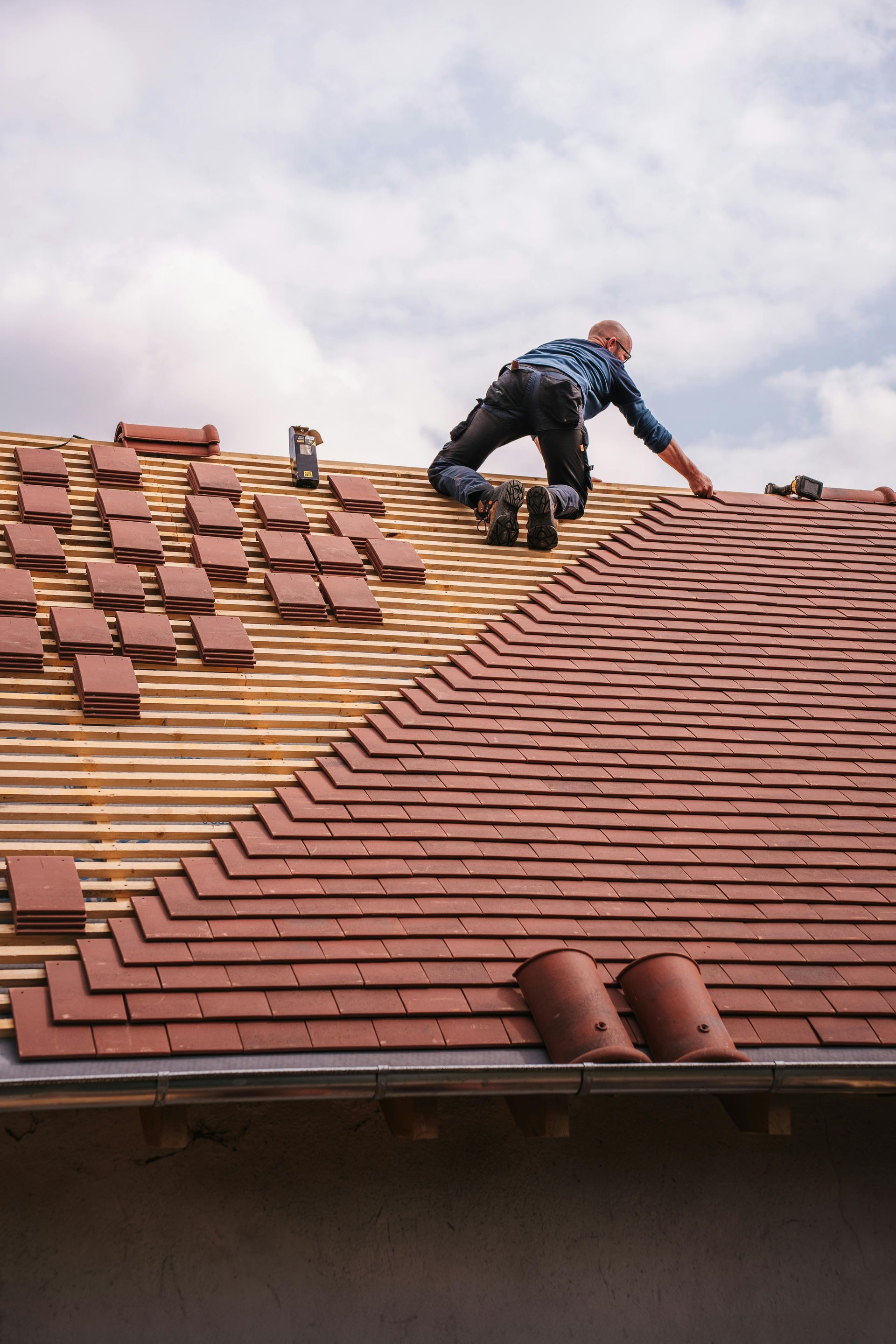
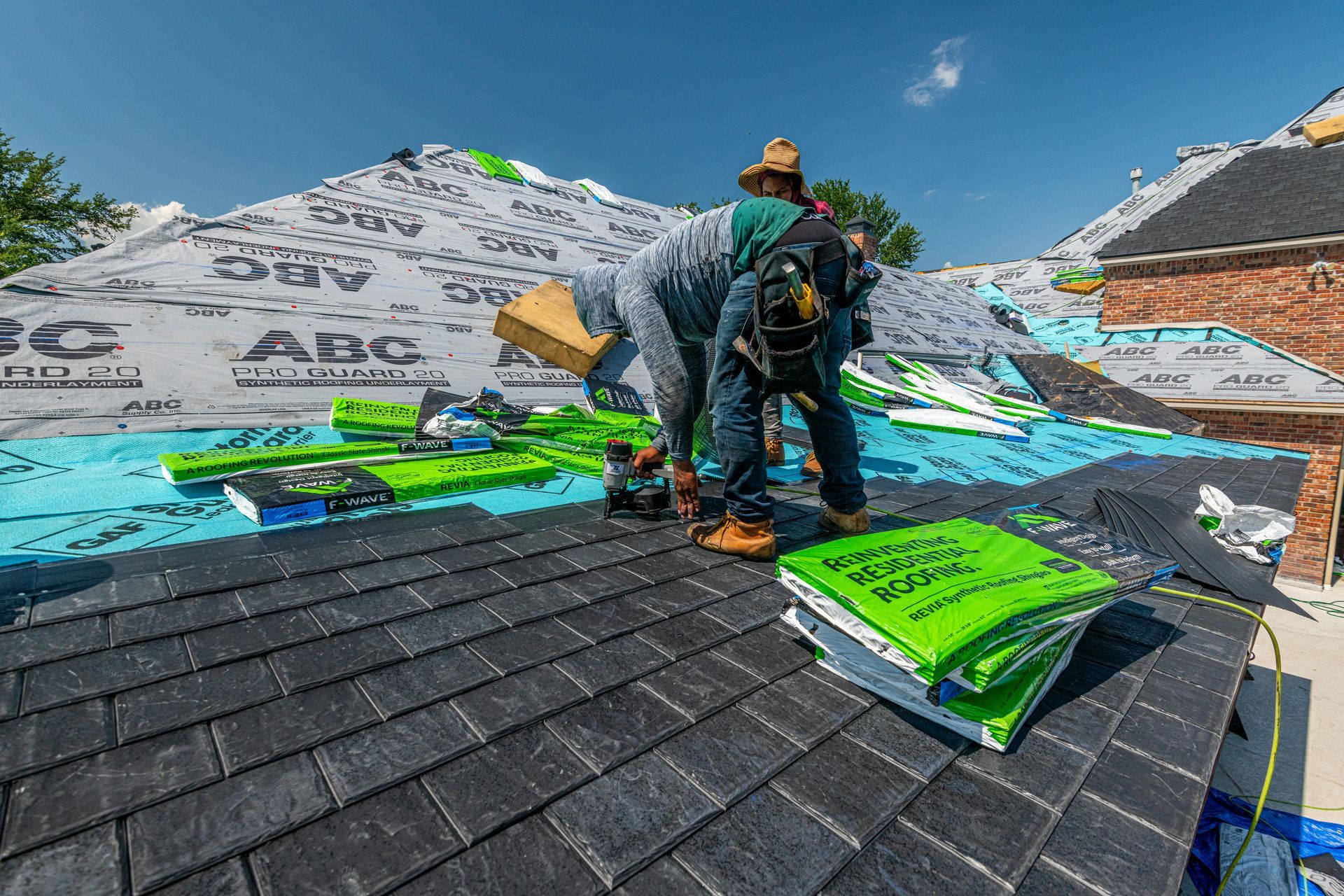
Work begins with protected access and controlled debris areas. As roofing is removed, exposed support is reviewed and authorized repairs are completed before it is covered. Underlayment, panels, flashing, and perimeter components are integrated in manageable stages. Particular attention goes to penetrations and adjoining roofs, where an unfinished connection could expose the building even though most panels are already installed.
Step 5 — Check Drainage, Connections, and Cleanup
The final review addresses completed seams, flashings, trim, roof openings, and the route into gutters or adjoining drainage components. We remove packaging, loose metal, fasteners, and tear-off waste, using visual inspection as well as magnetic sweeps. Owners receive applicable product and warranty information with maintenance guidance. The closeout should explain the finished work and any retained components that need continued attention.
Metal Roofing Systems and Supporting Components
Standing-Seam Roofing for Suitable Roof Shapes
Standing-seam panels join along raised ribs and conceal their primary attachment. The specific system determines suitable slope, support, seam construction, and installation requirements. We assess those conditions before recommending metal for a replacement or new roof. A simple appearance does not mean every building accepts the same panel profile, fastening arrangement, or transition detail without further evaluation.
Custom Metal at Walls, Valleys, and Roof Edges
Custom fabrication can help fit flashing and trim to measured roof conditions. Valleys, rakes, eaves, chimneys, and wall junctions need pieces that connect with the surrounding assembly and leave a reliable drainage path. We review the underlying connection as well as the visible finish. Attractive trim is not a substitute for correct overlaps, compatible materials, and sound attachment beneath it.
Underlayment, Leak Protection, and Ventilation Details
Metal is only the outer layer of the roof. Compatible underlayment, appropriate protection at vulnerable junctions, and a suitable deck support the completed system. Where an attic is present, its moisture and airflow conditions also matter. A replacement should coordinate these elements rather than preserve blocked ventilation or wet substrate simply because the exterior is receiving a new surface.
Repair or Replace a Klamath Falls Metal Roof?
Repair When the Defect Is Isolated and the Tie-In Is Reliable
A defined flashing failure, damaged trim section, or limited panel area may be repairable when the surrounding assembly remains sound. The correction must integrate with accessible seams, attachment, and drainage layers. We describe which older components will remain and what maintenance they require. Repair should solve a specific problem, not postpone an already widespread failure without explaining the limitations.
Replace When Failure Extends Across the Roof Assembly
Extensive deterioration, recurring leaks at multiple details, unsuitable support, or inaccessible failing connections can make piecemeal work less practical. Replacement provides an opportunity to correct the deck, underlayment, flashing, and moisture-related conditions together. The recommendation follows the inspection rather than roof age alone. A new covering is useful only when the important underlying problems are included in the scope.
Local Conditions That Influence Metal Roof Performance
Seasonal Temperature Swings and Long Panel Runs
Klamath Falls experiences cold winters and warmer summer conditions. For metal roofing, changing temperatures make movement-compatible details important, particularly along longer panel runs and complicated wall connections. The manufacturer's requirements should guide how the system is assembled. A contractor should evaluate the relationship between panels, attachment, and trim instead of treating each movement-related symptom as an isolated loose fastener.
Site Exposure at Rakes, Corners, and Ridge Ends
Roof height and the surrounding buildings or trees influence exposure at a particular property. On an open site, perimeter components deserve careful review alongside the main roof panels. We inspect for displaced trim, weakened attachment, and failed transitions. The assessment stays specific to the building; it does not assume that every neighborhood or roof plane experiences the same conditions.
Cold-Season Moisture and Roof Discharge
Rain, thawing snow, and interior humidity can create different roofing concerns. Water must pass through valleys and edges without entering vulnerable joints, while attic moisture needs its own evaluation. Where accumulated snow can release toward doors or lower roofs, discuss protective measures appropriate to the assembly. A clear scope separates drainage, condensation, and snow-release concerns rather than promise one product solves them all.
Metal Roofing for Homes and Businesses in the Klamath Basin
A metal roofing plan for a home, garage, or business must reflect its own construction. Simple gables may allow straightforward panel runs, while additions, wall intersections, and low-slope sections require different decisions. We inspect the existing sheathing, support, ventilation, and prior alterations before settling the scope. Where another roofing material is more appropriate for a connecting section, the transition must be planned rather than improvised.
Illustrative Inspection - A Stain Beside a Roof Penetration
Imagine a property owner noticing a recurring ceiling stain near a vent after wet weather. The visible panel may be intact, while a deteriorated flashing connection allows water below it; the attic may also show unrelated condensation. An effective evaluation traces both conditions and determines whether the surrounding roof can accept a defined repair. Replacing the nearest panel without that diagnosis could miss the entry point. This example illustrates the process and is not a completed-project claim.
Why Property Owners Work With Outlaw Roofing
- Planning Around Occupied Buildings and Daily Access
Metal roof work requires attention to entrances, parking, delivery routes, and the space needed to handle panels safely. We discuss these conditions before work starts so residents or building occupants know which areas will be restricted. Landscaping, neighboring structures, and outdoor equipment are included in protection planning. The installation approach should fit the property rather than leave access decisions until materials arrive.
- No Assumption That Old Flashing Can Stay
Older vents, pipe flashings, edges, and wall connections need individual review during replacement planning. We explain which components remain serviceable and which require renewal or reconstruction. This prevents an estimate from appearing complete while leaving the roof's weak points untouched. Owners can compare the finished assembly more accurately when the proposal identifies both new work and retained details.
- Veteran-Owned Service With Metal Fabrication Capability
Outlaw Roofing offers custom metal fabrication alongside roofing repairs and replacements. We discuss how measured trim and flashing fit the overall roof design and explain suitable work based on the property findings. Each recommendation identifies the important connections and limitations so the owner understands the proposed assembly before approving installation.
- Debris Control Beyond the Main Work Area
Loose screws, sharp offcuts, and tear-off material can reach gutters, driveway edges, planting beds, and walkways. We use protected work zones and ongoing collection, followed by visual checks and magnetic sweeps. Cleanup must account for nonmagnetic debris as well as fasteners. Occupied buildings need usable outdoor areas at closeout, not merely a clean-looking roof surface.
- Photographs and Written Decisions You Can Review
Documented findings explain whether the concern involves panels, flashing, deck support, ventilation, or an adjoining component. We describe the correction and seek approval when concealed conditions change the work. Product details and maintenance information remain in the project record so owners understand what was corrected and what needs continued care.
What Determines Metal Roofing Cost in Klamath Falls
The estimate depends on roof dimensions, material choice, layout, removal, support condition, transitions, and the work required around openings. Access, protection, disposal, and any approved concealed repairs also affect the total. We inspect before recommending a scope. Comparing panel prices alone leaves out the preparation and connection details that often determine how complete the finished project will be.
Roof Height, Access, and Safe Panel Handling
Working around a tall building, restricted driveway, narrow side yard, or occupied entrance can change how materials are staged and moved. Long panels need planned handling and appropriate storage before installation. These conditions are reviewed with the roof itself. An estimate should explain meaningful access requirements rather than assume that every square foot can be reached and installed in the same way.
Seam Layout, Openings, and Custom Flashing Work
A roof with several valleys, chimneys, skylights, or wall intersections requires more detailed planning than a simple uninterrupted slope. Panel layout must work with those openings, and flashing may need custom dimensions. We identify the significant transitions during evaluation. The installed cost reflects those connections as well as the amount of metal visible from the street.
Removal, Substrate Repairs, and Attic Corrections
Old roofing can conceal damaged sheathing, uneven support, or previous repairs that do not suit the proposed assembly. Moisture findings may also indicate ventilation or related work. The estimate separates known corrections from conditions requiring approval after removal. Understanding that process helps owners compare proposals without assuming every hidden repair is included or that the underlying deck is automatically sound.
Selected Components and Required Project Review
Panel profile, finish, underlayment, edge details, and separately specified accessories influence the final scope. Any applicable review or inspection responsibilities are identified in the project documentation. Requirements depend on the actual building, address, and work; a metal roof description alone does not establish which approvals or coordination are needed.
What We Inspect on a Klamath Falls Metal Roof
Panel Seams, Attachment Areas, and Perimeter Connections
We look for damaged seams, displaced trim, visible movement, failed fasteners where present, finish wear, and debris that interrupts drainage. Findings are interpreted in relation to the selected roof system, not a universal fastening rule. The purpose is to identify whether damage is localized or part of a connected assembly problem before recommending repair or replacement.
Pipe Flashings, Sidewalls, Valleys, and Lower Roofs
Openings and transitions are checked for deterioration, poor layering, inadequate fit, and repeated sealant repairs. We follow runoff through valleys, gutters, and adjoining slopes while checking for related damage below. The repair scope addresses the water-controlling connection rather than sealing the spot nearest a stain without tracing the entry route.
Deck Support, Attic Airflow, and Moisture Patterns
The accessible roof structure and attic help show how the exterior is performing. Localized staining may point toward an opening, while broader moisture can indicate a separate condensation concern. Vent routes, insulation, and exhaust discharge are reviewed where visible. Those observations inform the recommendation without pretending that an inspection can reveal every concealed condition before the covering is removed.
Maintaining a Metal Roof for Continued Performance
Assess Condition Rather Than Rely on an Age Estimate
A metal roof's age alone does not establish how much useful service remains. Installation details, coating condition, drainage, repairs, and supporting components influence the result. We evaluate what is functioning and where deterioration is occurring. This allows a recommendation based on the existing assembly rather than a promise that every metal roof will last a fixed number of years.
Watch Seams, Trim, and Coatings as Well as Panels
Concealed primary attachment does not eliminate maintenance. Roof openings, trim joints, coatings, panel ends, and drainage areas still need periodic review according to the installed system's guidance. Prompt attention to a changed detail can help define a smaller correction before surrounding materials deteriorate. Avoid unapproved patches or attachments that could interfere with movement or damage the protective finish.
Keep Drainage Clear and Indoor Moisture in Check
Clear drainage routes and functioning attic airflow support different parts of roof performance. Debris should not remain in valleys or gutters, and exhaust moisture should not be directed into an attic. Observe the roofline after significant weather and report visible changes. Cleaning and repair methods should suit the actual metal system; walking on panels is not necessary for routine owner observations.
Quick Answers — Metal Roofing in Klamath Falls, OR
Can a metal roof leak while the panels look undamaged?
Yes. Water can enter at a pipe flashing, wall junction, seam, edge, or adjoining roof even when the main panel surface looks intact. An inspection follows the drainage layers and related interior evidence. The appropriate correction depends on the entry path, not simply the panel closest to the stain.
Does a contractor need to replace the entire roof for one leak?
Not necessarily. An isolated defect may be repairable when surrounding panels, support, and flashing remain serviceable and can accept a proper tie-in. We define the repair area and explain what remains. Repeated failures across several locations may support replacement, but a single leak is not enough to make that decision without assessment. The written recommendation should explain the repair boundary and any remaining limitations in the older roofing assembly.
Is standing seam suitable for every roof pitch?
No. Minimum slope and transition requirements depend on the specific panel system. A low-slope addition may need another assembly even when the main roof suits standing seam. We review the geometry and product requirements before recommending a material rather than rely on the general term metal roofing to establish suitability.
What should I do when trim comes loose after wind?
Keep people away from loose material and observe the roof from a safe location. Photographs of the affected edge and any fallen pieces can help explain the problem. Arrange an evaluation instead of climbing up to refasten it. The inspection needs to address the attachment, adjacent components, and possible water entry beneath the displaced trim.
Can Outlaw Roofing assess a business property as well as a home?
Outlaw Roofing provides residential and commercial roofing solutions. The specific building still needs review for its roof design, use, access, and proposed work. Metal may be suitable for some assemblies and inappropriate for others. A written recommendation should define the actual scope rather than imply that every commercial roof uses the same system.
Roofing Services Supporting Klamath Falls Metal Projects
Residential Roofing Assessment
A home evaluation considers the current covering, roof transitions, attic conditions, and drainage before material decisions are made. We explain whether maintenance, defined repair, or replacement best addresses the findings on the inspected property.
Coordinated Roof System Replacement
Replacement combines removal, approved substrate corrections, underlayment, flashing, ventilation details, and the selected roof covering. The scope identifies what is renewed and retained so owners understand the assembly beneath the visible finish.
Leak Diagnosis and Limited Roof Repair
We review leaks and localized damage at roof openings, edges, valleys, walls, and adjoining slopes. Where surrounding materials remain suitable, a defined correction can address the failure without treating full replacement as automatic.
Schedule a Klamath Falls Metal Roof Inspection
A recurring leak, loose edge, or uncertain installation detail deserves an explanation before it becomes a larger repair. Outlaw Roofing will evaluate the roof, document accessible findings, and discuss a suitable repair or replacement scope. Call (541) 275-6189 to arrange a Klamath Falls inspection and move forward with a clearer understanding of your metal roofing needs.
Frequently Asked Questions — Klamath Falls Metal Roofing
What is the difference between exposed and concealed attachment?
Exposed-fastener panels use visible attachment through the panel surface, while standing seam generally conceals its primary attachment beneath or within the seams. Their details and maintenance needs differ. We identify the existing system before recommending repairs; a fastening method suitable for one assembly should not be assumed appropriate for another.
Can a leaking pipe flashing be replaced without new panels?
Sometimes, when the surrounding metal is sound and the flashing can be integrated correctly with the existing system. Access, panel profile, prior repairs, and the condition of the opening influence that decision. We examine those details first. A repair should restore the connection rather than rely only on covering the old flashing with sealant.
Will a new metal covering solve attic condensation?
Not by itself. Condensation concerns require evaluation of indoor moisture, air leakage, insulation, ventilation, and the roof assembly. Broad attic dampness may have a different cause from an exterior leak. We compare interior and exterior findings so the recommendation distinguishes roofing work from other corrections needed to address moisture beneath the covering.
Does visible waviness mean a metal roof has failed?
Not automatically. Waviness, often called oil canning, can be an appearance issue, but changed seams, distortion, leaks, or attachment concerns still need evaluation. A contractor should distinguish cosmetic variation from functional damage. The selected panel, support, handling, and installation details influence appearance; no inspection should promise a completely ripple-free roof without qualification.
Can new metal be installed over the existing covering?
That requires a project-specific assessment of the existing roof, support, moisture, proposed assembly, and applicable requirements. An overlay should not conceal unresolved damage or prevent necessary corrections. We discuss whether removal is needed to establish a suitable substrate. A reduced tear-off scope is not automatically a sound option for every building.
What written information should I keep after installation?
Keep the final scope, approved changes, product identification, finish details, applicable warranty documents, and maintenance instructions. These records help future contractors understand the assembly and any retained components. Ask questions about the actual written terms rather than assume a particular lifespan, coverage period, or transfer provision from the fact that the roof is metal.
Should snow guards be considered above an entrance?
Where accumulated snow could release toward an occupied area, evaluate whether a retention system is appropriate. Its design must suit the roof, expected conditions, attachment, and supporting assembly. This is a project-specific decision, not a decorative accessory selected by appearance alone. Any required review and components should be clearly identified in the scope.
How disruptive is a metal roof replacement?
Removal, fastening, material handling, and cleanup create noise and restrict some outdoor areas. The degree of disruption depends on the roof and access plan, so we discuss entrances, parking, pets, and business needs before scheduling. Project timing must reflect actual conditions. No fixed completion promise should replace evaluation of the building and approved work.
When should an existing metal roof be inspected?
Request an evaluation when a new stain, changed seam, loose edge, damaged finish, or recurring drainage problem appears. Inspection is also useful before buying a property or adding equipment that affects the roof. Follow any maintenance guidance for the installed system. A recent change in performance is more useful than waiting for a presumed replacement age.
Can one roof slope be replaced while others remain?
It may be possible where a practical boundary allows the new covering to connect with sound retained material. Shared valleys, ridges, panel profiles, and flashing can limit that approach. We explain how the sections would meet and any appearance or maintenance implications. Partial replacement should leave a completed assembly, not an unresolved transition.