Metal Roofing Contractor in Keno, OR
Metal Roofing Planned for Cold Mornings, Clear Drainage, and Your Property's Exposure
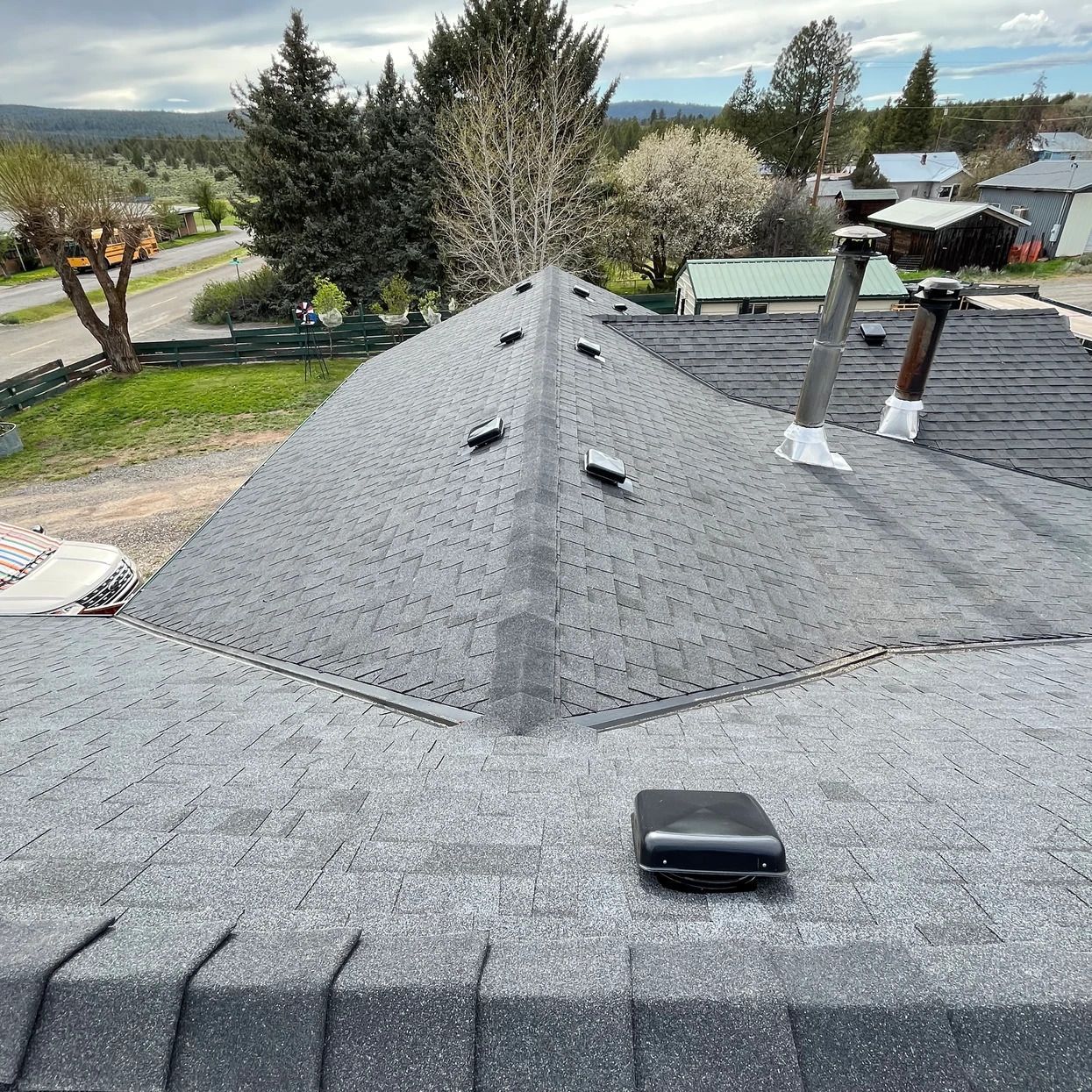
A metal roof in Keno needs more than straight panels and a clean ridge line. Near the Klamath River, each property's roof pitch, shade, wind exposure, and drainage route shape the work. Outlaw Roofing evaluates those conditions before recommending standing-seam installation, replacement, or repair. The goal is a connected roof assembly that manages water without overlooking the wood, flashing, and ventilation beneath it.
Outlaw Roofing is a veteran-owned roofer for homes and businesses, with custom metal fabrication services. We check seams, fasteners, vents, valleys, edge trim, underlayment, and accessible wood. We also trace indoor moisture: a stain may come from attic condensation or a wall joint, not a hole in the panels. The cause determines the repair.
For Keno homes, garages, and businesses, metal roofing must fit the building. Porches, chimneys, narrow drives, and trees can change panel handling and flashing. We review gates, staging, entrances, nearby structures, and protected outdoor areas before work. That review defines how the crew will bring in long panels and remove debris while keeping agreed access clear.
Our free inspection includes photographs and a written recommendation. Where both are reasonable, you can compare a defined repair with metal replacement. Call (541) 275-6189 to arrange a Keno assessment before selecting panels or accepting a scope that leaves existing problems concealed.
Metal Roof Problems Worth Investigating in Keno

Needles and Debris Trapped at Valleys and Panel Ends
On a tree-covered property, needles and leaves can collect where panels discharge into valleys or gutters. Damp buildup hides cut edges and can redirect water toward overlaps or walls. We check coatings, trim, drainage clearances, and supporting wood beneath the debris. Cleaning cannot replace repair of a corroded detail or a valley that drains incorrectly.
Loose Edge Trim and Movement at Roof Corners
Rattling rake trim, lifted ridge ends, and movement along an eave deserve attention even when the main panels remain in place. The problem may involve attachment, a missing closure, or a connection that has worked loose. Our inspection follows the affected edge into the adjoining assembly so a repair restores the intended fastening and drainage instead of simply covering movement with sealant.
Warning Signs on Your Keno Metal Roof
Raised Trim, Loose Screws, or Fresh Rust Streaks
From the ground, look for edge metal that no longer sits evenly, missing fasteners, displaced closures, or rust staining below a connection. Note whether the change followed wind or branch contact. Do not climb onto a slippery metal slope or try to tighten every visible screw. Photographs taken from a secure position help identify which areas need a closer professional inspection.
Ceiling Marks Near a Chimney, Vent, or Porch
Record where a stain begins and whether it appears during rain, thawing snow, or a dry cold spell. A narrow track below a pipe suggests a different route from broad dampness across several framing bays. We compare the interior pattern with panel joints, wall flashing, and ventilation conditions. That information helps keep the repair focused on the cause rather than the location where water finally appears.
Water Bypassing Gutters or Ice Near an Entrance
Watch drainage from a safe distance when conditions allow. Runoff behind a gutter, repeated overflow at a valley, or ice near a doorway can indicate a problem at the roof edge or discharge route. Metal also requires thought about where snow may leave a pitched surface. Keep people clear of an affected area and request an evaluation rather than attempting removal from the roof yourself. Tell the inspector which routes people use beneath the eaves and where snow or water collects. Mention any changes you noticed after a recent storm.
How We Plan Metal Roofing for Keno Homes, Garages, and Businesses
Step 1 — Inspect the Assembly and Property Access
We begin with the symptoms you have noticed and inspect accessible panels, seams, flashings, ridges, valleys, edges, and supporting conditions. The visit also covers driveway access, branch clearance, protected landscaping, material staging, and safe entrances. Panel length and roof geometry are considered early because handling a long metal section can require a different route from carrying small bundles of roofing.
Step 2 — Define Repairs, Replacement, and Hidden Work
The written scope identifies the areas being opened, the components being retained, and the details being replaced. Where repair is viable, we describe its boundary and the older roof that remains. Potential deck repairs are distinguished from confirmed work, with an explanation of documentation and approval. This makes it easier to compare complete proposals rather than a panel price that excludes essential preparation.
Step 3 — Confirm Project Requirements and Sequencing
Before scheduling, we confirm scope, review needs, and responsibilities. Required measurements, selected materials, delivery access, and weather protection shape the sequence. Owners know what must be resolved before installation begins. Timing depends on the inspected Keno roof, not a blanket promise.
Step 4 — Prepare the Deck and Install Connected Details
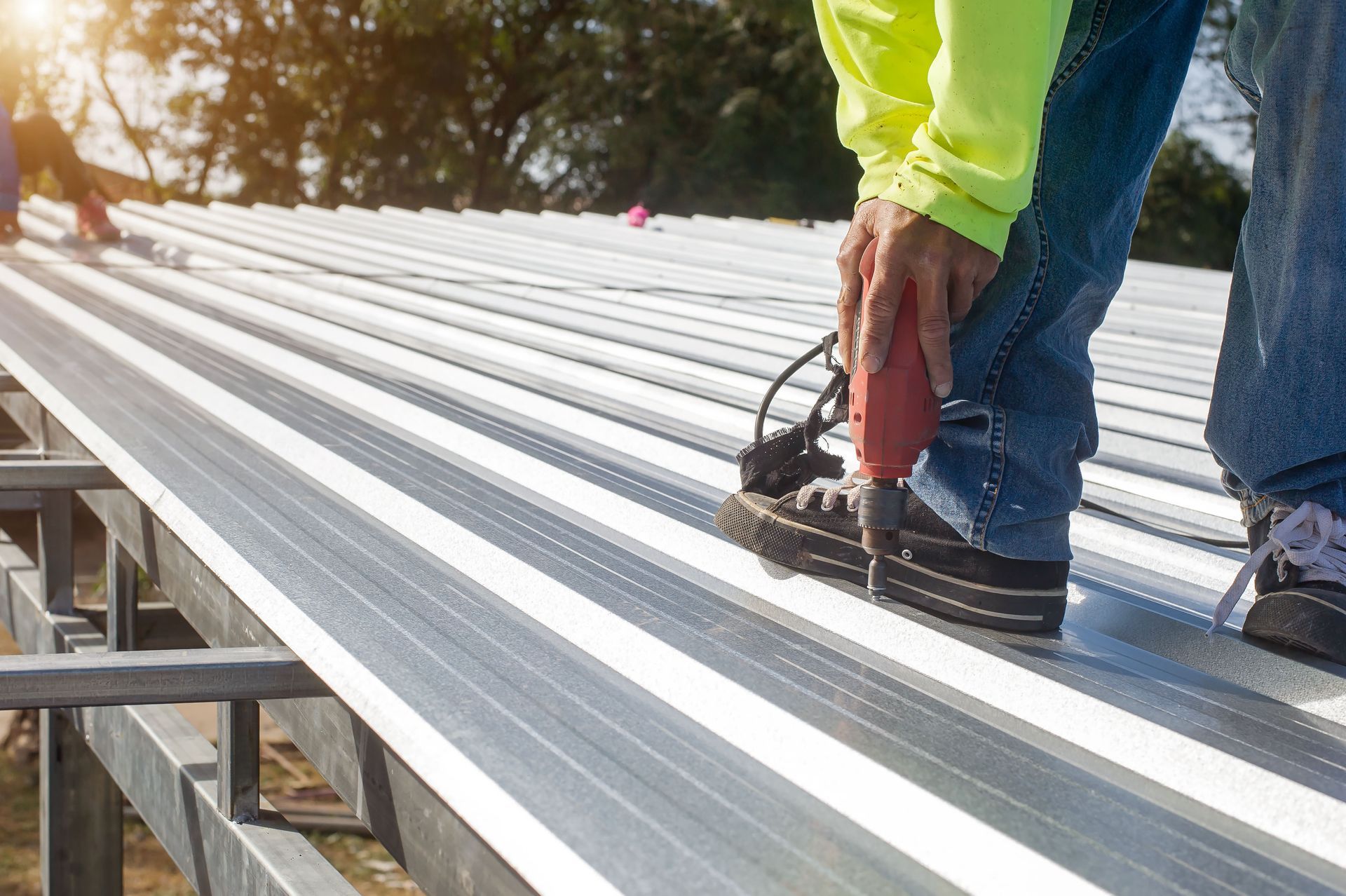
Work begins with property protection and controlled removal of the roofing included in the contract. Exposed wood is assessed before underlayment covers it. Panels, clips, seams, perimeter trim, and penetrations are installed as a coordinated system with the movement allowances required by the selected design. Open sections are limited to what can be secured during the available weather window.
Step 5 — Review the Roof and Clear the Work Areas
Cleanup covers removed roofing, packaging, fasteners, and cut metal. We clear affected gutters, paths, parking, and work areas using visual checks and suitable magnetic sweeps. The final review covers completed connections and the agreed scope. Owners receive project records and care guidance for the roof areas retained.
Metal Roofing Systems for Keno Properties
Standing-Seam Panels With Concealed Primary Fasteners
Standing-seam roofing places raised joints between panels and conceals the primary panel attachment. It can be an appropriate option when the roof geometry, substrate, and selected profile work together. Panel lengths, seam configuration, attachment, and transition details all affect the result. The decision should consider the full assembly and maintenance needs rather than assume all products described as standing seam perform identically.
Custom Trim for Valleys, Walls, and Changing Slopes
Custom fabrication helps metal meet the actual roof instead of forcing every junction to fit a generic piece. Eaves, rakes, valleys, wall transitions, and chimney areas need compatible details that carry water onto the next drainage surface. We assess how those pieces connect to the panels and underlayment, including movement at adjoining sections. Fabrication does not eliminate the need for sound decking or correct slope selection.
Underlayment and Moisture Control Beneath the Metal
The visible panel is only one layer of protection. Compatible underlayment, appropriate leak-barrier placement, properly integrated flashing, and a suitable ventilation strategy help protect the structure below. The assembly must also account for indoor moisture and how the deck can dry. We review those conditions together so an attractive metal covering does not conceal wet wood or an unresolved attic problem.
Repair or Replace a Keno Metal Roof?
Repair When the Defect Is Isolated and the System Is Sound
A failed pipe flashing, short damaged trim section, or limited panel defect may support a focused repair when neighboring material and attachment remain serviceable. The repair still needs compatible components and enough access to form proper connections. We explain any limitations involving older finishes, concealed fasteners, or shared seams so the owner understands what is corrected and what remains in service afterward.
Replace When Multiple Details or the Supporting Deck Have Failed
Repeated leaks across different slopes, widespread corrosion, unsound decking, or incompatible past repairs can make continued patching poor value. Replacement provides access to rebuild the support, underlayment, drainage details, and panel attachment together. The recommendation follows observed conditions rather than age alone. We identify which failures a new assembly would resolve and which separate building issues still require attention.
Weather and Exposure in Keno Metal Roof Planning
Cold Mornings and Moisture Inside the Assembly
Cold conditions in the Klamath Basin make the relationship between indoor moisture and roof temperature important. A metal surface does not cause every attic problem, but it cannot compensate for moisture entering an unsuitable assembly. At a Keno evaluation, we distinguish exterior entry from condensation and review the relevant ventilation and insulation clearances before recommending a surface repair alone.
Sunlit Panels and Changing Temperatures
Metal changes size as its temperature changes. Long panels need attachments and transitions that accommodate the selected system's intended movement rather than restrain it at conflicting points. We consider that movement at ridges, eaves, walls, and penetrations. A roof that looks straight at installation still needs room to respond to changing conditions without pulling against its connections.
Snow Discharge, Valleys, and Walkways Below
Where snow accumulates, a smooth pitched metal roof can release it toward a lower roof, gutter, or walking route. The plan should evaluate that discharge area and whether a properly designed retention arrangement is needed. Roof pitch, panel system, attachment, and building support matter together. A few randomly placed accessories are not a substitute for assessing the complete load path and entry layout.
Matching Metal Roofing to Your Keno Building
A heated house, unheated garage, and commercial roof need different reviews even when their panels look similar. Decking, interior use, pitch, additions, and moisture affect system selection. We inspect each Keno building rather than assume the same roof suits every property. Low-slope connections need separate attention when choosing panel profiles and flashing.
Example Keno Scenario — A Leak at a Porch Connection
Consider a home with a metal main roof and a porch that leaks during rain. Sound panels may surround a short transition where debris diverts water toward old flashing. An evaluation checks the slope, opens the connection where authorized, and examines the wood below. A repair might rebuild that junction and restore drainage without replacing every panel. The decision depends on the connection and surrounding roof, not the stain's size.
Why Choose Outlaw Roofing for Metal Work?
- Panel Handling Planned Around Your Property
Long metal panels need a clear handling route and protected storage. We review drives, gates, trees, vehicles, equipment, and entrances before work. This helps match the installation sequence to the property. Owners know which areas the crew needs kept clear and which home or business routes may be restricted while panels and debris are moved.
- Flashing Evaluated Separately From the Panel Surface
A replacement proposal should not quietly reuse a questionable pipe boot or corroded valley because the new panels will hide its age. We identify which existing components can remain and which need reconstruction. Attention to these smaller connections matters because water often enters at a transition rather than through the open field. Clear scope language makes those differences visible when you compare proposals.
- Veteran-Owned Experience and Defined Responsibilities
Our veteran-owned business brings 10+ years of roofing experience to repair and replacement planning. Each scope explains the work, exclusions, and responsibilities for required coordination. Concealed conditions are documented before changes are approved. You receive a practical agreement about the roof being built, including the retained components and any preparation needed before the new covering is installed.
- Cleanup That Includes Metal Offcuts and Fasteners
Cut metal, sharp screws, and packaging need deliberate control around occupied buildings. We protect designated work areas, remove debris as the project progresses, and check driveways, walkways, decks, and landscaping during cleanup. Magnetic sweeps support the search for ferrous fasteners, while visual inspection remains necessary for other material. The final review includes the outdoor areas people and pets will use afterward.
- Photographs That Explain the Recommended Work
Inspection photographs help you see why a seam, flashing, deck area, or roof edge appears in the proposal. We explain the connection between the finding and the recommended correction rather than rely on a general description of an old roof. When removal reveals additional damage, the change is documented and discussed. You retain a clearer record for future maintenance and any later roofing decisions.
What Affects Metal Roofing Cost in Keno?
Metal roofing cost depends on the measured roof, selected system, preparation, and detail work. Panel lengths, pitch, height, tear-off, wood repairs, valleys, penetrations, and access influence the scope. We separate confirmed work from possible concealed repairs so you can compare the included assembly, retained materials, and approval steps across proposals.
Long Panels, Driveway Access, and Protected Staging
Panel delivery and handling depend on the site, not just roof area. Trees, gates, parked vehicles, narrow approaches, and limited staging can affect access and protection. We identify those constraints before installation and explain their effect on the scope. The plan accounts for moving long panels and debris without treating access as an unexpected extra.
Valleys, Porch Tie-Ins, and Penetrations
A simple panel run involves different labor from several short runs around a chimney, addition, skylight, or wall. Each interruption needs a detail compatible with the selected metal profile and its drainage requirements. We evaluate whether existing flashing can be integrated or must be rebuilt. The estimate should account for those connections rather than treat all roof area as uninterrupted field panels.
Deck Preparation and Attic Corrections
Metal roofing needs an appropriate supporting surface and a moisture strategy suited to the building. Loose boards, deteriorated sheathing, uneven repairs, and blocked airflow may need attention before installation continues. The scope distinguishes visible damage from concealed conditions that can only be evaluated after removal. Any allowance should explain how the work is measured, documented, and approved rather than function as an undefined extra.
Review Requirements and Coordination in the Scope
Some work involves more coordination than replacing a roof covering alone, particularly when the supporting structure or approved design changes. We identify applicable review needs for the actual scope and clarify responsibilities before proceeding. Exact fees and procedures are not assumed from another property's project. Known coordination belongs in the written proposal alongside material, preparation, installation, and cleanup requirements.
What We Inspect on a Keno Metal Roof
Seams, Panel Ends, Rakes, and Ridge Connections
We look for disengaged joints, movement, corrosion, damaged finish, misplaced fasteners, and openings at panel ends or trim. The inspection also follows water through valleys and into the gutter transition. A loose edge may reflect a deeper attachment problem, while staining can come from debris resting against the surface. Findings are assessed as connected details rather than isolated cosmetic observations.
Penetrations and Flashing Beneath Visible Repairs
Pipe boots, chimney flashing, wall connections, and previous patches are reviewed for compatibility, layering, and movement. An exposed bead of caulk can hide an opening without explaining why it formed. We assess whether the assembly can be opened and rebuilt correctly, including surrounding metal and underlayment. That approach addresses the concealed water path instead of assuming another topcoat will provide a durable repair.
Deck Indicators and Interior Moisture Patterns
Where accessible, the underside of the roof helps distinguish concentrated entry from broad condensation. We look at stain locations, wood condition, insulation clearances, and exhaust paths without treating appearance alone as proof of a particular cause. A correction may involve roofing, ventilation, or another building component. The recommendation identifies that distinction so a panel repair is not sold as the answer to every moisture symptom. Comparing moisture timing with weather and indoor use helps explain why those separate corrections may be needed before the roofing is changed.
Getting Useful Service From a Keno Metal Roof
Condition Matters More Than an Assumed Lifespan
A metal roof's remaining service depends on its substrate, finish, connections, installation, maintenance, and exposure. The installation date is useful background, but it cannot establish whether one leaking detail requires replacement of the whole roof. We assess the current assembly and repair history before discussing options. No fixed lifespan is promised for an unidentified panel system or a roof that has not been inspected.
Check Coatings, Joints, and Areas That Hold Debris
Concealed primary fasteners do not make a metal roof maintenance-free. Trim, sealant joints, penetrations, and finish damage still need review, particularly where water or organic material collects. Use maintenance methods compatible with the installed product and avoid improvised coatings that may affect future work. A documented inspection can separate routine upkeep from a defect that needs a properly integrated repair.
Keep Drainage Open and Roof Access Professional
From a safe location, monitor gutters, nearby branches, and changes in the roofline after adverse weather. Arrange safe removal of debris before it packs into valleys or panel ends. Interior exhaust and attic airflow also deserve attention when dampness develops. Avoid walking on metal to investigate a small problem; surface conditions and concealed support make roof access a job requiring appropriate equipment and experience.
Quick Answers — Metal Roofing in Keno, OR
Can standing-seam roofing work on a Keno home?
Yes, on a roof with the right slope, support, and details for the chosen panels. We also check flashing, underlayment, and attic moisture. Concealed fasteners are one benefit, but do not replace a full roofing plan or make every shallow porch suitable for the same metal.
Why is my attic damp when it has not rained?
Condensation is one possibility when indoor moisture reaches cold surfaces, but an inspection is needed to identify the cause. We compare the moisture pattern with ventilation, insulation clearances, and possible exterior entry points. Broad dampness and an isolated trail beneath a vent suggest different investigations. Adding sealant to a panel is not a reliable diagnosis.
Should I tighten every screw on an older metal roof?
No. A loose or leaking fastener should be evaluated with its washer, hole, supporting material, and panel condition. Indiscriminate tightening may not repair a worn connection and can create further damage. The appropriate correction depends on the existing system. We identify the affected details before deciding whether fastener work, component replacement, or a wider repair is justified.
Does a metal roof need snow protection above a doorway?
The discharge area below the roof should be assessed where sliding snow could affect people or property. Whether retention is appropriate depends on the slope, panel system, attachment, and expected loading. It needs a compatible design, not a guessed accessory layout. Until a concern is evaluated, keep the area below potentially sliding snow clear.
Can I change from shingles to metal without ignoring old leaks?
Yes, the replacement scope should investigate those leaks before the new covering conceals them. Existing layers, deck condition, flashings, ventilation, and roof geometry need review. We explain the removal and preparation included in the proposal and document concealed damage when exposed. A new panel surface alone will not correct every fault in the assembly beneath it.
Roofing Services Supporting Your Keno Metal Project
Residential Roofing Evaluation
We assess how a home's roofing, decking, ventilation, and drainage work together before proposing a metal conversion or repair. The recommendation follows the property rather than a material preference alone.
Complete Roof Replacement Planning
A defined replacement scope coordinates removal, deck assessment, approved repairs, underlayment, flashing, ventilation, and the finished covering. Metal selection is considered within that complete assembly.
Targeted Repairs and Leak Diagnosis
A limited failure at a vent, wall, valley, or damaged roofing area may be repairable without replacing every slope. We investigate the cause and explain the surrounding material that remains.
Book Your Free Keno Metal Roof Inspection
A loose rake, stained ceiling, deteriorated flashing, or questionable porch connection deserves a defined diagnosis. Outlaw Roofing will review the metal roof and supporting details, document relevant findings, and explain practical repair or replacement options. Call (541) 275-6189 to schedule a free Keno evaluation and move forward with a written scope based on the actual condition of your property.
Frequently Asked Questions — Keno Metal Roofing
Can a branch damage metal without making a hole?
Branch contact can abrade a coating, deform trim, or leave debris against a drainage detail without producing an obvious puncture. The affected area should be assessed for both surface and connection damage. We examine neighboring seams and support as well as the visible mark. Safe pruning and a compatible roofing correction address different parts of the problem.
Can metal cover a porch with a shallow pitch?
That depends on the exact panel system and the measured slope. A profile suited to the main roof may be unsuitable for a shallower porch, especially at a transition receiving concentrated runoff. We review the product requirements and connection details before recommending it. A different low-slope assembly may be needed rather than forcing the same panels everywhere.
What happens if the deck is uneven after tear-off?
The exposed support is checked for flatness, deterioration, movement, and suitability for the intended attachment. Necessary repairs are documented and discussed before the new layers are installed. Covering loose or unsound wood can leave problems beneath otherwise sound metal. The written scope should explain how concealed preparation is authorized so additional work is understood when it becomes visible.
How can I establish the age of an existing metal roof?
Look for installation invoices, product records, dated photographs, seller documentation, and previous inspection reports. Fading or surface appearance alone cannot establish an exact installation date. Keep any available records for the evaluation, but expect the recommendation to depend on current seams, coatings, attachment, flashing, and deck condition rather than an age estimate by itself.
Why does runoff miss the gutter below my metal roof?
Panel ends, edge flashing, gutter position, blockage, and concentrated valley flow can all affect where water travels. We trace drainage from the slope to the outlet and discharge point before identifying a correction. Replacing the gutter without checking the roof edge may leave the cause unchanged. The solution should connect the roofing and drainage details appropriately.
What documents should accompany a new metal roof?
Keep the signed scope, approved changes, invoices, product identification, finish information, and any applicable warranty documents. Written terms should identify what is covered and what maintenance or reporting is required. Product, finish, and workmanship terms may address different matters. Review the actual documents rather than assume a long material warranty covers every possible roofing issue.
Can metal roofing work be planned during cold weather?
Potentially, but scheduling depends on safe access, surface conditions, the forecast, and the installation requirements of the selected materials. A clear day does not automatically make every underlayment or sealant suitable for use. We discuss weather protection and sequencing before opening the roof. The installation window follows those project conditions.
How should I prepare a driveway for long metal panels?
Move vehicles and stored items from the agreed delivery and handling route, and keep gates available as discussed during scheduling. Secure pets away from crew access and relocate fragile objects near work areas. We explain staging restrictions before installation begins. The required space depends on panel length, roof access, and the property's layout rather than a fixed parking plan.
When is an inspection useful before winter?
Arrange an evaluation when you notice loose trim, recurring moisture, blocked valleys, fresh rust streaks, or changes around penetrations. Planning before those issues become active leaks can help define repair options and weather protection. An inspection is also useful before converting an older roof to metal, especially with unknown deck or ventilation history.
Can one metal slope be replaced while the rest stays?
It may be possible when there is a workable separation and the retained assembly remains sound. Shared ridges, valleys, profile compatibility, finish differences, and available matching components all affect the decision. We describe the proposed boundaries and limitations before recommending partial replacement. A clean visual division alone does not prove the drainage and attachment can be integrated reliably.