Metal Roofing Contractor in Grants Pass, OR
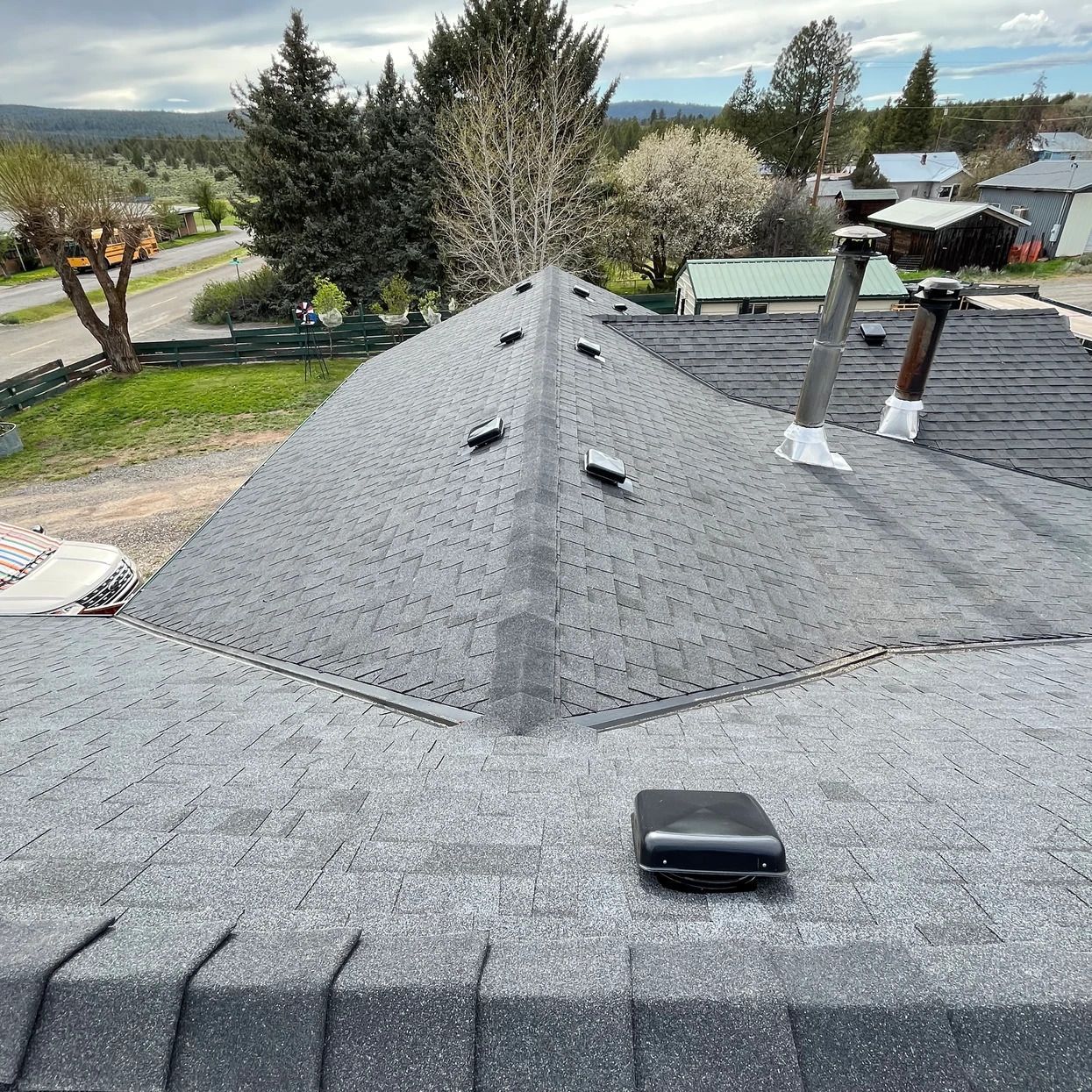
Metal Roofing Planned for Winter Runoff and Lasting Connections
Winter rainfall and warm summer conditions make drainage and durable connections important parts of a Grants Pass metal roof. Water must move past valleys, vents, walls, and panel ends without finding a concealed route into the building. Outlaw Roofing evaluates those details for homeowners and businesses considering metal installation, replacement, or repair, with recommendations based on the roof's condition rather than its appearance alone.
Our veteran-owned business provides residential and commercial roofing and custom metal fabrication. The review includes panel joints, fasteners, trim, underlayment indicators, supporting wood, and moisture evidence where accessible. We connect exterior findings with interior symptoms to distinguish a roofing leak from condensation or another building-envelope issue. That distinction matters before any repair is proposed or sound material is removed.
A tree-shaded Grants Pass roof may need attention to debris pockets, while an open roof with several valleys can have demanding runoff connections. The building determines the scope. We review driveways, gardens, patios, nearby structures, and occupied entrances so deliveries and removal can be planned around the property before materials arrive and installation begins.
Our free inspection, photographs, and written recommendation explain practical options for your roof. We identify what can be repaired, what replacement would address, and which preparation is needed. Call (541) 275-6189 to arrange a Grants Pass metal roof evaluation before recurring moisture causes further deterioration beneath the covering.
Metal Roof Problems That Need a Proper Repair

Debris Diverting Water at Valleys and Panel Ends
Leaves and needles can collect where roof planes meet or discharge into gutters. On metal, damp pockets may retain moisture against edges and divert runoff toward seams or walls. We inspect coating condition, flashing, and drainage beneath the buildup. Clearing debris helps, but a damaged connection can still need reconstruction after the area is clean.
Leaks at Chimneys, Sidewalls, and Older Patches
A leak beside a chimney or wall can start above the visible stain. Short flashing, failed laps, and old patches may let water travel under metal before reaching the room. We trace that route and check nearby materials. A repair should restore the hidden drainage layers rather than add sealant to the newest crack while leaving the original path open.
Warning Signs on a Grants Pass Metal Roof
Recurring Stains After Rain or Wind-Driven Weather
Keep a record of where moisture first appears and the weather occurring at the time. A mark near a wall or vent may indicate a different entry path from water spreading along the eave. Photographs can help compare events without entering unsafe areas. We use that history with the inspection to identify the source rather than treating each recurrence as an unrelated leak.
Loose Trim, Exposed Openings, or Damaged Finish
From the ground, look for displaced ridge pieces, a rake edge that has lifted, a visible opening around a penetration, or fresh staining below a metal connection. These observations are useful even without roof access. Do not climb onto wet panels to verify them. A closer evaluation should examine fastening and surrounding details as well as the visible surface change.
Gutter Overflow and Damp Wood Near the Roof Edge
Overflow after cleaning can signal poor drainage or gutter position rather than debris alone. Note damp fascia, eave stains, or runoff against siding. We check the upper roof, valleys, edge metal, and outlet as one route. Replacing a single piece without tracing that flow can leave the original leak or overflow problem in place.
Our Approach to Grants Pass Metal Roofing
Step 1 — Trace Moisture and Review Roof Conditions
We start with the reported concern and inspect accessible panels, seams, edges, valleys, penetrations, and interior evidence. The assessment considers where water travels before it reaches the visible symptom. Deck indicators, ventilation, tree cover, and existing patches provide additional context. Access, staging, nearby planting, and occupied routes are reviewed during the same visit so the proposed work fits the property.
Step 2 — Explain the Repair Boundary or Replacement Scope
The proposal identifies which roof areas and connected components need work. A repair recommendation explains how the detail will be accessed and integrated with sound surrounding material. A replacement scope includes preparation beneath the panels rather than treating it as incidental. Potential hidden damage is addressed with documentation and approval procedures so the owner knows how newly exposed conditions will be handled.
Step 3 — Resolve Coordination and Weather Protection
Before work proceeds, we clarify applicable project requirements, responsibilities, selected details, and material sequencing. Weather protection is considered alongside the amount of roof being opened and the access needed to secure it. A Grants Pass repair during unsettled conditions may need a different sequence from a larger replacement in a suitable window. Scheduling follows the approved scope rather than an unsupported universal timeline.
Step 4 — Rebuild the Water-Control Details
The crew protects designated areas and removes the roofing included in the contract. Exposed wood is inspected, authorized repairs are completed, and compatible underlayment is installed before the finished covering. Panel connections, valleys, penetrations, and wall flashing are assembled to shed water in the intended direction. Particular attention goes to lower intersections where several roof sections discharge into a limited space.
Step 5 — Inspect Drainage and Complete Cleanup
We review the completed roofing details and clear construction material from gutters and affected ground areas. Cleanup addresses sharp metal, screws, removed roofing, packaging, and excess supplies using visual checks and appropriate magnetic sweeps. The final discussion covers the finished scope, applicable documents, and practical care. Owners leave with a record of what changed and which older components remain in service.
Metal Roofing Materials and Details for Grants Pass
Standing-Seam Roofing Where the Design Supports It
Standing-seam metal can provide a roof surface with raised joints and concealed primary fastening. Suitability still depends on pitch, profile, support, attachment, and the details around openings. We evaluate how water will move through the complete roof before recommending it. A simple slope and a complex lower addition may need different details despite a shared finish.
Custom Metal at Valleys, Walls, and Roof Edges
Fabricated trim helps create connections around the actual roof geometry. Valleys, chimney areas, sidewalls, and eaves need compatible pieces that meet adjoining layers without forming water traps. We assess dimensions, laps, movement, and the condition of nearby materials before specifying these details. Custom work is most useful when it supports a clear drainage route rather than hides an unresolved junction beneath decorative metal.
Underlayment, Sound Wood, and Moisture Management
A finished metal surface relies on supporting layers that remain suitable for the building. Underlayment, targeted leak protection, decking, flashing, and ventilation should be evaluated together. Where damp wood or attic moisture is present, the source needs attention before new panels cover it. The scope should explain these preparations so a panel upgrade does not leave the underlying cause of deterioration in place.
Repair Versus Replacement for Metal Roofing
Use a Focused Repair for a Serviceable Roof With One Defect
A limited flashing failure, damaged trim section, or isolated panel problem may be corrected without removing sound slopes. That approach depends on compatible components and access to rebuild the detail correctly. We identify the retained roof and explain any finish or connection limitations. A reasonable repair should interrupt the actual leak path, not rely on repeated patching over a joint whose condition remains unknown.
Replace When Failures Extend Beyond a Reliable Repair Boundary
Several leaking transitions, broad corrosion, deteriorated support, or incompatible past alterations can make a complete scope more practical. Replacement permits the deck, underlayment, ventilation, flashing, and metal covering to be coordinated again. We explain which findings support that recommendation and what remains outside the roofing work. The decision should follow inspection rather than assume that every old roof or every stain requires replacement.
Grants Pass Weather and Roof Exposure
Winter Rain and Concentrated Drainage
Grants Pass receives its wetter conditions during the winter season, making clear runoff routes an important maintenance and design consideration. Valleys, short gutters, and lower roof intersections can receive water from several planes at once. We assess those connections as a sequence, not separate accessories. A sound field panel cannot compensate for a transition that redirects water beneath the covering.
Summer Warmth and Metal Movement
Warm summer conditions bring a different consideration: metal panels and their connections must accommodate temperature-related movement. The required details depend on the selected system and panel lengths. We review attachment alongside trim, penetrations, and end conditions so one part does not restrain movement intended elsewhere. A roof needs that coordination even when the main reason for replacing it is a winter leak.
Shade, Branch Contact, and Slower Drying
Where trees shade the property, damp debris may remain in valleys or against panel ends longer than on an open slope. Branch contact can also wear a finish or displace trim without creating a clear puncture. We evaluate those conditions at the site rather than assume every Grants Pass roof has the same exposure. Maintenance advice should reflect the actual shade and drainage pattern.
Selecting Metal for Different Building Configurations
The condition of a Grants Pass house, garage, or commercial property determines the roofing approach more than the material name does. Heated spaces, additions, roof openings, mixed pitches, and older deck repairs can each affect suitability. We examine the existing construction and explain any sections needing a different detail or system. The aim is coordinated protection across the building, not uniform panels at the expense of drainage.
Example Grants Pass Scenario — A Persistent Wall Leak
Consider a property where water reappears beside a wall after sustained rain despite several visible patches. A valley above the area may deliver runoff toward short flashing concealed under the metal. Investigation would trace that route, assess the adjacent wood, and establish whether the connection can be opened and rebuilt. Correcting the flashing and drainage may preserve sound panels elsewhere. The useful scope explains the hidden cause instead of repeating the same surface treatment.
Why Work With Outlaw Roofing?
- Protection Planned for Gardens, Patios, and Access
Roof removal and metal handling affect more than the surface overhead. We discuss planted areas, patios, parked vehicles, gates, and neighboring structures when defining staging and debris routes. Property-specific protection helps make those constraints part of the plan. Owners understand the areas needing clearance and temporary restriction before the work begins, rather than discovering conflicts when panels and removal equipment arrive.
- No Assumption That Old Flashing Can Stay
Reusing a questionable connection can undermine otherwise careful roofing work. We assess existing vents, wall details, valleys, and perimeter metal separately and describe whether they will remain or be replaced. That distinction matters when reviewing prices because the visible panel coverage may look the same in two proposals. The complete scope needs to identify the condition and treatment of the less visible parts.
- Veteran-Owned Service and Documented Scope Changes
Outlaw Roofing combines veteran ownership with 10+ years of roofing experience. Recommendations follow observed conditions and a written scope that identifies responsibility for necessary coordination. When removal exposes conditions that change the work, we document the finding and request approval. Owners can review the required correction and its cost before additional preparation is concealed beneath new roofing.
- Cleanup Around Walkways and Lived-In Spaces
Metal fragments, fasteners, and removed roofing need careful collection around a home or business. We use controlled work areas, clear debris during the project, and inspect affected paths, parking, patios, and landscaping at closeout. Magnetic sweeps help with ferrous fasteners; visual checks address other scraps. The cleanup review includes drainage components where small pieces may have collected during removal and installation.
- Clear Photographs and Practical Explanations
Roofing recommendations should connect to findings you can understand. We use photos to show failed joints, damaged wood, and the limits of proposed work. When repair and replacement are both reasonable, we explain each option and what older material remains. These records also help later inspections identify new changes rather than rely on memory of past roof conditions.
What Affects Metal Roofing Cost in Grants Pass?
Price reflects area, pitch, height, selected metal, preparation, and detail work. Several valleys or tight staging can cost more to address than an open gable. We explain the scope and allowances before comparing options. The estimate identifies flashing, deck repairs, retained parts, and cleanup so you can judge the complete work, not only the number of panels.
Trees, Property Protection, and Material Access
Trees, narrow drives, gardens, and nearby buildings affect panel handling and debris removal. Roof height and pitch also shape safe access and protection. We review these conditions before work, including the routes you need to use during installation. The plan explains staging and its effect on labor rather than leaving access costs to be discovered later.
Chimneys, Valleys, and Lower Roof Intersections
Detailed flashing can represent a meaningful part of a metal roofing scope. Chimneys, sidewalls, skylights, and lower additions interrupt panel runs and may require work beneath adjoining surfaces. We inspect those connections before pricing their treatment. A proposal that keeps aging metal around every opening is not equivalent to one that rebuilds it, even when both describe the same new roof covering.
Wet Decking and Drainage-Related Repairs
Leaks near valleys or overflowing edges can damage supporting wood that is not fully visible until removal. The estimate distinguishes confirmed repairs from potential additional work and explains how that work will be authorized. Correcting the cause may also involve edge details or ventilation. A clear scope prevents the new metal from being treated as a substitute for repairing the structure beneath it.
Material Details and Required Project Review
Profile selection, compatible trim, underlayment, and the treatment of existing components all affect the final scope. Any applicable review or inspection coordination needs a clear responsible party. We confirm what applies to the proposed work instead of importing another project's assumptions. Known responsibilities should be documented alongside the construction items so the owner can compare complete proposals on the same basis.
Inspection Priorities for a Grants Pass Metal Roof
Valleys, Panel Ends, and Gutter Transitions
We check for trapped material, damaged finish, corrosion, openings, and poorly connected drainage layers. The inspection follows the water path through the edge into the gutter rather than stopping at the panel surface. A blockage may coexist with an installation defect, so both require consideration. Findings identify whether upkeep, a localized correction, or more extensive reconstruction is appropriate for that part of the roof.
Chimney Flashing, Sidewalls, and Pipe Openings
These areas are reviewed for missing or short layers, incompatible patches, failed seals, and movement at connections. We examine surrounding metal and accessible adjacent materials to understand where water can travel. A repair should address the complete junction, including the concealed layers when necessary. Treating the last visible crack alone may leave the same path available during the next period of sustained rain.
Interior Stains, Ventilation, and Wood Condition
Evidence beneath the roof helps locate moisture sources. Narrow tracks, broad discoloration, and damp insulation can suggest different causes, but appearance alone is not a diagnosis. We compare accessible interior areas with exterior findings. The scope identifies roof defects and any ventilation or building issues that a panel repair would leave unresolved.
Maintaining a Metal Roof Through Changing Seasons
Judge Remaining Service by Condition, Not Appearance Alone
An older finish can look weathered while the underlying metal and connections remain serviceable. Conversely, an attractive panel field can conceal deteriorated flashing or support. We evaluate both surface condition and system performance before recommending replacement. Records of installation and earlier repairs help, but they do not replace an inspection. Longevity should be discussed for the inspected roof and its materials.
Address Debris Without Damaging the Installed Finish
Material lodged in a valley or against a panel end should be removed with methods suitable for the roof system. Abrasive cleaning, unsuitable chemicals, or unapproved coatings can create new problems. Use the product's maintenance guidance and professional advice where condition or access is uncertain. The purpose is to keep drainage open and preserve protection, not make the roof look clean at the expense of its finish.
Recheck Drainage and Connections After Noticeable Changes
A new stain, wind-related noise, branch impact, or return of gutter overflow warrants a closer assessment. Safe ground-level observations and dated photographs help describe what changed. Continue attention to indoor exhaust and attic moisture as well as the exterior roof. Maintenance is most useful when it responds to actual conditions instead of assuming that concealed fasteners remove the need for future inspections.
Quick Answers — Metal Roofing in Grants Pass, OR
Why does a chimney leak return after it has been caulked?
The original water path may remain beneath the visible patch. Flashing layers, panel connections, and drainage above the chimney need evaluation together. A lasting correction may require opening the junction and rebuilding it with compatible details. We identify the route before recommending more material on the surface, because a new bead alone does not explain the recurring failure.
Can leaves cause problems on an otherwise sound metal roof?
Yes. Trapped leaves can slow drying and divert water where panels meet valleys, walls, or gutters. The condition beneath the debris should be checked for coating damage and deterioration. Clearing it is part of maintenance, but an existing defect may still need repair. A roof-safe method and appropriate access are important when removing material from metal surfaces.
Why does one valley overflow while the rest drains normally?
That valley may collect water from several roof planes or have a restriction at its lower end. Flashing geometry, debris, gutter position, and outlet capacity can all contribute. We trace the complete route before recommending a change. An isolated overflow problem is not necessarily a failure of the entire roof, but it should not be dismissed as ordinary drainage.
Can growth on metal be removed without replacing the roof?
Often the first step is evaluating and safely cleaning the affected area rather than assuming replacement is needed. Growth or surface buildup does not establish the condition of the metal underneath. We check coatings, edges, connections, and drainage after identifying a suitable maintenance method. Any recommendation should address both the present condition and the reason moisture persists in that location.
Should a leak wait until the rainy season has ended?
A new or recurring leak should be assessed rather than left unexplained for months. Safe inspection and the timing of repair depend on access, weather, and the required work. We discuss appropriate sequencing after reviewing the concern. Reporting the symptom early helps define the problem. Timing depends on the inspected roof, not the season alone.
Roofing Services for Your Grants Pass Project
Residential Roof and Moisture Assessment
We evaluate the roof covering with supporting wood, ventilation, and drainage to help homeowners understand a leak or plan a material change. Recommendations follow the condition of the complete roof.
Replacement of the Complete Roofing Assembly
Replacement planning includes removal, inspection, approved substrate work, underlayment, flashing, and the selected covering. The scope addresses difficult water paths before new metal closes the roof.
Repair of Defined Leaks and Damaged Areas
A repair can be appropriate where a failed connection or limited damaged area is surrounded by serviceable roofing. We explain the diagnosis, access, retained materials, and practical limitations.
Get a Free Grants Pass Metal Roof Inspection
Recurring rain stains, corroded connections, displaced trim, or runoff behind a gutter deserve an explanation before another patch is chosen. Outlaw Roofing will assess the roof and related details, document findings, and prepare a clear recommendation. Call (541) 275-6189 to arrange your free Grants Pass metal roof inspection and discuss a defined repair or replacement scope for the property.
Frequently Asked Questions — Grants Pass Metal Roofing
Does a small rusty area require a full metal replacement?
Not automatically. The cause, depth, extent, and surrounding condition need inspection. A rusty fastener or damaged coating presents a different question from widespread loss of sound metal. We determine whether a compatible local correction is possible and explain its boundaries. Concealing corrosion with an unspecified coating is not equivalent to establishing that the existing roof remains suitable for service.
Why is water running behind a recently cleaned gutter?
The roof-edge detail, gutter position, attachment, or discharge route may be involved even when the trough is clear. We inspect how water leaves the panels and whether the flashing directs it appropriately. Concentrated flow from a valley also deserves attention. The recommendation may involve the roofing and gutter connection together rather than another cleaning of an already open channel.
Can indoor humidity look like a metal roof leak?
Yes. Moisture condensing on cold surfaces can produce damp wood or stains that resemble exterior entry. The timing and distribution help guide the inspection, but the cause needs to be checked. We review ventilation, accessible attic conditions, and exterior details together. Repairing a panel joint will not necessarily resolve moisture that originates inside the building.
Can the connection to an addition be repaired separately?
It can be when the surrounding roof remains serviceable and the junction can be opened and rebuilt reliably. The scope may include deck repair, compatible underlayment, and new flashing beneath both sides of the connection. Roof pitch and runoff from above affect the decision. We explain the retained areas and limitations rather than assume every addition requires replacement of the main roof.
Should branches be trimmed before the roofing project?
Branches that obstruct access or contact the roof should be discussed during planning. Safe clearance may help protect the finish and reduce recurring debris, but pruning needs to be handled appropriately. We identify the roofing access issue and coordinate the work sequence with the owner. Do not attempt hazardous tree work simply to prepare for an inspection or material delivery.
Can an older metal roof just be recoated?
A coating is not a universal solution for leaking seams, unsound attachment, or deteriorated support. The existing metal, finish, and proposed product must be assessed for compatibility and suitability. We do not assume a coating service or system is appropriate without that information. Any recommendation should explain what the treatment would address and which underlying defects still require separate correction.
How should landscaping and outdoor furniture be prepared?
Discuss sensitive planting, furniture, decorations, and outdoor equipment during the assessment. Move portable or fragile items away from the agreed work and drop areas, and keep access routes clear. The crew's protection plan should account for items that cannot be moved. Preparation follows the property's layout, so avoid assuming one standard clearing distance applies around every building.
Does metal eliminate the need to maintain roof valleys?
No. Valleys still receive concentrated runoff and can collect debris or develop problems at their connections. Concealed primary fasteners do not remove those maintenance needs. Watch for overflow, staining, and material buildup from a safe location, and arrange review when conditions change. Regular attention helps distinguish a simple blockage from damage requiring a more deliberate repair.
How are sharp metal scraps addressed during cleanup?
Offcuts and fasteners are collected along with packaging and removed roofing. Cleanup includes affected paths, parking, patios, and landscaping, with magnetic sweeps for ferrous pieces and visual searches for other material. We also clear construction debris from gutters. The final review covers the areas used by people and pets rather than assuming that removal of the main debris pile completes the work.
What records help when a roof has been repaired several times?
Gather previous scopes, invoices, dated photos, inspection findings, and product or warranty documents where available. They can show which areas were opened, what materials were added, and whether the same symptom has returned. We compare that history with present conditions. Records improve the evaluation but do not replace checking whether the current panels, support, and connections remain sound.