Commercial Roofing Contractor in Gold Beach, OR
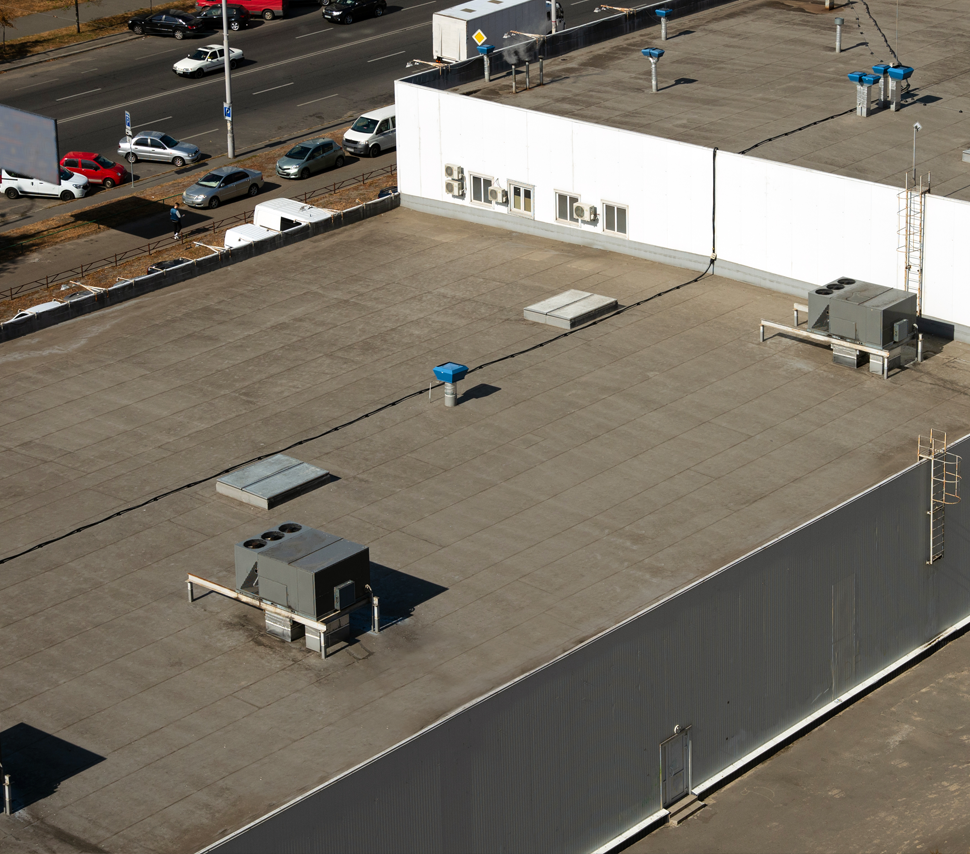
Roof Work Planned for Coastal Exposure and Occupied Buildings
In Gold Beach, where the Rogue River meets the Pacific, a commercial roof needs a plan for weather exposure and the business underneath. Rain in a guest corridor, damaged shop flashing, or runoff across a service entrance can disrupt an otherwise usable building. The response starts by locating the failure and checking connected roof sections, not assuming every leak requires complete replacement.
Outlaw Roofing provides commercial roof repairs, replacements, and custom metal fabrication. We are a veteran-owned contractor with more than 10 years of roofing experience. Our evaluation considers the covering, deck indicators, flashing, edges, penetrations, and drainage together. That approach helps distinguish a limited opening from a wider assembly problem and gives the property owner a clearer basis for choosing the work.
An occupied inn, restaurant, office, or shop has constraints that a roof measurement cannot reveal. Guest access, food deliveries, outdoor seating, employee parking, and equipment routes may overlap with staging areas. We identify those conflicts before work starts. The protection plan explains access restrictions and which responsibilities belong to the owner, tenants, or other contractors. Discuss critical delivery times during that conversation.
Bring the leak history, previous proposals, and available roof records to the first discussion. We explain what the inspection supports, what remains concealed, and how a proposed repair or replacement addresses the problem. Call (541) 275-6189 to arrange an evaluation for your Gold Beach commercial property. For an off-site owner, identify the person authorized to approve access and additional work discovered when roofing is opened.
Commercial Roof Problems in Gold Beach


Wind-Driven Entry Behind Fascia and Wall Flashing
A building may stay dry in ordinary rain yet leak when wind pushes water against an exposed edge or wall. Loose fascia covers, short flashing laps, and deteriorated transitions can admit moisture behind intact roofing. We inspect the connection and adjoining materials before recommending repairs. The correction must restore the concealed water path as well as the visible metal. Defined roof and wall repair boundaries also keep necessary work from falling between separate contractors.
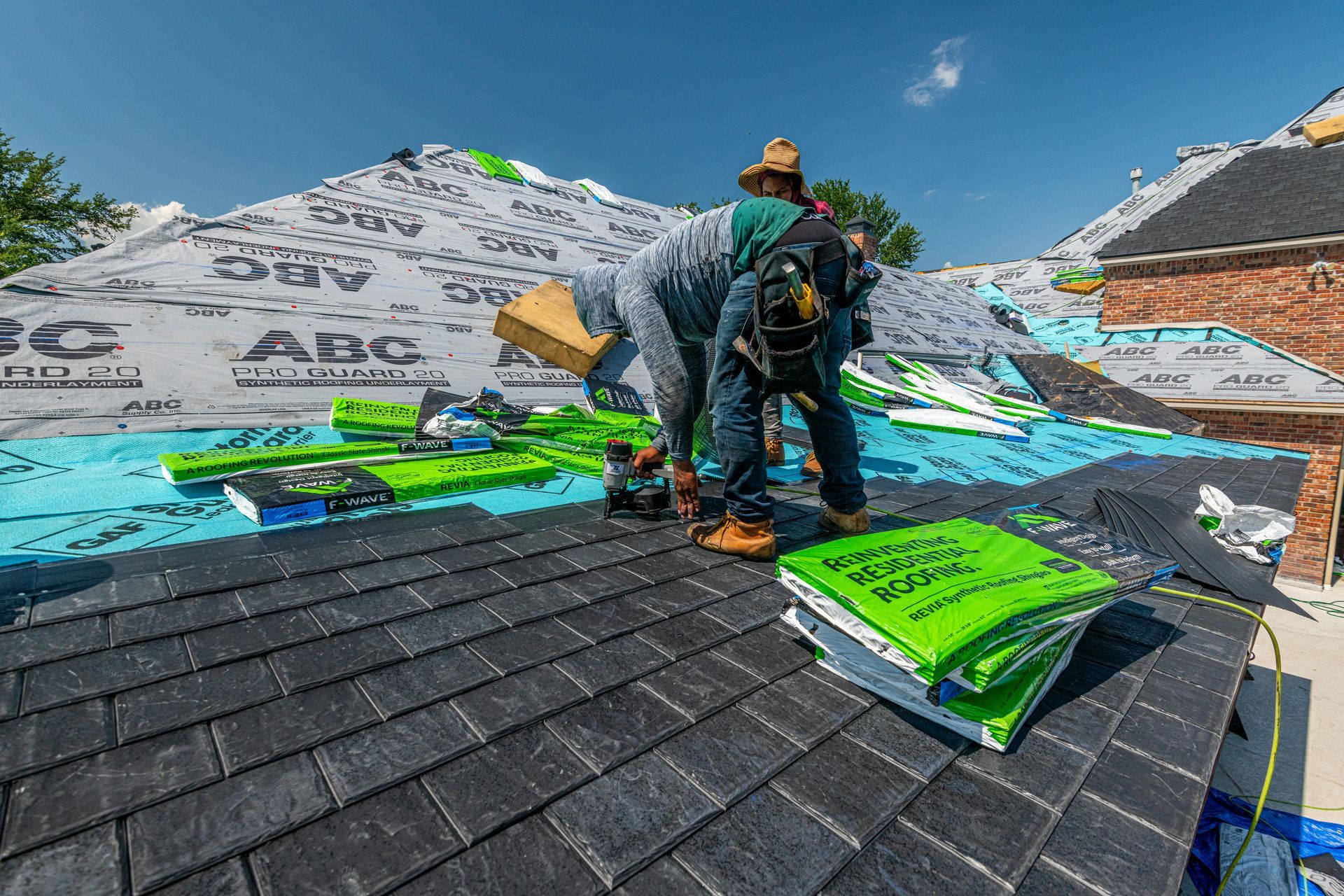
Corrosion at Fasteners, Panel Ends, and Trim Joints
Inspect weathered metal where finishes are damaged, fasteners are exposed, or debris keeps joints damp. For buildings receiving marine exposure, compatible metals and protective finishes matter. Rust marks alone do not establish deterioration's extent. We examine attachment, backing, laps, and material loss before deciding whether a component repair remains practical or replacement is needed.

Warning Signs for Gold Beach Property Managers
Leaks That Appear Only During Strong Weather
Do not dismiss a leak because it stops when the wind changes. Record the room location, apparent wind direction, rainfall, and time the moisture appeared. Photos taken from a safe interior position help connect the symptom with an exposed wall, roof edge, or transition. An intermittent leak can still wet concealed material repeatedly even when the ceiling looks dry between storms.
Water Marks Above Corridors, Doors, and Service Areas
Peeling paint, stained soffits, recurring ceiling discoloration, or damp material over a covered walkway can indicate drainage or flashing trouble. Note whether water appears near an upper roof outlet or only along one exposed side. Keep people clear of loose or sagging finishes. Tracing the connected roof levels is more useful than repeatedly repainting the same mark without establishing its source.
Changing Roof Noise or Metal Debris on the Ground
Rattling fascia, a newly lifted trim corner, or metal fragments near parking spaces suggest a connection needs attention. Keep guests and staff away from possible falling material and report the affected side of the building. Do not attempt an improvised roof-edge repair during wind. Attachment, adjacent components, and the backing beneath them need evaluation before a loose section can be secured appropriately.
Our Gold Beach Commercial Roofing Process
Connect the Leak History With the Roof Layout
We discuss when the problem occurs, which rooms are affected, and what earlier repairs attempted to address. Accessible roof sections, wall connections, drainage, and interior clues are reviewed together. We also note entrances, guest or tenant routes, and delivery needs. The purpose is to establish the repair problem and the operating conditions the work must account for.
Put the Proposed Assembly and Limits in Writing
The proposal describes removal, repair areas, materials, flashing, protection, and cleanup. It separates confirmed conditions from concealed items and identifies how additional damage will be documented for approval. Where several approaches are practical, we explain the differences in retained roofing, tie-in limitations, and maintenance. The owner can then compare scopes without assuming every estimate includes the same underlying work.
Resolve Approvals, Equipment Needs, and Scheduling
Before installation, we review permit and inspection responsibilities for the actual property and scope. The owner identifies tenant contacts, restricted operating periods, and any equipment work requiring another contractor. Materials and access are coordinated around those dependencies. A lodging property, restaurant, and vacant commercial unit may each need a different work sequence even when the roof area is similar.
Sequence Removal Around Weather and Building Use
The crew establishes protection and controlled debris areas before opening roofing. Work progresses in manageable sections that can be inspected and weather-protected within suitable conditions. Exposed wall connections, lower roof tie-ins, and roof edges are not left as afterthoughts. Planned access restrictions are communicated as the work moves, with adjustments discussed if weather or concealed damage changes the original sequence.
Review Completed Work and Reopen Protected Areas
We check the roof details included in the scope, remove roofing waste, and inspect affected gutters and ground-level work routes. Magnetic sweeps help recover ferrous fasteners around accessible collection areas. The closeout discussion covers finished repairs, retained roof sections, and applicable product or warranty information. Owners receive a record they can use for maintenance and later building decisions.
Commercial Roof Materials for Gold Beach
Pitched Systems for Offices, Shops, and Lodging
Architectural shingles can suit appropriate pitches, substrates, and building designs. Starter courses, edge fastening, underlayment, valleys, and wall connections must accompany the field material. Ventilation needs review where the assembly uses a vented attic. A steep guest-room roof and a shallow service addition should not automatically receive identical materials or details.
Metal Panels With Thoughtful Coastal Transitions
Standing-seam roofing can suit commercial rooflines that allow the selected panels to drain and move as intended. Fabricated trim, closures, attachment, and penetrations are central to performance. Exposure should inform the chosen metal and finish, with compatible components at each connection. Our custom metal work is planned around actual dimensions and transitions rather than forcing a stock detail onto an unsuitable roof junction.
Supporting Layers and Low-Slope Roof Compatibility
The material beneath the finished covering matters when water reaches a seam, edge, or roof-to-wall connection. Underlayment and flashing must connect correctly, while an existing low-slope membrane needs its own compatibility assessment. Deck condition, insulation where present, and outlet arrangement affect the decision. The proposal identifies the suitable system and any additional specialist scope instead of treating every flat-looking roof as interchangeable.
Repair or Replace Your Commercial Roof?
Repair a Defined Failure Within a Sound Assembly
Damaged flashing, one failed penetration, or limited edge movement may justify targeted repair. Sound surrounding material and backing must allow proper integration. We identify how far work needs to extend and explain what remains untouched. A narrow repair should resolve a defined failure, not conceal evidence that deterioration continues beyond its boundaries.
Replace When Patches Leave Widespread Weaknesses
Brittle roofing, recurring entry at several walls, damaged decking, and inconsistent repairs can limit another patch's value. Replacement exposes underlying conditions and interconnected details for correction together. Its boundary should reflect where sound separation is possible, not merely the visible stain. We explain which retained areas remain serviceable and which conditions require a broader scope.
Gold Beach Exposure and Seasonal Planning
River-Mouth and Ocean-Facing Building Exposure
Gold Beach's river-mouth setting makes the individual building orientation worth examining. An open water-facing roof edge may need a different inspection emphasis from a sheltered rear section. We assess the existing attachment, wall connections, drainage, and surrounding obstructions at the property. Location provides context, but it does not establish wind performance or roof condition without looking at the assembly itself.
Winter Storms and Realistic Weather Protection
Gold Beach's mild climate does not eliminate winter storms. Work must follow the forecast and the ability to secure opened sections. Owners should allow for weather-related changes rather than expect identical production every day. For an occupied business, planning also covers access restrictions and protection where interior finishes or contents remain below the work.
Runoff and Damp Debris Around Sheltered Transitions
Leaves and windblown debris can collect behind roof projections, beside equipment, or where an upper roof meets a lower section. These pockets slow water movement and can conceal deterioration. We review the accessible drainage route and the material beneath accumulated debris. Removing the blockage helps maintenance, but damaged flashing, soft backing, or an unsuitable transition still requires a separately defined correction.
Match the Scope to the Commercial Building
A lodging building with several wings, a restaurant with exhaust openings, and an office with a simple pitched roof present different roofing problems. Added canopies and service areas can introduce lower slopes and concentrated runoff. We describe these assemblies separately so the owner understands where materials or details change. A single square-foot description should not obscure the connections most likely to control the project scope.
Illustrative Gold Beach Scenario — A Leaking Walkway
Imagine a lodging property where water appears above a covered guest route during windy rain. The visible gutter may be clear, while an upper roof discharge and short wall flashing send water behind the canopy connection. An evaluation would trace both levels, inspect the concealed backing where authorized, and identify whether the repair belongs to roofing, drainage, or both. Work-zone planning would also protect guest access. This is a hypothetical example of scope development, not a report of a completed job.
What Gold Beach Owners Can Expect From Outlaw Roofing
- Access Planning for Guests, Customers, and Service Deliveries
We review busy routes before selecting staging and collection areas. The plan considers reception doors, loading points, seating, employee access, and shared spaces. Owners identify periods when restrictions would be especially disruptive. These details belong in scheduling discussions so roof work does not unexpectedly block the only practical route serving an occupied area.
- Clear Decisions About Old Flashing and Roof Edges
Existing flashing is not automatically acceptable because it remains attached. We assess its condition and compatibility with the proposed work. The scope identifies components to retain or rebuild and explains important limits. This helps owners recognize when a lower estimate leaves aging connections in place rather than providing an equivalent assembly.
- Roofing Experience Without Inflated Coverage Claims
Our veteran-owned company brings more than 10 years of experience and GAF certification. Each commercial assembly still requires specific materials, installation details, and written terms. A credential does not replace an explanation of the work. Owners should understand the materials, responsibilities, and applicable documents for their project before approving it.
- Debris Control Around Occupied Commercial Areas
Roofing waste can travel beyond a drop zone if cleanup is left until the end. We use planned collection areas and ongoing housekeeping, followed by checks of affected walkways, parking spaces, and accessible exterior areas. Loose fasteners receive special attention. Guests and staff should be directed away from active work areas rather than expected to navigate beneath removal or material handling.
- Written Findings That the Decision-Maker Can Review
The person authorizing work may not have first noticed the leak. Photographs and written findings connect those conversations. We explain observed damage, proposed corrections, exclusions, and concealed questions requiring approval. The record gives owners and managers a shared understanding of completed repairs, retained areas, and conditions still needing observation after closeout.
Commercial Roofing Costs in Gold Beach
An estimate should reflect roof area, height, removal layers, materials, access, deck findings, roof-level changes, and occupied-space protection. Drainage and wall connections may need work beyond the covering. We distinguish confirmed scope from possible concealed repairs so owners can compare complete projects rather than headline prices that omit important conditions. Discuss whether neighboring businesses share the proposed delivery or collection area; their access needs affect the handling plan as well.
Guest Routes, Delivery Access, and Limited Staging
A narrow service lane, shared parking lot, or busy entrance can restrict container placement and loading. Protected routes may require phased access or a different delivery sequence. Labor and protection should reflect the site. Identifying those constraints early distinguishes necessary logistics from unexplained additions introduced after acceptance of the original proposal.
Canopy Connections, Wall Flashing, and Several Roof Levels
Stepped roof sections and covered exterior routes need more detailing than an open field. Flashing may extend behind adjacent finishes or connect different materials. Those details affect removal and installation. Estimates should explain the connections included, especially where an older canopy or service addition meets a main roof that will remain.
Deck Repairs and Concealed Moisture Damage
Wet backing, soft sheathing, and deteriorated edges can remain hidden until the covering is opened. The owner needs an agreed way to review photographs, quantities, and proposed additional repairs. Where the assembly includes insulation, its condition also matters. A replacement budget should distinguish observed damage from uncertain conditions rather than promise that no concealed work will be needed.
Approvals and Work Outside the Roofing Contract
The roofing scope may intersect with required reviews, equipment handling, or repairs to adjacent finishes. Responsibilities and exclusions should be clear before installation. Project requirements depend on the address and work proposed, so they must be confirmed rather than copied from another job. Identifying related tasks helps owners reserve funds for the entire project without assuming every expense appears in the roof covering price.
Commercial Roof Inspection Points in Gold Beach
Exposed Edges and Connected Drainage Paths
We inspect accessible roof edges for displaced material, loose trim, deterioration, and questionable laps. Drainage is followed through upper and lower sections to the outlets serving them. Debris patterns and staining help identify where flow is being restricted. The recommendation distinguishes a maintenance need from a material or connection problem, so clearing a gutter is not mistaken for completing every necessary repair.
Wall Transitions, Exhaust Openings, and Previous Patches
Wall flashings and penetrations are assessed alongside the covering and runoff direction. We look for movement, corrosion, open joints, and sealant-dependent repairs. Exhaust equipment may require its service contractor's involvement. Findings should identify where roofing responsibility ends and a separate equipment problem begins, rather than treating every nearby drip as a flashing defect.
Interior Patterns Across Several Rooms or Roof Levels
Multiple stains do not always mean multiple unrelated roof failures. Water can travel along framing or connected materials before it becomes visible. We compare interior observations with the roof layout and available repair history. Areas hidden behind finishes remain an acknowledged limitation until suitable investigation is authorized. That distinction keeps a visual finding from being presented as proof of every concealed condition.
Keeping a Gold Beach Commercial Roof in Service
Judge the Roof by Its Condition, Not an Assumed Expiration Date
Material age is useful when reviewing records, but performance also depends on installation, exposure, drainage, and the quality of past repairs. We look at the covering and its connections rather than estimate remaining years from appearance alone. A repair plan should explain why retained areas remain viable and what symptoms would indicate that broader replacement needs to be considered next.
Inspect Metal Connections Before Small Defects Spread
Panel coatings, cut ends, laps, closures, and fasteners should be reviewed as a connected system. Damaged finishes or damp debris can make a local defect harder to maintain, particularly on exposed parts of a building. Use care methods appropriate to the installed material. Changing a sealant or adding a patch without checking compatibility can complicate later repairs rather than extend service reliably.
Maintain a Drainage and Storm-Observation Record
Arrange appropriate debris clearing and record changes after significant weather, equipment work, or alterations to adjacent walls. Staff can note new stains, loose trim, and unusual runoff from safe locations without being sent onto the roof. Keep dated photos and maintenance records with the roof documents. That history helps distinguish a recurring connection problem from a new defect after the building changes.
Quick Answers — Gold Beach Commercial Roofing
Does every recurring commercial leak call for full replacement?
No. A repeated leak may come from one connection that earlier repairs did not rebuild correctly. The surrounding material and backing need evaluation before a targeted scope can be recommended. Replacement becomes more compelling when deterioration extends across several areas or a dependable repair cannot be integrated with the roof that would remain.
Why does the building leak in wind but not ordinary rain?
Wind can expose weaknesses at edges, wall flashings, and transitions that do not admit water during calmer conditions. The symptom needs investigation rather than an assumption that the entire covering has failed. Record the affected side, room, and weather so the evaluation can compare that pattern with the roof and wall details above it.
Can roofing be scheduled around guest arrivals or business peaks?
Operating needs can be considered during planning, but the work must also account for weather, access, material handling, and safe temporary connections. Identify critical periods before scheduling. Some routes or occupied areas may still require restrictions. A useful plan makes those limits clear instead of promising that guests or customers will never notice the project.
Does a coastal building need a specific metal finish?
The selected metal and finish need to be appropriate for the site's exposure and the manufacturer's requirements. Distance from open water is only part of that assessment; component compatibility and detailing also matter. We discuss those considerations with the proposed assembly. No finish should be described as immune to corrosion or maintenance simply because it is sold for roofing.
Is loose edge metal urgent even without an interior leak?
It deserves prompt evaluation because movement can affect adjoining components and create a falling-material concern. Restrict the area below visible damage and call with the location and observed conditions. Outlaw Roofing offers emergency roof repairs for urgent needs, but weather, safe access, and availability determine the response and the measures that can be taken.
Commercial Roofing Work for Gold Beach Properties
Roof Assessments for Business Owners
Outlaw Roofing evaluates visible roof conditions, leak history, drainage, and the constraints of the occupied property. The findings establish a starting point for deciding whether targeted repair or broader replacement is appropriate. Arrange a Business Roof Assessment
Coordinated Commercial Roof Replacement
A replacement scope connects removal, approved deck repairs, selected materials, roof-level transitions, protection, and closeout. We explain retained components and related responsibilities so the owner can understand the complete work being proposed. Request Replacement Planning
Commercial Leak and Flashing Repairs
Repair planning focuses on the entry path and the surrounding material needed for proper integration. Roof edges, wall connections, penetrations, and lower-level tie-ins are evaluated before deciding how far a correction should extend. Discuss a Roof Repair

Arrange a Gold Beach Commercial Roof Evaluation
A recurring corridor stain, loose roof edge, or overflowing canopy deserves a defined cause and scope. Outlaw Roofing will review the concern, explain the findings, and discuss repair or replacement options with the property decision-maker. Call (541) 275-6189 to arrange a Gold Beach commercial roof evaluation before the next project decision.
Frequently Asked Questions — Gold Beach Businesses
Could a canopy leak actually start on the roof above it?
Yes. Upper roofs can concentrate runoff at a lower connection, and water may travel behind trim before appearing underneath the canopy. The inspection should include both levels and the discharge route between them. Repairing only the visible underside or applying sealant at the final drip point may leave the upstream cause unchanged.
Should we repaint stained interiors before roof work is finished?
First establish the moisture source and the condition of affected materials. A dry-looking ceiling between storms does not prove the problem is resolved. Coordinate interior work with the relevant contractor once the roof or other source has been addressed. Keep photographs of the original stain because covering it can remove a useful reference for evaluating recurrence.
What roof information should a new building owner request?
Ask for installation invoices, product records, repair history, inspection findings, and applicable warranty documents. Compare the records with the actual roof sections because additions may have different ages or materials. Missing paperwork is not proof that the roof has failed, but it limits certainty and makes a current condition review more important before budgeting or remodeling.
Why does an exterior gutter overflow after it has been cleaned?
A blocked downspout, poor pitch, loose gutter, upper-roof runoff, or defective edge detail can cause overflow. Inspect the full drainage route, not only the trough. Water may bypass the gutter entirely; the failing outlet or connection determines the corrective scope.
Can commercial roof work proceed during the rainy season?
Some work can proceed when suitable weather and protection methods allow, but scheduling depends on the roof, the planned openings, and actual conditions. An occupied building needs a realistic plan for securing incomplete sections. We discuss those constraints before committing to the sequence. Unsafe weather or an inability to protect opened areas can require adjustments.
Can a pitched roof and low-slope addition use different materials?
Yes. Roof slope, substrate, drainage, and transition details can justify different assemblies on the same building. The important part is connecting them correctly where water passes from one to another. The scope should identify each system, the tie-in details, and any limits on work offered rather than force one material across unsuitable sections.
How should a restaurant prepare for roof repairs?
Identify operating hours, deliveries, customer doors, outdoor seating, and exhaust or other rooftop equipment that could affect access. Discuss protection for sensitive contents and any work requiring an equipment contractor. Staff should know which areas are restricted. The roofing plan should account for business use without assuming that equipment shutdowns or food-service operations fall within the roofer's scope.
Can roof work be divided between this budget and a later one?
That depends on whether there are sound boundaries for the stages and whether temporary connections can be protected. Closely linked roofs may share drainage or flashing that makes separation impractical. We explain retained risks and possible duplicated setup work. A staged budget should be tied to a technically workable sequence, not simply an arbitrary line across the roof.
Why might removal be recommended instead of covering the old roof?
Existing layers can conceal damaged backing, moisture, or connections that need rebuilding. Whether any recover approach is suitable depends on the assembly, its condition, and applicable requirements. The evaluation should identify what must be exposed to support the proposed system. A lower removal cost is not helpful when it leaves critical defects inaccessible beneath new material.
Can an off-site owner approve additional work using photographs?
Photographs and written quantities can support remote decisions when the approval process is agreed in advance. Name an authorized contact and establish how changes will be communicated before removal begins. Images should identify the location and proposed correction, not just show an unexplained damaged area. Some findings may still require additional evaluation before a complete recommendation is possible.