Commercial Roof Replacement in Gold Beach, OR

Gold Beach Commercial Reroofing: Drainage, Wet Roof Layers, and Connected Buildings
When water keeps returning above a guest room, stockroom, or office, replacing the visible roof surface may be only part of the answer. A Gold Beach commercial roof also needs a working route from each roof area to its drains, gutters, or wall outlets. At this Rogue River and Pacific coast location, owners should evaluate rainfall exposure alongside the building's particular layout. Replacement removes failed roofing and renews the specified supporting layers and connections; it should not simply hide an unresolved drainage problem beneath a fresh membrane.
Outlaw Roofing provides commercial roof replacement, repair, and custom metal fabrication in Southern Oregon. The veteran-owned company brings more than ten years of experience and GAF certification. Start a Gold Beach assessment with the building's leak history, drainage concerns, roof-access arrangements, and operating schedule. Ask for a written recommendation that distinguishes repairable outlets and flashing from deterioration requiring replacement, and identifies the investigation needed before the full extent of hidden moisture damage is known. Identify who can authorize scope changes and where materials can be safely staged during the work.
Warning Signs on a Gold Beach Commercial Roof

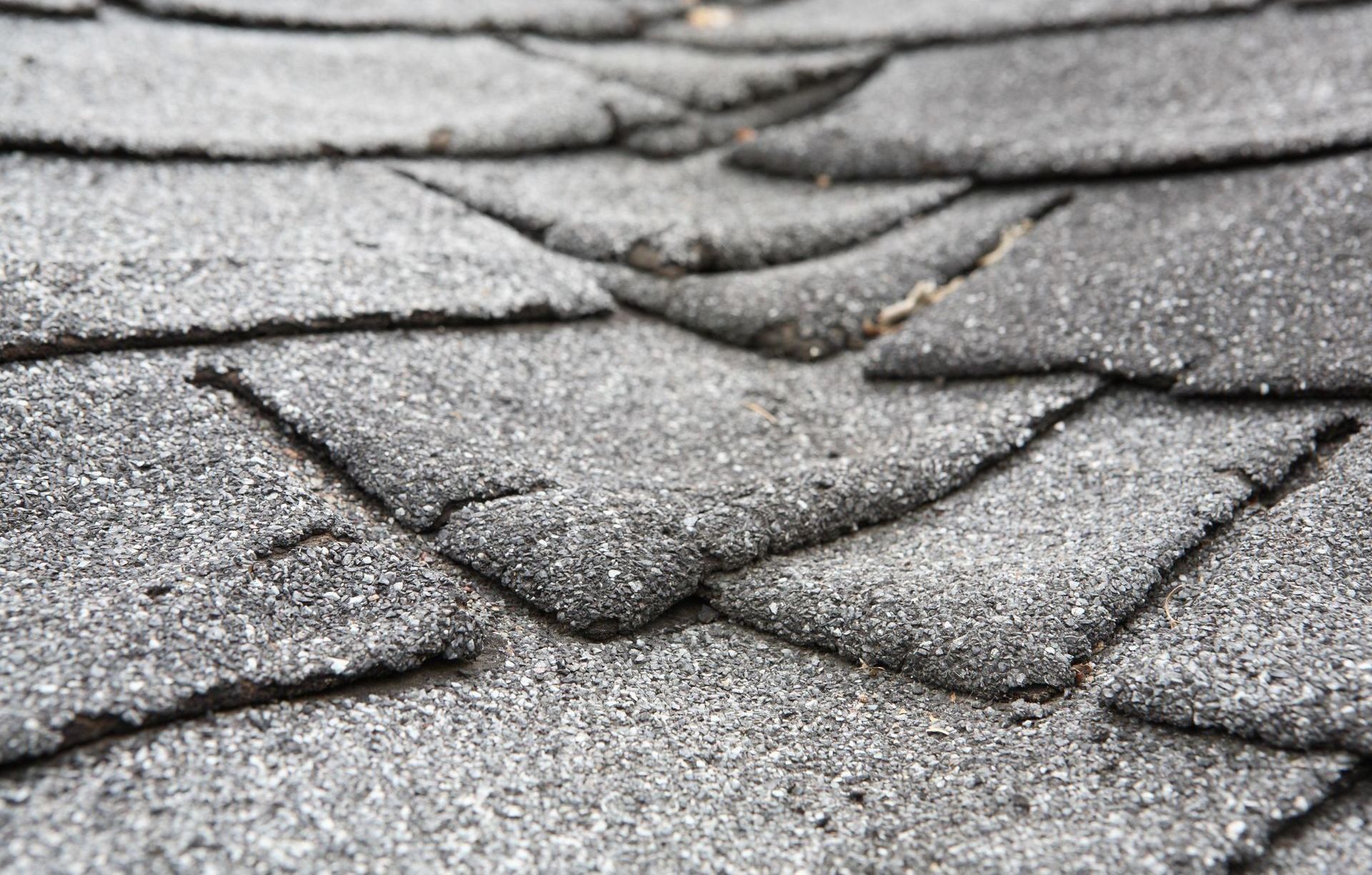
Water Collecting in the Same Low Areas
Persistent puddles or debris outlines can reveal areas that do not drain as intended. The cause may be blocked outlets, an unsuitable roof layout, or deteriorated underlying support. Ponding deserves investigation, but it does not establish by itself whether cleaning, drainage correction, or replacement is necessary. Photographs of recurring low spots help make that distinction.
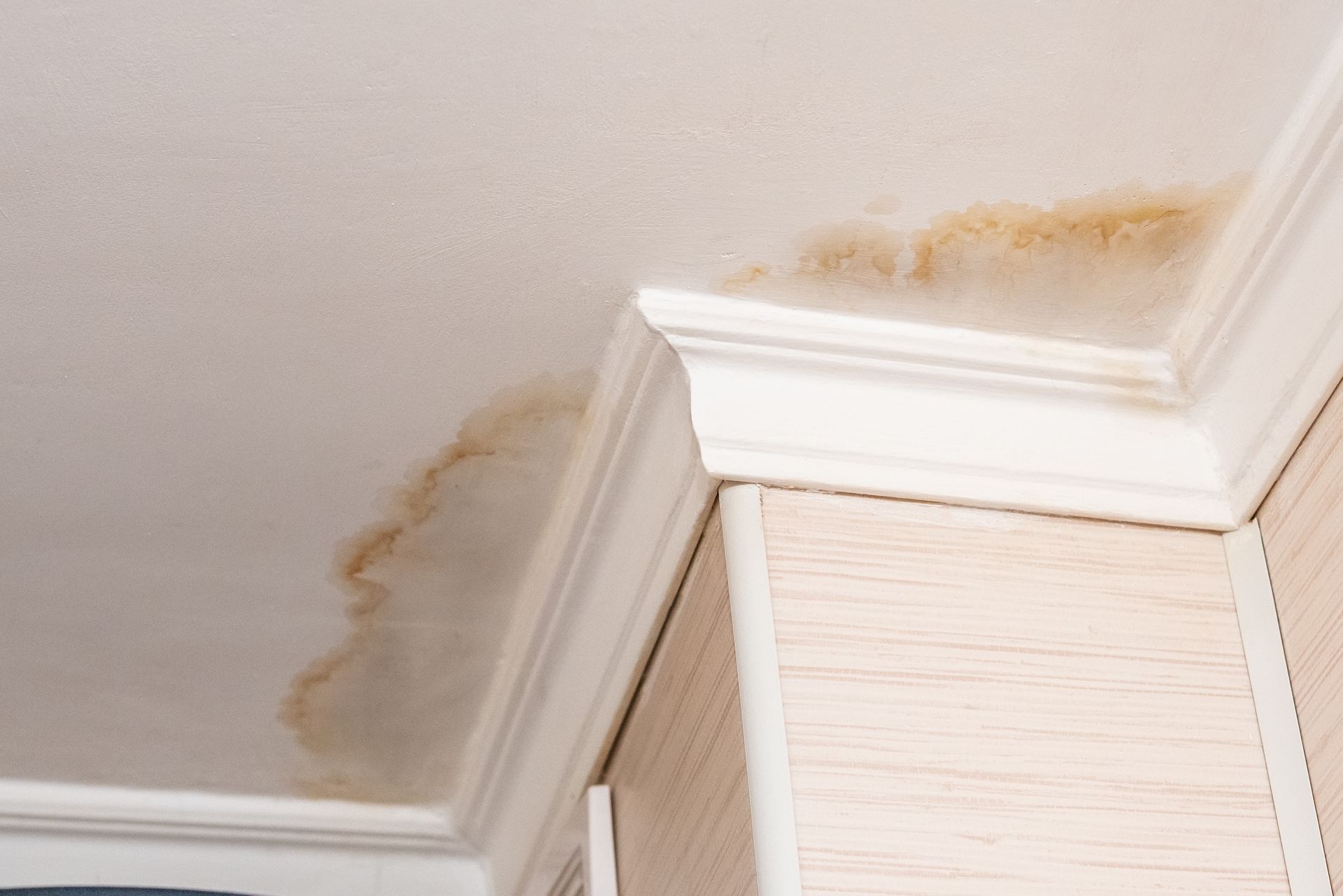
Leaks Where Upper and Lower Roofs Meet
An upper roof may discharge onto a lower roof, adding water where flashing and outlets already struggle. Repeated leaks at these junctions suggest that the replacement scope needs to address connected surfaces together. Renewing one membrane without reviewing the adjoining water path can leave the original problem intact. Record which junctions leak and whether outlet cleaning changes the pattern. Note whether runoff from the upper roof lands directly beside a seam or outlet on the lower section.
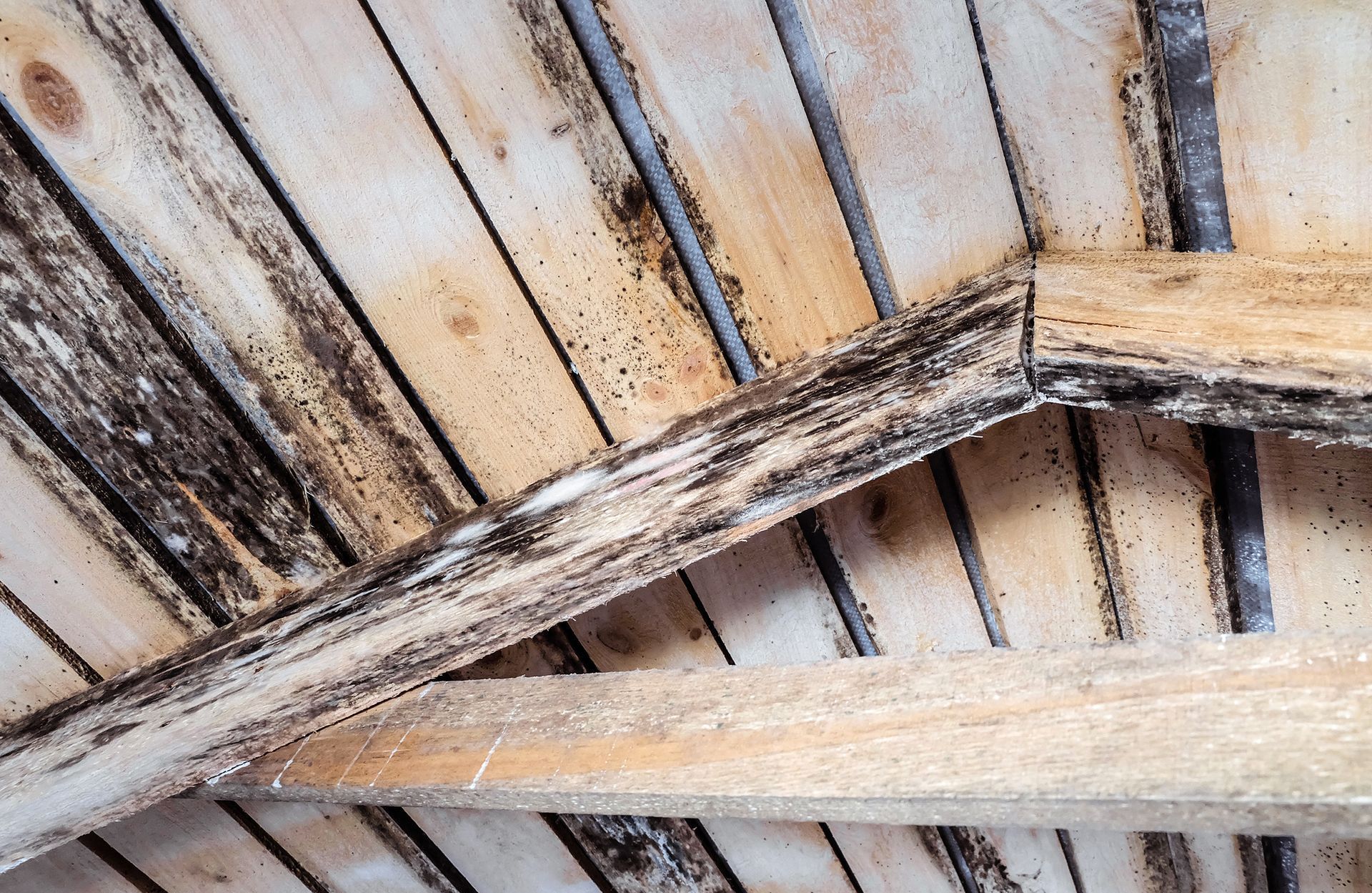
Deterioration Around Drains and Wall Outlets
A scupper is an opening that lets roof water pass through a wall. Splits around scuppers, loose drain connections, and corroded outlet metal deserve attention because they concentrate water at vulnerable details. Extensive wear around several outlets may accompany broader roof deterioration.
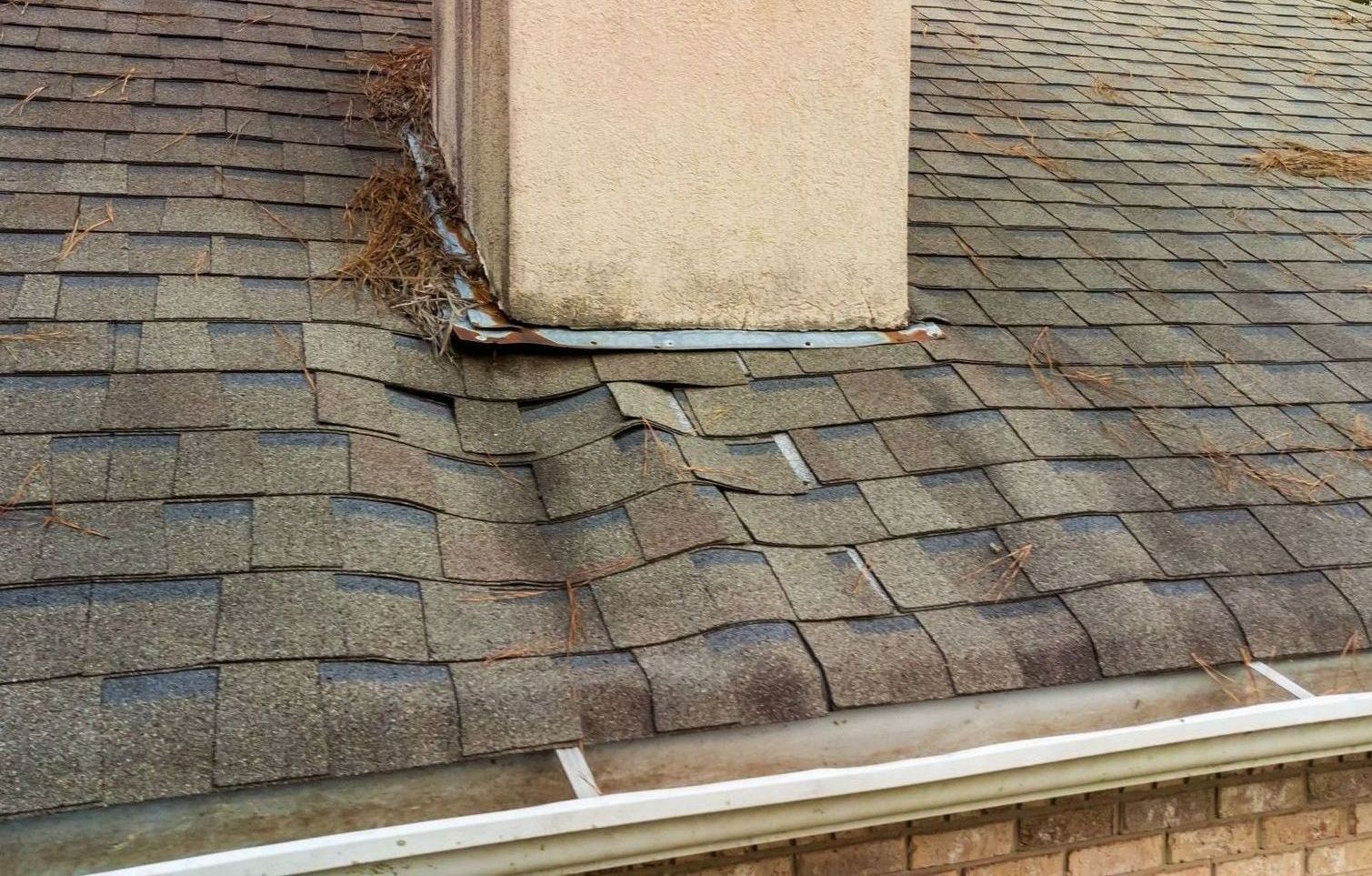
Repairs That No Longer Hold Through Rain
If repaired seams, wall flashings, and equipment bases leak repeatedly, the surrounding covering may no longer support durable repairs. Review the roof's overall condition and any moisture beneath it. Another coating or patch cannot replace damaged support or remove wet material trapped inside the assembly.
Information to Gather Before Your Gold Beach Roof Review
Record When Water Appears and Where It Exits
Note which rooms leak during steady rain and which show problems only during stronger wind. Photograph accessible ceiling stains and exterior overflow from safe locations. Do not climb onto a wet roof to investigate puddles or attempt to open a blocked drain.
Check Visible Gutters, Downspouts, and Staining
From the ground, look for overflow marks, disconnected downspouts, debris at outlets, and water reaching entrances. Note whether an upper roof drains onto a lower section. These observations give the evaluator a starting point without exposing staff to roof-edge hazards.
Provide Plans, Repair History, and Occupancy Needs
Available roof plans, prior proposals, drainage repairs, and leak photographs can clarify how connected buildings have changed. For lodging or customer-facing space, identify occupied rooms, check-in areas, and delivery routes. Explain which operations need advance notice before work moves overhead.
Planning Commercial Roof Replacement in Gold Beach

Step 1 - Map Roof Areas and Drainage Connections
The initial review should connect each roof section with its outlets, wall transitions, equipment, and interior leak history. Identify different roof elevations and previous additions. The proposal needs to distinguish the base replacement scope from optional improvements and conditions requiring further investigation.
Step 2 - Remove Failed Layers in Protected Work Zones
Tear-off areas must be manageable within suitable weather and the building's access constraints. Removing deteriorated roofing exposes the condition of retained layers and decking. Document unexpected moisture damage, confirm the repair method and price, and obtain authorization before proceeding with additional work.
Step 3 - Prepare Support and the Specified Drainage Layout
Approved substrate repairs come before insulation and new covering. Where the design calls for it, tapered insulation creates slope toward outlets, and crickets divert water around obstructions. New thicknesses must be coordinated with drains, scuppers, walls, and equipment flashing heights rather than considered independently.
Step 4 - Install Roofing and Rebuild Water-Handling Details
The selected covering is connected to compatible drain, scupper, wall, and penetration flashings. Adjoining roof areas need defined transitions so runoff stays above the weatherproofing. Any changes involving drainage piping or rooftop equipment should have clear responsibility assigned to the appropriate trade.
Step 5 - Review Outlets, Cleanup, and Maintenance Records
The completion review should address accessible drainage openings, transition details, debris removal, and the agreed repair records. Retain material identification and applicable warranty documents. Ask how future inspections should check the areas where runoff concentrates, including roof junctions and outlets serving several sections.
Selecting a Roof System for a Gold Beach Business
Membrane Roofing for Low-Slope Commercial Areas
A membrane can weatherproof broad low-slope areas, but it does not create drainage slope by itself. Review the covering, attachment, insulation, and outlet connections as an assembly. The proposal should identify the selected material and explain any changes needed beneath or around it.
Metal Roofing for Sloped Wings and Service Buildings
An appropriate metal system may suit sloped commercial wings or service buildings. Discuss panel configuration, attachment, coastal exposure, and compatible flashings. Where metal drains onto another roof, the transition and receiving drainage area require attention alongside the panels themselves.
Shingles Where the Roof Pitch and Assembly Suit Them
A pitched office or lodging wing may be suitable for architectural shingles even when an adjoining section needs membrane roofing. Product selection follows the actual roof slope and supporting conditions. Valleys, wall junctions, ventilation where applicable, and discharge onto lower roofs belong in the scope.
Why Replacement May Be Better Than Another Drain-Area Patch
Aging Roof Sections May Need a Shared Drainage Solution
Several sections can depend on one outlet or lower roof area. When the coverings and connections are deteriorated together, piecemeal repairs can leave incompatible details in the same water path. Assess the connected areas before deciding whether a limited repair can provide useful continued service.
Removing Failed Roofing Exposes the Source of Hidden Trouble
Wet insulation and weakened deck areas may extend beyond the visible ceiling stain. Replacement creates access to remove damaged material and correct approved details before the new covering is installed. Simply concealing an uneven or moisture-damaged assembly does not resolve the conditions underneath.
Gold Beach Coastal Exposure and Commercial Roof Planning
Rainfall Has to Leave the Building Through Defined Outlets
Gold Beach lies where the Rogue River reaches the Pacific. For a commercial roof in this setting, review how rain reaches the roof's low points and exits the building. Outlet access, debris accumulation, and connections between roof levels are practical concerns, not optional finish details.
Exposed Metal and Weather-Dependent Installation
On ocean-exposed properties, salt and moisture make material compatibility important at scuppers, coping, gutters, and fasteners. Exposure varies by site, so avoid one specification for every building. Installation also depends on appropriate surface and weather conditions, with a clear plan for protecting unfinished areas.
Gold Beach Roof Layouts and Occupied Building Needs
A motel with connected wings, an office with a lower entrance roof, and a shop with rear storage can each need a different replacement sequence. For a Gold Beach property, record how water crosses those sections and how occupants move beneath them. Guest parking, deliveries, outdoor seating, or a single shared entrance may limit staging. The roof plan and operating plan need to be reviewed together before material delivery.
A Gold Beach Scenario: The Leak Below a Lower Roof Junction
Imagine a lodging property with an older upper roof draining onto a low-slope wing above guest rooms. Repairs around a wall outlet have not stopped recurring stains. A surface-only replacement quote might ignore the receiving roof's low spot, damaged insulation, and the upper-to-lower flashing connection.
A complete comparison would identify where runoff enters the lower area, how it reaches the outlet, and what concealed-material allowance is included. The proposal would also describe room-access restrictions and phased removal. This hypothetical example shows why connected drainage details matter more than a membrane-only price. Clarify who handles any drain piping work outside the roofing scope. Specify how the exposed lower roof will be protected while work continues above it.
Discussing Your Gold Beach Replacement With Outlaw Roofing
- Replacement Boundaries Explained Before Mobilization
Outlaw Roofing reviews materials, transitions, access, and potential changes before setup. Ask which connected roof areas are included, which remain, and how the new work meets retained roofing. Clear boundaries help prevent an owner from assuming a troublesome adjoining section is covered when it is not.
- Verify Outlaw Roofing's Oregon CCB#236299 oregon.gov/ccb
Check the current Oregon Construction Contractors Board record against the company name and CCB#236299 shown in the project materials. Use the same check when comparing proposals. Licensing information should be verified before the agreement is signed, rather than accepted solely from marketing copy.
- Manufacturer Credentials Kept Separate From Project Coverage
GAF certification is among Outlaw Roofing's stated qualifications. Ask for the exact system proposed for the building and its applicable installation and warranty documents. A credential does not mean every roof material, drainage modification, or retained component receives the same coverage.
- Review Requirements for the Actual Commercial Scope
Confirm the permit and review requirements with the authority responsible for the property. Changes to roof layers, drainage, or supporting construction may require additional information. The agreement should identify who obtains required approvals and how any resulting changes will be handled.
- An Assessment That Separates Drainage From Covering Failure
A useful evaluation explains whether the problem is a blocked outlet, defective flashing, failed covering, moisture-damaged layers, or several conditions together. Ask which observations support replacement and which repairs could preserve an otherwise serviceable section. The recommendation should account for the entire drainage route.
Commercial Roof Replacement Cost Factors in Gold Beach
Accessible Roofs With Simple Drainage Paths
A roof with straightforward access, few penetrations, and serviceable supporting materials has fewer variables than one with several connected levels. The estimate should still include removal, disposal, edge work, outlet flashing, and the insulation or other layers required for the specified assembly.
Connected Wings, Multiple Outlets, and Occupied Rooms
Additional roof levels, guest-room phasing, wall flashings, and several drainage outlets can increase detailing and coordination. Work near occupied rooms may require carefully arranged staging and communication. Confirm how access protection and any necessary service interruptions are reflected in the proposal.
Drainage Redesign and Concealed Moisture Damage
Tapered insulation, revised outlets, and wet-layer removal can change the price. Added thickness affects curbs and wall flashings. Ask how each correction is evaluated and priced, and distinguish required work from optional upgrades.
What a Gold Beach Commercial Roof Assessment Should Include
Low Points, Gutters, Drains, and Scuppers
Trace each roof section to its outlets. Identify debris, damaged flashing, and high points that interrupt drainage. Clearing an outlet will not correct a low spot elsewhere on the roof.
Wall Flashing and Changes Between Roof Levels
Review flashing between roof levels, especially open seams, patched wall bases, and deteriorated metal where runoff concentrates. The proposal should explain how each junction connects to the new or retained roofing.
Underlying Layers and Interior Moisture Evidence
Compare ceiling marks and repair history with accessible roof findings and any authorized investigation. Separate confirmed damage from concealed-condition allowances, and explain how additional removal is approved when wet layers are exposed.
Getting Useful Service From a New Gold Beach Commercial Roof
Low-Slope Roofing Needs More Than an Intact Surface
Service life depends on the selected membrane, installation, underlying condition, drainage, and maintenance. A new surface still needs its outlets and seams checked. Base expectations on the proposed assembly and the property's upkeep plan rather than a general lifespan figure copied from another building.
Sloped Roofs Still Depend on Their Connections
Metal or shingle sections can perform differently from adjacent low-slope roofing. Their edges, valleys, wall connections, and discharge points need maintenance appropriate to the material. Review coastal restrictions and actual warranty terms before assuming one material choice eliminates future inspection or repair needs.
Keep a Drainage and Leak History for the Property
Have qualified personnel maintain gutters and roof outlets, document recurring debris, and review vulnerable details after significant weather. Record dates and locations of new leaks. A consistent log helps distinguish a maintenance problem from developing deterioration and supports better decisions when the property changes managers.
Quick Answers - Gold Beach Commercial Roof Replacement
Frequently Asked Questions - Gold Beach Commercial Roofing
Commercial Roofing Services for Gold Beach Properties
Gold Beach Commercial Roof Replacement
Replacement scopes for deteriorated roof coverings, repeated junction leaks, failed outlet flashing, and moisture-damaged assemblies. Review connected drainage and occupied-building needs alongside the new material so the proposal addresses the full project.
Gold Beach Commercial Roof Evaluations
Condition reviews focused on water paths, roof connections, outlet details, accessible substrate evidence, and repair history. Use the findings to compare maintenance, targeted repairs, further investigation, and replacement priorities for the property.
Commercial Leak Repairs in Gold Beach
Assessment of contained flashing, seam, or outlet problems on otherwise usable roofing. Repair decisions should account for the condition around the defect and avoid repeatedly treating symptoms of a failing connected roof section.
Commercial Metal Roofing and Fabricated Roof Details
Discuss Outlaw Roofing's metal roofing and custom fabrication capabilities for the project's roof and transition details. Specify compatible materials and connections where a sloped section, wall, or outlet meets the replacement assembly.

Request Your Gold Beach Commercial Replacement Scope
Send Outlaw Roofing the property address, leak history, known drainage concerns, and building-use schedule. Request a written assessment of replacement needs, connected roof areas, material options, and concealed-condition allowances. Start through the contact form with the information needed to evaluate the roof rather than another isolated ceiling stain.