Commercial Roofing Contractor in Brookings, OR
Roof Work Planned Around Your Building and Business
A leak above a checkout counter, workstation, or stockroom can interrupt business while the opening remains hidden at an equipment curb, roof edge, or adjoining wall. In coastal Brookings, evaluation also needs to account for exposure, drainage, and changing weather. Outlaw Roofing helps owners separate a repairable defect from broader deterioration before deciding how much roof work is justified.
Outlaw Roofing is a veteran-owned contractor with more than 10 years of experience. Our commercial services include repairs, replacements, and custom metal fabrication. We examine the covering, accessible supporting deck, penetrations, flashing, edges, and water paths rather than assume the spot above a drip is the source. Findings guide the scope and identify questions needing further investigation.
For a Highway 101 shop, an office with customer parking, or a multi-tenant building, access planning belongs in the roofing scope. Deliveries, employee entrances, outdoor inventory, signs, and rooftop equipment can limit material handling. We discuss these constraints before opening the roof so owners understand protected areas, access changes, and responsibility for occupant notices.
The starting point is a roof evaluation and a written recommendation, not an automatic replacement pitch. We explain the condition found, the proposed repair boundaries, and any unresolved questions about concealed damage. Call (541) 275-6189 to discuss your Brookings commercial roof and arrange the next step.
Commercial Roof Problems in Brookings


Leaks Around Equipment Curbs and Roof Penetrations
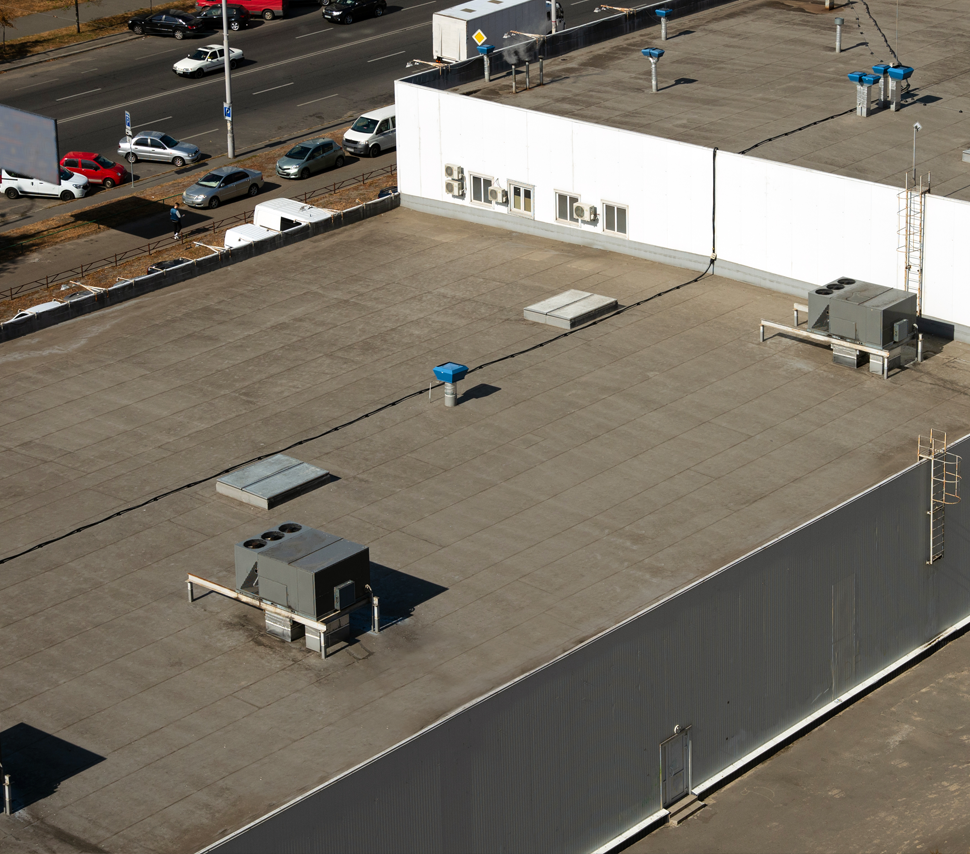
Heating and cooling equipment, exhausts, pipe boots, and roof hatches interrupt the water-shedding surface. A split flashing corner or poorly integrated curb can admit rain even when the surrounding roof looks serviceable. We inspect the transition and nearby material, review where water appears inside, and distinguish roofing defects from equipment drainage. Repairs must address the connection beneath the visible sealant, not merely cover the stain's assumed source. We also check whether runoff is collecting behind the equipment curb. Equipment can also conceal part of the connection from an initial visual inspection.
Loose Perimeter Metal and Wind-Disturbed Roof Edges
Lifted edge metal, displaced ridge pieces, or moving corner trim deserve attention before the next storm enlarges the opening. On an exposed building, a localized attachment failure can affect more material than the original loose piece suggests. We check adjoining edges, fastening support, laps, and the condition of the roof covering. A repair needs a sound attachment point and a compatible connection to the existing assembly.
Warning Signs for Brookings Property Managers
New Ceiling Marks, Wet Stock, or Drips During Rain
Record the room, time, weather, and equipment activity when moisture appears. Photograph stains from the floor, and move vulnerable stock only when safe. Keep people away from sagging ceilings and water near electrical equipment. A leak log helps connect roof features with interior symptoms, even when the stain has dried before the inspection.
Rattling Trim or Roofing Material Near Entrances
Metal noise during gusts, a loose fascia cover, or roofing fragments in a parking area can indicate movement overhead. Keep staff and customers outside the affected drop area and report the location. Do not ask employees to secure roof edges from a ladder. The inspection should consider adjoining attachment points and the underlying support, because the visible loose piece may be only part of the problem.
Persistent Moisture Without an Obvious Roof Opening
A damp ceiling below cooling equipment or widespread moisture above an occupied room does not automatically establish a roof leak. Condensation, equipment drainage, and wall entry can produce similar symptoms. Note whether the problem follows rainfall, equipment operation, or a temperature change. Accessible observations help determine which trade should investigate next without cutting into roof material or treating every interior moisture problem with another patch.
How We Plan Commercial Roofing Work in Brookings
Review the Roof and the Occupied Space Below
We begin with the leak history, previous repair records, available product information, and the owner's priorities. Accessible roof areas are reviewed alongside interior observations. We also identify entrances, delivery routes, equipment locations, parking restrictions, and sensitive contents. This establishes both the likely roofing scope and the site protections needed before material handling or tear-off can begin.
Define the Work, Exclusions, and Approval Points
The written proposal separates confirmed repairs from items that cannot be assessed until roofing is opened. It identifies removal, replacement materials, flashing work, protection, cleanup, and exclusions. Where hidden deck damage is possible, the owner should understand how it will be documented and priced. Repair and replacement options are compared by what each addresses and what older material remains in service. Material options are named so owners can compare specific assemblies rather than vague allowances.
Confirm Project Requirements and Tenant Coordination
Permit and inspection needs must be checked for the building address and proposed work before scheduling installation. We discuss responsibility for required coordination, owner approvals, and access to restricted areas. Equipment-related tasks may also require the owner's mechanical contractor. The schedule should reflect these dependencies rather than assuming a surface repair, full replacement, and structural correction involve identical preparation. Access arrangements also identify who can authorize temporary changes to routes or parking.
Open Manageable Areas and Protect Business Access
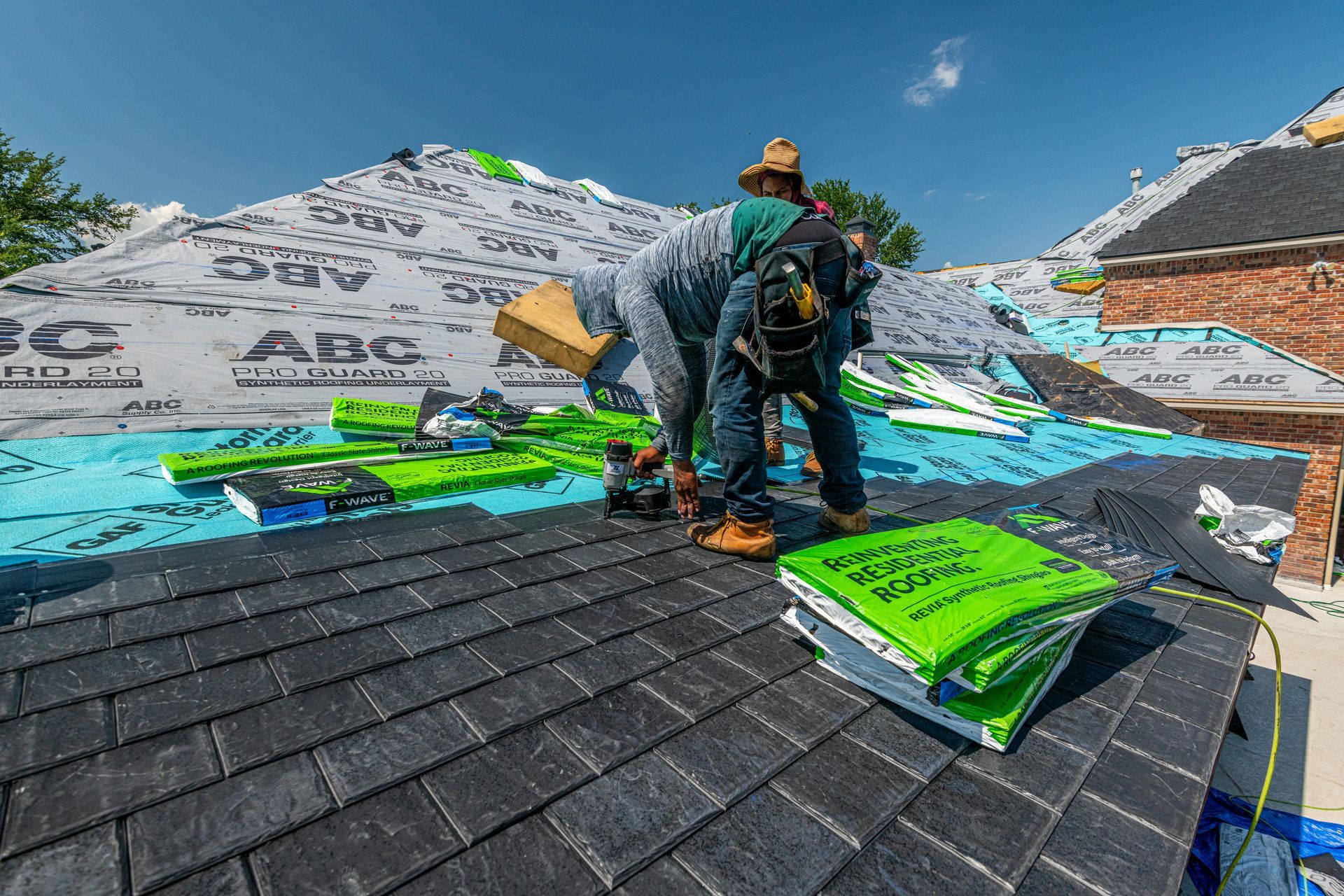
Material staging, debris collection, and temporary restrictions are established before removal starts. The work is divided into areas that can be inspected and secured within suitable conditions. Flashings and transitions receive attention as each section progresses. Operating arrangements are discussed with the owner; some entrances, rooms, parking spaces, or equipment areas may need restrictions, and uninterrupted business operation is not assumed. Protected crew areas should remain separate from customer and delivery traffic throughout removal.
Inspect Details and Return Clean Access Routes
At closeout, we review the edges, flashing, penetrations, and drainage transitions included in the scope. We remove debris and packaging, sweep for loose fasteners where appropriate, and check parking and walking routes. The owner receives applicable maintenance, warranty, and project records.
Roof Materials for Brookings Commercial Buildings
Shingles for Suitable Pitched Commercial Roofs
Architectural shingles can suit commercial buildings with an appropriate slope and deck. Starter, fastening, underlayment, valleys, ventilation where applicable, and wall flashing must work together. We assess geometry and exposure before proposing the assembly. A pitched front roof and flatter rear addition may require different materials.
Standing-Seam Metal and Building-Specific Trim
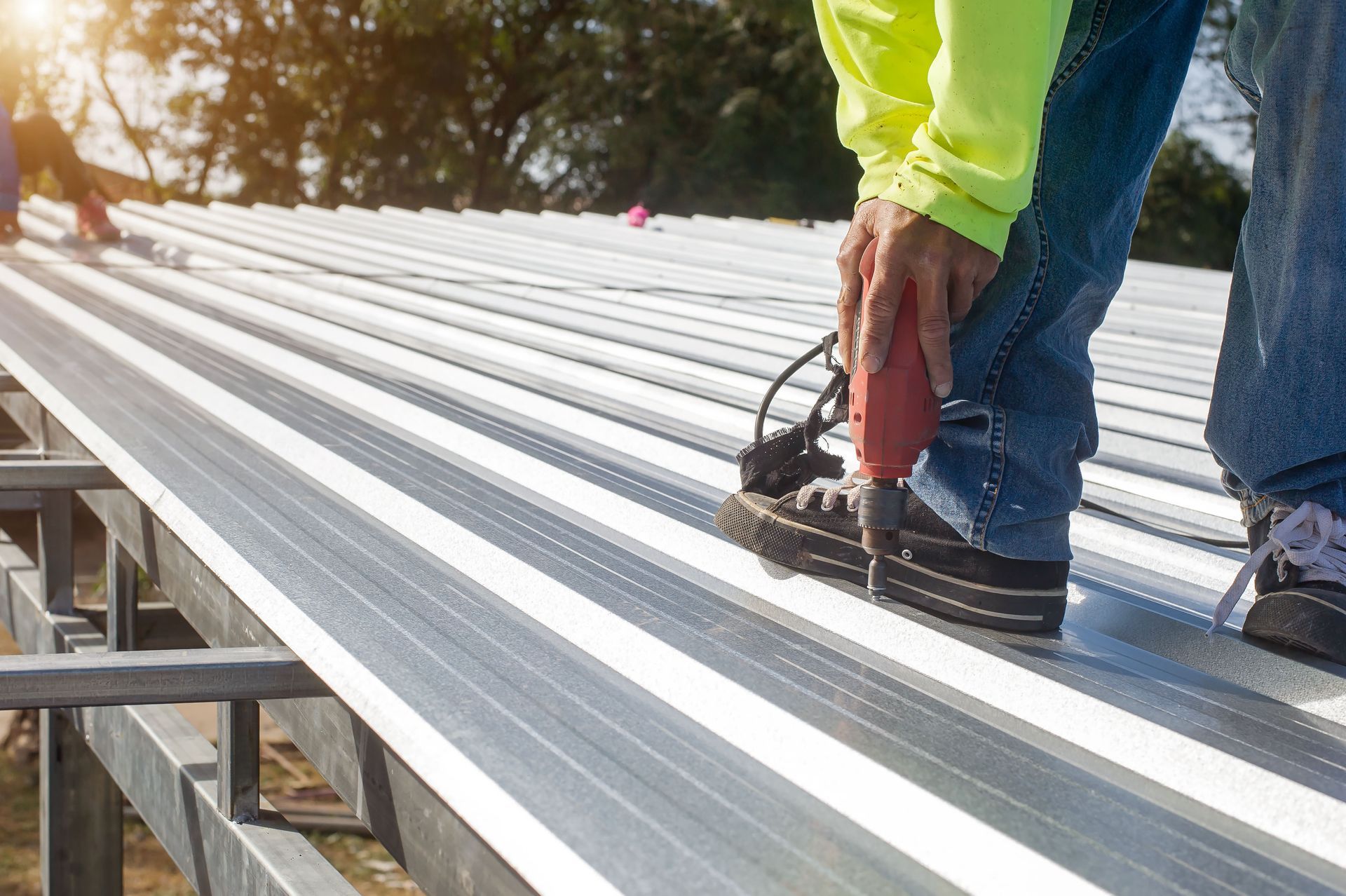
Standing-seam metal can suit designs that support the selected panel system. Panel lengths, clips, movement, penetrations, and trim need coordinated detailing. Our custom fabrication capability addresses those transitions. Metal and finishes must suit the exposure; concealed fasteners alone do not establish suitability for a coastal commercial building.
Low-Slope Assemblies Require Material Identification First
A low-slope roof needs assessment of its covering, seams, drainage, deck, and insulation where present before selecting repairs. Membranes, coatings, and metal systems are not interchangeable. The scope names the proposed system and compatible details, with specialist work identified separately. Commercial use alone does not establish the material or repair method.
Repair or Replacement: Choosing the Right Commercial Scope
Repair When Sound Roofing Surrounds the Defect
One damaged pipe boot, a short flashing failure, or a limited wind-affected edge may be repairable without removing the entire roof. The surrounding covering and backing must support the connection, and water cannot remain trapped beneath the retained area. We explain the repair boundary, which components are being renewed, and what existing roofing will still need observation after the work.
Replace When Failure Extends Across the Roof
Recurring leaks, extensive deterioration, damaged decking, and incompatible patches can make isolated repairs a poor investment. Replacement exposes layers and transitions that patches leave concealed. The decision should consider documented condition, remaining usable areas, drainage corrections, and future access needs rather than age alone or repeated repainting of an interior stain. Replacement planning also accounts for future equipment access so later service work does not repeatedly disturb newly completed flashings.
Brookings Conditions That Shape Roof Planning
Assess the Property, Not Just the Local Climate
Brookings is known for a comparatively mild coastal climate, but that does not establish an individual roof's condition or exposure. A shaded rear slope can dry differently from an open storefront roof. We consider wind, drainage, obstructions, and material condition at the property. Scheduling follows the forecast rather than an expectation of favorable local weather.
Ocean Exposure and Weathered Metal Components
On buildings exposed to marine air, inspect cut edges, fasteners, flashing laps, and damaged finishes rather than judging metal solely by its appearance from the street. Rust staining can identify an area needing closer review, but not every stain means the panel must be replaced. Material compatibility, fastening support, and the extent of deterioration determine whether a localized correction remains practical.
Roof Runoff Above Customer Routes and Loading Areas
Water leaving a roof should not repeatedly pour across an entrance or saturate the wall above stored goods. Upper roofs, canopies, and rear additions can concentrate runoff at a short gutter or transition. We examine those paths alongside discharge locations and building access. A roof covering repair will not by itself correct an obstructed outlet or a poorly arranged lower-level water path.
Different Buildings Need Different Roof Scopes
A Brookings business may occupy a purpose-built shop, converted office, or building expanded in stages. Its roof may combine pitched sections, a low-slope rear area, canopies, and equipment openings. Each needs its own material and drainage assessment. The estimate should distinguish those assemblies rather than apply one repair method everywhere.
Illustrative Brookings Scenario — A Shop Roof Leak
Consider a shop with a wet ceiling below rooftop equipment. Curb flashing, equipment condensate, or upper-roof runoff could be responsible. Evaluation traces entry and checks surrounding roofing and backing before separating roof repairs from mechanical work. Material staging must also protect the customer entrance and nearby customer parking. This illustrative planning example is not a claim about an actual completed Outlaw Roofing project.
Working With Outlaw Roofing in Brookings
- Work Planning Around Staff, Tenants, and Deliveries
We ask how the property operates before selecting staging and debris locations. Customer entrances, employee parking, stock deliveries, and equipment access are considered together. The owner identifies sensitive rooms and the person responsible for tenant notices. Agreeing on restrictions before work begins reduces avoidable conflicts, especially where one parking lot or service lane supports several businesses with different opening hours.
- Flashing and Perimeter Details Included in the Discussion
A low bid can look attractive while leaving aged edge metal, damaged boots, or questionable wall connections out of the scope. We identify which details are retained, repaired, or replaced so the owner can compare equivalent work. Components that still appear usable are assessed in relation to the new assembly, not automatically reused merely because the roof covering is being renewed.
- Veteran-Owned Experience With Clearly Defined Credentials
Outlaw Roofing is veteran-owned and GAF certified, with more than 10 years of roofing experience. Commercial products still have different installation requirements and warranty eligibility. We keep materials, responsibilities, and documents specific to the building. Owners should evaluate the written scope rather than assume a credential establishes identical coverage for every assembly.
- Cleanup That Accounts for Customer Traffic
Loose screws, nails, cut metal, and roofing fragments can affect tires and pedestrian areas after removal ends. We plan collection areas and clean routes throughout the project. Final checks include accessible parking, entrances, landscaping beside drop zones, and affected gutters. Access is restored after the relevant work area has been reviewed.
- Photographs That Support the Repair Decision
Photos and written explanations help an owner understand findings without accessing the roof. We connect recommendations to visible conditions, identify what remains concealed, and document changes discovered during the work. This gives the person approving costs a usable record. Completion information should explain repaired locations, retained components, and maintenance needs so later service calls do not start without context.
Commercial Roofing Cost Factors in Brookings
Commercial estimates reflect height, access, materials, existing layers, penetrations, deck condition, drainage, and occupied-space protection, not roof size alone. A small, complicated roof may require more detailed labor than a larger simple section. We explain observed conditions and how additional concealed work would be approved.
Access Restrictions and Material Handling
A shared driveway, busy storefront, limited container space, or overhead obstruction can change material loading and debris removal. Deliveries may require protected routes or coordinated unloading. These arrangements affect labor and equipment requirements. The proposal should identify access constraints before installation rather than leave the owner to discover them during removal.
Equipment Curbs, Walls, and Mixed Roof Levels
Each penetration and change in roof height adds detailing beyond the open field area. Flashing beside equipment may be difficult to reach, while a wall transition can require opening adjacent materials. Different pitches may need separate roofing systems. Comparing bids requires checking how these connections will be handled and whether related work by mechanical or other contractors is included or excluded.
Concealed Deck Condition and Moisture-Damaged Layers
Roofing can hide soft wood, damaged backing, or wet insulation where present. These conditions may become clear only after authorized opening or removal. We distinguish observed damage from possible additional work and explain approval procedures. Covering weakened or wet layers to preserve the opening price can leave the new roof with unresolved problems.
Project Approvals and Coordination With Other Trades
Permit review, required inspections, equipment access, and work by other trades can affect project sequencing and cost. Requirements are checked against the particular address and scope, not assumed from another building's project. The proposal should identify known responsibilities and exclusions. Owners can then budget for the complete work rather than confuse a roofing-only figure with every related building expense.
Inspection Priorities for Brookings Commercial Roofs
Edges, Drainage Outlets, and Accessible Roof Surfaces
We review displaced roofing, open joints, loose metal, debris, and restricted runoff. Water paths are followed toward gutters, scuppers, or drains. Stains and deposits show where water has lingered, but concealed conditions may need investigation. Findings distinguish maintenance from deterioration requiring repair or replacement.
Equipment Flashing and Roof-to-Wall Connections
We check curbs, penetrations, walls, and roof hatches for cracked flashing, movement, and damaged collars. Wall finishes can reveal concealed water paths. Equipment may be a separate source. Locating entry comes before deciding which roofing material needs to be disturbed or replaced.
Interior Clues and Limits of a Visual Roof Review
Ceiling stains, accessible deck observations, repair records, and leak timing provide context that roof photographs alone may miss. A visual review cannot establish that every concealed layer is dry or sound. Where the evidence is incomplete, the recommendation identifies the uncertainty and the next appropriate investigation. That prevents an owner from treating a preliminary observation as a complete assessment of the entire assembly.
Planning a Commercial Roof's Remaining Service
Use Condition and Repair History Alongside Installation Age
Installation dates inform planning, but remaining service also depends on drainage, fastening, flashing, substrate condition, and previous repairs. An older roof may have a repairable defect, while newer work with widespread installation problems needs broader attention. We compare those factors before discussing replacement so recommendations reflect performance rather than the calendar.
Protect Metal Finishes and Allow for Normal Movement
Metal roofing still needs checks of panel ends, trim, closures, penetrations, and coatings. Fastening must accommodate the system's movement rather than lock every joint rigidly. Debris and incompatible repair products complicate maintenance. Regular observations and appropriate care help catch developing trouble before a small opening becomes a recurring leak above occupied space.
Keep Drainage and Roof Access Under Control
Arrange material-appropriate debris removal and keep equipment service from damaging roofing or blocking outlets. Record roof access, especially for mechanical work or new penetrations. Observe the roofline after strong weather from a safe location. Follow the installed system's maintenance requirements instead of using unapproved chemicals, pressure washing, or patches that obscure the problem.
Quick Answers — Brookings Commercial Roofing
Can my business remain open during roof replacement?
Sometimes, with limits. Access, noise, tear-off methods, room use, and equipment needs shape the plan. We discuss affected areas before work. Agree on tenant notices and closures before removal; a business cannot always stay open during roofing.
Does a leak beside rooftop equipment always require a new roof?
No. Failed flashing, an equipment drain, or a nearby joint may be at fault. We check the roof and backing before selecting a repair. A small defect in sound material may be fixable; widespread wear or hidden moisture can require broader work.
What should a tenant tell the property owner about a leak?
Provide the room location, photographs taken safely, when the leak began, and whether it follows rain or equipment operation. Identify wet contents and areas that need to be kept clear. Do not climb onto the roof or disturb ceiling materials. The owner or authorized manager can use that record to arrange the appropriate evaluation.
Can standing-seam metal be used on a commercial building?
Yes, when the pitch, deck, panel design, and transitions suit that system. The proposal should address panel attachment, movement, finish, underlayment, and equipment penetrations. A metal option should be selected for the actual roof rather than assumed suitable because the building is commercial or because another nearby property uses a similar-looking panel.
What if the drain is clear but water still collects?
Slope, depressions, obstructions, or outlet position may need investigation. Clearing debris addresses a blockage, not every drainage defect. Do not send staff onto a wet roof to move water. An evaluation identifies why water remains and whether correction involves roofing, drainage, or structural assessment.
Commercial Roofing Support for Brookings Properties
Building-Specific Roof Evaluation
Discuss leaks, aging material, damaged edges, and access constraints with Outlaw Roofing. We evaluate the roof in relation to the occupied building and explain the next appropriate repair or replacement decision. Request a Commercial Roof Review
Commercial Roof Replacement Planning
Replacement planning covers removal, deck findings, approved repairs, the selected roof assembly, transitions, and cleanup. The scope identifies retained components and coordination needs so owners can budget beyond the visible covering. Discuss Roof Replacement
Targeted Leak and Roof Repair
Defined failures at penetrations, edges, walls, and connecting roof sections need compatible repairs tied into sound surrounding material. We investigate the entry path before proposing how much roofing should be opened. Request Commercial Roof Repair

Arrange a Brookings Commercial Roof Evaluation
Give the next roofing decision a documented starting point. Tell us where the leak occurs, what roofing records are available, and how the building operates. Outlaw Roofing will discuss an evaluation and a repair or replacement scope suited to the findings. Call (541) 275-6189 about your Brookings property.
Frequently Asked Questions — Brookings Businesses
Can work be separated into phases for different tenants?
Phasing can be considered when sections have workable boundaries and each temporary connection can be protected. Tenant schedules alone do not create a suitable roofing break. Shared drains, valleys, equipment, and access routes may tie sections together. We explain those limits so a phased approach does not leave vulnerable joints or repeat setup costs without a clear benefit.
Should rooftop equipment be replaced before or after the roof?
Discuss both projects together before either starts. Equipment changes can affect curb size, penetration locations, access, and roof protection. The roofing and mechanical scopes should establish who disconnects, moves, reinstalls, and flashes each component. Coordinating the sequence can avoid cutting into newly completed roofing or covering an area that will immediately need to be reopened.
Will you know the deck condition before tear-off?
Accessible observations reveal some problems, but roofing conceals portions of the deck. The proposal identifies these limitations and explains how exposed damage will be documented and approved. An estimate should neither present concealed conditions as confirmed nor leave the owner without an approval process.
How do I compare commercial roofing proposals fairly?
Compare removal depth, substrate repairs, materials, edge metal, flashing, drainage details, access protection, cleanup, and exclusions. Check who handles equipment and required approvals. A lower total may omit work included elsewhere. Ask each contractor to clarify uncertain items so the comparison reflects the same building conditions and not just the visible roof covering.
Are coatings a substitute for correcting every old roof problem?
No. Coating suitability depends on the existing system, moisture condition, adhesion, drainage, and product requirements. A coating does not restore rotten decking or automatically correct failed flashing. Whether a coating is appropriate and offered for the specific project must be established separately; it should not be assumed from a general commercial roofing service description.
What warranty documents should a building owner keep?
Keep the contract, final scope, product identification, invoices, and applicable warranty documents. Review eligibility, maintenance duties, exclusions, and claim procedures in the written terms. Certification does not establish identical coverage for every commercial roof. Keep later inspection and alteration records alongside the original documents.
How should we budget when the final scope is not yet clear?
Begin with an evaluation that separates confirmed work from unanswered questions. Request clearly described allowances or unit-price procedures for concealed repairs, and identify related equipment or interior work outside the roofing scope. This creates a more useful budget than a square-foot figure that ignores access, drainage, and damaged layers beneath the covering.
What should staff move before roofing starts?
Move vehicles, stock, and loose items from agreed staging areas. Protect sensitive contents and keep staff outside marked work zones. Share notices with occupants and delivery drivers. Preparation depends on the building; some entrances and parking spaces may be restricted while work is underway.
What should I do about an urgent commercial roof leak?
Keep people away from unsafe ceilings, wet electrical areas, and falling material, then call (541) 275-6189 with the address and observed conditions. Outlaw Roofing offers emergency roof repairs for urgent calls. Access, weather, and the problem determine the next available response and suitable measures; a temporary weatherproofing step is not the same as a permanent repair.
Can just the rear roof section be replaced?
Possibly, with a sound boundary and a secure tie-in to the retained roof. Drainage, materials, walls, and roof condition determine whether that works. We explain where replacement ends and what remains, so a smaller job still leaves a serviceable roof.