Commercial Roof Repair in Brookings, OR

Commercial Roof Leaks in Brookings: Check Equipment Curbs, Membrane Seams, and Drainage Before Replacing the Roof
A ceiling stain above a sales floor or office does not tell you which roof component failed. On a Brookings commercial property, water may enter beside rooftop equipment, travel beneath the covering, and emerge several rooms away. Pacific exposure, a blocked outlet, or recent equipment access can each change the investigation. The first task is to connect the indoor symptoms with the roof assembly, not cover the closest visible crack. Outlaw Roofing evaluates the leak, surrounding materials, and access conditions before recommending a defined repair or a wider roofing project.
Commercial roof repair restores a limited failed area while retaining roofing that remains serviceable. That may involve a membrane seam, curb flashing, metal-panel connection, or drainage edge. A workable repair needs compatible materials and a firm, dry base; the size of the stain alone cannot establish its boundary. Where moisture extends beneath otherwise intact roofing, the opening may need to grow enough to remove damaged layers and make a dependable connection.
For an occupied building, the damage is not confined to the roof. Water can affect ceiling tiles, insulation, merchandise, workstations, and tenant access before an exterior defect becomes obvious. Repeatedly moving a bucket does not establish whether moisture is spreading through the assembly. Record the affected rooms and timing, keep people away from compromised ceilings or wet electrical equipment, and arrange an evaluation rather than sending staff onto the roof.
The useful decision is whether a targeted repair solves the cause at a reasonable scope. One damaged curb does not automatically justify replacement, while scattered leaks and widespread wet insulation should not be sold as a small patch. We explain the repair area, adjoining roof condition, material compatibility, and concealed-damage allowance. Building managers should also know which entrances or equipment areas the work may affect before authorizing removal above occupied space.
Outlaw Roofing is a veteran-owned Southern Oregon contractor operating under CCB#236299. We provide commercial roof repairs, replacements, and custom metal fabrication. Call (541) 275-6189 to discuss the roof condition, building use, and inspection access for your Brookings property.
Commercial Roof Problems on Brookings Buildings

Open Membrane Seams Beside Equipment Service Routes
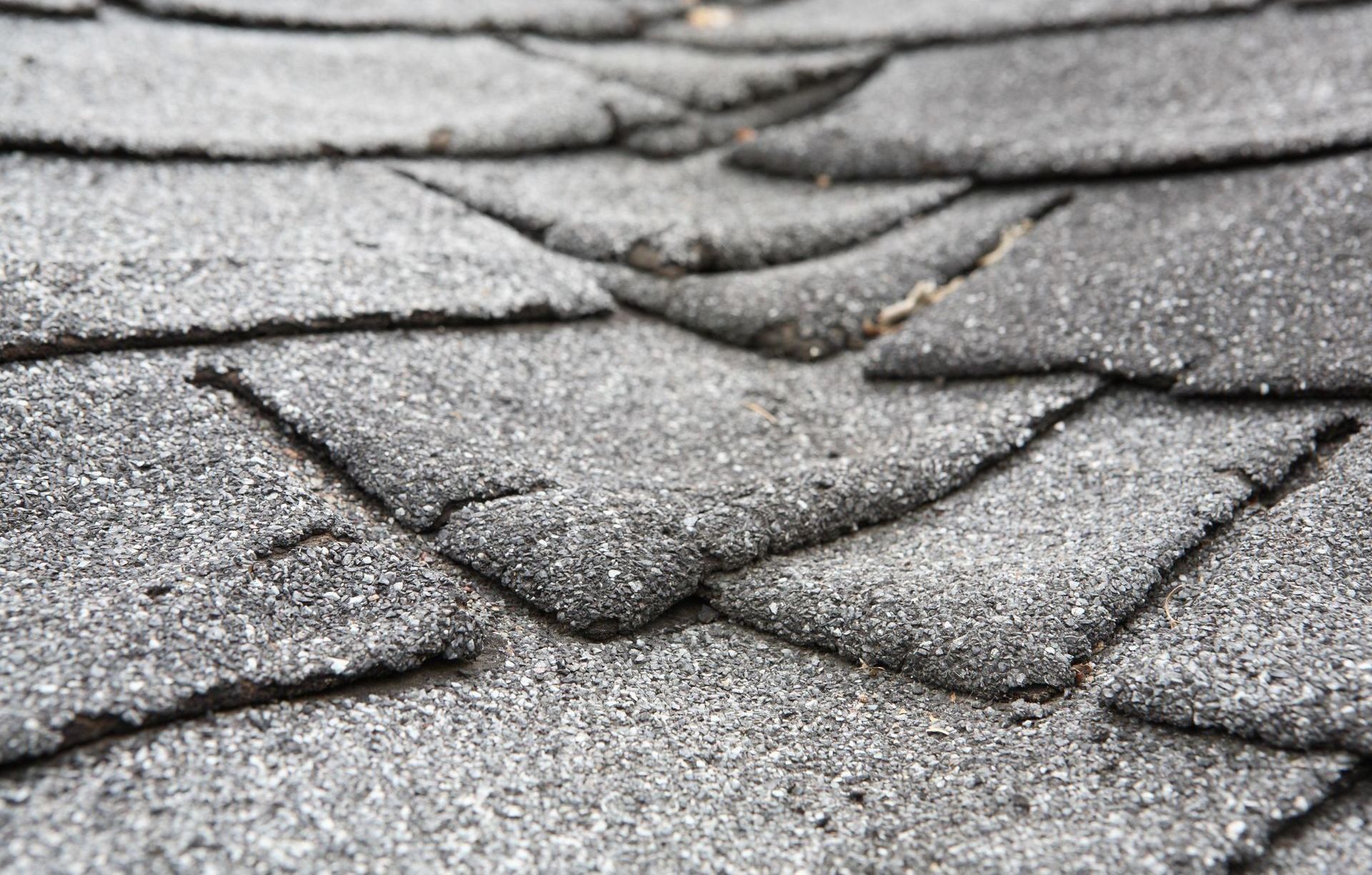
Repeated access to rooftop equipment can leave punctures, scuffs, or disturbed patches near a walking route. A seam may also separate while the adjacent membrane still looks intact. We look beyond the visible opening for damaged backing, older repairs, and the nearest sound material. Repair selection depends on the existing system, not simply on finding a patch with a similar surface color.
Leaks Where Roof Flashing Meets Mechanical Curbs
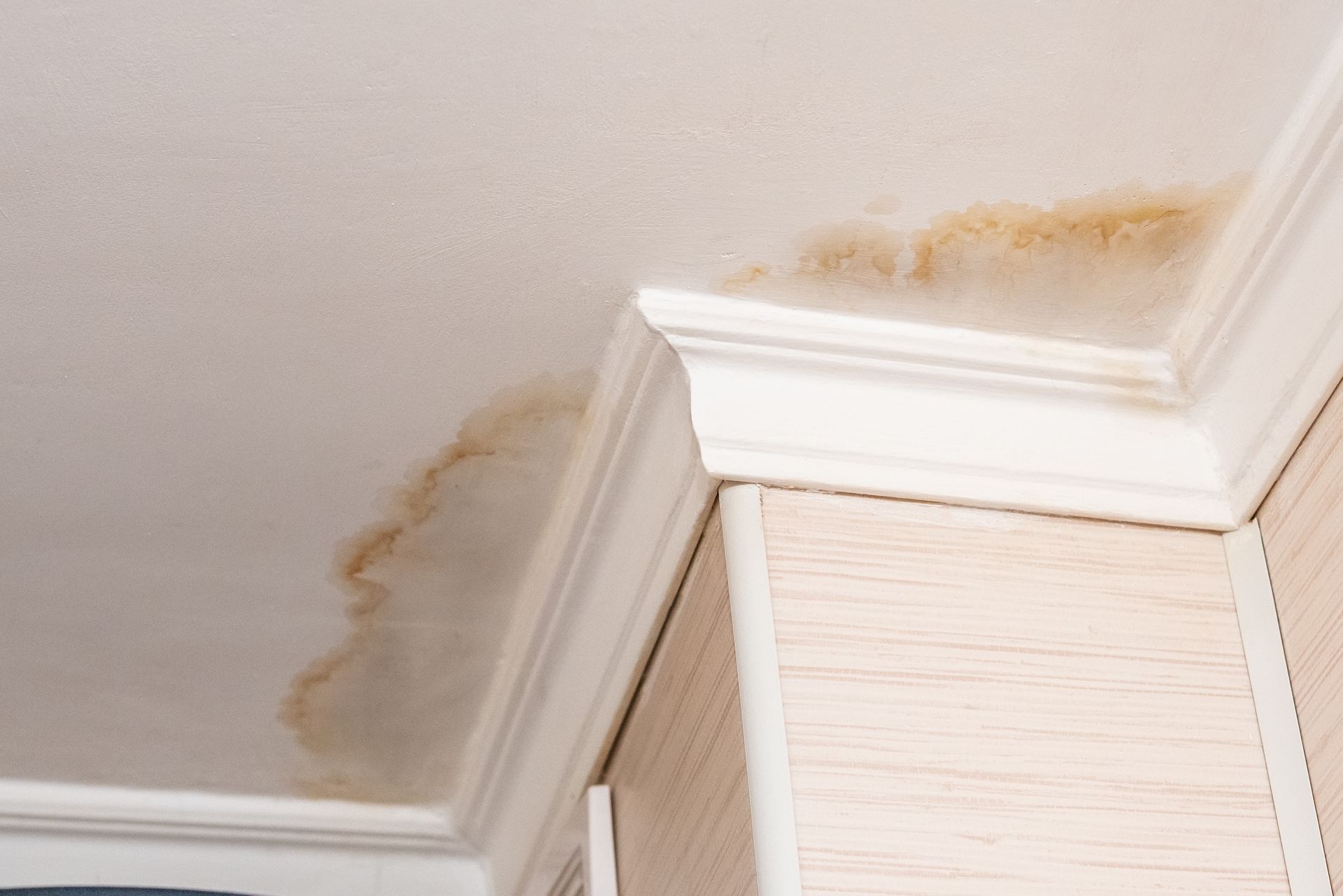
A rooftop unit sits above several possible leak paths: equipment panels, the curb, counterflashing, and the roof connection below. Staining during rain can implicate the roofing, but moisture during equipment operation may point elsewhere. We examine the roof-side assembly and document concerns that require an HVAC contractor. Adding sealant around the unit without distinguishing these paths can leave the actual source untouched.
Restricted Outlets and Water Collecting Behind Perimeter Walls
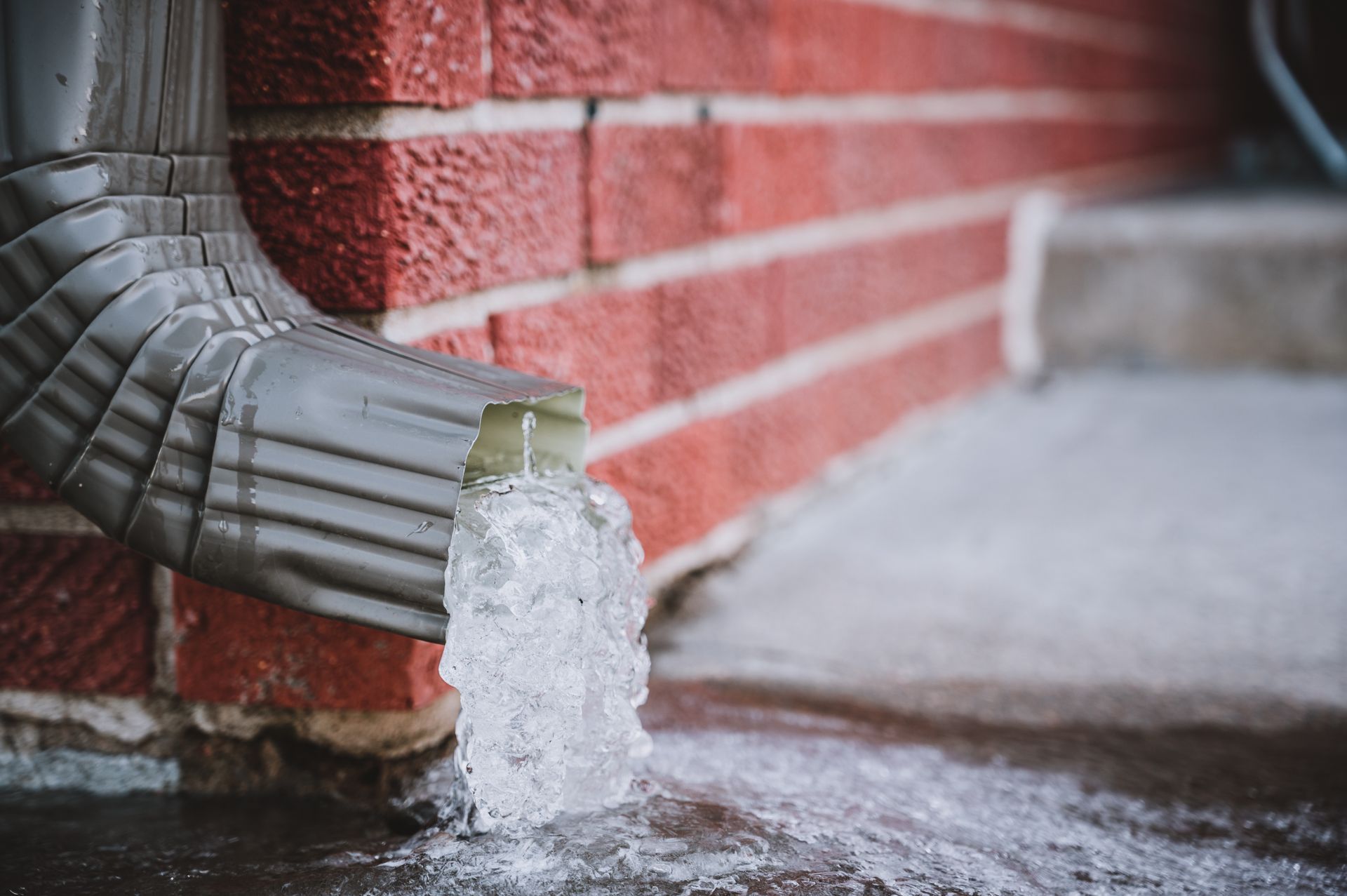
On a low-slope roof, debris around a drain or wall outlet can slow discharge and keep water against seams or flashing. A dark dirt line, overflow staining, or recurrent water beside an equipment platform deserves investigation. Clearing the opening is only part of the check. The surrounding membrane, outlet connection, and flow path must remain intact, and a low area that holds water needs a separate assessment.
Storefront Canopies and Roof-to-Wall Connections
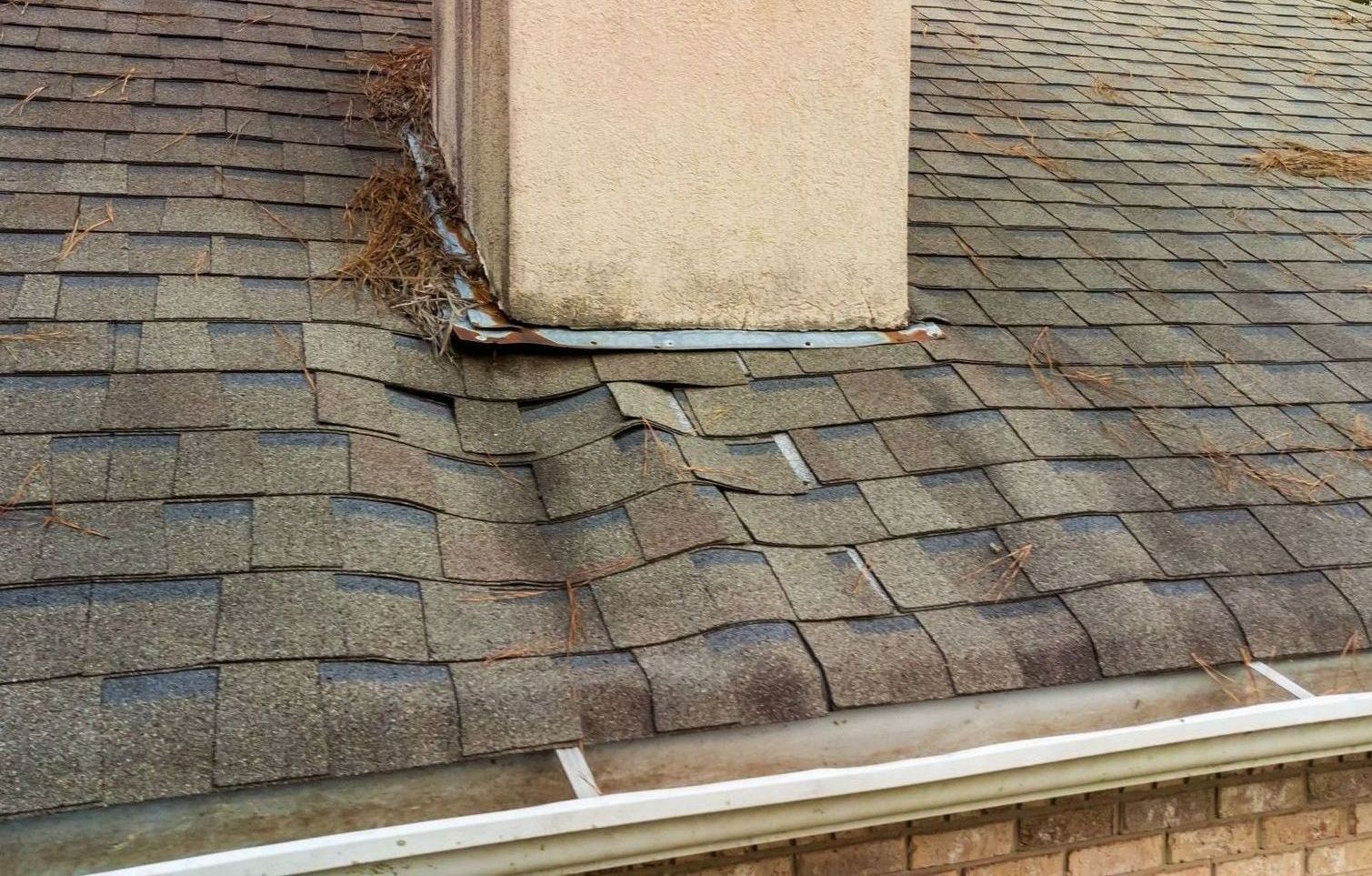
A commercial building may combine a low-slope main roof, a sloped entrance canopy, and an older addition. Water can enter where those systems meet even when each open surface looks serviceable. We check the wall termination, metal laps, and transition material against the actual roof pitch. An indoor leak above a shop entrance may begin at the higher wall rather than directly over the doorway.
Metal-Panel Leaks at Fasteners, Seams, and Penetrations
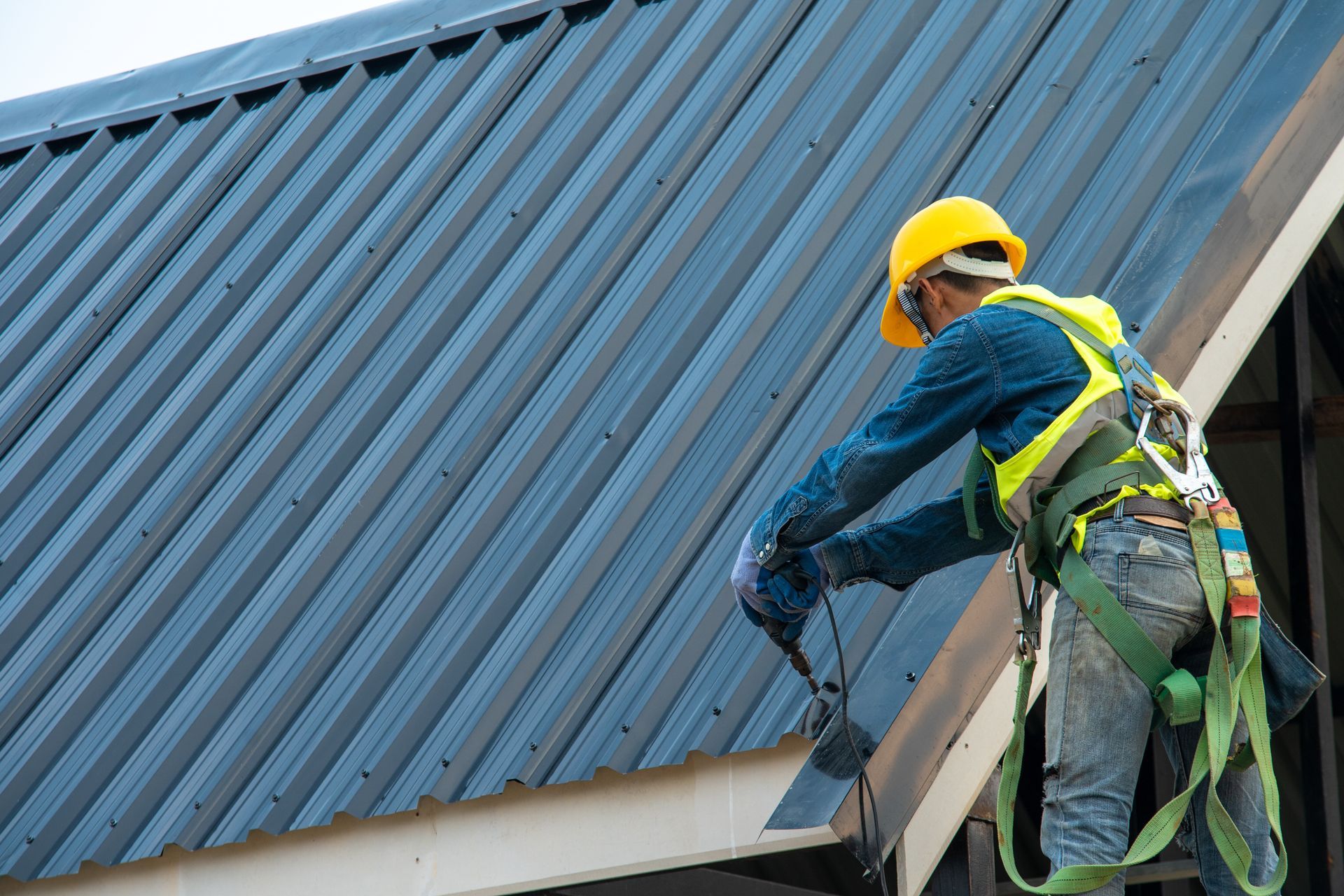
A metal commercial roof can leak through an aged washer, opened seam, damaged closure, or poorly integrated penetration. Near coastal exposure, corrosion can also weaken the material that must hold the repair. We inspect panel condition and attachment before recommending a local correction. Tightening every screw or coating over rust without checking the underlying metal can disguise damage instead of restoring a sound connection.
Is Your Brookings Commercial Roof Suitable for Repair?
The Entry Point and Affected Area Can Be Defined
A leak linked to one curb, seam, outlet, or recent access event may be suitable for a contained repair. We compare the indoor location with roof levels and drainage direction, then examine the surrounding surface for other defects. A defined source is useful only when the moisture boundary is also understood. Water traveling beneath the roof can make a small opening responsible for a larger area.
The Supporting Layers Remain Firm Around the Opening
The roof covering needs dependable support. Soft insulation, deteriorated decking, or weakened edge blocking can prevent a new flashing or patch from holding properly. Accessible interior observations and the condition found during authorized opening help establish the limits. The estimate should explain how concealed material will be documented and approved. A surface that looks dry does not prove that every layer below it is dry.
New Material Can Join the Existing Roof Reliably
Repairability depends on the roof's type, age, surface condition, and previous treatments. Membranes, modified roofing, metal, and shingles require different connection details. We identify the assembly before selecting patch material, adhesives, flashing, or fasteners. When the surrounding covering is brittle, contaminated, detached, or repeatedly repaired, a larger section may need replacement so the new work ends at material capable of supporting the repair.
How Outlaw Roofing Plans Brookings Commercial Repairs

Step 1 - Map Interior Leaks and Building Operations
We ask which rooms are affected, when moisture appears, and whether equipment service or roof work preceded the problem. The building contact identifies occupied areas, access restrictions, sensitive contents, and any existing roof records. This information helps separate a rain-entry problem from equipment drainage and establishes practical limits for inspection above a working business.
Step 2 - Examine Curbs, Seams, Outlets, and Roof Edges
The inspection follows the likely water route rather than stopping above the first ceiling stain. We examine penetrations, prior patches, drainage points, metal connections, and the roof field around them. On buildings near Chetco Avenue, staging and customer entrances are also considered so an inspection plan does not create unnecessary conflict with daily access.
Step 3 - Write the Scope and Concealed-Damage Procedure
The repair proposal identifies the work area, materials to be removed, replacement layers, and connection to the retained roof. It also describes access, cleanup, and how hidden damage will be handled. When opening is needed to establish the final boundary, the owner should know what evidence and approval are required before additional work proceeds.
Step 4 - Confirm Requirements and Complete the Repair
We confirm applicable review requirements for the project address and documented scope rather than assuming every roof repair is treated alike. The roofing work removes failed material, restores the supporting layers as specified, and connects the repair using the appropriate system detail. Equipment disconnection or work outside the roofing scope is identified for coordination with the responsible trade.
Step 5 - Review the Finished Detail and Document the Work
At completion, we check the repaired connections, nearby outlets, and the condition of the work area. Removed roofing and loose fasteners are collected, and photographs record the opened condition and finished assembly. The building contact receives a clear explanation of what was corrected, what remained outside the scope, and which adjacent conditions need continued attention.
Repair Materials for Brookings Commercial Roof Assemblies
Patches and Flashings Matched to the Existing System
A patch must work with the membrane or roof covering already installed. Material identification, cleaning, surface preparation, and the specified attachment method come before placement. Some systems use welded connections; others require system-specific adhesives or flashing methods. Previous coatings and repairs can complicate that choice. A universal sealant is not a substitute for a compatible repair detail built on sound surrounding material.
Curb Corners and Drain Connections That Shed Water
Equipment curbs and outlets combine corners, seams, fasteners, and exposed terminations. Repair must address each part of the connection back into the roof surface. We check whether an outlet can be restored locally or needs surrounding material opened. The finished detail must leave runoff a clear path rather than create a raised patch that obstructs flow.
Secure Perimeter Metal and Properly Supported Transitions
Edge metal and canopy flashing require firm attachment, suitable laps, and materials compatible with the adjacent roof. A bent cap can indicate damage below its visible face, while an old wall joint may conceal weak backing. Custom metal fabrication can address a project-specific detail when appropriate. The repair still depends on sound support and a connection that accommodates the roof system's movement.
When a Brookings Commercial Roof Needs More Than Repair
Widespread Moisture Beneath an Apparently Intact Surface
Several recurring leaks, soft areas, and deteriorating roof connections can indicate damage extending beyond one patch location. The covering may conceal wet insulation or weakened decking across separate areas. A broader investigation is then more useful than repeatedly sealing isolated surface defects. Depending on the findings, replacement of one roof section or the complete system may provide a clearer solution than leaving compromised layers between new repairs.
A Growing Patch History Without a Stable Repair Boundary
When new leaks appear beside previous repairs, the problem may be the remaining roof rather than the latest patch alone. We compare earlier work, attachment, material condition, and drainage before recommending another visit to the same area. A dependable repair must finish at serviceable material. Where no reasonable boundary remains, the owner needs a replacement discussion, not another unsupported promise about a small patch.
How Brookings Building Use and Coastal Exposure Affect Leaks
Illustrative Example: A Chetco Avenue Shop With a Leaking Equipment Curb
Consider a hypothetical Brookings shop with a low-slope roof and a ceiling stain behind the sales counter. The stain appears after rain, not when the rooftop unit runs during dry weather. A service route crosses an older patch beside the equipment curb, but the nearest drain remains clear. Inspection finds an open curb corner and damaged membrane along that route. The appropriate scope would establish how far moisture has spread, replace compromised supporting layers where needed, rebuild the curb connection, and tie the repair into sound roofing. Access would be planned away from the customer entrance. This illustrates a possible diagnosis, not a claim about a completed Outlaw Roofing project.
Pacific Exposure and Nearby Shelter Change the Inspection
Brookings sits between the Pacific Ocean and coastal hills, with the Chetco River along its southern edge. An exposed roof and a sheltered building can experience different wind and drying conditions even within the same area. We assess the actual property rather than assume every commercial roof has the same exposure. Wind-related entry, damp surfaces, and runoff patterns are observations to check, not reasons to replace a roof automatically. Checking which side shows staining can be more informative than assuming the roof's most exposed surface must be responsible.
Retail, Office, and Service Buildings Have Different Repair Priorities
A shop needs a usable entrance and protection for merchandise. An office may need access to ceiling spaces without interrupting appointments. A service building can have equipment penetrations, delivery doors, and a larger metal roof. Those are different planning problems even when each owner reports a leak. The building's layout, contents, and access rules should shape the inspection and written repair scope from the start.
A building near an active commercial frontage may offer less room for staging than one with a private service yard. Multiple occupants also mean more than one person may hold useful leak history. Collecting those reports helps connect roof areas with indoor symptoms while identifying where barriers, material handling, or temporary access changes may be needed during authorized work.
What Brookings Property Owners Can Expect From Outlaw Roofing
✓ A Roof Investigation Connected to the Indoor Symptoms
We compare the reported stain with nearby equipment, roof levels, previous repairs, and the route to the nearest outlet. That approach helps avoid treating the first visible crack as the only cause. The owner receives an explanation of the suspected entry point and the surrounding conditions that determine whether a localized repair makes sense.
✓ Veteran-Owned Roofing With a Written Scope
Outlaw Roofing provides commercial repair and replacement work as a veteran-owned Southern Oregon roofing business operating under CCB#236299. Our repair documentation sets out the authorized work rather than relying on an open-ended instruction to stop a leak. The scope gives the building contact a defined basis for reviewing the completed repair.
✓ Approval Before Concealed Damage Enlarges the Work
Insulation and deck damage may become visible only after a curb, patch, or membrane section is opened. We explain how those findings affect the repair boundary and document changes for approval. That keeps a limited estimate from quietly becoming a different project and lets the owner understand why additional material may need removal.
✓ Requirements Checked Against the Commercial Project Scope
We check the applicable review requirements for the property and planned work when needed. Supporting-deck or structural work can raise different questions from a surface repair. Equipment and other-trade issues remain separate unless included in the proposal.
✓ Access Planning, Cleanup, and Photographs for Building Records
We discuss staging, occupied entrances, roof access, and vulnerable contents before removal. The work area is cleared of roofing debris, and photographs show the repaired assembly without requiring a manager or tenant to climb onto the roof. The record can then be kept with the building's existing roof information and maintenance notes.
Cost Factors for Brookings Commercial Roof Repair
Commercial repair cost depends on the roof assembly, access, removal limits, and condition beneath the surface. A ceiling stain cannot establish a price. The categories below explain scope differences; a written estimate follows evaluation of the actual building, materials, and work area.
Membrane Seam, Puncture, or Localized Patch Repair
Cost changes with the damaged area, surface preparation, compatibility, and distance to sound roofing. Several isolated defects may require separate setups. Wet supporting layers, old coatings, and patches that must be removed can enlarge the work beyond the opening visible from above.
Rooftop Curb and Penetration Flashing Repair
A simple accessible curb differs from a crowded equipment area with several penetrations. Corner details, termination height, material identification, and safe access affect the scope. Equipment movement or disconnection, when needed, must be identified separately rather than assumed to be included in roofing labor.
Drainage Outlet and Perimeter Connection Reconstruction
The estimate depends on whether the problem is confined to a roof-side outlet connection or extends into surrounding membrane, edge support, or a low area. Internal plumbing work is a separate consideration. The owner should see which drainage components and supporting layers are included before approving reconstruction.
Metal Details, Canopies, and Occupied-Building Access
Panel profile, corrosion, flashing complexity, and attachment condition influence metal repairs. Custom pieces may be needed for a particular transition. Staging around customer doors, deliveries, and limited roof access also affects the work plan and should appear in the estimate rather than emerge as an unexplained addition.
What the Brookings Roof Inspection Should Resolve
Whether the Roof, Equipment, or Another Assembly Is Leaking
A stain near an air-conditioning unit does not establish that its roof flashing failed. Water may come from equipment drainage, a panel joint, the roof connection, or another higher entry point. We examine the roofing evidence and identify where another trade must investigate. Separating those possibilities helps keep the repair focused instead of repeatedly applying roofing material to an unrelated problem.
Whether the Visible Opening Matches the Moisture Boundary
A small puncture can admit water that spreads beneath the covering before reaching the ceiling. We assess surrounding firmness, adjacent seams, earlier patches, and accessible interior clues. Where concealed conditions remain uncertain, the scope should identify how they will be confirmed. The important distinction is between the size of the surface defect and the amount of assembly that must be restored.
Keeping Brookings Commercial Roof Repairs Serviceable
Protect Repaired Areas From Blocked Drainage and Repeated Damage
A repaired seam or curb can be damaged again when outlets clog or equipment access repeatedly crosses an unprotected area. Keep maintenance records, report new rooftop work, and arrange appropriate inspections when conditions change. Drain cleaning, equipment servicing, and roof repair are separate responsibilities unless combined in the written scope. The owner needs to know who will address each one.
Match Expectations to the Condition of the Retained Roof
A localized repair does not renew every remaining seam, flashing, or panel. Its usefulness depends partly on how the surrounding roof continues to age. We explain the limits of the authorized work and any nearby conditions that should trigger another assessment. No fixed service-life promise should replace an evaluation of the actual materials, exposure, and ongoing building use.
Quick Answers - Brookings Commercial Roof Repair
What determines the price of a commercial roof repair in Brookings?
Cost depends on roof material, access, removal limits, and concealed insulation or deck damage. Equipment coordination and occupied areas can add scope. We establish these factors during evaluation before providing a written estimate.
Can the business stay open during roof repair?
Some buildings can remain open, but overhead work or unsafe conditions may require restricted areas. Discuss entrances, deliveries, equipment, and sensitive contents during the estimate. The access plan depends on the inspected location and scope, not a blanket promise.
Why does the ceiling leak beside rooftop air-conditioning equipment?
Possible sources include the roof-to-curb flashing, equipment panels, condensate drainage, or water traveling from elsewhere. Note whether moisture appears during rainfall, equipment operation, or both. The roofing evaluation should distinguish a failed roof connection from mechanical work that belongs with the HVAC contractor.
Can one damaged membrane section be repaired without replacement?
Often it can, provided the defect is contained, the supporting layers are sound, and compatible material can connect to the surrounding roof. Widespread moisture or failing adjacent seams changes that decision. The repair boundary must reach serviceable material rather than stop at the smallest visible tear.
How is commercial repair scheduling established?
Scheduling depends on access, weather suitable for the materials, the confirmed scope, and any equipment coordination. An initial evaluation is not a promise of same-day completion. Tell the contractor which rooms or operations are affected so the work sequence can be discussed before a repair date is set.
Frequently Asked Questions - Brookings Commercial Roof Repair
What leak records should our property manager collect?
Record the room, date, weather, and whether rooftop equipment was running or recently serviced. Photograph interior stains from a safe location and retain earlier repair invoices or roof information. Reports from multiple occupants can be especially useful when water travels across the assembly before showing indoors.
Can a recent equipment service visit cause a roof leak?
It can disturb flashing or leave punctures, but timing alone does not establish responsibility. The inspection should document the affected roof area, access route, and existing repairs before reaching a conclusion. The aim is to identify the physical defect and repair it, not assume which person caused it.
Does a roofing repair include internal drain-pipe work?
Not automatically. The membrane-to-drain connection and debris at the roof opening are different from a blockage or failure inside the building's drain piping. The scope should identify the roofing components included and whether a plumbing contractor needs to investigate the downstream system.
How should tenants prepare for work over their space?
Give the building contact access to affected rooms, identify sensitive equipment or stock, and confirm any restrictions on staging or entry. Follow the agreed protection plan for the specific work area. Staff should not move rooftop equipment, lift membrane, or climb onto wet roofing to assist the inspection.
What happens when moisture appears only during dry weather?
Dry-weather moisture calls for a broader source check. Equipment drainage, plumbing, or condensation may be involved instead of rain entering the roof. Share operating schedules and when the stain first appeared. Roofing work should address a demonstrated roof defect, with other suspected sources referred to the appropriate trade.
Will the crew remove wet insulation found beneath a repair?
Compromised supporting material must be evaluated before the roof is closed. The written scope should explain the removal allowance, how additional findings are photographed, and who approves an expanded boundary. Covering a surface opening is not a complete repair when damaged material below still prevents a sound assembly.
Can custom metal address an unusual commercial roof transition?
Potentially. Outlaw Roofing offers custom metal fabrication, and a project-specific flashing may suit a canopy, wall, or penetration. The inspection must establish dimensions, support, compatibility, and how the piece connects to the roof. Custom shape alone does not solve weak backing or deteriorated adjoining material.
When should a business treat a roof leak as urgent?
Escalate promptly when water reaches electrical equipment, ceilings sag, roofing becomes loose, or a working area cannot be used safely. Keep people away from the affected zone and request professional assessment. Do not have employees investigate on a wet roof or stand beneath visibly compromised ceiling material.
Commercial Roofing Options for Brookings Properties
Localized Commercial Roof Leak Repair
For a failed seam, curb, outlet, metal detail, or canopy joint, request a targeted repair evaluation. The scope should identify the retained roof condition and concealed-damage procedure. Describe the building and leak through the contact page.
Commercial Roof Condition Assessment
When several occupants report moisture or earlier patches have not resolved the problem, ask for an assessment of the roof as an assembly. Provide previous repair records and equipment-service history so the discussion begins with the evidence already available.
Commercial Roof Replacement Planning
If wet layers, repeated failures, or deteriorated connections make localized work impractical, Outlaw Roofing provides commercial roof replacement. The next discussion should compare repair limits with the condition and use of the entire building rather than assume every leak requires replacement.
Custom Metal for Commercial Roof Details
Custom metal fabrication can support a repair where a standard flashing does not fit the existing curb, edge, or roof transition. Dimensions, material compatibility, attachment, and adjoining roofing must be considered together. The objective is a complete water-shedding connection, not merely a new cover over an unresolved leak path.
Request a Brookings Commercial Roof Repair Evaluation
A leaking commercial roof needs a defined source and a practical work plan. Tell Outlaw Roofing where water appears, which operations are affected, and what is known about the roof system. We evaluate the likely entry point, surrounding material, drainage, and access before recommending the repair boundary. The written scope explains the intended correction and how concealed damage will be handled. That gives a Brookings building owner a useful basis for choosing targeted repair, addressing another trade's issue, or considering replacement when the roof no longer supports a dependable local fix.
Call (541) 275-6189 or use the contact page at outlawroofing.net to discuss a commercial roof repair evaluation for your Brookings, OR building.