Metal Roofing Contractor in Bonanza, OR
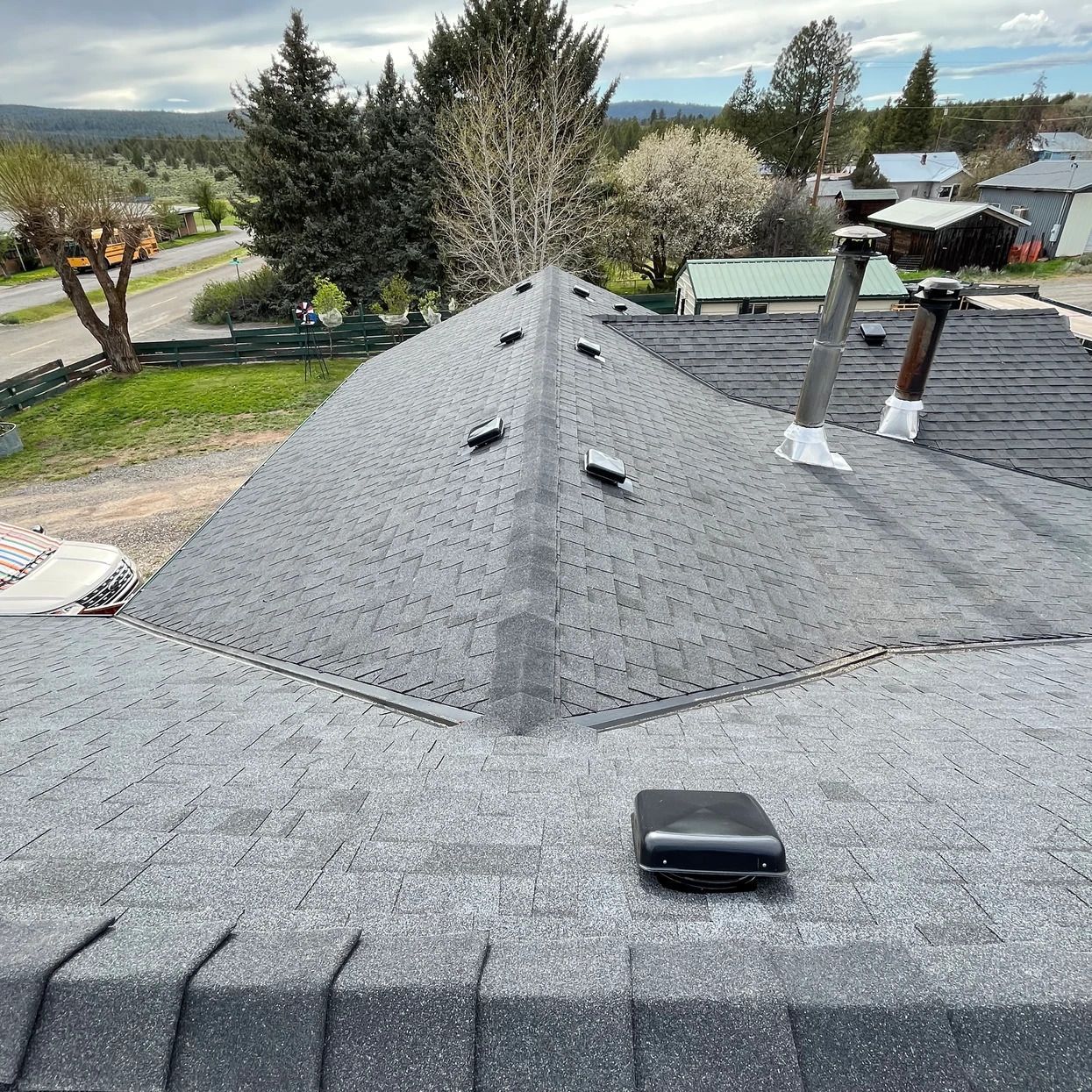
Metal Roof Planning That Accounts for the Whole Property
A metal roof project in Bonanza should begin with the building and the way the property is used. A house, attached porch, detached garage, or business roof may each need different support, flashing, drainage, and access arrangements. Choosing one panel appearance does not make those conditions identical. Outlaw Roofing evaluates the existing assembly and the proposed work so a repair or replacement addresses more than the metal visible from the driveway.
We are a veteran-owned Southern Oregon roofing contractor providing residential and commercial repairs, replacements, and custom metal fabrication. With more than 10 years of experience, we examine the roof covering together with its deck, openings, wall connections, ventilation, and edges. That approach helps owners understand when a defined correction is sufficient and when the roof needs a coordinated replacement rather than another surface patch.
Bonanza is in the agricultural Lost River Valley, where property use can make access planning as important as roof measurements. Where a site has gates, equipment routes, multiple structures, or outdoor storage, those features need to be reviewed before materials arrive. An open location may also expose different roof edges than a sheltered town property. We evaluate the actual address rather than assume one rural roofing specification fits every building.
For a home roof, we offer a free inspection, photo-supported findings, and a written proposal for the recommended work. Standing-seam metal and custom transition details are considered where they suit the structure. Call (541) 275-6189 to arrange a Bonanza evaluation and discuss the roof condition, property logistics, and next steps without relying on a generic replacement recommendation.
Metal Roofing Problems to Resolve Before They Spread

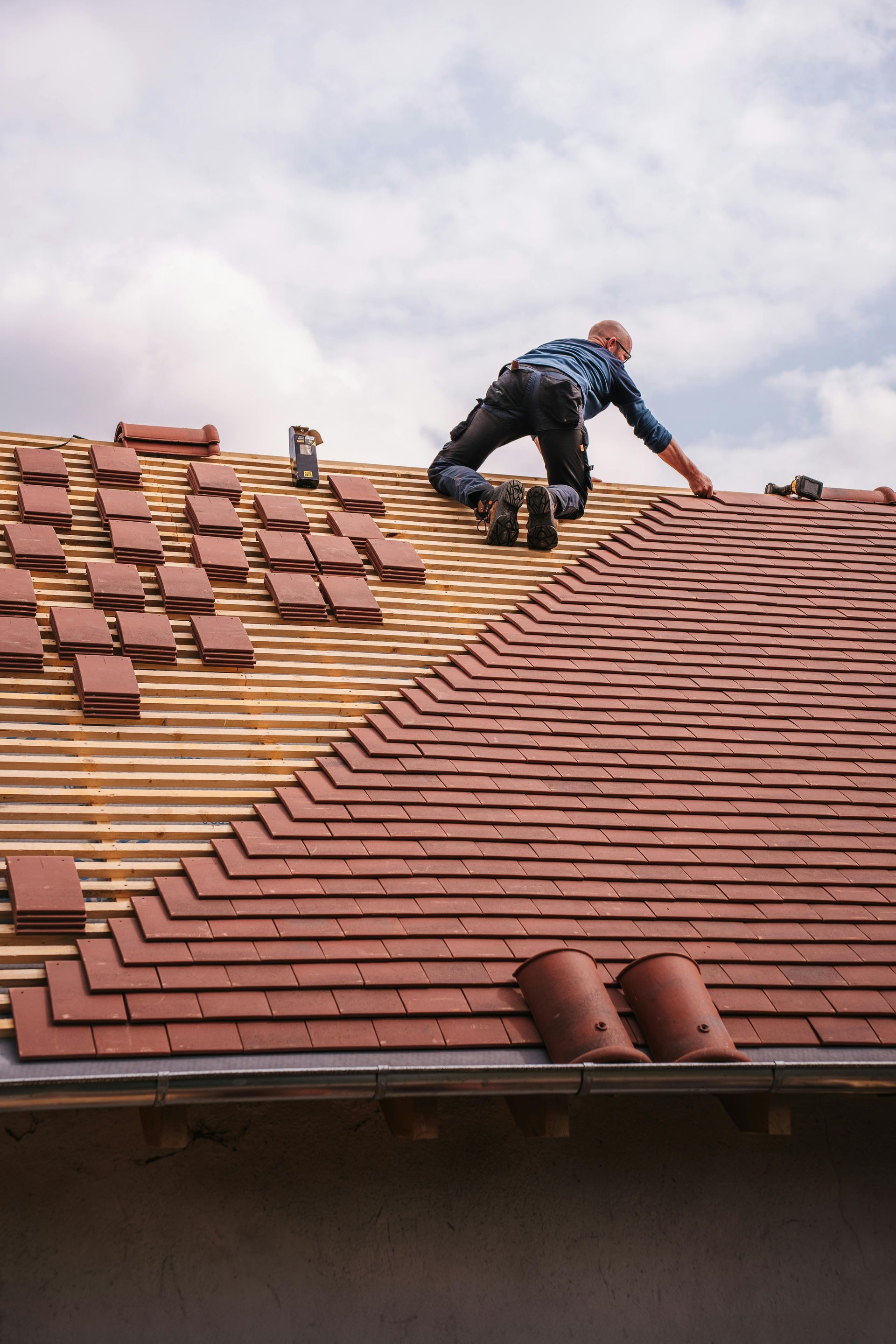
Loose Edge Metal on an Exposed Roofline
A lifted rake, displaced ridge piece, or loose eave detail can admit water and leave adjacent components vulnerable to further movement. The visible trim may not be the only affected part. We check the connection, surrounding panels, and supporting material before defining a correction. A repair should restore the roof edge as an assembly rather than simply fasten down the piece that moved.
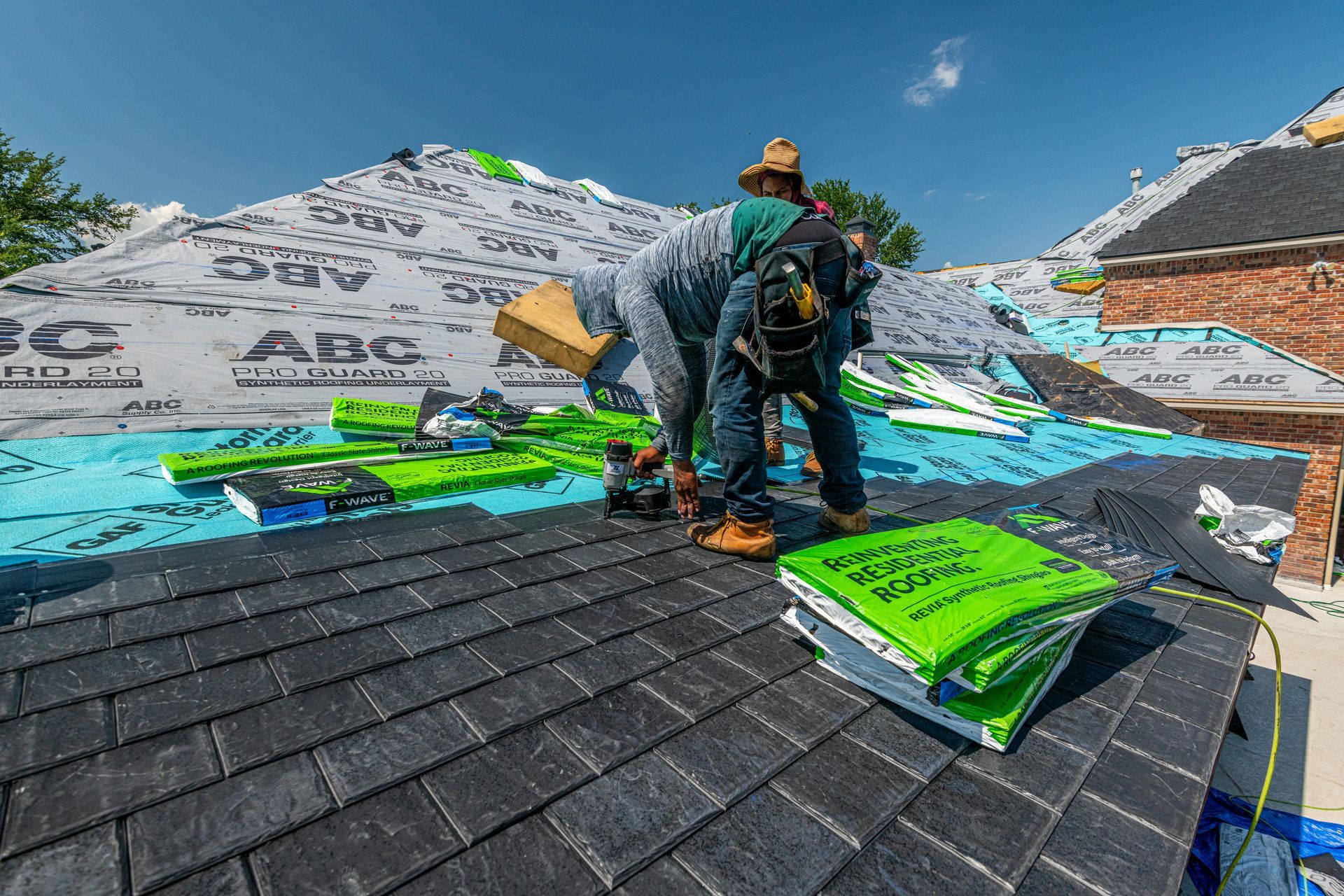
Recurring Leaks at a Porch or Attached Garage
Where a lower roof joins the main building, pitch changes and short wall connections can complicate drainage. Previous patches may hide the original flashing or redirect water into another joint. We trace the transition beneath the visible repair where access allows. The work may involve more than one roof section even when the indoor stain appears in a small, localized area.
Signs Your Bonanza Metal Roof Needs Attention
Rattling Trim, Loose Pieces, or a Changed Roof Edge
New movement, loose material on the ground, or a visibly shifted edge deserves review. Observe from a safe position and keep people away from unstable pieces. Record which side of the building is affected and when the change first appeared. Do not walk onto metal roofing to tighten it; the attachment and adjoining assembly need assessment before a repair is selected.
Staining Where Different Roof Sections Meet
Check interior walls and ceilings near porches, garages, additions, and other changes in roof height. A recurring stain can indicate an incomplete flashing connection, diverted runoff, or a separate moisture source. Notes about the timing help guide diagnosis. We compare those observations with the exterior route rather than assume the nearest panel is the point where water entered.
Persistent Dampness Beneath an Apparently Intact Roof
Moisture below metal does not always mean rain is entering through the covering. Where a building is enclosed or heated, condensation and airflow conditions may also need investigation. Accessible staining, damp insulation, and deteriorated wood provide clues, but they do not establish the cause alone. Report the symptoms and building use so the inspection can consider both exterior entry and interior moisture.
Our Approach to a Bonanza Metal Roofing Project
Step 1 — Assess Each Roof and the Property Access
We discuss the concern and identify which structures are included in the proposed work. The review covers accessible roofing, support indicators, transitions, penetrations, drainage, and relevant attic conditions. Gates, driveways, overhead obstructions, parking, and daily access are also considered. This establishes a practical scope for the specific building instead of treating every roof on the property as an identical installation.
Step 2 — Separate Immediate Repairs From Broader Work
The proposal explains what needs correction now, which parts remain serviceable, and when replacement offers a more complete approach. It identifies preparation, components, protection, cleanup, and the process for hidden damage. Where several structures are involved, their work should be distinguished. Owners can then compare priorities and options without losing track of which roof or transition each recommendation addresses.
Step 3 — Confirm Details, Responsibilities, and Delivery
The roofing assembly and any applicable project-review requirements are checked against the actual building and approved work. We clarify who handles coordination and how changes are authorized. Material selections and access arrangements are confirmed before scheduling. A delivery plan should reflect the usable route and storage space, not simply assume that long panels can be placed wherever a vehicle enters the property.
Step 4 — Protect the Property and Complete Connected Sections
The crew establishes work zones and protects adjacent areas before removing roofing. Exposed decking is evaluated, approved corrections are made, and compatible underlayment is installed before panels cover the support. Flashing and perimeter details are completed with the field work. Staging is planned around conditions so an unfinished porch junction or open edge does not leave the building unnecessarily exposed.
Step 5 — Review the Roof and Clear Shared Work Areas
At completion, we review seams, trim, openings, wall connections, and the drainage route for the work performed. Tear-off debris, cut metal, packaging, and loose fasteners are collected from the agreed work areas. Visual checks supplement magnetic sweeps around paths and parking. The owner receives relevant product information and applicable warranty documents, along with maintenance guidance for the installed assembly.
Metal Roofing Choices for Bonanza Properties
Standing Seam Matched to the Building's Roof Design
Standing-seam roofing can suit a building whose slope, support, and transitions meet the selected system's requirements. Its primary attachment is concealed, but profile and installation details still vary. We review the design before recommending a panel. A house and detached garage may use a similar finish while needing different preparation, ventilation, or edge details beneath and around the metal.
Custom Trim for Uneven or Complicated Connections
A measured flashing solution may be needed where an addition meets an older wall or where standard trim does not fit the geometry. Custom fabrication can help connect those locations to the surrounding roofing. We evaluate the water path and substrate before discussing the finished piece. The purpose is a functional transition, not a decorative cover over an unresolved leak.
A Suitable Deck and a Defined Moisture Strategy
The supporting surface, underlayment, and roof covering need to function together. Where an enclosed building has attic moisture, ventilation and related conditions must also be reviewed. An unheated structure may present different concerns from a residence. We do not assume that copying the visible panel arrangement from one building establishes the right underlying assembly for another with different use and support.
When a Bonanza Roof Can Be Repaired or Replaced
Retain Sound Roofing When a Limited Correction Is Practical
An isolated trim defect, flashing failure, or small damaged area may be corrected when surrounding metal and support remain suitable. The repair must have a reliable boundary and a workable connection to retained roofing. We explain what the work addresses and where older components remain. A recommendation should reflect condition, not suggest replacing every roof on the property because one area leaks.
Replace When Patches Leave Too Many Weak Connections
A roof with repeated failures, widespread deterioration, damaged support, or multiple incompatible repairs may need a coordinated replacement. Opening the assembly allows deck corrections and connected underlayment, flashing, and panel installation. We explain the reasons and limitations of further repair. A new surface should not be proposed without also identifying the underlying details that made the old roof unreliable.
Bonanza Site Conditions That Shape the Roofing Scope
Open Valley Locations and Perimeter Exposure
Bonanza's Lost River Valley setting makes the actual surroundings worth reviewing, particularly where a roof faces open land. Nearby structures, trees, height, and roof shape can change exposure from one slope to another. We examine perimeter attachment and visible movement accordingly. The right scope comes from the property conditions rather than a blanket claim that every local roof needs the same details.
Seasonal Temperature Changes and Connected Metal Parts
For properties in the Klamath Basin, cold-season and summer conditions make temperature change relevant to metal roof design. Panels and adjoining components need to accommodate movement as the selected system requires. Older additions or repeated repairs can complicate those connections. We consider how the assembly fits together instead of treating each recurring gap as a reason to add another fixed patch.
Runoff and Snow Release Near Everyday Routes
Doors, paths, parking spaces, and lower roofs should be considered when reviewing where water and accumulated snow leave the covering. Where snow retention is needed, it must be appropriate for the roof system rather than an improvised attachment. Drainage also needs a clear route beyond the eave. These concerns belong in planning before work changes how the roof discharges onto the property.
Evaluating Homes, Garages, and Other Property Roofs
A Bonanza property may have buildings with different ages, pitches, supports, and indoor uses. We identify those differences before recommending one roofing approach across the site. A lower addition may need another material even when standing seam suits the main roof. Outlaw Roofing provides residential and commercial roofing solutions, with the proposed work defined for the inspected building rather than assumed from its outward appearance.
Illustrative Repair Decision - A House and Garage Junction
Consider an owner reporting leakage where an attached garage roof meets the house. The main roof may remain serviceable while a low transition contains patched flashing and damaged support. A focused inspection would determine whether the junction can be rebuilt without replacing unaffected slopes, and whether metal suits the lower roof's pitch. That decision depends on the actual assembly, not matching appearance alone. This is an illustrative situation, not a report of work completed at a Bonanza address.
Why Bonanza Owners Choose Outlaw Roofing
- Access Planning Around the Way Your Property Works
We identify the delivery route, storage space, work zones, and entrances that need protection before installation. Where a property includes gates, equipment movement, or shared access, those details are discussed rather than assumed. Residents should know which areas need to remain clear. Roofing logistics must fit the site's ordinary use without leaving panel handling or debris routes to last-minute decisions.
- Attention to the Connections Beneath Old Patches
An existing patch can conceal deteriorated flashing, damaged metal, or an unsuitable transition. We review the surrounding assembly and describe whether the correction requires opening adjoining areas. This avoids treating every visible sealant repair as an adequate foundation for new work. The proposal explains which components will be removed, retained, or rebuilt so the owner understands the actual repair boundary.
- Roofing and Custom Metal Work in One Scope
Outlaw Roofing's services include custom metal fabrication as well as roof repairs and replacements. That allows a project conversation to address the fit of trim and flashing alongside the field covering. We still assess whether the proposed detail is suitable for the building. Custom metal should support a defined drainage and attachment plan, not imply that every roof geometry can accept the same material.
- Cleanup Around Parking, Paths, and Outdoor Storage
Roofing debris is particularly important wherever people, pets, vehicles, or equipment use the surrounding ground. We control drop areas, collect loose material, and inspect the work zone before returning it to normal use. Magnetic sweeps help find fasteners, while visual review addresses offcuts and nonmagnetic waste. Cleanup planning should include the edges of the work area, not just its center.
- Clear Findings and Approval Before the Scope Changes
Photographs and written explanations show what the inspection found and why each correction is recommended. When removal reveals concealed damage, the proposed change is documented for approval. We distinguish one structure's needs from another when discussing a multi-building property. Owners receive a more useful record when decisions are linked to specific roof areas instead of grouped into unexplained extras.
What Affects Metal Roofing Cost in Bonanza
The cost of metal roofing depends on the building, existing assembly, and work needed to complete suitable connections. Panel area, profile, roof shape, height, access, removal, support repairs, and custom flashing influence the scope. Several structures should not be priced as though they were one uninterrupted roof. We inspect and explain the recommended work before assigning an estimate to the project.
Driveway Access, Storage, and Panel Movement
A usable route for people does not automatically provide suitable access for roofing deliveries or long panels. Gates, turns, overhead lines, trees, and nearby structures can affect handling and storage. We review those conditions during planning. The proposal should account for meaningful site constraints without assuming that every rural property has unrestricted space or an all-weather staging area.
Separate Structures and Difficult Roof Junctions
Multiple buildings can require separate setup, protection, measurement, and cleanup, even when they are close together. Additions and changes in pitch can add custom flashing or a different roofing assembly. We identify these conditions in the scope. Comparing the combined roof area alone can overlook the work required to make each structure and transition function independently and together where connected.
Old Repairs, Support Damage, and Moisture Correction
Removing metal or an older covering may reveal damaged decking, uneven support, or patchwork concealed during inspection. The work may also expose moisture conditions requiring additional coordination. We explain the approval process for those findings before they occur. A clear estimate separates verified repairs from conditional work, allowing owners to understand how the final scope can change after opening the roof.
Material Specifications and Project Coordination
Panel profile, finish, supporting layers, trim, and any separately specified accessories influence the finished project. Applicable review requirements must also be considered for the actual address and work, without assuming that a roof replacement and a structural change follow identical steps. Responsibilities and selections should be documented before scheduling. Product availability and timing are confirmed rather than promised from a generic service description.
Inspection Priorities for Bonanza Metal Roofing
Edges, Attachment Points, and the Supporting Surface
We check accessible seams, perimeter metal, visible fasteners where present, surface condition, and indications of support damage. Findings are considered in relation to the existing roof system and its repair history. A repeated loose point may require more than another fastener. The objective is to understand the connection before recommending a localized repair or a broader replacement approach.
Additions, Pipe Openings, and Changes in Slope
The roof is examined where water must move around a penetration or between different planes. Short flashing, deteriorated overlaps, displaced trim, and patches that interrupt runoff deserve attention. We also look below these locations for related damage. The recommended correction should restore the connected drainage layers, not merely hide a visible gap with another cover strip.
Moisture Beneath Different Types of Buildings
A heated residence, attached garage, and unheated accessory space may not have the same moisture pattern. Where access permits, we review attic conditions, support, airflow, and evidence of exterior entry. The building's use helps interpret the findings. Roof covering, ventilation, and other moisture corrections should be distinguished so a panel replacement is not presented as the answer to every damp surface.
Keeping a Bonanza Metal Roof Serviceable
Use Condition and Repair History to Guide Decisions
Remaining roof service depends on the current assembly, not a presumed lifespan. We consider panels, attachment, flashing, support, drainage, and previous repairs. Limited work may suit an older roof, while a newer installation can still have serious detail problems. The recommendation explains which components remain useful and where correction is needed.
Review Trim, Openings, and Damaged Finish Periodically
Inspect penetrations, seam connections, perimeter pieces, and coating damage according to the installed system's care guidance. Keep records of changes and use compatible repair materials. An unspecified coating or an accessory fastened through the surface can create additional problems. Ask how proposed maintenance affects drainage, attachment, and the existing protective finish.
Maintain Clear Water Paths and Safe Observation Areas
Keep valleys, panel ends, and gutters clear of debris. Note stains or displaced components from the ground and maintain access for professional evaluation. Tree contact should be corrected without damaging the covering. Do not walk on panels for routine checks or remove snow from an unsafe position.
Quick Answers — Metal Roofing in Bonanza, OR
Should a house and detached garage use identical roofing details?
Not necessarily. Pitch, support, ventilation, and penetrations can differ even when roofs look similar. Each structure needs a defined scope. Matching the finish does not establish that the same preparation or attachment suits both buildings, so those conditions are evaluated separately.
Can an old exposed-fastener metal roof be repaired?
It may be repairable when the metal, attachment surface, and drainage details remain suitable. Deteriorated seals, fastener movement, corrosion, and earlier patches are assessed together. Replacing scattered screws may not resolve wider damage. We explain the proposed correction and the limits of retaining the existing assembly.
Can open surroundings affect how the roof is evaluated?
Yes. Roof height, shape, nearby buildings, trees, and open land influence the exposure considered during assessment. Perimeter details and visible movement deserve review in context. A Bonanza address alone does not establish one fastening or trim solution. The proposed assembly must be appropriate for the actual building and selected system.
Does moisture under a garage roof always mean a leak?
No. Exterior entry and condensation can produce different patterns beneath a roof. The building's use, enclosure, airflow, and roof assembly help determine what needs investigation. We assess available evidence rather than assume new panels will resolve every damp area. Some findings may require corrections beyond the outer covering.
How should access be planned before a rural roof project?
Discuss gates, driveway conditions, turns, overhead obstructions, parking, and available material storage. Explain which routes must remain usable for the household or business. Panel handling and debris collection need planned space. Confirm these arrangements with the contractor before delivery rather than assume the largest open area is suitable for every part of the work.
Roofing Services for Your Bonanza Property
Home Roof Inspection and Material Planning
We assess a residence's covering, accessible support, roof transitions, ventilation, and drainage before recommending repair or replacement. The findings help determine whether metal suits the home and what work belongs beneath the visible surface.
Complete Residential Roofing Replacement
A complete replacement can address the deck, underlayment, flashing, edges, and chosen covering together. We describe the preparation and retained components so a Bonanza homeowner understands the work beyond removing one material and installing another.
Defined Leak and Transition Repairs
When roofing around a failure remains sound, a limited correction may restore the affected connection. We examine porches, additions, openings, edges, and damaged areas before deciding whether broader replacement is necessary for a reliable outcome.
Arrange a Bonanza Metal Roofing Evaluation
Start with a clear picture of the roof and the property around it. Outlaw Roofing will review the reported concern, document accessible conditions, and explain an appropriate repair or replacement scope. Call (541) 275-6189 to discuss your Bonanza metal roofing project, including the building involved, access needs, and the transitions that deserve closer attention.
Frequently Asked Questions — Bonanza Metal Roofing
Can a porch leak be corrected without reroofing the house?
Often a limited correction can be considered when the main roof is serviceable and the transition can be rebuilt properly. The work may need access beneath both adjoining coverings. We review pitch, support, flashing, and the surrounding material first. A visible patch over the junction is not equivalent to restoring the water-controlling layers beneath it.
Should I choose metal solely because an outbuilding has it?
No. The roof must suit the particular building's slope, support, indoor use, and drainage needs. An outbuilding's visible panel arrangement does not establish what is appropriate for a residence or enclosed garage. Compare the proposed assembly and maintenance requirements, not only the appearance of another structure on the same property.
What should an estimate say about more than one building?
It should identify the work for each structure, including removal, preparation, material, flashing, protection, and cleanup. Shared staging arrangements and any conditional repairs should also be clear. This lets you understand the scope and discuss priorities without assuming that one combined figure includes identical work on every roof.
Can a damaged panel simply be covered with another sheet?
That is not automatically a suitable repair. Covering damage can conceal deterioration, interfere with drainage, or create incompatible attachment. The existing system and support must be assessed before choosing a method. We explain whether the affected area can be repaired or replaced with a reliable connection to the surrounding roofing. The proposal should identify how the corrected area will connect to the retained panels and adjoining flashing.
Can existing gutters protect people using an entrance or walkway from snow that slides off a new metal roof?
Gutters are drainage components and should not be assumed to retain accumulated roof snow. Where release could affect doors, paths, or lower roofs, evaluate a compatible retention approach for the actual assembly. The need, design responsibilities, and any resulting work should be identified in the proposal rather than improvised after installation.
What maintenance guidance should accompany a new roof?
Ask for the installed product identification, care instructions, applicable warranty information, and guidance on reviewing seams, flashing, finishes, and drainage. Keep the scope and approved changes with those records. Avoid assuming all metal systems accept the same cleaners, coatings, attachments, or repair methods. Future work should be checked against the actual assembly.
Can roofing work be scheduled in separate phases?
Phasing can be discussed where each portion can be made complete and protected. Separate buildings may offer clearer boundaries than connected slopes sharing valleys or wall flashing. We explain how the stages affect access and the finished connections. Scheduling should follow the agreed scope and conditions, not leave vulnerable transitions open between visits.
What precautions help protect pets and outdoor equipment?
Keep pets away from work zones and secure gates that could be opened for deliveries. Move vehicles and sensitive outdoor items from agreed drop and storage areas. Discuss equipment routes before installation so the crew understands required access. These arrangements are part of preparation and should be confirmed before roofing materials arrive.
When should I request an evaluation after a new roof symptom?
Request an inspection for loose trim, recurring leaks, changed seams, damaged finish, or unexplained moisture. Identify the building, affected roof area, timing, and past repairs. This gives the inspection a clear starting point instead of relying on further patches without knowing the cause.
Is a similar color enough when replacing only one slope?
No. The new panels must fit the roof support and connect to sound metal at the edges. Shared valleys, ridges, and wall joints can limit a one-slope repair. We assess the tie-in, appearance, and retained parts before recommending partial replacement.