Residential Roofing Contractor in Jacksonville OR
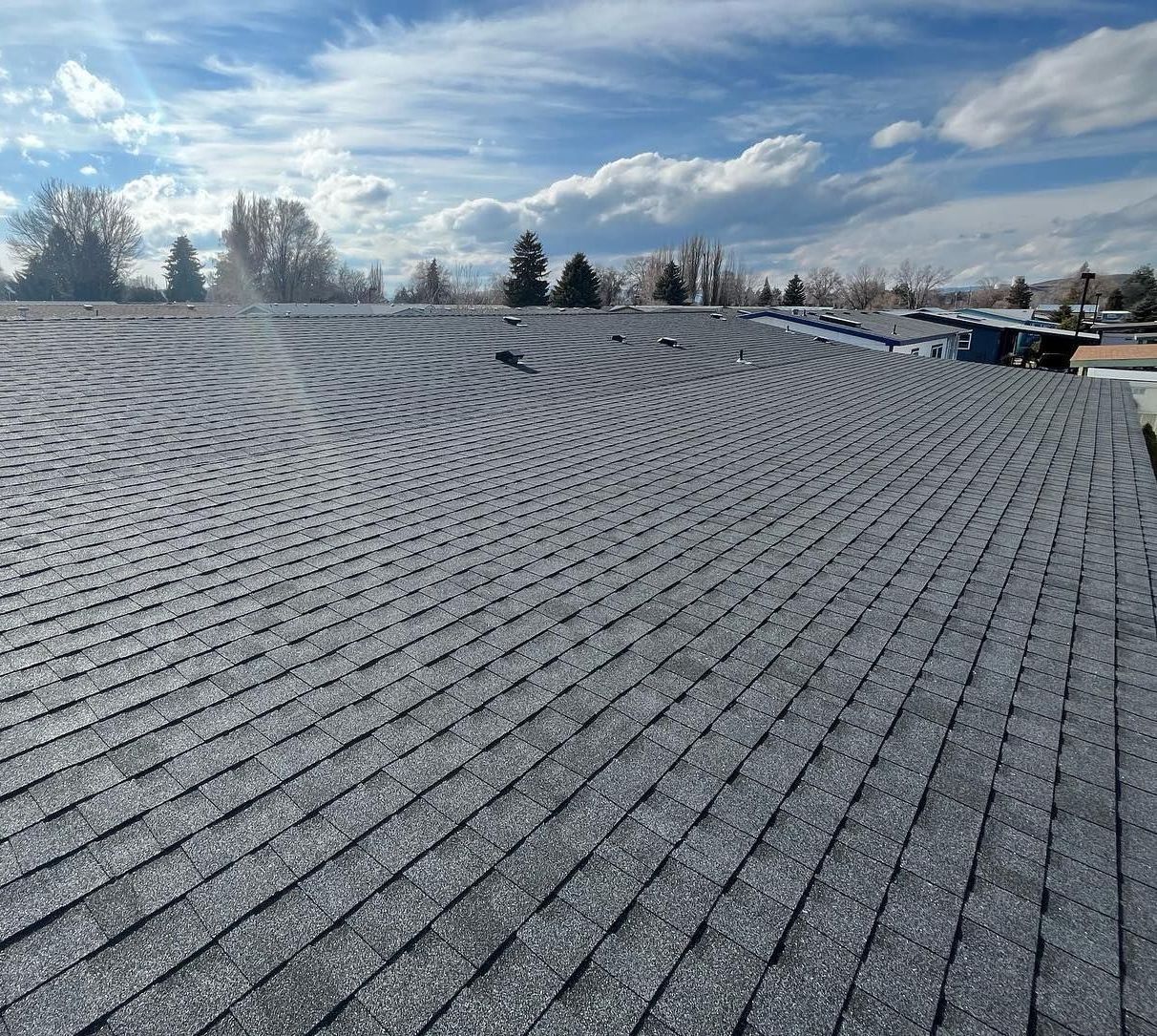
Jacksonville, OR Roofing Contractor : Trusted, Licensed, and Ready for Southern Oregon's Historic Homes
Jacksonville is unlike any other community in the Rogue Valley. Oregon's oldest incorporated city sits at roughly 1,500 feet in the hills west of Medford, and the roofing conditions here are shaped by that elevation, that history, and that specific valley geography. Winters bring steady rain, freeze-thaw cycles that stress older masonry and flashing systems, and occasional snow events. Summers are hot and dry enough to crack aging asphalt and accelerate granule loss on south-facing slopes. The combination tests roofing systems year-round.
Outlaw Roofing is a veteran and family-owned roofing company based in Klamath Falls, serving Jacksonville and the surrounding Rogue Valley communities. Our team has been installing and replacing roofs in Southern Oregon since 2011 and hold Oregon CCB license #236299.
We work regularly in Jacksonville's historic district neighborhoods, on the ranch-style homes along the city's residential corridors, and out to the rural residential properties on Jacksonville's fringes. We see specific failure patterns here that differ from what shows up elsewhere in the valley. Historic chimneys on Victorian-era homes develop flashing separations from decades of freeze-thaw cycling. North-facing slopes under heavy tree canopy grow moss faster than almost anywhere else in Southern Oregon.
Outlaw Roofing is certified by GAF, IKO, CertainTeed, WeatherBond, and PolyGlass. We offer free roof inspections, written proposals for every job, and financing through GreenSky. Call (541) 275-6189 to schedule your Jacksonville inspection.
The Most Common Roof Issues on Jacksonville, OR Homes

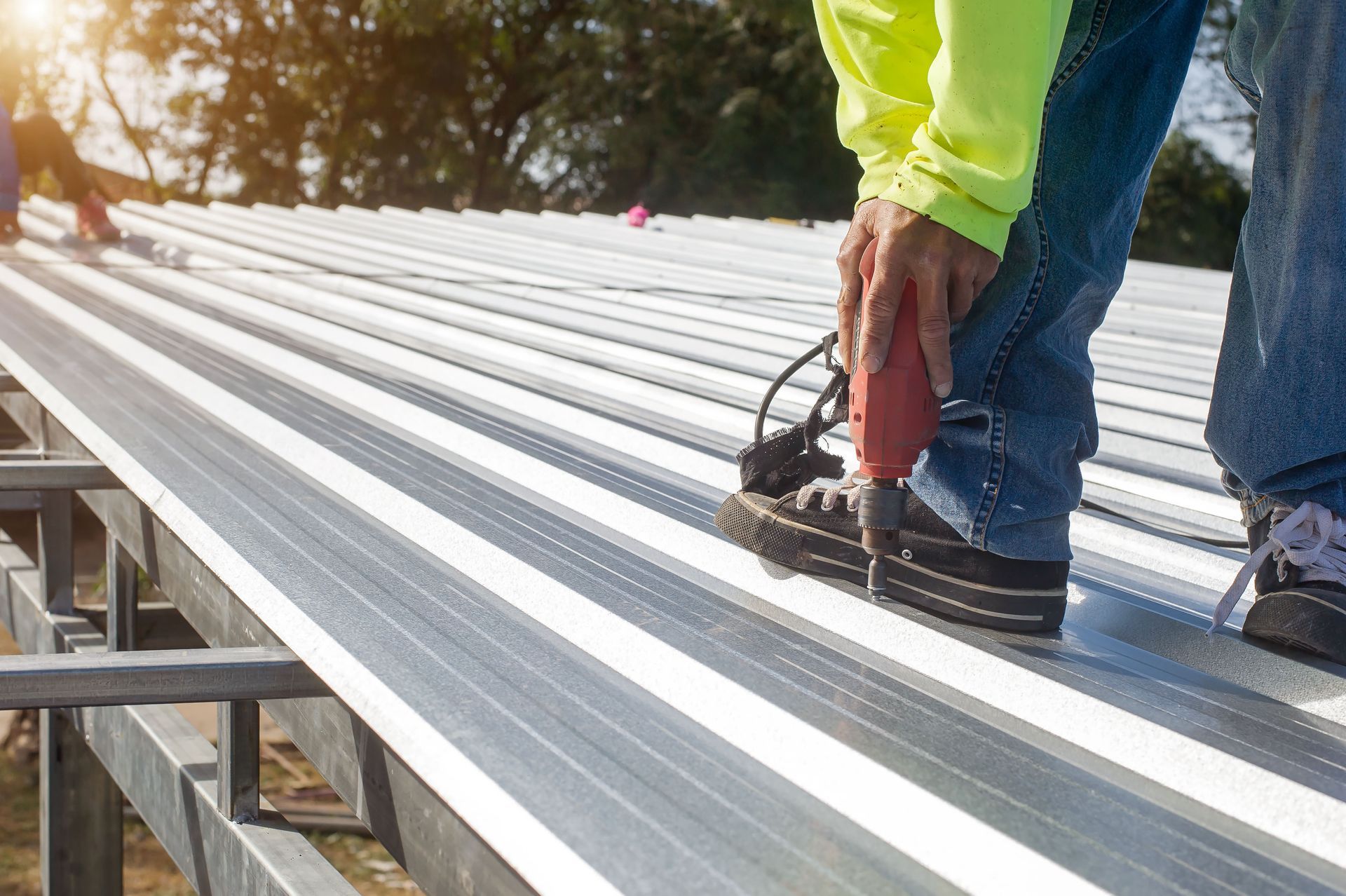
Chimney Flashing Failure on Older Homes
Jacksonville has a higher concentration of older homes than most Southern Oregon communities. Victorian and Craftsman-era properties in the historic district, mid-century ranch homes throughout the residential streets, and everything in between. On these older properties, chimney flashing is one of the most consistent failure points we find. The original flashing on a 1970s Jacksonville home has been through 50-plus winters. Freeze-thaw cycling loosens the mortar bond at counter-flashing locations, and once water gets behind that flashing it works its way down to the ceiling of the room below.
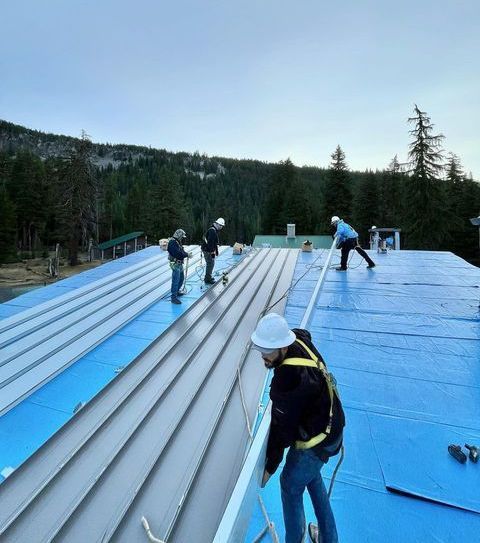
Moss Growth on Heavily Shaded Slopes
Tree canopy in Jacksonville is substantial, especially on properties in and near the historic district and along the residential corridors south of town. North-facing slopes under mature trees can develop visible moss coverage within three to five years of a shingle installation, particularly if the previous installation did not include algae-resistant product. Moss is not a cosmetic problem. It holds moisture against the shingle surface through dry periods, lifts shingle edges over time, and creates pathways for water to work underneath.
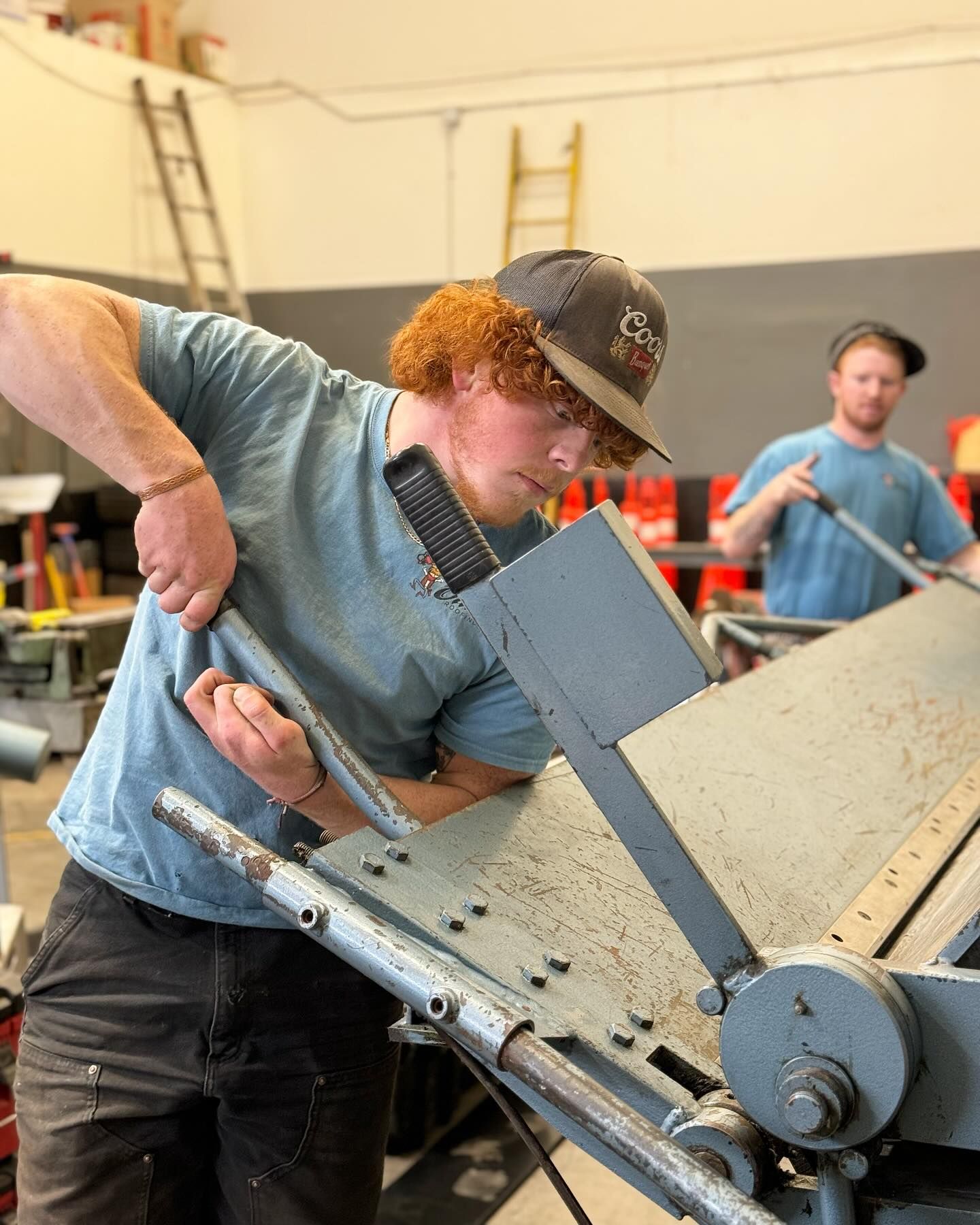
Signs Your Jacksonville, OR Roof Is Due for an Inspection
What to Look for Outside
Walk the perimeter of the house and look up at each slope from multiple angles. Curling or cupping at shingle edges means the material has lost flexibility and the adhesive system is failing. Dark bare patches where granule coating has worn away are a sign of advanced surface deterioration. Granule accumulation in gutters after rain is another indicator. On Jacksonville properties with chimney stacks, look specifically at the junction between the chimney and the roof deck.
What to Look for Inside
Ceiling stains are the most obvious interior sign, but they are not always directly below the failure point. Water that enters through a failing chimney flashing on the north side can travel along the deck and drip at a completely different ceiling location. Any staining at the tops of interior walls near the exterior, around ceiling light fixtures, or along the line where ceiling meets an outside-facing wall is worth investigating. A dry stain does not mean the problem resolved.
What to Look for in the Attic
Get into the attic after a rain event with a flashlight. Look at the underside of the deck boards. Dark staining on the sheathing means moisture has been in contact with that surface repeatedly. Wet or compressed insulation near the eave or around chimney locations is a direct indicator. Any point where daylight is visible through the boards needs immediate professional attention.
How We Handle Every Roofing Project in Jacksonville, OR
Roof Inspection at No Cost
We schedule a time that works for you and come to the Jacksonville property at no charge. Every slope, valley, penetration, flashing transition, and eave edge gets examined from the roof not from the yard. On Jacksonville's older homes we focus specifically on chimney flashing integrity and shaded north-facing slopes where moss penetration tends to run deep. Every finding gets documented with photos before we leave.
Itemized Written Proposal
You receive a written proposal with every cost broken out materials, labor, tear-off, disposal, permit fees, and a deck repair allowance based on inspection findings. If tear-off reveals deck damage beyond what was estimated, we stop, photograph it, and call you before touching anything outside the original scope.
Jackson County Permit Management
Jacksonville roofing replacements require a building permit through Jackson County Building Codes Division. We handle the application, coordinate all required inspections, and manage county communication from start to finish. You are not involved in that process at any point.
Installation by a Licensed Crew
Our crew installs to manufacturer specifications using approved methods throughout. Landscaping and vehicles are protected before work begins. If weather forces a stop mid-installation, the exposed deck is properly dried in before anyone leaves the property.
Choosing the Right Roofing Material for Your Jacksonville, OR Home
Asphalt Shingles — GAF, IKO, CertainTeed
The most common choice for Jacksonville residential roofing and the right answer for most properties. Modern architectural shingles from GAF, IKO, and CertainTeed offer significantly better wind resistance, UV performance, and algae resistance than the three-tab products on older Jacksonville homes. Algae-resistant coatings are worth specifying on any Jacksonville property with north-facing slopes or significant tree canopy nearby.
Metal Roofing — Standing Seam
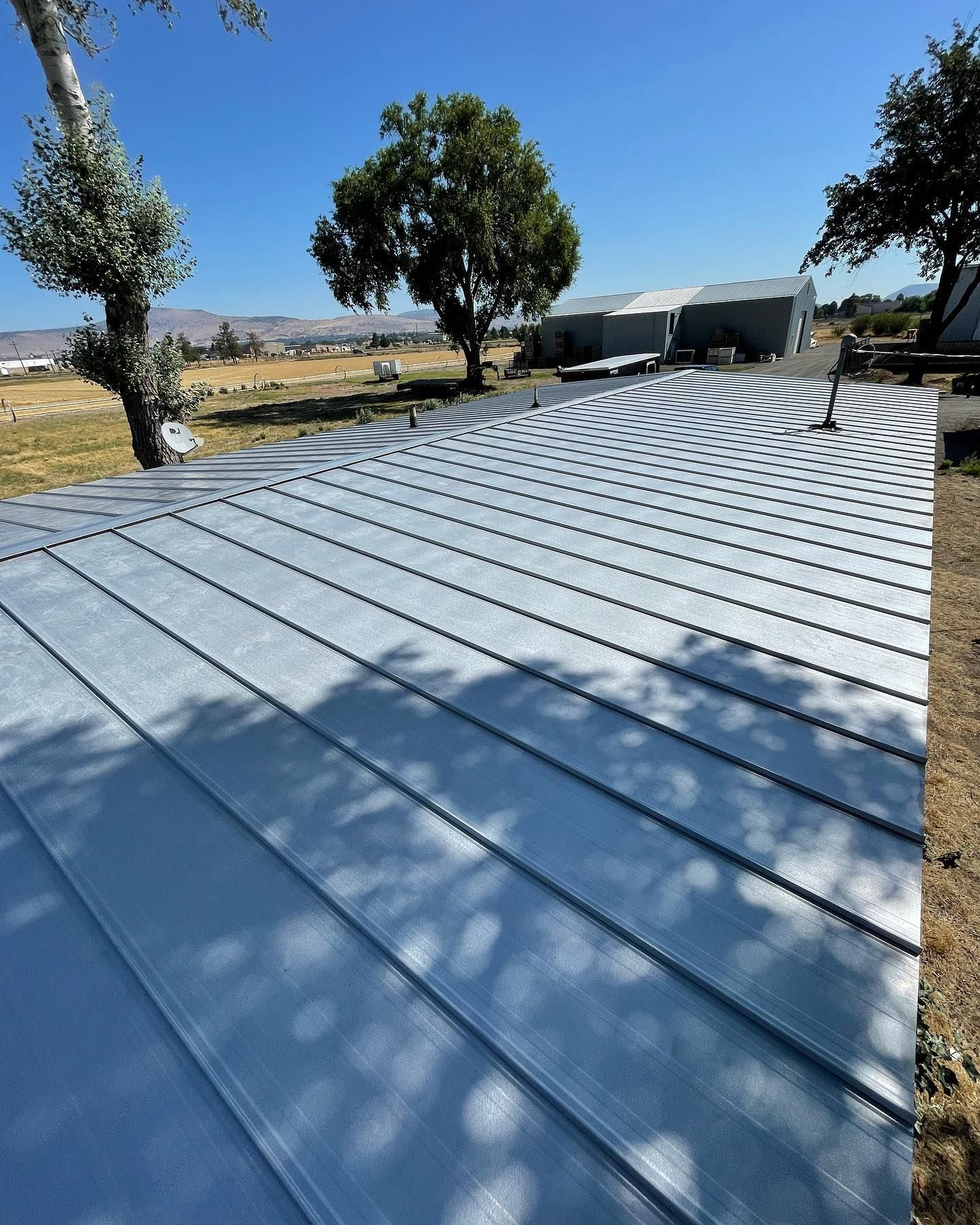
A strong option for Jacksonville properties where the owner plans a long-term hold or wants to change the replacement cycle permanently. Standing seam metal handles Southern Oregon's seasonal extremes better than asphalt on every measure. No moss establishment on the surface. No granule loss. No cracking from summer heat. Class A fire rating. Service life of 40-plus years.
Composition and Impact-Resistant Options
For Jacksonville homeowners who want maximum wind performance or who have had hail events, Class 4 impact-resistant shingles offer a meaningful upgrade. The material premium is often offset through insurance discounts over a few renewal cycles. We walk through the numbers during the inspection so the decision is based on your specific situation rather than a general recommendation.
Roof Repair or Roof Replacement : What Jacksonville, OR Homeowners Need to Know
When Repair Makes Sense in Jacksonville
Isolated chimney flashing failure on a 10-year-old roof that is otherwise sound is a repair. A single valley section with deteriorated flashing on a 12-year-old system with no other concerns is a repair. Specific wind damage to a limited section on a roof with meaningful service life remaining is a repair. Outlaw assesses every Jacksonville roof honestly before recommending a direction.
When Replacement Is the Smarter Move
A roof that is 20-plus years old in Southern Oregon's climate has consumed most of its reliable service life, even if it has not leaked visibly. Spending money to repair chimney flashing and a valley on a system that needs full replacement in two years is not a sound investment. Replacement delivers a new warranty, updated materials, and a full service life at current installation standards.
What Jacksonville, OR Weather Does to Your Roof Over Time
Freeze-Thaw Cycling Through Southern Oregon Winters
Jacksonville winters cycle repeatedly through above- and below-freezing temperatures from November through March. Each cycle creates small expansions and contractions at every flashing joint, every fastener location, and every mortar bond in a chimney stack. Over 20 years those cycles add up to meaningful movement at every seam. This is why chimney flashing failure is so common on older Jacksonville homes. The flashing itself may still be intact, but the mortar bond holding counter-flashing to the chimney face has been worked loose by hundreds of freeze-thaw events.
Wet Winters With Concentrated Storm Events
Jacksonville averages significant rainfall concentrated into weather events rather than steady drizzle. Those storm events arrive with wind that tests flashings and sealed seams throughout the roofing system. Sustained rain over 24 to 48 hours creates the extended wet conditions where failed or marginal flashings stop holding.
Wildfire Risk in the Southern Rogue Valley
The 2020 Almeda Fire destroyed thousands of homes in Talent and Phoenix, communities within 10 miles of Jacksonville. Ember-driven fires travel faster than most homeowners expect, and roofing material was a primary factor in how quickly structures ignited. Metal roofing and Class A fire-rated shingles are the strongest choices for Jacksonville properties, particularly those near the wildland-urban interface areas to the south and west.
What Roofing Systems Are Typically Found on Jacksonville, OR Properties
Jacksonville's housing stock spans more eras than almost any other Rogue Valley community. The historic district contains Victorian, Italianate, and Craftsman homes dating from the 1860s through early 1900s, many of which have been re-roofed at least once. The residential corridors throughout town include significant numbers of ranch-style and split-level homes from the 1960s through 1980s.
Asphalt shingles dominate across all eras, though the specific products vary. Older homes in and near the historic district often have architectural shingles installed within the last 15 to 20 years replacing original or second-generation materials. Ranch-style homes from the 1970s and early 1980s sometimes carry systems approaching or past their reliable service life. The historic character of Jacksonville also drives interest in material compatibility on properties where cedar shake or specific shingle profiles were part of the original construction.
Example Roofing Project in Jacksonville, OR
Last spring we inspected a 1978 single-story ranch on a side street near the historic corridor. The homeowner had bought the property three years earlier and been told the roof was recently redone by the previous owner. No permits were on record for any roofing work in the past 20 years.
Our inspection found an asphalt system that was, by granule loss and shingle condition, at least 18 years old. The south-facing slope had severe granule depletion. Moss covered roughly 35 percent of the north-facing slope, and probing under the heaviest section revealed soft deck board at the eave edge. The chimney flashing had been caulked over at multiple locations. Caulk is a temporary measure, not a repair.
Full replacement: GAF Timberline HDZ in charcoal, new chimney flashing and counter-flashing, replacement of the compromised deck section at the north eave, synthetic underlayment throughout, and new pipe boots at all penetrations. Total project: $13,200. The homeowner mentioned a contractor had quoted her $9,400 two years earlier. That quote had no permit, no deck repair allowance, and used a product we could not verify.
Why Outlaw Roofing Is Jacksonville, OR's Most Trusted Roofing Contractor
- Veteran and Family-Owned
Riley has been working Southern Oregon roofs since 2011. The military values Riley brought home accountability, precision, and zero tolerance for cutting corners are the same values that run every Outlaw Roofing project today.
- Licensed and Verified
Our Oregon CCB license number is
#236299
. Look it up at
oregon.gov/ccb before you hire anyone. Oregon law requires every contractor performing roofing work to hold a current, active CCB registration. If they cannot give you a number you can verify, walk away.
- Manufacturer Certified
Outlaw Roofing carries certifications from GAF, IKO, CertainTeed, WeatherBond, and PolyGlass. Each certification requires installation to that manufacturer's approved methods and standards. Jacksonville homeowners who choose a certified contractor get warranty options that are simply off the table when an uncertified crew installs the same product
- NRCA Member
We hold active membership in the National Roofing Contractors Association. That membership is how we stay ahead of changes to installation standards and Oregon building code requirements that directly affect how roofing work gets done in Jacksonville and the surrounding Rogue Valley.
- Free Inspections
We come to the Jacksonville property, get on the roof, document what we find, and give you a written assessment before you commit to anything. No sales pressure. No obligation. Just a straight honest assessment.
How Much Does a Roof Replacement Cost in Jacksonville, OR
Standard residential roof replacements in Jacksonville typically run $11,000 to $18,000 for a single-story home based on current material and labor pricing in Jackson County. That range moves depending on several factors.
Roof Size and Pitch
A single-story Jacksonville home in the 1,200 to 2,200 square foot range typically requires between 18 and 26 roofing squares. Properties in and around the historic district tend to carry steeper pitches and more complex rooflines than standard residential construction elsewhere in the valley both factors that increase labor time, safety equipment needs, and overall project cost.
Material Selection
Architectural asphalt shingles set the baseline price. Stepping up to impact-resistant Class 4 product adds roughly 15 to 25 percent. Standing seam metal runs 30 to 50 percent above asphalt upfront but carries a service life of 40-plus years. The right choice depends on your ownership timeline and how you weigh initial investment against future replacement cycles.
Deck Repair Scope
Jacksonville properties with any history of moss coverage or moisture infiltration frequently require partial deck board replacement once tear-off is complete. We include a deck repair allowance as a visible line item in every written proposal. If actual conditions come in better than estimated, the cost drops. If they come in worse, work stops and you approve any additional scope before we proceed.
Permits Fees
A building permit is required for every roofing replacement in Jacksonville. County permit fees generally fall between $150 and $400 based on project scope and are listed as a separate line item in the written proposal. No hidden costs folded into labor or materials.
What Experienced Roofers Look for on Medford, OR Inspections
Roof Deck and Structural Condition
The deck is the foundation every new roofing system sits on. Jacksonville properties with any history of moss buildup or water infiltration often hide soft or deteriorated sheathing that only becomes visible after tear-off. Every compromised section gets probed, photographed, and documented before additional repair scope is discussed. Oregon building code prohibits installation of a new roofing system over damaged decking, this is not optional and we treat it accordingly.
Attic Ventilation Assessment
Poor attic ventilation is one of the leading causes of early roof failure across Southern Oregon. When intake and exhaust airflow is out of balance, heat and moisture build up in the attic cavity and attack the roofing system from below degrading shingles prematurely and accelerating deck deterioration before surface wear becomes visible. Every Jacksonville inspection includes a ventilation evaluation with any deficiencies noted in the written report.
Flashing Integrity at Every Transition
Chimneys, pipe boots, wall transitions, and roof valleys are the points where water most commonly finds a way in. On Jacksonville homes built in the 1970s and 1980s, original galvanized flashings have had decades to corrode. Caulk applied over deteriorating flashing is a temporary patch, not a repair it delays the problem without solving it. On full replacement projects we install new flashing at every transition point. On repair assessments every flashing location is individually documented with a condition rating.
How Long Does a New Roof Last on a Jacksonville, OR Home
Asphalt Shingles
A quality architectural asphalt shingle system, installed correctly with balanced attic ventilation, delivers between 22 and 28 years of reliable service on a Jacksonville home. South-facing slopes absorb more UV load and show wear earlier. North-facing slopes under tree canopy face accelerated moss development that degrades shingles from the surface down. Neither issue is fully solved by material selection alone. Scheduled inspections every three to five years catch developing problems while repair costs are still manageable.
Metal Roofing
A properly installed standing seam metal system performs for 40 to 50-plus years in Southern Oregon's climate roughly double the reliable service life of architectural asphalt. Metal does not lose granules, does not support moss establishment, and handles Jacksonville's freeze-thaw cycling without the seal strip fatigue that shortens asphalt service life. For Jacksonville homeowners planning a long-term hold or those who have already replaced an asphalt roof once, the lifecycle cost comparison consistently favors metal.
Roof Maintenance Tips
Clear debris from valleys and gutters after fall storms before it holds moisture against shingle edges through winter. Trim branches overhanging north-facing slopes they extend shade and accelerate moss growth directly. Schedule a professional inspection every three to five years and after any storm event that brought significant wind or hail through the Rogue Valley. A failing pipe boot caught early is a $300 fix. Left alone until water reaches the ceiling, it is not.
Quick Answers — Roofing in Medford, OR
How long does a roof replacement take in Jacksonville?
Most single-story homes finish in one to two days for a standard asphalt shingle replacement. Steeper pitches, multiple valleys, or complex chimney work typically push that to two to three days. Metal installations run longer given the more precise fitting and seaming requirements. You receive a realistic written timeline before any work begins.
Do I need a permit for a roof replacement in Jacksonville?
Yes. Jackson County requires a building permit for every roofing replacement in Jacksonville. We handle the application, coordinate required inspections, and manage all county communication. You are not involved in that process at any point.
Does Outlaw Roofing travel to Jacksonville from Klamath Falls?
Yes. Jacksonville is a regular part of our service area. We cover the full Rogue Valley, Medford, Ashland, Central Point, Eagle Point, and Jacksonville without adding travel charges based on distance within that region.
How do I decide between repair and full replacement?
A roof under 12 years old with one isolated problem is almost always a repair. A roof past 18 to 20 years with multiple issues or any deck damage is almost always a replacement. We put both options in writing with pricing so you can compare them directly and make the call yourself.
What fire-resistant roofing options make sense for Jacksonville properties?
Standing seam metal carries a Class A fire rating and is the strongest available option. Class A and Class B rated asphalt products are also available. After the 2020 Almeda Fire burned through Talent and Phoenix less than 10 miles away, this is a conversation we have on nearly every Southern Oregon inspection for properties near wildland interface areas.
Roofing Services Available to Jacksonville, OR Homeowners
Residential Roof Replacement
Full roofing system replacements using GAF, IKO, and CertainTeed products selected for Southern Oregon's climate demands. We manage tear-off, deck assessment, installation, and Jackson County permit coordination from the first day to final walkthrough.
Residential Roof Repair
Targeted repairs for chimney flashing separation, deteriorated valley systems, wind-damaged sections, and active leak points. Every repair assessment includes a written scope and firm price before any work is authorized.
Metal Roofing
Metal roofing for Jacksonville homeowners who want a Class A fire rating, a 40-plus year service life, and a permanent exit from the asphalt replacement cycle. A strong option for properties near wildland interface areas and for long-term owners who have already replaced asphalt once.

Schedule Your Free Roof Inspection in Jacksonville Today
A Jacksonville homeowner who knows the real cost, understands what the project covers, and has a manufacturer warranty document in hand at the end of the project is in a completely different position than one who accepted the cheapest number without asking what it included.
Riley has been completing licensed, permitted roof replacements in Medford since 2011. Every project from West Medford ranch homes to East Medford production builds to Roxy Ann hillside properties has closed at the written proposal price. Call (541) 275-6189 to schedule your free Medford inspection.
Frequently Asked Questions : Roofing Contractor in Jacksonville, OR
How do I verify a roofing contractor's license in Oregon?
Visit oregon.gov/ccb and search by contractor name or license number. Outlaw Roofing's license is CCB#236299. Oregon law requires every contractor performing roofing work to hold a current, active CCB registration. Any contractor who cannot give you a verifiable number should not be on your roof, this check takes under a minute and tells you more than anything a contractor says about themselves.
My home has moss on the north-facing slope. How concerned should I be?
Concerned enough to get it looked at. Moss does not just sit on the surface, it holds moisture against shingles through dry periods, works under shingle edges over time, and strips granule coating from sections it covers. Dense, established moss growth is usually a sign that the shingles underneath have been damp through at least one full Southern Oregon winter season.
I recently purchased a property in Jacksonville with no roofing records. Where do I start?
Start with an inspection. Real estate transactions in Jacksonville frequently do not include clear roofing history, and what buyers are told at closing is not always accurate. An independent inspection gives you an objective assessment of the system's current condition. How much service life remains, what issues exist now, and what to watch going forward.
I found ridge cap debris in my yard after a recent wind event. Should I be worried?
Finding ridge cap material on the ground is a signal worth acting on quickly. The exposed peak is the immediate concern, but wind events that dislodge ridge sections almost always create broken seals in the field shingles below that are completely invisible from yard level. What looks like a minor issue from the ground sometimes tells a different story once we get on the roof.
Can I stay in my home while the roof is being replaced?
There is no need to make other arrangements during your Jacksonville roof replacement. The process is noisy and there is crew activity on the roof all day, but the interior of the home stays unaffected. We do ask a few things before work begins — pets secured, vehicles moved clear of the area, and fragile items near outside-facing walls protected from vibration. Landscaping is covered throughout the project.
What happens if it rains during roof replacement?
We monitor weather closely and schedule around rain windows. If rain arrives during installation, we dry in the exposed areas with synthetic underlayment before stopping work. We never leave a partially We track forecasts and build schedules around weather windows whenever possible. If rain arrives during installation, the exposed deck is dried in with synthetic underlayment before the crew leaves. An unprotected deck is never left overnight regardless of forecast conditions.-off roof unprotected overnight regardless of weather.
Does Outlaw Roofing offer financing options for Jacksonville homeowners?
GreenSky financing covers up to 100 percent of project cost for qualified homeowners. Military discounts are also available. We go through both options during the inspection consultation so you have the full picture before committing to anything.
What is the difference between a manufacturer warranty and a contractor warranty?
The manufacturer warranty covers the roofing materials. The contractor warranty covers the workmanship of the installation. A legitimate replacement comes with both in writing. Our certifications with GAF, IKO, and CertainTeed allow us to offer extended system warranties when components from the same manufacturer are installed together as a complete system.
warranty covers the roofing materials against defects. A workmanship warranty covers the quality of the installation itself. A properly completed replacement comes with both in writing. Outlaw Roofing's certifications with GAF, IKO, and CertainTeed allow us to offer extended system warranties when all components are sourced from the same manufacturer coverage that is not available through uncertified contractors installing the same products.covers our installation workmanship. You should receive both on any legitimate roof replacement. Manufacturer certifications like our GAF, IKO, and CertainTeed credentials allow us to offer extended system warranties when multiple components from the same manufacturer are installed together.