Residential Roofing Contractor Serving the Rogue Valley OR
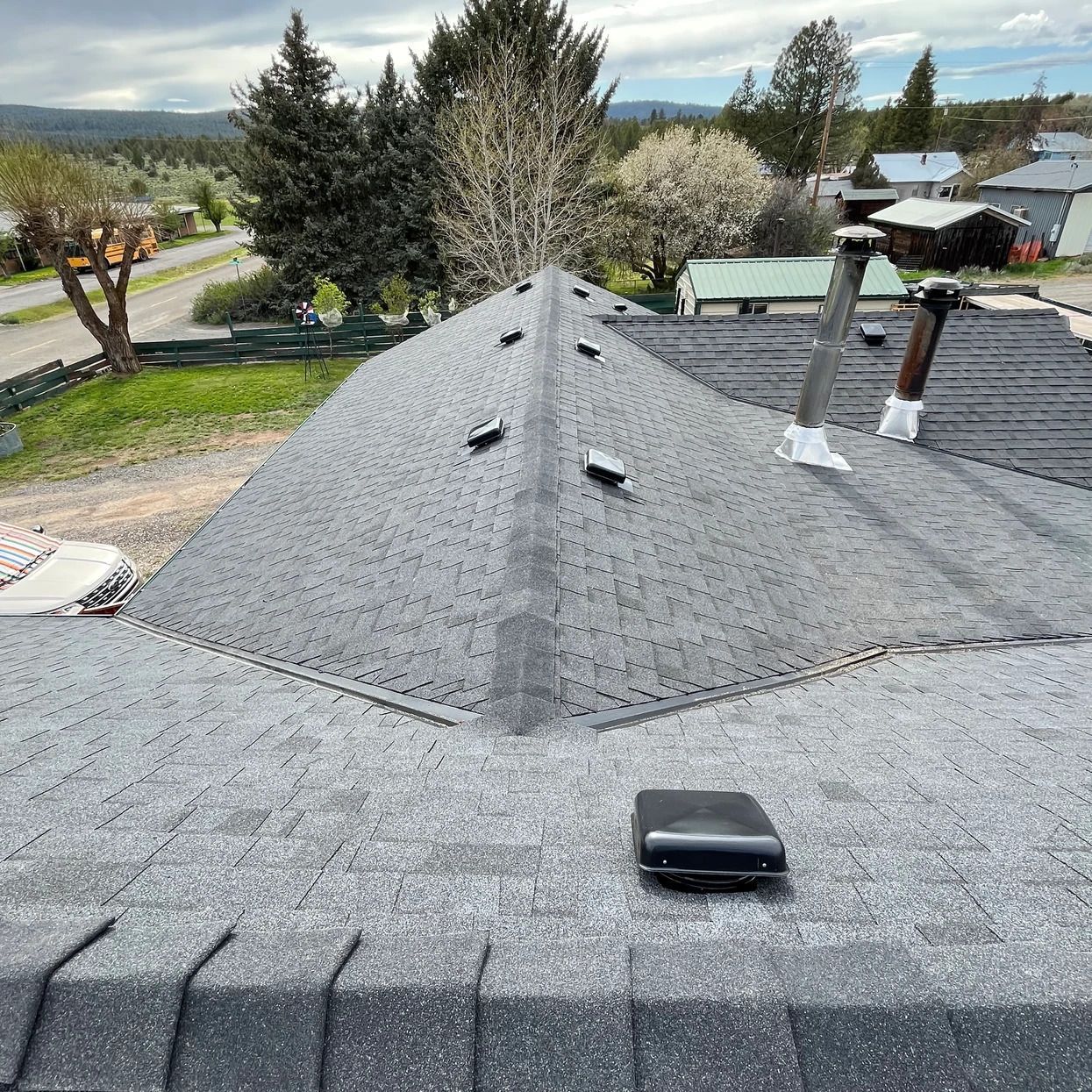
Rogue Valley Roofing Contractor - One Licensed Oregon Company, Every Jackson County Community, the Same Written Proposal Standard on Every Project
The Rogue Valley covers an elevation range from roughly 1,300 feet at the valley floor near Medford and Central Point to 1,800 feet at Ashland's southern end near Siskiyou Pass, with the surrounding terrain rising significantly into the Cascades to the east, the Siskiyous to the south, and the Applegate Range to the west. That geographic spread means a single valley contains multiple distinct roofing environments.
Our team, veteran-owned and operating under Oregon CCB license #236299, bring three generations of Southern Oregon roofing experience to every community across the Rogue Valley. From the Bear Creek drainage communities of Talent, Phoenix, and Medford to the rural Jackson County corridors east toward Eagle Point and Table Rock, to the historic neighborhoods of Jacksonville and the hillside properties of Ashland, the written proposal, the permit process, and the installation standard are identical on every project. Outlaw holds certifications with GAF, IKO, CertainTeed, WeatherBond, and PolyGlass.
Roofing Problems That Rogue Valley, OR Homeowners Face Across Jackson County's Communities


Elevation Gradient Creating Different Roofing Demands From Medford to Ashland
A homeowner in Central Point at 1,300 feet and a homeowner in Ashland at 1,800 feet are both in the Rogue Valley, but their roofing systems are working in meaningfully different conditions. The Central Point home deals primarily with UV loading from open suburban sun exposure and wind during valley storm events.
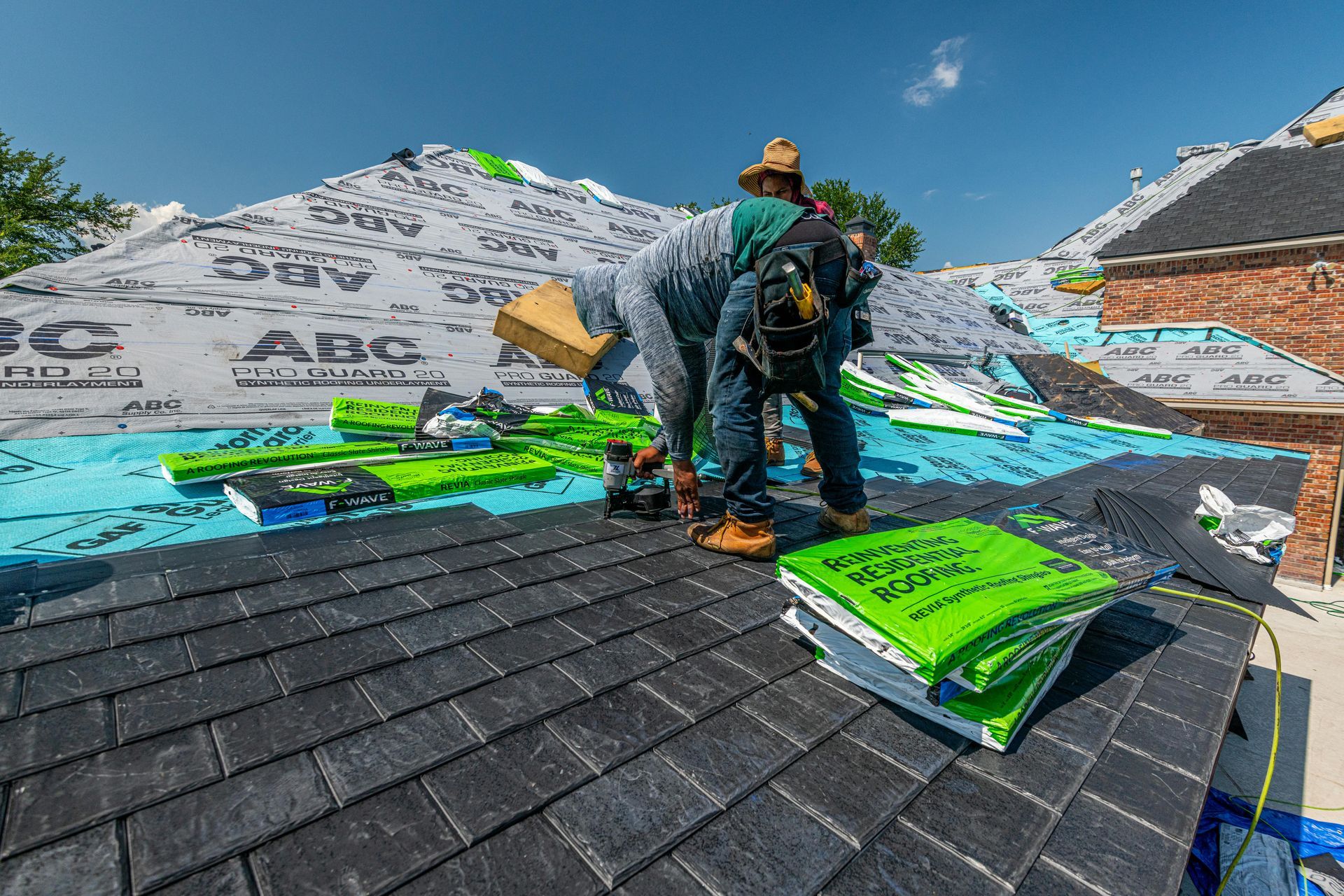
Post-Almeda Fire Ember Risk Across All Jackson County Communities
The 2020 Almeda Fire burned through Talent and Phoenix, but its effects on how Rogue Valley homeowners think about roofing reached every community in the valley. Properties in Medford, Jacksonville, Central Point, Eagle Point, and Ashland all carry wildfire exposure from the timber that surrounds the valley on three sides: the Siskiyous to the south, the Cascades to the east, and the Applegate drainage to the west.

Warning Signs Rogue Valley, OR Homeowners Across Jackson County Should Not Ignore
What Valley-Floor and Hillside Properties Show Differently From the Ground
On valley-floor properties in Medford, Central Point, and Talent, the warning signs that read clearly from ground level are granule loss patterns on south and southwest-facing slopes, gutter accumulation after rain events, and any visible separation at flashing locations along chimney stacks and wall transitions. On hillside properties in Ashland, Jacksonville, and the elevated neighborhoods above Eagle Point's main corridors, the same indicators apply, but the additional factor of snow and ice cycling adds a distinct category: ice dam staining at eave-level interior surfaces, compressed insulation visible through attic access near the eave edge, and any roof section where ice appears to persist at the eave long after the upper slopes have cleared.
Interior Indicators That Differ by Valley Community and Construction Era
Interior ceiling staining on a 1978 ranch home in White City near the Table Rock Road corridor is telling a different story than interior staining on a 2022 post-fire rebuild in Talent, even though both are presenting the same symptom. The White City ranch has been managing decades of Southern Oregon weather, and the stain may reflect cumulative moisture entry across multiple seasons from a system that has been underperforming for years.
What to Look for in the Attic
Rogue Valley homes from the 1960s through the 1990s, across all communities from Medford to Ashland to Eagle Point, were commonly built with attic ventilation configurations that met the code standards of their era but fall short of the balanced intake and exhaust requirements under current Oregon code. In the valley's climate, which stresses roofing systems from both the summer heat side and the winter moisture side, that ventilation gap creates attic conditions that accelerate deck deterioration in ways that do not become visible from the exterior until the system is significantly compromised.
How Outlaw Roofing Manages Projects Across the Rogue Valley, OR
Free Inspection and Honest Assessment
An Outlaw inspection in Ashland specifically checks ice and water protection placement at eave edges and assesses attic ventilation for freeze-thaw cycling conditions. An Outlaw inspection on a Talent post-fire rebuild specifically verifies flashing completeness and ice and water protection presence for installation deficiencies. An Outlaw inspection on a ranch home along the Table Rock Road corridor east of Eagle Point specifically checks valley flashing for debris accumulation and deck condition for deferred maintenance indicators.
Written Proposal With Every Line Itemized
The written proposal our team delivers for every Rogue Valley project, from Ashland to Gold Hill to Talent, identifies every cost element separately: materials, labor, tear-off, deck repair allowance based on what the inspection found, the permit fee for the specific authority covering that property's address, and disposal. The price on the proposal is the price on the final invoice.
Permit Filing
Outlaw identifies the correct permit authority for every Rogue Valley property before filing: City of Medford Building Division, City of Ashland Building Division, City of Central Point Building Department, City of Eagle Point Building Department, City of Talent Building Division, Jackson County Building Codes Division for unincorporated properties along Table Rock Road, the Rogue River corridor, the Applegate Valley, and other areas outside incorporated city limits. Filing with the wrong authority creates compliance gaps.
Installation to Oregon Code Across All Rogue Valley Communities
Ice and water protection at all eave edges and valleys, synthetic underlayment across the complete deck surface, and full flashing replacement at every penetration and wall transition are the baseline scope on every Outlaw replacement in every Rogue Valley community. For Ashland properties, that baseline includes the eave-edge ice protection that Ashland's elevation demands.
Cleanup, Permit Closeout, and Documentation for Every Rogue Valley Property
Debris removal, magnetic nail sweep, final walkthrough, permit closeout documentation, and manufacturer warranty documentation are delivered at project completion on every Rogue Valley job. Every Outlaw project closes with a complete paper record regardless of whether the property is in a city with its own building department or in unincorporated Jackson County.
Roofing Materials Outlaw Installs Across Rogue Valley, OR Communities
Architectural Asphalt Shingles for Rogue Valley's Range of Conditions
GAF Timberline HDZ, IKO Cambridge, and CertainTeed Landmark are the primary asphalt specifications Outlaw installs across Rogue Valley communities. Product selection is calibrated to the specific community: UV-grade and algae-resistant specifications for valley floor properties in Medford and Central Point where sun exposure is the primary wear driver; Class A fire-rated variants for Talent and Bear Creek corridor properties where ember risk is the primary concern; algae-resistant products with stronger low-temperature flexibility for Ashland and the hillside communities where freeze-thaw cycling is the primary stress.
Standing Seam Metal Across the Rogue Valley's Fire and Snow Interface
Metal roofing is the strongest material choice for Rogue Valley properties facing both the valley's wildfire exposure and, at elevation, snow and ice cycling. Class A fire rating eliminates the combustible surface that embers land on during fire events along the Bear Creek and Applegate drainages. The smooth metal surface sheds snow cleanly from the steeper pitches common on Ashland and Jacksonville hillside properties, eliminating the ice dam cycle that eave-edge asphalt protection addresses but does not eliminate.
Class 4 Impact-Resistant Options Across Jackson County
Rogue Valley communities receive periodic hail from convective storm systems that develop over the surrounding terrain during spring and summer. Class 4 impact-resistant shingles pass two-inch steel ball impact testing and offer both improved hail performance and potential insurance premium reductions.
Repair or Replacement for Rogue Valley, OR Homeowners Across Jackson County
When Targeted Repair Is the Appropriate Response Across Rogue Valley Properties
A single pipe boot failure on an 8-year-old Central Point production home is a repair. An isolated valley flashing separation on a 10-year-old Jacksonville historic home with otherwise sound condition is a repair.
When System Condition Across Any Rogue Valley Community Points Toward Replacement
A 22-year-old Medford ranch with distributed granule loss across the south slope, two prior pipe boot patches, and attic staining from multiple moisture seasons is a replacement. A Talent post-fire rebuild where inspection identifies missing eave-edge ice protection, incomplete flashing at two penetrations, and inadequate ventilation is a replacement-scope correction project rather than a repair.
How the Rogue Valley's Climate Shapes Roofing Decisions Across Jackson County Communities
The Elevation Gradient From Valley Floor to Ashland and Beyond
Within a 15-mile north-south span, the Rogue Valley rises from 1,300 feet at Medford's valley floor to 1,800 feet at Ashland's upper neighborhoods near Siskiyou Pass. That 500-foot elevation gain changes winter precipitation from rain to snow, extends the freeze-thaw cycling season by weeks compared to the valley floor, and creates ice dam conditions at Ashland's eave edges that are largely absent in Central Point or Talent at lower elevation.
Bear Creek Drainage and Fire Season Across the Central Rogue Valley
The Bear Creek drainage runs from the Siskiyou foothills north through Ashland, Talent, Phoenix, and Medford before reaching the Rogue River near Central Point. The 2020 Almeda Fire followed this drainage corridor, demonstrating both the speed at which fire moves through the valley under wind-driven conditions and the ember cast radius that affects properties well outside the direct burn zone.
Valley Storm Events and the Rogue River Corridor's Weather Exposure
Storm systems that enter the Rogue Valley through the Siskiyou Pass corridor from the south and those that track east from the coast through the Applegate drainage create wind and rain events that reach every community in the valley, but concentrate their impact differently depending on terrain position. The Rogue River corridor communities of Gold Hill, Rogue River, and White City experience weather from multiple approach directions given their position at the broader valley intersection.
The Rogue Valley, OR Housing Landscape Across Jackson County's Diverse Communities
The Rogue Valley contains more housing diversity within a 25-mile radius than most Oregon regions present. Ashland's National Register properties and craftsman bungalows from the early 1900s represent one end of the spectrum, with steep pitches, complex rooflines, and attic configurations that predate current Oregon code standards. Medford's mid-century West Medford inventory from the 1950s and 1960s represents the valley's most substantial aging cohort, where original or second-generation roofing systems are most commonly found.
Talent and Phoenix carry the most distinctive recent housing addition in the valley: the post-fire rebuild inventory created after the 2020 Almeda Fire replaced the working-class bungalows and ranch homes that defined those communities' residential character for decades. Jacksonville's National Historic Landmark District represents the valley's densest concentration of nineteenth-century architecture, with Victorian and Craftsman-era homes whose roofline complexity and masonry chimney conditions require inspection protocols specific to that era of construction.
A Recent Rogue Valley, OR Roofing Project in Gold Hill
Last spring Outlaw inspected a 1969 single-story ranch on a residential lot east of Highway 234 in Gold Hill, a small community in the Rogue River valley northwest of Central Point. The property was in unincorporated Jackson County, and the homeowner had recently purchased it without a roofing inspection during the transaction.
The inspection found a system of uncertain age, with granule loss severe enough on the south slope to suggest installation older than 10 years, two pipe boots that had been patched with roofing cement rather than replaced, and valley flashing in the northeast valley that had separated from the step flashing at the lower terminus. In the shallow attic, staining on the deck boards below the northeast valley confirmed active moisture entry across at least two wet seasons. Full replacement with GAF Timberline HDZ, complete new valley and pipe boot flashing throughout, deck board replacement at the stained section, Jackson County permit filed and inspected. Total project: $13,400.
Why Rogue Valley, OR Homeowners Across Jackson County Work With Outlaw Roofing
- Veteran and Family-Owned
Riley built Outlaw on the accountability that military service demands. The written proposal standard applies identically in Ashland, Talent, Eagle Point, Gold Hill, and every other Rogue Valley community.
- Licensed and Verified
Oregon CCB license CCB#236299 is searchable at oregon.gov/ccb. Any contractor performing roofing work in any Rogue Valley community without a current verifiable CCB registration is creating legal and insurance exposure for the homeowner.
- Manufacturer Certified
GAF, IKO, CertainTeed, WeatherBond, and PolyGlass certifications mean that Outlaw's installations qualify for the extended warranty tiers each manufacturer offers to certified contractors. That coverage level is available on every Rogue Valley project regardless of community, and it is materially different from what a non-certified installer of the same product can offer.
- NRCA Member
National Roofing Contractors Association membership keeps Outlaw current on Oregon building code requirements, which matter specifically for the Rogue Valley because multiple permit jurisdictions apply different review processes to the same type of project. Outlaw applies current code on every Rogue Valley project, not the code from the decade when each property was built.
- Free Inspection
Every inspection is free regardless of which Rogue Valley community the property is in. The written assessment documents the current system's actual condition before any recommendation is made.
What Roof Replacement Costs Across Rogue Valley, OR Communities
Replacement costs across the Rogue Valley vary by community, housing type, and the specific conditions each property presents.
Valley Floor Communities - Medford, Central Point, Phoenix, White City: $10,500 to $17,500
Standard residential replacements on ranch and production homes in the valley floor communities typically run $10,500 to $17,500 for architectural asphalt. The range reflects variation in roof area, the number of penetrations and valley intersections, and the deck repair scope found during tear-off.
Higher Elevation Communities - Ashland, Jacksonville: $12,000 to $20,000
Replacement costs in Ashland and Jacksonville run $12,000 to $20,000 for standard architectural asphalt, reflecting the additional scope required by these communities' specific conditions. Ice and water protection at all eave edges and valleys is required in Ashland's climate zone and included in Outlaw's base specification. Steeper pitches on hillside and historic district properties add labor and safety equipment requirements.
Rural Jackson County Corridors - Eagle Point, Gold Hill, Table Rock Area: $11,000 to $21,000
Properties in rural Jackson County along Table Rock Road, the Rogue River corridor near Gold Hill, and the Applegate Valley run $11,000 to $21,000 depending on the property's specific configuration. The wider range reflects the variability in roofline complexity and the frequency with which deferred maintenance on rural large-lot properties creates deck repair and flashing scope beyond what a standard estimate accounts for. Jackson County permit fees are included in every Outlaw written proposal.
Permit Fees
Permits are required for roof replacements in Rogue Valley. Cost varies by jurisdiction — typically $150 to $400. We include this in the written proposal.
What Roofing Contractors Need to Know to Work Correctly Across the Rogue Valley, OR
Permit Authority by Jackson County Address
Incorporated Rogue Valley cities issue permits through their own building departments. City of Medford Building Division handles Medford city limits. City of Ashland Building Division handles Ashland. City of Central Point Building Department handles Central Point. City of Eagle Point Building Department handles Eagle Point. City of Talent Building Division handles Talent.
Elevation-Specific Installation Requirements Across the Valley
Oregon building code requirements for ice and water protection are elevation-dependent, and Ashland's climate zone triggers requirements that do not apply at valley floor elevations. A contractor who installs to valley floor specification on an Ashland property is under-specifying for the conditions that property faces.
Flashing Condition
Every penetration — pipe boots, chimney flashing, wall transitions, valleys — is a potential water entry point. On older Rogue Valley homes, original galvanized flashing has often corroded or separated. Previous patch work with roofing cement is a red flag — cement is a temporary fix, not a repair. We replace all flashing on every full replacement project and document what we find on repair calls.
How Long a New Roof Lasts on a Rogue Valley, OR Home
Asphalt Shingles
Quality architectural asphalt shingles deliver 22 to 27 years at valley floor elevations in Medford, Central Point, Talent, and the Bear Creek corridor communities, with proper ventilation and ice and water protection at eave edges and valleys. At Ashland's elevation, the extended freeze-thaw cycling season and snow exposure place greater stress on adhesives and sealants, and the realistic service life is 20 to 25 years with all installation elements correctly specified.
Metal Roofing
Standing seam metal delivers 40 to 50-plus years across all Rogue Valley communities regardless of elevation. The material advantages of metal become more pronounced at higher elevations where freeze-thaw cycling and snow loading stress asphalt systems most aggressively, but the Class A fire rating and 40-year service life are equally relevant at valley floor elevations where fire exposure and long-term replacement economics are the primary considerations.
Maintenance That Extends Roof Life
Valley floor communities: clear gutters and valleys after storm events and after fire season debris accumulation. Bear Creek corridor properties: inspect eave edges and valleys after every significant Southern Oregon wind event given the valley channeling effect on storm intensity.
Quick Answers — Rogue Valley, OR Roofing
Does Outlaw Roofing serve all Rogue Valley communities or just Medford?
Outlaw Roofing serves every community in the Rogue Valley including Medford, Ashland, Jacksonville, Central Point, Eagle Point, Talent, Phoenix, Gold Hill, White City, Rogue River, and the rural Jackson County corridors along Table Rock Road and the Applegate Valley. No travel premium is added for any Rogue Valley community.
Why does my Rogue Valley community need a different roofing specification than the valley floor?
Elevation within the Rogue Valley changes the winter weather conditions a roofing system faces. Ashland at 1,800 feet receives snow events that Medford at 1,300 feet skips, and the extended freeze-thaw cycling at elevation stresses flashings and sealants more aggressively.
How do I know which permit authority covers my Rogue Valley address?
Properties within incorporated city limits use that city's building department. Properties in unincorporated Jackson County file with Jackson County Building Codes Division.
Is the Almeda Fire's wildfire risk relevant to Rogue Valley properties outside Talent?
Yes. The fire demonstrated how quickly ember-driven fire moves through the Bear Creek drainage corridor under wind conditions.
Does Outlaw Roofing handle the full permit process for rural Jackson County properties?
Yes. For properties in unincorporated Jackson County along the Table Rock Road corridor, the Rogue River drainage, the Applegate Valley, and other rural areas, Outlaw files with Jackson County Building Codes Division, coordinates all required county inspections, and delivers the permit closeout documentation to the homeowner at project completion.
Residential Roofing Services We Provide Across the Rogue Valley, OR
Residential Roof Replacement
Complete roofing system replacements for Rogue Valley homes with elevation-appropriate specification, correct permit authority filing for each Jackson County address, and GAF, IKO, and CertainTeed materials calibrated to each
Residential Roof Repair
Targeted repair across all Rogue Valley communities. Written scope and fixed price before any work begins.
Metal Roofing
Standing seam metal installation across the full Rogue Valley. Class A fire rating for Bear Creek corridor fire exposure. Snow-shedding performance for Ashland and Jacksonville elevation properties. 40-plus year service life.
Schedule Your Free Roof Inspection Anywhere in the Rogue Valley
From the craftsman homes in Ashland's historic neighborhoods to the post-fire rebuilds along Talent's Bear Creek corridor, from the production homes in Central Point's 1990s subdivisions to the ranch properties on large rural lots near Gold Hill, Outlaw Roofing serves the full range of what the Rogue Valley contains. Riley brings three generations of Southern Oregon roofing experience to every inspection, apply the written proposal standard consistently across all communities, and file with the correct permit authority for every Jackson County address.
Call (541) 275-6189 or visit outlawroofing.net to schedule your free Rogue Valley inspection. Veteran-owned, CCB#236299.
Frequently Asked Questions - Rogue Valley Roofing Contractor in Southern Oregon
How does Outlaw Roofing serve communities from Ashland to Gold Hill from a Klamath Falls base?
Klamath Falls is 65 miles from Medford, and the Rogue Valley is a regular service area rather than an occasional market for Outlaw Roofing. Our team has been working in Rogue Valley communities for years.
What is the difference between a Jackson County permit and a city permit in the Rogue Valley?
Incorporated cities in the Rogue Valley issue their own building permits through their city building departments. Unincorporated Jackson County addresses file with Jackson County Building Codes Division.
My Rogue Valley home was built in the 1970s and has never had a professional roofing inspection. Where do I start?
Start with Outlaw's free inspection. A 1970s Rogue Valley home that has never been professionally assessed is carrying a roofing system with unknown history.
Does Outlaw Roofing work on the rural large-lot properties east of Eagle Point along Table Rock Road?
Yes. The rural Jackson County properties along Table Rock Road, Dutton Road, and the corridors east toward the Table Rock formation are part of Outlaw's Rogue Valley service area.
Can Outlaw Roofing handle a Rogue Valley property where I am not sure whether the prior work was permitted?
Yes, and this situation is common throughout the valley. Outlaw's inspection documents the current system's actual composition regardless of what prior permit records show.
Are roofing material costs different across Rogue Valley communities?
Material costs are consistent across the Rogue Valley since they are driven by regional Jackson County supply chain pricing rather than individual community factors. Labor costs vary modestly by community based on access conditions, pitch complexity, and the housing type involved.
Does Outlaw Roofing offer the same GreenSky financing across all Rogue Valley communities?
Yes. GreenSky financing up to 100 percent for qualified homeowners is available on every Rogue Valley project regardless of community.
How does Outlaw handle the wildfire documentation and material specification conversation for Rogue Valley homeowners?
For every Rogue Valley property, Outlaw assesses the specific wildfire exposure based on the property's location relative to the valley's timber interface areas. Properties near the Siskiyou timber to the south, the Cascade interface to the east, or the Applegate drainage to the west receive specific discussion of Class A fire-rated material options and the fire risk reduction they provide.