Residential Roofing Contractor in Coos Bay, OR
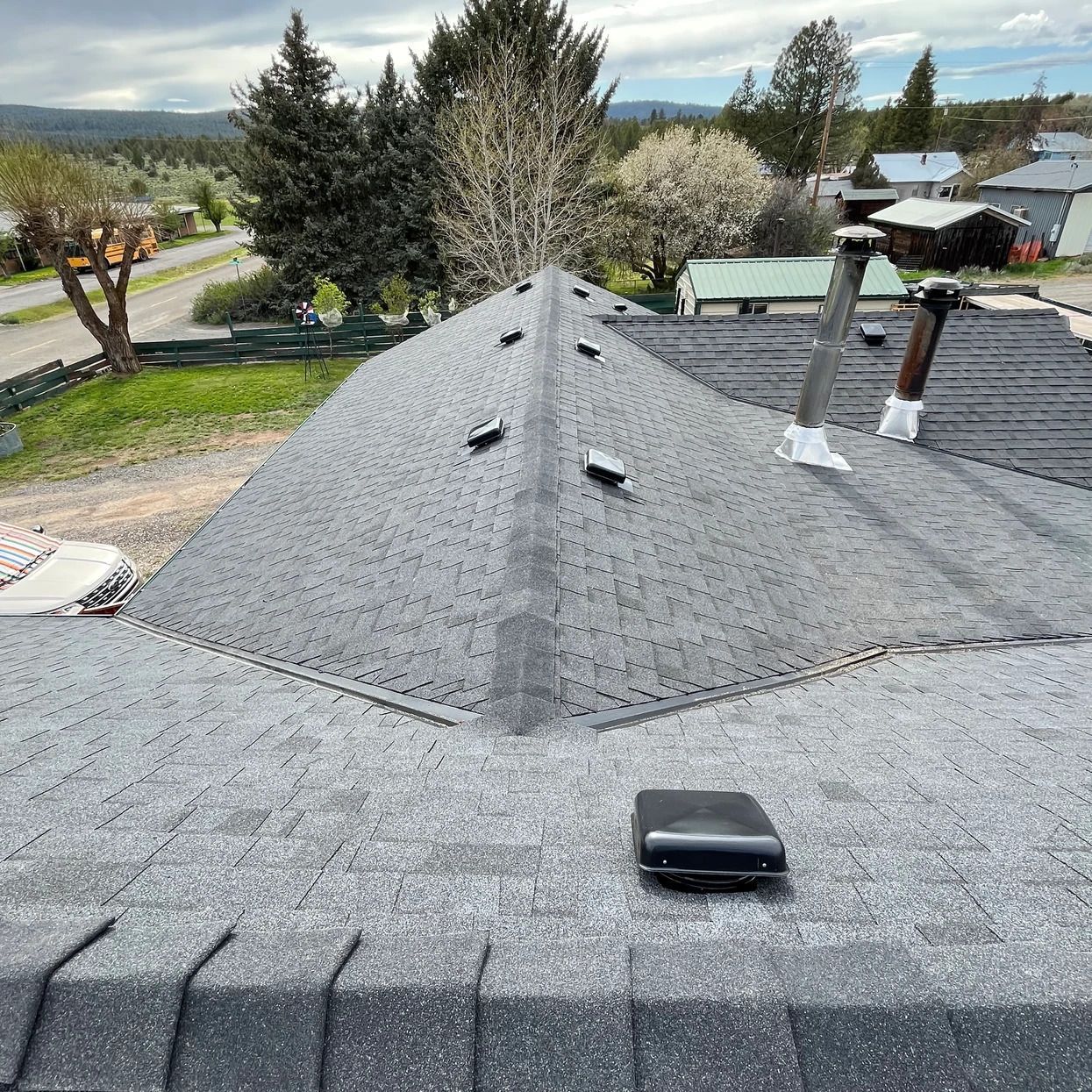
Practical Roofing for Heavy Rain, Tree Cover, and the Varied Exposure Around Coos Bay
Coos Bay's marine climate puts water management at the center of residential roofing. The city reports roughly 64 inches of annual rainfall, with much of it arriving from November through January. A home in Empire may have different wind and tree exposure from a house in Eastside or on higher ground, but every roof needs dependable drainage, intact flashing, and a way for the attic to release moisture during the wettest part of the year.
Outlaw Roofing helps homeowners determine whether a roof needs a targeted repair, a corrected drainage detail, or a complete replacement. We are a veteran-owned Oregon contractor operating under CCB license #236299. Our inspections look at the roof covering and the parts that make it perform: sheathing, underlayment, valleys, wall flashing, penetrations, gutters, ventilation, and the connection between older and newer sections of the house.
Many Coos Bay homes have evolved over time. A main gable may connect to a lower kitchen addition, enclosed porch, attached garage, or carport, creating valleys and slope changes where water slows down. Mature trees around neighborhoods near Mingus Park and Empire Lakes can add shade and debris. Those conditions do not automatically require a new roof, but they do call for a contractor who can separate routine maintenance from a detail that is actively leaking.
We provide free roof inspections, photos of relevant findings, and a written proposal that identifies the recommended scope. Homeowners can ask about GreenSky financing for qualified projects and available military discounts. For a straightforward assessment of your Coos Bay roof, call Outlaw Roofing at (541) 275-6189.
Residential Roofing Issues That Show Up Around Coos Bay


Water Backing Up in Valleys and Behind Debris
Needles, leaves, and moss fragments collect where roof planes meet. During a long rain, that material can slow drainage and hold water against shingles or flashing. A valley may overflow sideways even though the field shingles still look usable. We clear the area for inspection, check the metal or membrane beneath it, and look for deck softness before deciding whether cleaning, resealing, flashing work, or a larger repair is needed.
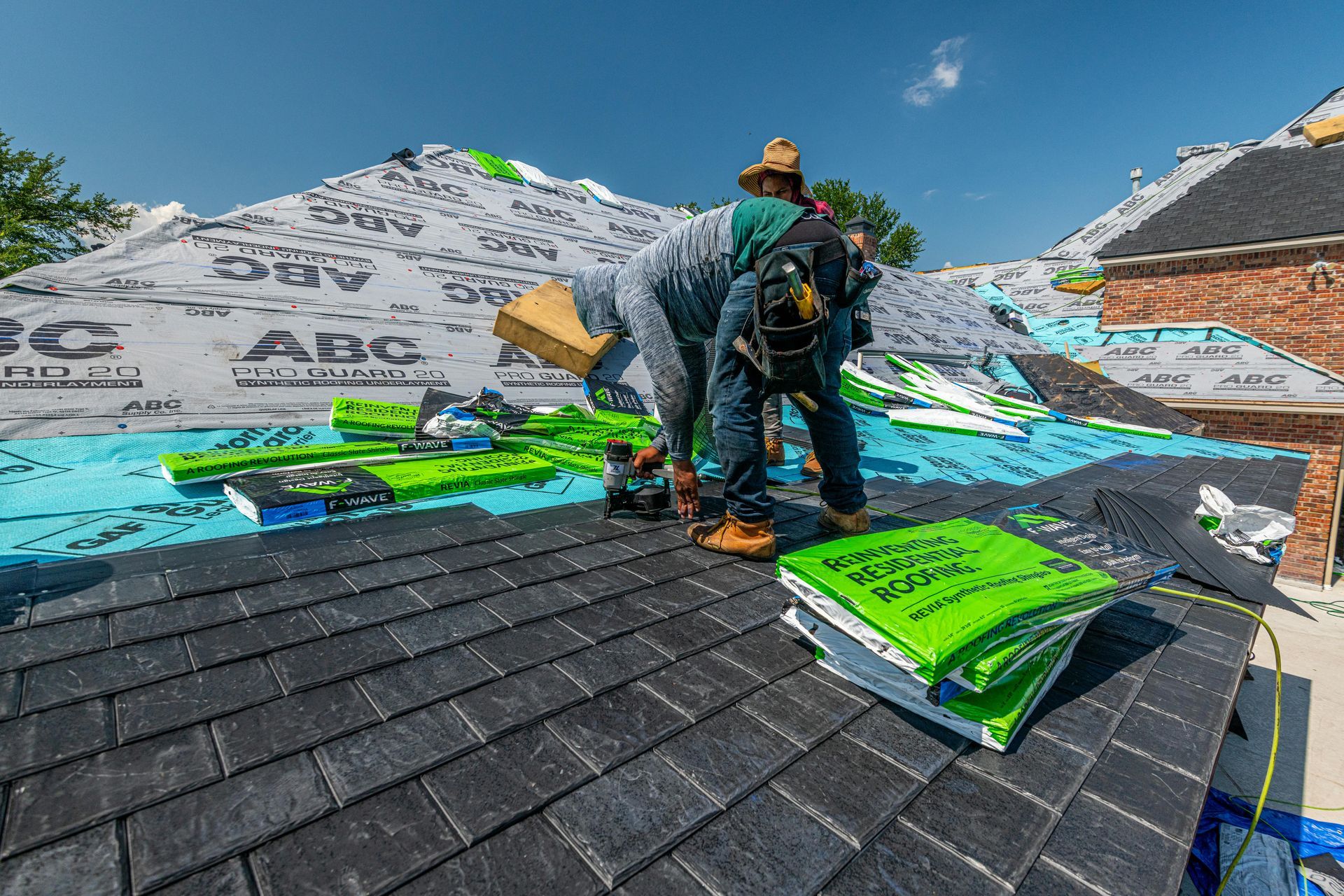
Leaks at Low-Slope Porches and Additions
Older additions are a frequent weak point because they may have been covered with shingles even when the pitch calls for a membrane, or joined to the main house with a short piece of surface-applied flashing. Water can sit at the transition and enter behind siding or beneath the lower course of roofing. The repair has to correct the slope-specific assembly and the connection, not just add another bead of sealant.

When a Coos Bay Roof Is Telling You Something Is Wrong
Changes on the Roof Surface
Look from the ground for shingles that appear shiny, bare, curled, cracked, or out of line. Watch for moss building along butt edges, debris packed into valleys, rust around vents, and dark areas that remain wet after the rest of the roof dries. A sag between rafters or a wavy deck line is more serious than simple discoloration and should be examined promptly.
Symptoms Around Ceilings, Walls, and Windows
A roof leak can show up as a ceiling ring, bubbling paint, swollen trim, or dampness around the top of a window. Because Coos Bay rain can continue for days, water may travel along a rafter or wall cavity before becoming visible. Mark the edge of the stain and note whether it grows during calm rain or only during wind. That pattern can distinguish a roof-surface problem from siding, window, or condensation issues.
Moisture Signals Above the Insulation
In the attic, check safely for dark deck patches, damp insulation, mildew odor, rusty nail tips, and staining near valleys or roof-to-wall connections. Widespread moisture on many nails often suggests condensation rather than one penetration leak. Exhaust fans that discharge into the attic, blocked intake vents, or uneven insulation can keep the roof deck wet from below even when the exterior material is intact.
Outlaw Roofing's Coos Bay Residential Roofing Process
Roof, Drainage, and Interior Diagnosis
We begin with the history of the symptom, then inspect accessible roof planes, valleys, penetrations, flashing, gutter discharge, attic conditions, and visible sheathing. We pay close attention to additions and areas beneath heavy tree cover. The findings are photographed so the homeowner can see the difference between cosmetic wear, a repairable defect, and system-wide deterioration.
A Photo-Backed Scope With Clear Alternatives
The written proposal identifies labor, materials, removal, disposal, flashing, ventilation, and anticipated deck work. When more than one reasonable route exists, we explain the tradeoffs between repair, partial correction, and replacement. We do not hide a lower-quality option behind vague language or assume the highest-priced solution is automatically the right one.
Local Requirement Review and Production Scheduling
Coos Bay's Building Codes Division handles residential building permits within city limits and distinguishes simple reroofing from work that involves more significant sheathing or structural changes. We confirm current requirements for the actual scope, coordinate needed paperwork, order materials, and schedule around the weather instead of relying on a generic permit assumption.
Organized Removal and System Installation
The crew protects landscaping, siding, windows, and walkways before tear-off. Roofing is removed in manageable sections, the exposed deck is checked, and authorized repairs are completed before underlayment goes down. Each transition is rebuilt in sequence so water flows over the layers rather than toward an exposed seam. The home is secured at the end of each workday.
Water-Shedding Review and Site Handoff
After installation, we inspect ridge, valley, flashing, ventilation, edge, and drainage details. Nails and metal scraps are collected with repeated magnetic sweeps, gutters are cleared of job debris, and the work area is checked from the roofline to the driveway. The homeowner receives a walkthrough of completed work and the maintenance points that matter for a wet, tree-influenced environment.
Roofing Systems We Recommend for Coos Bay Residences
Laminated Asphalt Shingles With Algae-Resistant Options
Quality architectural shingles from manufacturers such as GAF, IKO, and CertainTeed can serve Coos Bay homes well when installed over a sound deck with the matching starter, ridge, underlayment, and ventilation components. Algae-resistant product options may help with appearance in damp settings, but they do not replace proper drainage or maintenance. Fastening and flashing are adjusted to the roof's pitch and exposure.
Metal Roofing for Fast Runoff and Long Roof Planes
Standing-seam metal can move heavy rainfall off long slopes quickly and keeps primary fasteners concealed beneath the seams. It works best when panel lengths, expansion details, valleys, snow or debris paths, and wall transitions are planned before fabrication. We examine the roof geometry and underlayment needs rather than presenting metal as a one-size-fits-all upgrade.
Membrane Roofing for Porches, Carports, and Shallow Slopes
Low-slope areas need materials designed for water that drains more slowly. WeatherBond and PolyGlass systems can be considered for applicable porches, enclosed additions, and other shallow sections. Seams, drains, scuppers, edges, and the tie-in beneath the steeper roof receive careful detailing. Putting new shingles back on an unsuitable pitch only repeats the original problem.
Roof Repair or Roof Replacement: Making the Right Coos Bay Decision
Repair Works When the Defect Has a Clear Boundary
A repair is sensible when the leak can be traced to one flashing, vent, small damaged area, or isolated transition and the surrounding roof remains flexible, sealed, and securely fastened. The deck must also be stable enough to hold the correction. We explain any limitation, including color mismatch or the possibility that nearby aged material could need attention later.
Replacement Is Better When the Roof Has Reached System Failure
Replacement becomes the stronger value when wear appears across several slopes, repairs have accumulated, granule loss is advanced, multiple transitions leak, or decking and ventilation need broad correction. Replacing the whole assembly allows the roof to be rebuilt with consistent layers and drainage details. It also avoids spending repeatedly on isolated patches that cannot restore an aging field.
How Coos Bay Weather and Site Conditions Affect Roofing
Long Winter Rain Cycles
A brief shower tests the roof differently from several days of steady rain. Saturated debris, slow gutters, and minor flashing gaps have more time to move water beneath the surface. The roof needs a continuous drainage path from ridge to gutter, plus underlayment and transitions that provide backup when the outer material is challenged. Persistent rain also makes timing and daily dry-in essential during replacement.
Shade, Evergreen Debris, and Slow Drying
Tree-lined lots can stay cool and damp, especially on north-facing slopes. Branches drop needles into valleys and gutters, while shade helps moss and algae persist. Trimming unsafe overhangs, maintaining drainage, and using material-appropriate cleaning methods can extend service life. A roof that never dries may also point to poor attic airflow, so the exterior and interior conditions should be compared.
Different Wind Exposure From Bayfront to Hillside
A home near open water or on a higher ridge can experience stronger uplift and wind-driven rain than a protected property in a lower neighborhood. Buildings and terrain can also funnel gusts at corners. We evaluate the individual lot, not just the city name, and focus on starter, perimeter fastening, ridge caps, wall flashing, and loose metal where wind pressure is concentrated.
Roof Types Common on Coos Bay Homes
Coos Bay housing includes older bungalows, mid-century ranch homes, split-levels, manufactured homes, and properties expanded with garages or enclosed porches. Asphalt shingles cover many main roof areas. Metal appears on simple gables and long slopes, while membranes are often the correct answer for low-pitch additions. Mixed construction can produce multiple deck types and ventilation patterns, so the replacement scope should be based on what is actually connected beneath the surface.
Typical Coos Bay Roofing Scenario — Repeated Leak at a Valley and Porch Tie-In
A homeowner may report a recurring stain that has been sealed several times without lasting improvement. The roof often reveals a valley delivering runoff directly toward a low porch transition, with needles restricting the path and surface caulk covering the original flashing. A durable correction would open the intersection, inspect the deck, rebuild the valley and low-slope membrane, extend flashing behind the wall finish where required, and redirect water so the two roof areas work together instead of draining into one weak joint.
What Coos Bay Homeowners Can Expect From Outlaw Roofing
- Diagnosis Before a Sales Recommendation
We do not assume every stain means full replacement. The roof, attic, drainage, and transitions are reviewed together so the recommendation is tied to a cause. That can uncover a repairable vent detail, an undersized low-slope system, or widespread aging that truly requires replacement. The homeowner sees the evidence before making a decision.
- Written Choices With Defined Limits
A proposal should make it possible to compare contractors. We describe the product type, removal, disposal, deck policy, underlayment, flashings, ventilation, cleanup, and exclusions. If an optional upgrade changes performance or warranty coverage, it is identified separately. If a repair cannot guarantee the remaining aged field, that limitation is stated plainly.
- Permit Awareness for Work Inside City Limits
Outlaw Roofing checks the current Coos Bay requirements for the approved scope rather than telling every homeowner the same thing. The city's Building Codes Division reviews residential work within its jurisdiction, and projects involving significant deck or structural changes may be handled differently from straightforward reroofing. Proper coordination keeps the project record clear.
- Protection for Landscaping, Siding, and Daily Access
Residential roofing creates falling debris, vibration, and frequent movement around the property. We establish safe drop zones, protect vulnerable surfaces, keep agreed walkways usable, and clean as production moves around the house. Extra planning is used on compact lots, homes with close neighbors, and properties where vehicles or deliveries must share a narrow driveway.
- Financing and Military Discount Information Up Front
Qualified customers can ask about GreenSky financing, and Outlaw Roofing offers military discount information for eligible homeowners. These options are discussed alongside the complete written scope so the payment method does not replace careful comparison of materials, workmanship, and total project cost.
Understanding Roof Replacement Pricing in Coos Bay
The price of a Coos Bay roof is driven by the amount of work required to produce a dry, code-appropriate system, not only by the home's square footage. Roof complexity, layers, deck condition, disposal, access, material, ventilation, and low-slope sections all matter. We inspect before pricing so the proposal reflects the actual assembly and clearly states how unexpected sheathing repairs will be handled.
Roof Shape, Additions, and Flashing Count
A simple two-plane gable is faster to stage and roof than a house with dormers, intersecting additions, several valleys, skylights, and wall lines. Each interruption requires cutting, flashing, and quality-control time. Those details also create more debris and material waste, so the number of squares alone does not tell the whole pricing story.
Tear-Off Layers and Disposal Volume
Older houses may have more than one layer or a prior overlay hiding uneven decking. Removing additional material takes labor, increases disposal weight, and can expose repairs that an overlay concealed. We look for visible clues during the estimate and specify the assumed number of layers so the homeowner understands what the base price covers.
Ventilation, Gutters, and Water-Management Corrections
A replacement is the best time to correct blocked intake, inadequate exhaust, damaged gutter edges, or a poorly designed low-slope tie-in. These items may not be included in the cheapest bid, yet they can determine whether the new roof dries and drains correctly. We separate necessary corrections from optional work to keep the decision clear.
Sheathing Repair and Permit Scope
Soft or delaminated panels must be replaced so the new fasteners have a solid base. The amount of deck work can also affect permit requirements under current local guidance. We document exposed conditions, use the unit or allowance stated in the agreement, and obtain authorization before moving beyond the approved amount.
What an Experienced Roofer Checks on a Coos Bay Home
Sheathing Strength and Fastener Hold
We look for movement underfoot, visible sagging, delamination at eaves, stains around penetrations, and nail points that have lost their grip. In accessible attics, the underside of the deck often reveals older leak paths or mismatched replacement panels. Sound sheathing is necessary for the fastening pattern and wind resistance of the new material.
Transitions Between Steep and Low Slopes
The line where shingles meet a porch membrane or lower addition is one of the most important inspection points. We check pitch, material suitability, lap direction, end dams, wall flashing, and whether water is being concentrated at one corner. A clean surface appearance does not prove the transition was built correctly underneath.
Valleys, Gutters, and Downspout Discharge
Heavy rainfall needs an unobstructed route off the roof and away from the foundation. We examine valley wear, gutter attachment, edge metal, overflow marks, and downspout locations. Water spilling behind a gutter can rot fascia and the lower deck, while a valley discharging into a small gutter section can overwhelm an otherwise intact roof.
How Roofing Service Life Is Affected in Coos Bay
Shaded Slopes May Age Faster Than Sunny Slopes
The same roof can have very different conditions from one side to the other. A shaded north slope may retain moss and moisture while a more open south slope loses granules from sun exposure. Product age alone does not determine remaining life. We compare flexibility, sealing, surface wear, fastening, and the condition of details on each plane.
Low-Slope Sections Need Their Own Maintenance Plan
Membrane areas should be checked for seam movement, punctures, ponding, clogged drains, edge separation, and damage from branches or foot traffic. Because water moves more slowly, a small defect can stay wet for a long time. Keeping the surface clean and correcting drainage early helps prevent moisture from working beneath the membrane.
Routine Drainage and Ventilation Checks Add Useful Years
Clear gutters and valleys before the wettest months, keep branches from rubbing the surface, and confirm that bathroom and kitchen exhaust reaches the exterior. Watch the attic during extended rain for active tracks and during cold damp weather for widespread condensation. Small maintenance steps reduce the conditions that make roofs fail early.
Quick Answers for Coos Bay Residential Roofing
How many days should I plan for a typical Coos Bay roof replacement?
Many straightforward homes can be completed in a few working days, but roof size, pitch, deck repairs, material, access, and weather control the schedule. We give a project-specific expectation after inspection and explain how the home will be secured if rain interrupts production.
Who determines whether my Coos Bay reroof needs a permit?
The City of Coos Bay Building Codes Division handles residential building permits within city limits. The answer depends on the work, particularly the amount of sheathing or structural change involved. We confirm current requirements for the approved scope instead of asking the homeowner to interpret the rules alone.
How do I decide whether one recurring leak can still be repaired?
The key questions are whether the entry point can be isolated, whether the nearby deck is sound, and whether the surrounding roof will accept a durable tie-in. A single stain can come from a focused flashing defect, but repeated leaks at several details usually point to a broader system problem. An inspection separates those situations.
Do clogged gutters really cause roof damage in Coos Bay?
They can. When a gutter is packed or undersized, water may back against the lower shingle edge, spill behind the fascia, or saturate the deck at a valley discharge. Overflow also hides whether edge metal is working. Cleaning and correcting drainage is often a necessary part of stopping lower-roof leaks.
Which Coos Bay neighborhoods and property types do you inspect?
We evaluate residential roofs throughout the service area, including homes around Empire, Eastside, central Coos Bay, and nearby residential corridors. The inspection is based on the individual property, whether it is a compact bungalow, manufactured home, ranch, split-level, rental, or custom house.
Residential Roofing Options for Coos Bay Properties
Whole-Home Residential Roofing
Outlaw Roofing evaluates the complete water-shedding system on Coos Bay homes, from ridge and field material to valleys, low-slope additions, gutters, ventilation, and deck condition.
Leak and Storm Roof Repair
Our repair work focuses on the actual entry path, whether it involves a valley, vent, flashing joint, limited shingle area, or low-slope tie-in. Homeowners receive the scope and limitations in writing.
Standing-Seam Metal Systems
For suitable rooflines, standing-seam panels provide rapid runoff and concealed primary fastening. Panel layout, trim, underlayment, ventilation, and transitions are planned as part of the system.

Arrange a Free Roof Inspection for Your Coos Bay Home
Do not let a small stain, soft eave, or repeatedly clogged valley turn into a larger repair during the next extended rain cycle. Outlaw Roofing will inspect the roof, explain what is causing the symptom, and provide a written recommendation based on the actual condition of the home. Call (541) 275-6189 to schedule your Coos Bay residential roofing evaluation.
Frequently Asked Questions — Residential Roofer in Coos Bay, OR
Is moss only a cosmetic issue on an asphalt roof?
No. Light staining may be mostly cosmetic, but established moss retains water, lifts shingle edges, and can loosen protective granules. The roof should be checked for brittle material and deck softness before cleaning. Treatment must follow the material manufacturer's guidance; high-pressure washing can create damage that was not there before.
Why does my enclosed porch leak even though the main roof is newer?
The porch may have a lower pitch, a different deck, or a transition that was not rebuilt when the main roof was replaced. Water can enter where the two systems meet or where a membrane ends beneath siding. We inspect the porch as a separate assembly and then evaluate how it connects to the newer roof.
What does soft decking feel or look like during an inspection?
It may feel springy under careful foot pressure, show a dip between framing members, or appear swollen and layered at an exposed edge. In the attic, dark staining, flaking plywood, or fasteners moving in the panel can support the finding. Roof access should be left to trained workers because weak decking can break without warning.
Can attic condensation be mistaken for a roof leak?
Yes. Condensation often wets a broad area and rusts many nail tips, while a roof opening usually leaves a more defined track. Poor intake, insufficient exhaust, disconnected bath fans, and air leaks from the living space can all contribute. The solution may require ventilation and air-sealing work in addition to, or instead of, exterior roofing.
Will a new roof stop water coming through siding above an addition?
Only when the siding and roof-to-wall flashing are integrated correctly. Replacing the shingles below a wall without placing step or counterflashing behind the wall finish can leave the same leak path. We identify the trade interface in the proposal so the work does not end at an arbitrary line.
How are multiple old roof layers handled during replacement?
We specify the assumed layers during estimating, remove the material to expose the deck, and dispose of it properly. Tear-off allows the deck, flashing bases, and ventilation openings to be evaluated. If the actual layers differ from what could be seen, we document the condition and follow the change process stated in the contract.
Can Outlaw Roofing provide separate repair and replacement options?
When both choices are technically reasonable, yes. The repair scope will state what area is addressed and what aged material remains. The replacement scope will show the complete assembly. Comparing the expected result and limitations is more useful than comparing price alone.
What should be moved before the roofing crew arrives?
Move vehicles away from the house, remove fragile decorations from exterior walls, secure pets, and clear furniture or grills from agreed drop zones. Inside, take down delicate items that could shift from vibration. We review property-specific access, gate, power-line, and neighbor considerations before production starts.
Does Outlaw Roofing help with storm-damage insurance documentation?
We can record visible conditions with photographs and prepare a written repair or replacement estimate. We do not decide coverage or speak for the carrier. The homeowner should notify the insurer, protect the property from further loss when safe, and keep the inspection information with the claim records.
Is late fall a bad time to schedule roofing in Coos Bay?
Work can be completed outside summer when the forecast and roof scope allow safe, watertight staging. Longer wet cycles reduce workable windows, so the crew may need to adjust start dates or production sequence. We would rather delay opening the roof than force a schedule that exposes the home unnecessarily.