Residential Roofing Contractor in Bandon, OR
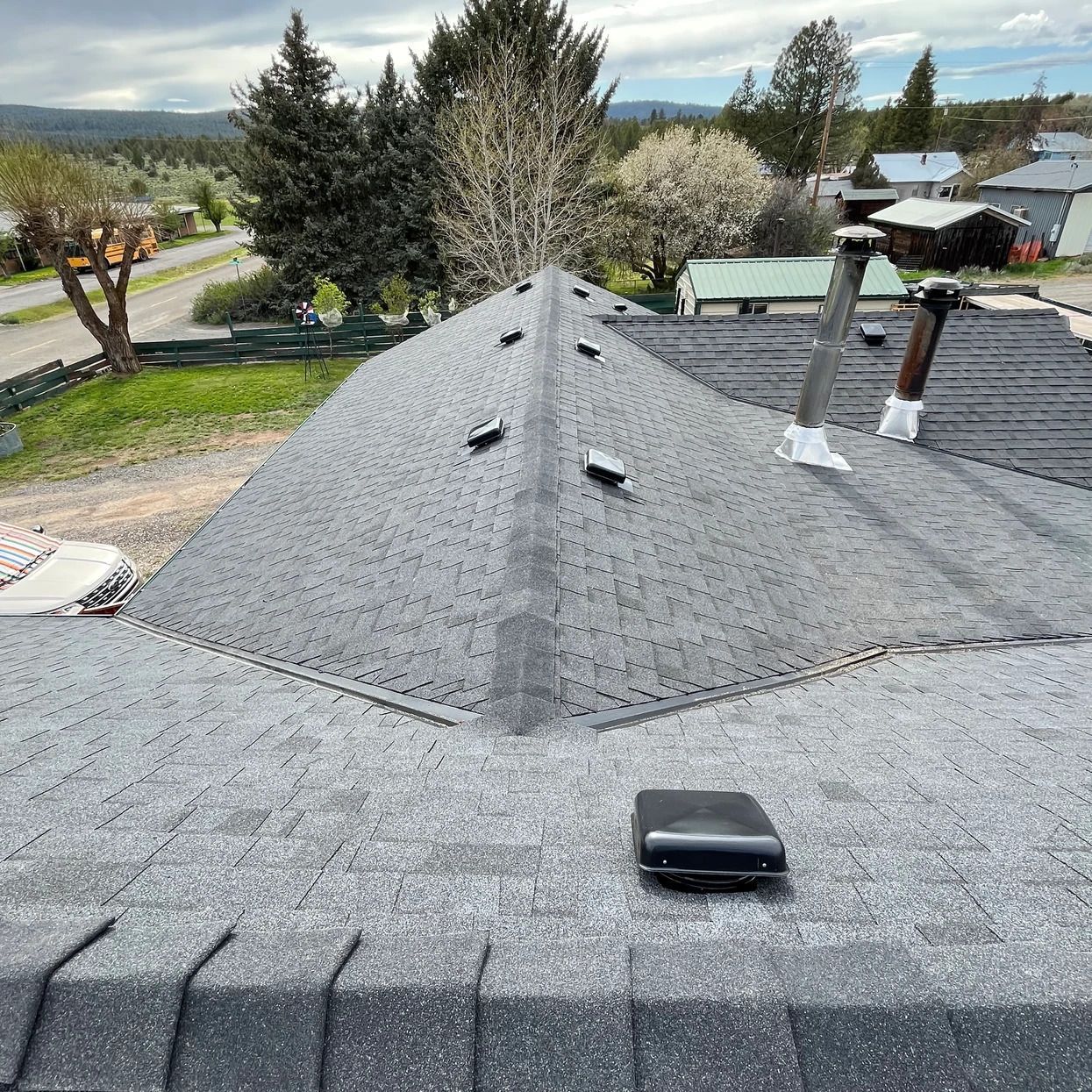
Roofing Built for Bandon's Ocean Wind, Long Wet Seasons, and Salt-Laden Air
A roof in Bandon has to manage more than ordinary rain. Homes near Beach Loop, the Coquille River mouth, and the open shoreline can see wind-driven water, airborne salt, windblown grit, and long periods of damp weather. Those conditions work at shingle edges, ridge caps, flashings, exposed fasteners, and any roof transition that was not detailed carefully. A system can look acceptable from the street while moisture is already moving beneath the surface.
Outlaw Roofing is a veteran-owned Oregon roofing contractor serving homeowners who need a practical answer, not a sales pitch. We inspect the roof as a complete weather barrier, including the surface material, underlayment, decking, ventilation, penetrations, valleys, and perimeter metal. Outlaw Roofing operates under Oregon CCB license #236299.
Bandon properties call for different decisions from one lot to the next. A cottage behind a stand of shore pines may fight moss and trapped debris, while an ocean-facing home may need stronger edge details and corrosion-resistant components. A house closer to Highway 101 can have an older roof layered over additions with several pitches. We shape the repair or replacement plan around the actual exposure, roof design, and condition of the home.
Every inspection is followed by a clear explanation of what we found and what can wait. When work is recommended, the proposal separates the roofing scope, tear-off, disposal, ventilation, flashing, and known deck repairs so the homeowner can see where the money is going. GreenSky financing options are available for qualified homeowners. Call (541) 275-6189 to schedule a free inspection.
Roof Problems We Commonly Find on Bandon Homes

Wind-Driven Leaks Around Roof Edges
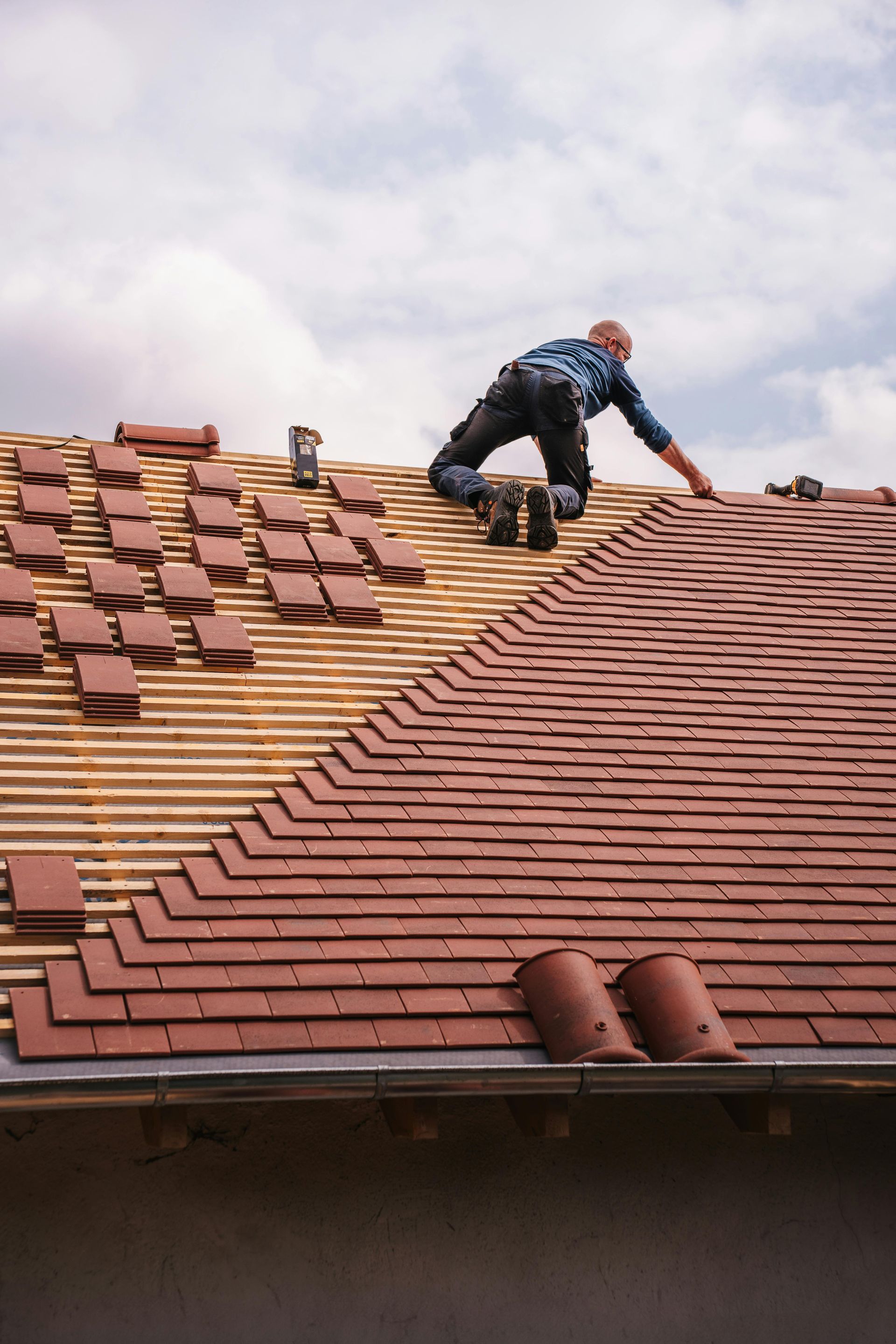
Coastal rain does not always fall straight down. Wind can push water under a loose starter course, behind aging fascia metal, or through a gap where rake trim meets the roof. The first indoor sign may be a faint stain near an exterior wall even though the entry point is several feet away. We trace the path before recommending a patch so the repair addresses the opening, not only the visible stain.
Lifted Shingles and Unsealed Tabs
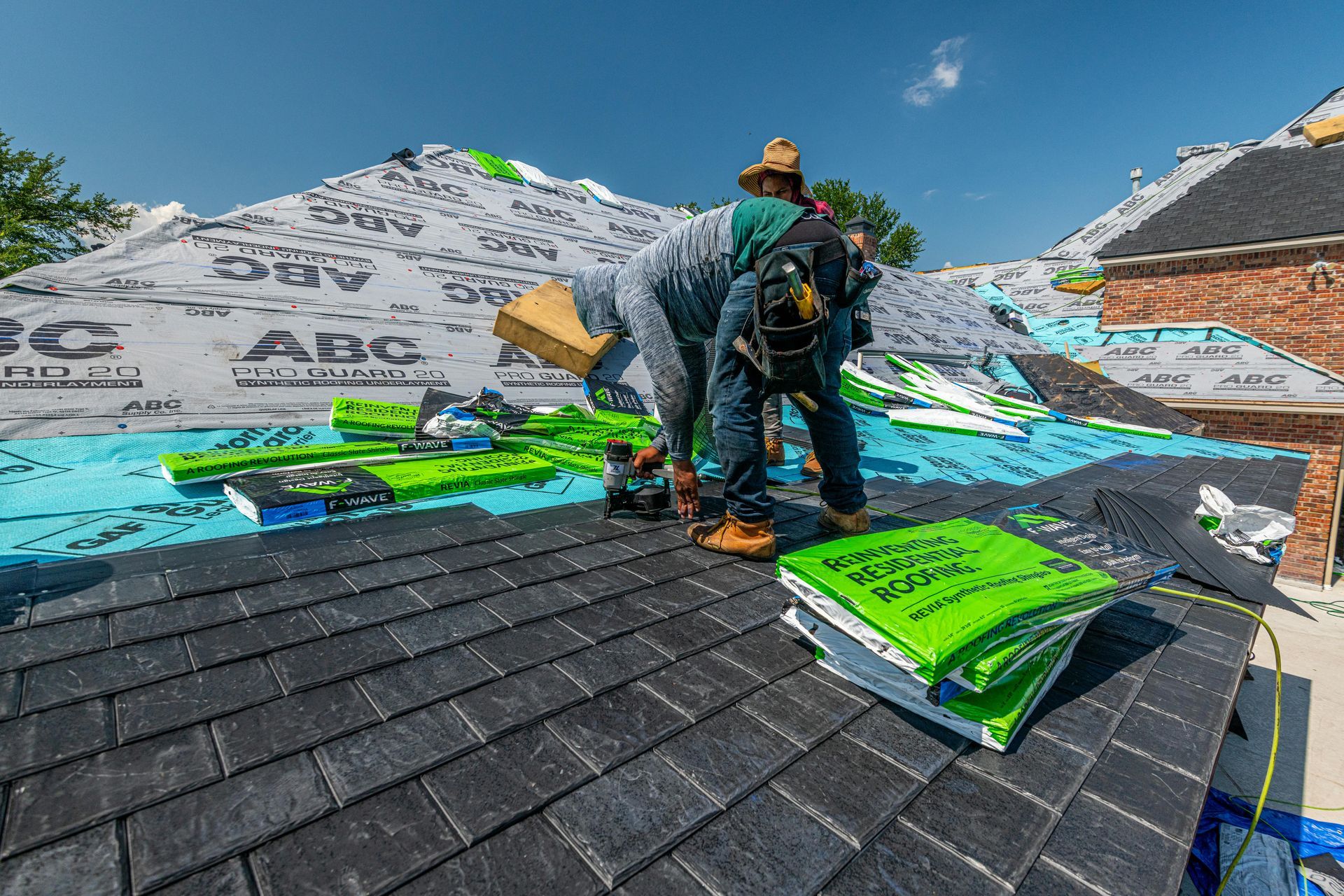
A shingle does not have to be missing to be damaged. Repeated gusts can flex the lower edge until the factory seal releases, leaving the tab vulnerable during the next storm. Creased corners, shiny nail heads, and tabs that move by hand are signs that the field may no longer be sealed as a continuous surface. Those weak areas deserve attention before water reaches the underlayment.
Signs a Bandon Roof Should Be Inspected
Clues Visible From the Yard
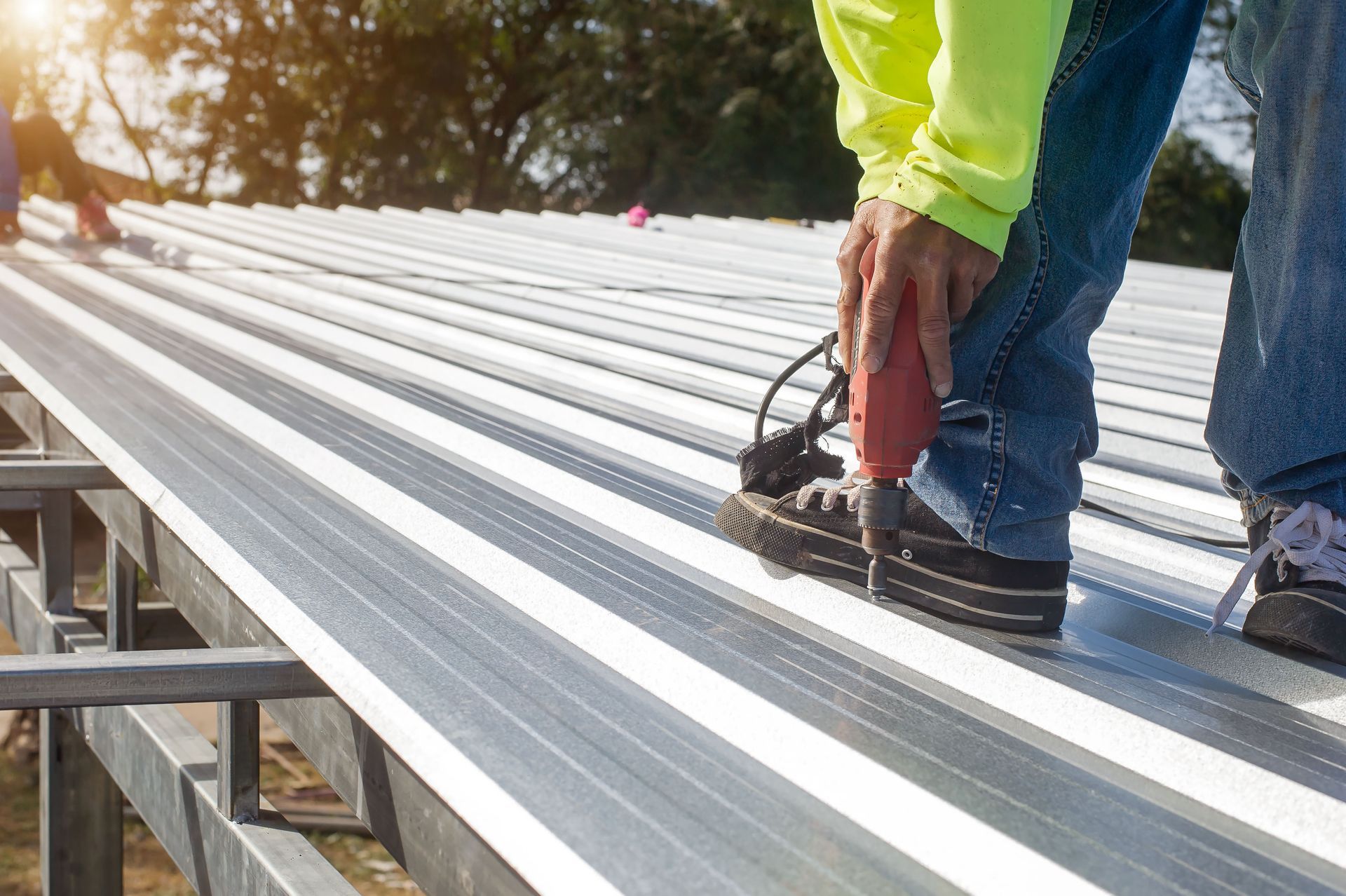
Stand at several sides of the property and look for uneven shingle lines, tabs that sit higher than their neighbors, missing ridge pieces, bent edge metal, cracked pipe boots, and dark streaks that stay wet. Check whether debris has collected behind a chimney or in a valley. Rust trails on siding or gutters can point to a failing metal component above. Do not climb onto a wet or wind-exposed roof to investigate.
Changes Inside the Living Space
Brown ceiling marks, soft drywall, peeling paint near an exterior wall, or a musty smell after storms all deserve a closer look. Intermittent leaks can dry between weather events and still damage insulation or framing. Note when the symptom appears and whether it follows wind from a particular direction. That information helps narrow the search, but the roof and attic still need to be examined together.
Evidence in the Attic or Upper Storage Area
With a safe walkway and a flashlight, look for darkened plywood, wet insulation, rusty nail points, daylight at penetrations, or water tracks along rafters. Condensation often appears as widespread dampness rather than one clear trail, so ventilation must be considered before blaming the roof covering. If access is tight or electrical wiring is exposed, leave the inspection to a professional.
How Outlaw Roofing Plans Residential Work in Bandon
Coastal Roof and Attic Review
We start with the homeowner's concerns, then examine accessible roof surfaces, flashings, edge details, drainage paths, penetrations, attic conditions, and visible decking. Photos are used to show lifted materials, corrosion, soft areas, prior repairs, or ventilation issues. The goal is to identify the cause of the problem and the portions of the system that are still serviceable.
Repair and Replacement Options in Writing
The proposal explains the recommended scope in plain language. If a durable repair is realistic, we describe it. If the roof has widespread failure, incompatible layers, or extensive deck deterioration, we explain why replacement is the better use of the homeowner's money. Known allowances and optional upgrades are separated instead of being buried in one lump-sum number.
Permit Check, Materials, and Weather Window
Permit requirements depend on whether the work is a surface reroof, involves substantial sheathing replacement, or changes structural components. We confirm the applicable requirements with the proper Bandon or Coos County office, order the specified materials, and choose a workable weather window. That planning matters on the coast, where an open roof cannot be left to chance.
Controlled Tear-Off and Daily Dry-In
Before removal begins, we protect siding, windows, landscaping, decks, and access paths. The crew opens only the area that can be secured that day, replaces unsound decking as authorized, and installs each layer in the correct sequence. Valleys, wall intersections, eaves, and penetrations receive extra attention because those are the places wind-driven water tests first.
Cleanup, Detail Check, and Homeowner Walkthrough
At completion, debris is removed, the ground is swept with magnets, gutters are checked, and leftover material is collected. We review visible details such as ridge lines, flashings, vents, edge metal, and sealant locations before walking the property with the homeowner. The final conversation covers maintenance, warranty documents, and what to watch after the next heavy coastal storm.
Residential Roofing Materials Suited to Bandon Conditions
Architectural Asphalt Shingles With Coastal Detailing
Architectural shingles remain a practical choice for many Bandon homes when the deck is sound and the system is installed as a complete assembly. Brand options can include GAF, IKO, and CertainTeed. Product selection is paired with the correct starter, ridge material, underlayment, ventilation, and fastening pattern. Corrosion-resistant components and careful edge work matter as much as the shingle color.
Standing-Seam Metal With Concealed Fasteners
Standing-seam metal sheds water quickly and places most fasteners beneath locked seams, reducing the number of exposed washers that weather over time. It can be a strong fit for simple rooflines and ocean-facing properties, but panel layout, clips, trim, substrate, and coating selection must match the site. We also consider noise expectations, attic ventilation, and transitions to porches or additions before recommending it.
Low-Slope Membranes and Reinforced Transition Details
Many coastal homes have a porch, sunroom, carport, or later addition with less pitch than the main roof. Standard shingles may not be appropriate on those sections. WeatherBond or PolyGlass membrane options can be used where the slope and assembly call for them. The important part is creating a watertight transition between materials instead of treating the low-slope area as an afterthought.
Choosing Roof Repair or Full Replacement in Bandon
A Focused Repair Is Reasonable When the System Is Sound
Repair can be the right decision when damage is confined to a small area, the surrounding material still seals properly, the deck is firm, and the remaining roof has useful service life. Examples include a split pipe boot, a limited flashing defect, or a few wind-damaged shingles after a specific event. We still look beyond the obvious spot to make sure the problem is not part of a broader failure.
Replacement Makes More Sense When Failures Are Widespread
A full system becomes the practical choice when shingles are brittle across multiple slopes, many tabs have released, metal components are deteriorated throughout, the roof has several questionable layers, or moisture has damaged broad areas of decking. Repeated patches can cost more without restoring dependable protection. A replacement also allows underlayment, ventilation, flashings, and edge details to be corrected together.
How Bandon's Coastal Weather Tests a Residential Roof
Open-Ocean Wind and Perimeter Uplift
Homes with a clear line toward the Pacific can receive stronger pressure at eaves, rakes, corners, and ridges than homes tucked behind terrain or mature trees. Wind tries to enter beneath the first loose edge it finds. Proper starter placement, secure edge metal, compatible fasteners, sealed penetrations, and intact ridge caps help keep the roof acting as one connected system.
Salt Mist and Windblown Grit
Coastal air can carry salt and fine sand well beyond the beach. That exposure is hard on bare cut edges, exposed screws, thin vent metal, and mixed metals that react with one another. Material choice helps, but details such as sealed cuts, proper coatings, compatible flashings, and routine observation are what keep small spots of corrosion from becoming openings.
Sideways Rain at Valleys and Wall Intersections
During a windy storm, water can move across the roof surface and climb into laps that would not leak during calm rainfall. Valleys, dormers, chimneys, skylights, and roof-to-wall transitions need layered flashing that directs water outward even when conditions are rough. Caulk alone is not a substitute for proper metal and membrane placement beneath the finished roofing.
Roofing Systems Seen on Bandon Houses and Coastal Cottages
Bandon includes compact cottages, manufactured homes, ranch houses, steep-roofed coastal designs, and newer ocean-view construction. Architectural shingles are common on straightforward roofs, while standing-seam metal is often considered for long-term water shedding and reduced exposed fastening. Porches and additions may use membrane roofing because of their lower pitch. Older homes can also have plank decking, multiple roof generations, or ventilation that no longer matches the current assembly.
Typical Bandon Roofing Scenario — Leak Near an Ocean-Facing Addition
A common Bandon call begins with a stain where an older house meets a lower porch or bedroom addition. From inside, the leak looks like a failed shingle. On the roof, the real issue may be a low-slope section covered with the wrong material, a short wall flashing, and debris holding water at the transition. A lasting scope would remove the affected materials, evaluate the deck, install a membrane appropriate for the pitch, rebuild the transition flashing, and integrate it beneath the main roof so water has a continuous path to the gutter.
Why Bandon Homeowners Choose Outlaw Roofing
- A Scope Based on Exposure, Not a Generic Package
We account for whether the home faces open water, sits behind vegetation, has difficult bluff-side access, or includes several roof additions. Those factors change the right material, fastening, flashing, and staging plan. The result is a scope written for the property in front of us rather than a standard package copied from an inland job.
- Licensed Work With Verifiable Documentation
Outlaw Roofing operates under Oregon CCB license #236299. Homeowners receive a written proposal and can verify contractor information through the Oregon Construction Contractors Board. Clear documentation protects both sides by defining what is included, what could change if concealed damage is found, and how approvals will be handled.
- Components Selected to Work as One System
A roof is more than the visible surface. We match underlayment, starter, field material, ridge, ventilation, fasteners, flashing, and sealants so the parts are compatible and installed according to the applicable manufacturer instructions. That approach supports better water management and avoids mixing details that can shorten the life of an otherwise good material.
- Weather-Aware Staging From Tear-Off to Dry-In
Bandon weather can change quickly, so scheduling and daily protection are part of the roofing plan. We limit open areas, track forecast conditions, secure materials, and make sure exposed sections are dried in before the crew leaves. Careful staging is especially important on occupied homes where one uncovered transition can lead to damage inside.
- Straight Answers Without Pressure
The inspection is meant to help the homeowner understand the roof. We point out what is failing, what remains serviceable, and which options are worth considering now. If maintenance or a localized repair is enough, we say so. If replacement is warranted, the reasons are tied to visible conditions and system performance rather than fear-based language.
What Affects Residential Roof Replacement Cost in Bandon
There is no responsible one-price answer for a Bandon roof without seeing the home. Square footage matters, but coastal access, pitch, number of layers, roof transitions, material choice, ventilation work, and concealed deck damage can change the scope considerably. A written inspection-based estimate gives a more useful number than a broad online average and makes it easier to compare proposals fairly.
Steep Lots, Limited Staging, and Ocean-Side Access
Some properties have narrow drives, elevated decks, retaining walls, or landscaping that leaves little room for a debris trailer and material delivery. Extra fall protection, hand-carrying, or staged tear-off can add labor. We plan the drop zones and access route before work starts so the estimate reflects the property rather than changing after the crew arrives.
Corrosion-Resistant Metals and Complete Accessory Packages
Coastal performance depends on more than upgrading the field material. Better edge metal, pipe flashings, fasteners, ridge components, and compatible sealants may increase the initial scope, but they protect the places most likely to fail first. We show those items separately so the homeowner can see why they are included.
Deck Repair and Low-Slope Corrections
Long-term moisture can soften plywood near valleys, skylights, roof-to-wall intersections, and poorly drained additions. The amount cannot always be confirmed until tear-off. We identify suspicious areas during inspection, state the deck-replacement method in the proposal, and stop for documentation and approval if the exposed condition exceeds the agreed allowance.
Applicable Permits and Inspection Requirements
The needed permit depends on the exact scope and jurisdiction. A simple reroof may be treated differently from work involving substantial sheathing replacement or structural changes. We verify the requirements with the appropriate local office before construction and include known permit costs or coordination in the written scope rather than making a blanket promise.
What We Examine During a Bandon Roof Inspection
Perimeter Metal, Starter, and Exposed Fasteners
The first few feet at an eave or rake take a large share of coastal wind pressure. We check whether starter material is present and bonded, whether drip edge is secure, and whether fasteners are corroded or placed too close to an edge. On metal roofs, we look at panel seams, clips where visible, trim laps, closures, and exposed screws at transitions.
Decking Around Valleys, Skylights, and Additions
These areas collect water or interrupt the roof plane, so they deserve more than a surface glance. We feel for movement, inspect from the attic when access allows, and look for patched sheathing, staining, or fasteners that no longer hold firmly. A new roof cannot perform properly if the deck beneath it is too weak to secure the system.
Ventilation and Moisture Patterns Below the Roof
Coastal humidity can be mistaken for a roof leak. We compare intake and exhaust ventilation, look for blocked soffit paths, and note widespread condensation on nail points or decking. Bathroom fans that terminate in the attic and insulation packed against eaves can add moisture from inside the home. Correcting the source protects the new roof from deterioration below.
How Long a Residential Roof Can Last in Bandon
Asphalt Service Life Depends on Installation and Exposure
Architectural shingles can provide years of reliable service, but the calendar is only one part of the answer. Ocean exposure, roof pitch, shade, ventilation, fastening, maintenance, and storm damage all affect how quickly the material ages. A well-detailed system on a sheltered home may perform differently from the same product on an open, wind-facing lot.
Metal Longevity Relies on Coating and Detail Maintenance
Standing-seam metal often outlasts asphalt when the panels, clips, trim, and coating are appropriate for the environment. It is not maintenance-free. Cut edges, penetrations, sealant joints, flashings, and any exposed fasteners should be reviewed periodically, especially where salt deposits or debris collect. Early correction is much easier than replacing corroded trim after water reaches the deck.
Simple Maintenance That Preserves the System
Keep valleys and gutters open, trim branches that scrape the roof, and have moss handled with methods approved for the material. After a major wind event, check from the ground for shifted ridge caps, loose edge metal, or debris impacts. An inspection every few years, or sooner when symptoms appear, can catch a small flashing issue before it becomes a deck repair.
Quick Answers About Residential Roofing in Bandon, OR
What permit is required for roof replacement in Eagle Point, Oregon?How soon should I check my Bandon roof after a strong coastal wind event?
Inspect from the ground as soon as conditions are safe. Look for displaced ridge pieces, lifted tabs, metal hanging at an edge, debris impacts, or material in the yard. Even when nothing is missing, a professional inspection is worthwhile if the storm was severe or a new stain appears, because shingle seals and flashings can fail without an obvious hole.
Will my Bandon reroof require a building permit?
It depends on the scope and the authority that has jurisdiction over the property. Surface replacement, extensive sheathing work, and structural changes can be treated differently. We confirm the requirement with the appropriate Bandon or Coos County office and include required paperwork in the project plan.
Is asphalt or metal the better choice near the Bandon shoreline?
Both can work when correctly specified. Architectural asphalt usually has a lower initial cost and fits many roof shapes. Standing-seam metal offers concealed fastening and rapid drainage, but coating, trim, and installation details must suit salt exposure. We compare roof geometry, budget, maintenance expectations, and wind exposure before recommending either system.
Can Outlaw Roofing work on a steep or hard-to-access coastal lot?
We evaluate access, pitch, fall-protection needs, material staging, landscaping, and debris removal during the inspection. Difficult access does not automatically prevent the work, but it changes the safest production plan and may affect cost. Those logistics are discussed before the proposal is finalized.
What is included in a free residential roof inspection?
We review accessible roof surfaces, flashings, penetrations, drainage, edge details, ventilation indicators, and visible attic or deck conditions when access is available. We photograph relevant findings and explain whether maintenance, repair, further investigation, or replacement is the practical next step.
Residential Roofing Services Available to Bandon Homeowners
Bandon Residential Roofing
Outlaw Roofing inspects and installs complete residential roofing systems for Bandon cottages, manufactured homes, ranch houses, and custom coastal properties. The scope is matched to the roof's pitch, exposure, ventilation, drainage, and existing deck.
Targeted Residential Roof Repair
For localized wind, flashing, penetration, or leak problems, we trace the source and outline a focused repair that connects correctly to the surrounding roof. The proposal explains what the repair can reasonably accomplish.
Coastal Metal Roofing
Standing-seam metal can provide durable water shedding with fewer exposed fasteners when the panel, coating, trim, clips, and transitions are designed for the home. We evaluate whether the roof shape and exposure make metal a practical investment.
Schedule a Free Residential Roof Inspection in Bandon
A lifted tab, rusted flashing, or small ceiling mark is easier to address before another season of wind-driven rain. Outlaw Roofing will inspect the accessible system, explain the likely cause, and provide a written path forward without forcing a replacement that the roof does not need. Call (541) 275-6189 or request an appointment online to have your Bandon roof evaluated.
Frequently Asked Questions — Bandon Residential Roofing Contractor
How can I verify Outlaw Roofing's Oregon contractor license?
Use the Oregon Construction Contractors Board's online contractor search and enter Outlaw Roofing or CCB #236299. The listing is the right place to confirm current license status and related information before signing a contract. A legitimate roofing proposal should also identify the contractor and scope in writing.
Does salt air damage every type of roof at the same rate?
No. Exposure varies by distance from open water, wind direction, shelter, roof shape, and the metals used. Asphalt shingles are affected mainly at fasteners, flashings, and accessories, while metal roofs depend heavily on coating quality, cut-edge treatment, and compatible components. Regular observation helps identify corrosion before it becomes a leak.
Should I remove moss from my roof with a pressure washer?
Pressure washing can strip shingle granules, force water beneath laps, and damage coatings. Moss should be handled with a method approved for the roofing material, followed by correction of the shade, debris, or drainage conditions that helped it grow. If the moss has lifted tabs or hidden soft decking, cleaning alone will not restore the roof.
Why does a ceiling stain appear only when the wind comes from the ocean?
Wind can drive rain uphill beneath loose edges or against a flashing joint that stays dry during calm weather. The water may then travel along decking or framing before it reaches the ceiling. We reproduce the likely water path by inspecting the ocean-facing slope, roof-to-wall transitions, vents, and eaves instead of patching directly above the stain.
Can I remain at home while my Bandon roof is replaced?
Most homeowners stay in the house, although tear-off and fastening are loud and create vibration. Vehicles, outdoor furniture, and fragile wall items should be moved as directed, and pets should be kept away from active work zones. We explain access and daily cleanup expectations before the project begins.
How is my house protected if the forecast changes during tear-off?
We monitor conditions, limit the amount opened at one time, secure materials, and dry in exposed sections before leaving. Valleys and transitions are staged carefully because they are harder to cover in a hurry. If the forecast no longer supports safe, watertight production, the crew pauses rather than opening more roof.
Are financing options available for a larger Bandon roofing project?
Qualified homeowners can ask about GreenSky financing. The approval, terms, and available plans come from the financing provider, not from the roofing estimate itself. We can provide the written project scope needed to evaluate the full cost before a homeowner chooses whether financing fits the household budget.
What should I review in a coastal roof warranty?
Read both the material warranty and the contractor's workmanship terms. Look for required products, installation steps, ventilation conditions, registration deadlines, transfer rules, exclusions, and maintenance obligations. Wind coverage may have specific limits, so the selected system and fastening details must match the manufacturer's published requirements.
Is orange staining around a vent always a sign that it must be replaced?
Not always, but it should be inspected. Light surface staining may be manageable, while pitting, holes, loose seams, failed rubber collars, or rust around fasteners can create an active entry point. We determine whether the component can be serviced or whether replacement and new flashing are the sounder choice.
Can you document wind damage for my insurance conversation?
We can photograph observable roof conditions and provide a written scope for repair or replacement. The insurance carrier decides coverage, cause, depreciation, and payment. Homeowners should report the event promptly, prevent further damage when it is safe to do so, and keep copies of photos, estimates, and correspondence.