Residential Roof Replacement in Jacksonville OR
Roof Replacement in Jacksonville, OR , Historic District Homes, Original Masonry Chimneys, and Why the Chimney Story Matters as Much as the Shingles
Jacksonville is Oregon's only National Historic Landmark city, and the Victorian and Craftsman homes along California Street, Oregon Street, and the 3rd Street corridor are the oldest residential structures in the entire Outlaw Roofing service area. An 1890s chimney on a California Street Victorian has been through more than 130 Southern Oregon winters. The mortar at the counter-flashing embedment joints has been expanding and contracting at the metal-to-masonry interface through every one of those thermal cycles.
Most roofing contractors who quote a Jacksonville replacement treat the chimney as a flashing line item: pull the old flashing, install new step and counter flashing, move on. What they miss is whether the brick itself is structurally sound enough to hold the new flashing, whether the mortar joints need repointing before any new flashing can be correctly embedded, and whether the counter-flashing embedment channels have opened enough to require tuck-pointing before they will seal. A Jacksonville replacement that correctly prices chimney restoration scope will always cost more than one that treats the chimney as a standard flashing swap.
Our team, veteran-owned and operating under Oregon CCB license #236299, bring three generations of Southern Oregon roofing experience to Jacksonville replacements with a written proposal that addresses the chimney condition as a specific documented finding before any cost is committed. Jackson County Building Codes Division permit at 10 South Oakdale Avenue, (541) 774-6900, filed before any tear-off begins. GAF, IKO, CertainTeed, WeatherBond, and PolyGlass certified installation. GreenSky financing up to 100 percent for qualified homeowners. Military discount for veterans and active service members. Call (541) 275-6189.
Signs Your Jacksonville, OR Historic Home Has Reached Replacement Age

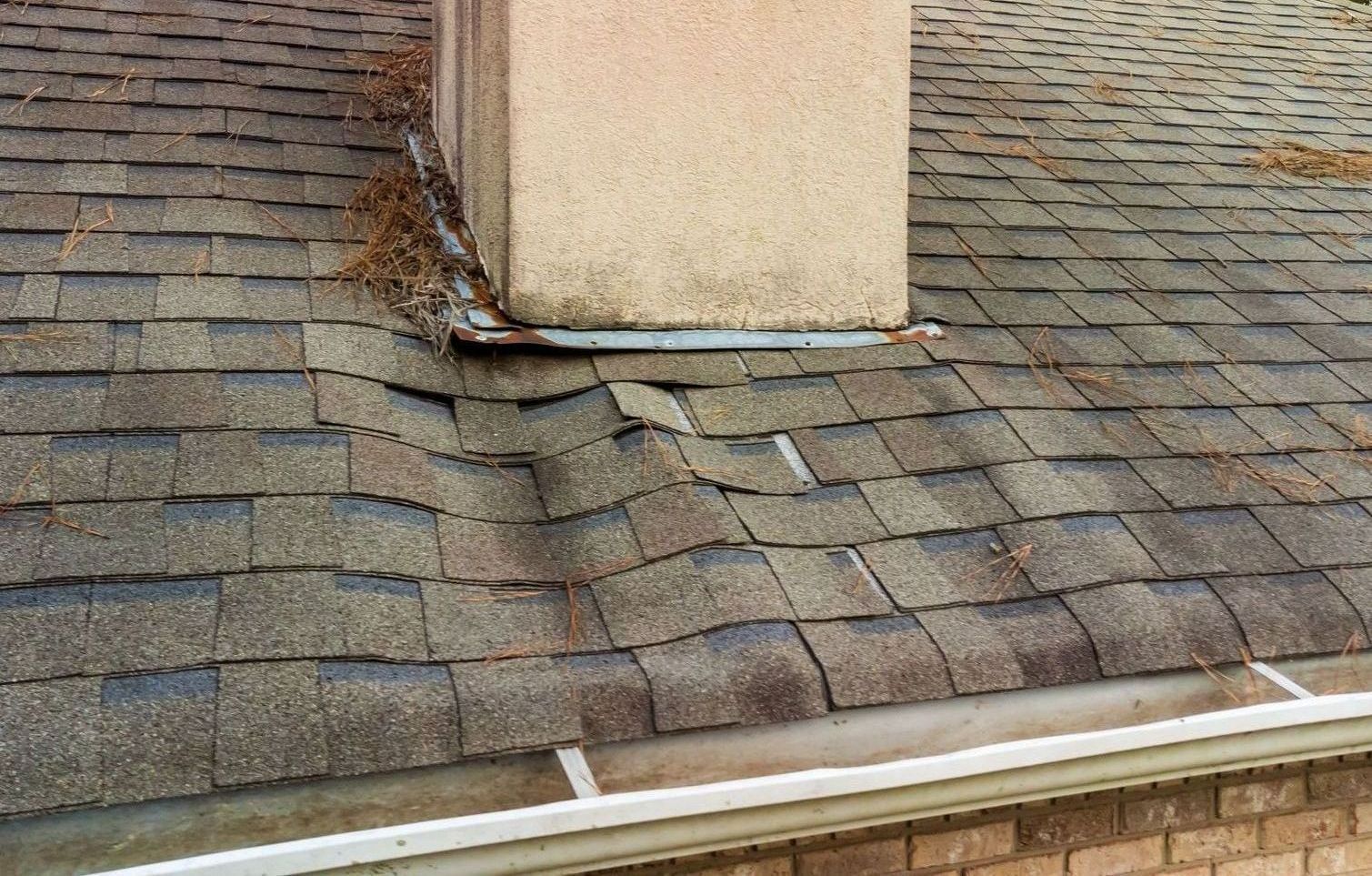
Chimney Staining on California Street and Oregon Street Victorians Signals Flashing at Its Limit
Dark water staining on the exterior brick face of a Jacksonville Victorian chimney below the flashing line is the most specific replacement-age indicator unique to this community. That staining means water has been entering the mortar joints at or above the flashing attachment points and wicking down the brick face. Every wet season cycle since that staining first appeared has been depositing minerals in the mortar while the water that carried them found its way into the flashing lap joint and toward the interior.
Granule Loss on South-Facing Jacksonville Slopes , the UV Mechanism on Older Systems
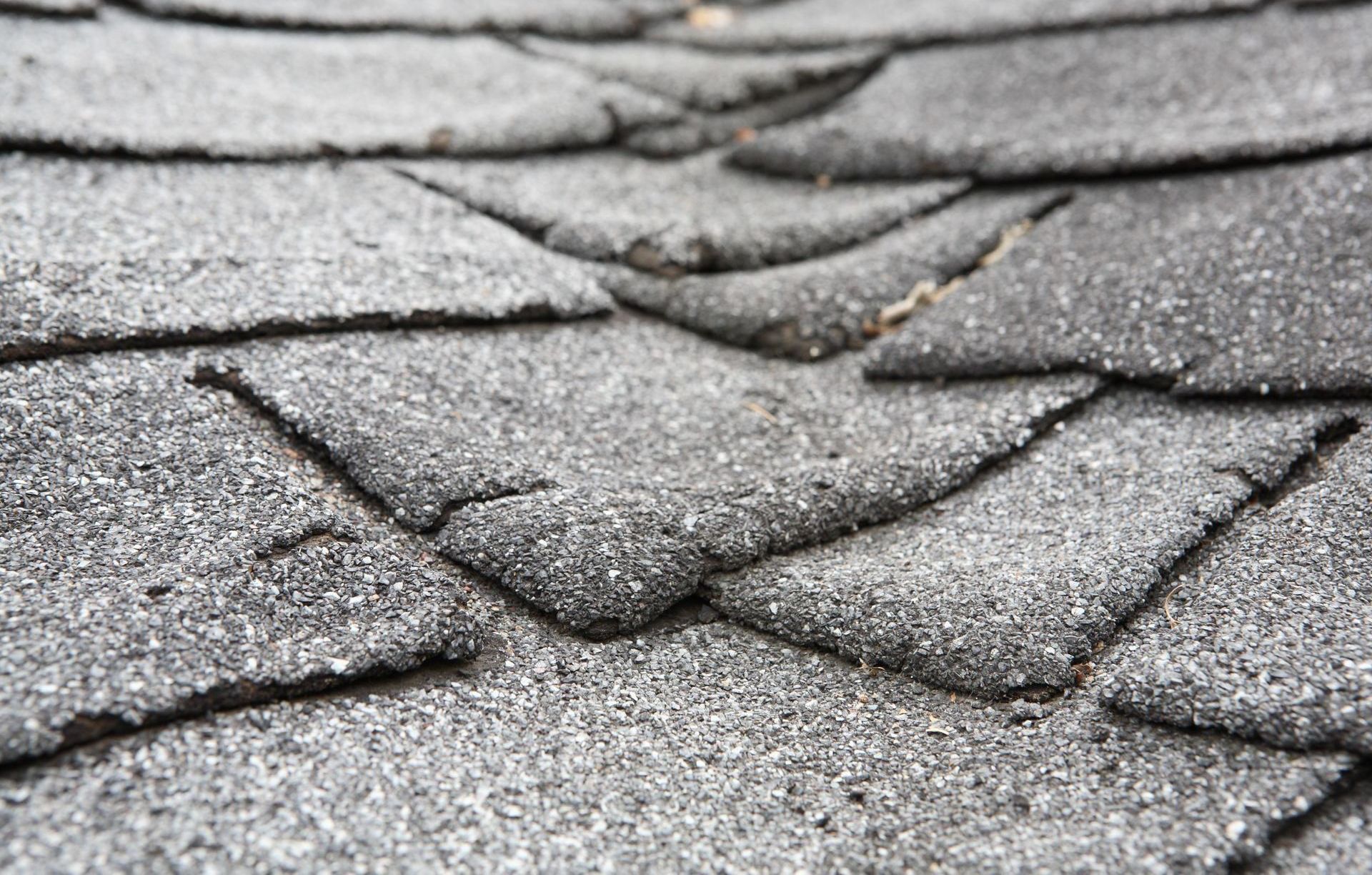
South and west-facing roofline sections on Jacksonville historic homes accumulate granule loss from Southern Oregon's UV loading at the same rate they do throughout the Rogue Valley. When granule accumulation appears in the gutters of a Jacksonville Victorian or Craftsman after rain, the asphalt core beneath the depleted surface is receiving direct UV exposure. In Jacksonville's case, the south slopes of historic homes along the 3rd Street corridor are often steeper than the ranch profiles common elsewhere in the service area, and steeper pitches shed granules into gutters faster once adhesion begins failing.
Interior Staining Below Jacksonville Attic Spaces Points to Active Entry
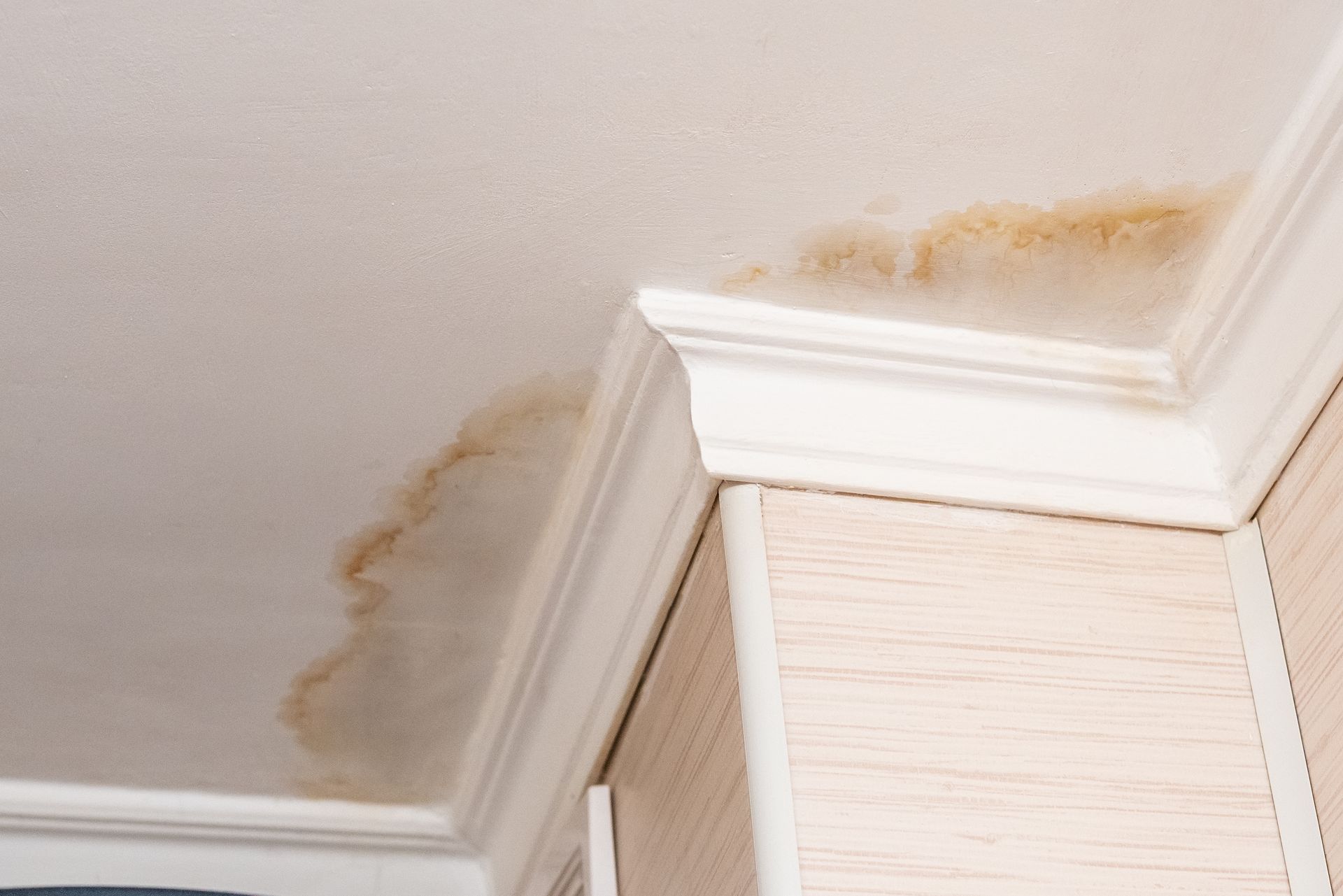
Historic Jacksonville homes along California and Oregon Streets frequently have finished or partially finished attic spaces that served as living quarters during the home's original use. Ceiling staining in upper-floor rooms of these properties, particularly at interior wall junctions and below known valley intersections, is the interior confirmation of active entry that the exterior chimney staining signals from outside. A Jacksonville homeowner who finds staining in an upper room after a wet event and attributes it to the old age of the structure is correct about the age but incorrect about the conclusion. Old structures leak because old flashing and old mortar joints fail.
A Jacksonville Victorian System Past 18 Years on Original or Aging Deck Is at Critical Assessment Age
Original roof decking on Jacksonville homes from the late 1800s may still be in service beneath one or more replacement layers. Oregon building code limits roofing layers to two before full tear-off is required, and a Jacksonville property where the original board sheathing or early shiplap decking is beneath the current system is a property where tear-off reveals structural conditions that no ground-level or surface inspection can assess.
What to Look for on a Jacksonville, OR Historic Property Before Calling for an Estimate
Chimney Indicators Visible From the Street on California and Oregon Street Properties
Walk the perimeter of any Jacksonville Victorian or Craftsman with masonry chimneys and look at the chimney face from every accessible angle. Brick face staining below the flashing line, visible mortar gaps between brick courses near the roofline, any section of brick that appears to have shifted or pulled away from the adjacent course, and any visible separation or lifting at the point where step flashing meets the adjacent shingle course are all indicators that the chimney assembly has reached the point where professional assessment of the masonry condition, not just the flashing, is warranted before the next wet season.
Roofline Ridge and Valley Conditions on Multi-Plane Historic Rooflines
Jacksonville's Victorian and Craftsman architecture typically includes more roofline complexity than the ranch and production homes that dominate other communities in the service area. Multiple intersecting roof planes create more valley intersections, more ridge sections, and more wall transition flashing points per square foot than simple gable or hip rooflines.
What the Historic Attic or Upper Floor Reveals on a Jacksonville Property
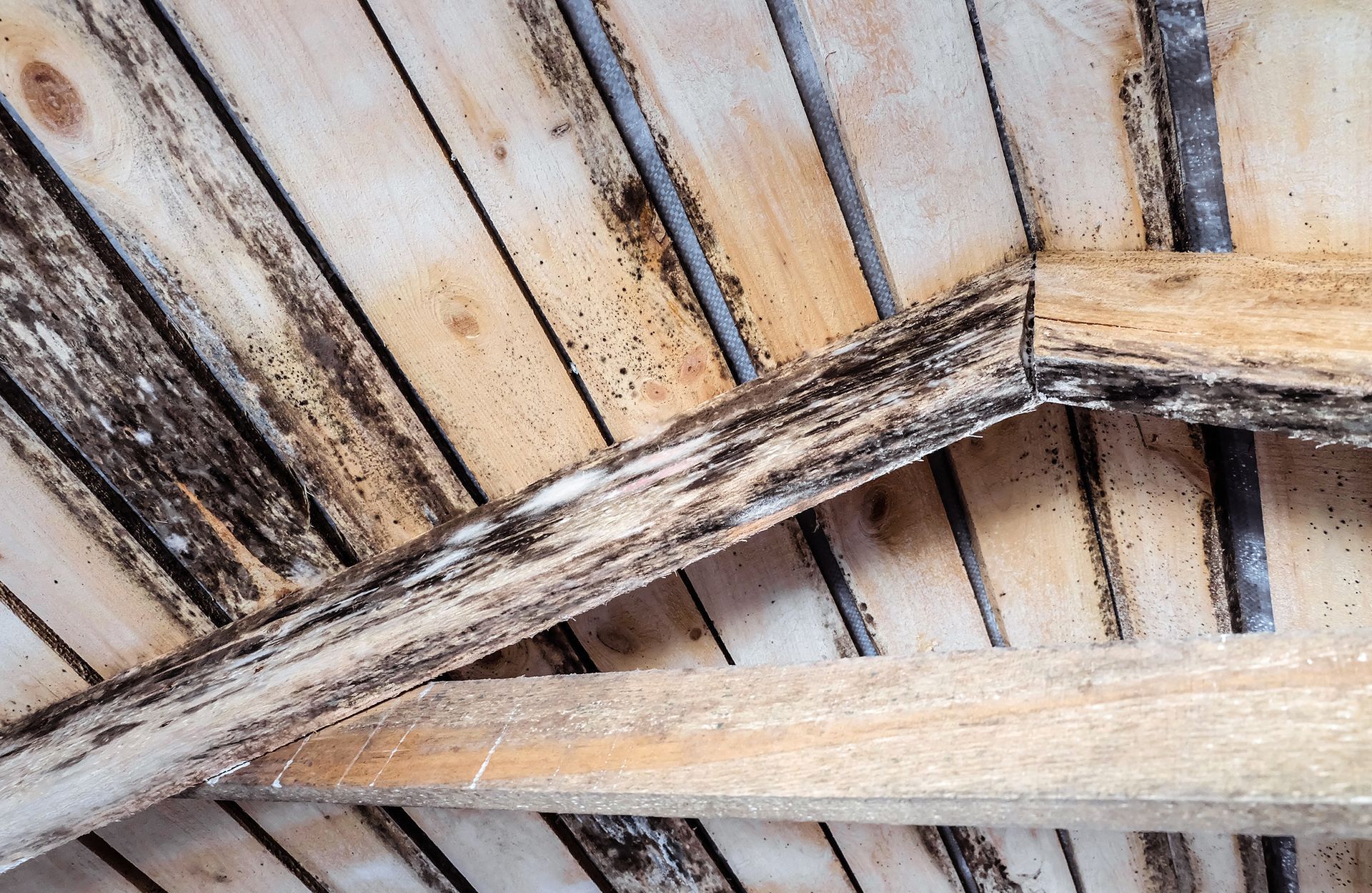
Getting into the attic of a Jacksonville Victorian, which may be a full or partial upper story rather than a simple access hatch, after any significant rain event provides the condition assessment that exterior observation alone cannot deliver. Staining on original board sheathing below any valley intersection or chimney location confirms that moisture has been crossing the flashing assembly at those points. Any soft or darkened sections in original wood decking indicate repeated moisture presence over multiple seasons.
How Outlaw Roofing Manages Replacement Projects on Jacksonville, OR Historic Properties

Step 1 - Free Inspection Including Chimney Masonry Condition Assessment
Every Outlaw inspection on a Jacksonville replacement property specifically assesses chimney masonry condition alongside the standard roofline evaluation. The masonry assessment goes beyond the flashing to examine mortar joint integrity at and above the flashing attachment points, brick face condition for spalling or shifting, and counter-flashing embedment channel condition for mortar gaps. A Jacksonville replacement proposal that does not separately address the chimney masonry condition after inspection has not been written by a contractor who actually got close to the chimney.
Step 2 - Written Proposal With Chimney Scope as a Visible Line Item
The chimney restoration scope on a Jacksonville replacement is listed as its own line item in the Outlaw written proposal, separate from standard flashing replacement, so the homeowner understands what the chimney work involves and what it contributes to the total. Materials, labor, tear-off, deck repair allowance, chimney masonry and flashing scope, Jackson County permit fee, and disposal are all separate.
Step 3 - Jackson County Building Codes Division Permit Before Any Tear-Off
All roofing replacements in Jacksonville file with the Jackson County Building Codes Division at 10 South Oakdale Avenue, (541) 774-6900.
Step 4 - Chimney Masonry Restoration, Ice and Water Shield, and Full Flashing Replacement
Ice and water shield at all eave edges and valley intersections is standard on every Jacksonville replacement. On historic properties where the chimney masonry assessment identified mortar joint deterioration at the counter-flashing embedment points, tuck-pointing of those joints precedes new flashing installation so the new counter flashing bonds into intact mortar rather than the degraded material that allowed the prior failure. New step and counter flashing is installed at every chimney face. No existing chimney flashing from the prior system is reused.
Step 5 - Cleanup and Permit Closeout With Full Documentation
Complete debris removal from the Jacksonville property including any displaced mortar or brick material from the chimney work. Magnetic nail sweep. Final walkthrough.
Choosing Replacement Materials for Your Jacksonville, OR Historic District Home
Architectural Asphalt Matched to the Visual Character of Jacksonville's Historic District
GAF Timberline HDZ, IKO Cambridge, and CertainTeed Landmark in the color profiles that complement Jacksonville's historic district character, including the weathered earth tones and dimensional profiles appropriate to Victorian and Craftsman architecture, are the standard replacement specification for most Jacksonville residential properties. These products carry Oregon wind resistance approval and deliver the manufacturer warranty tiers that Outlaw's certified installation status unlocks.
Standing Seam Metal Where Historic District Guidelines Permit
Standing seam metal is appropriate for some Jacksonville properties depending on location within the district and whether the installation is on a visible street-facing slope or on a rear or secondary elevation.
What a Lower Quote on a Jacksonville Historic Home Is Actually Missing
A Jacksonville replacement quote that comes in $4,000 to $6,000 below Outlaw's written proposal is missing something specific. On a California Street Victorian, the most likely omission is chimney masonry scope. A contractor who quotes chimney step and counter flashing as a standard line item without assessing the mortar condition at the embedment channels is pricing a flashing swap, not a chimney restoration.
Repair or Replacement for Jacksonville, OR Historic Properties
When Chimney Flashing Repair Is the Right Answer on a Jacksonville Property
A single chimney flashing failure on a 10-year-old Jacksonville property where the surrounding roofing system has meaningful service life remaining and the masonry condition assessment shows sound mortar at the embedment joints is a repair, not a replacement trigger. Isolated chimney flashing failures on sound masonry are a manageable repair scope that Outlaw prices and delivers in writing before any work begins.
When the Age of the Structure and Flashing History Points Toward Full Replacement
A California Street Victorian where the inspection reveals chimney counter-flashing that has been caulked at two faces rather than replaced during prior projects, deteriorated mortar at the brick-to-flashing interface, granule-depleted south slopes from 18-plus years of Rogue Valley UV, and deck staining in the upper attic consistent with multiple seasons of slow water entry is a replacement.
Why Jacksonville, OR's Climate Creates Specific Stress on Historic Rooflines
Freeze-Thaw Cycling on 130-Year-Old Brick Masonry , the Mechanism That No Other Community Faces at This Scale
Southern Oregon winters deliver repeated freeze-thaw cycling to every Rogue Valley community, but Jacksonville's historic homes experience that cycling on masonry that is 60 to 130 years older than comparable structures elsewhere in the service area. Each freeze-thaw cycle expands the water in every mortar joint by a small amount and contracts it when temperatures rise. Over 130 years, that cumulative cycling has been working on the mortar chemistry and physical bond at every joint in every chimney on every historic Jacksonville property. The mortar compound on an 1890s Jacksonville chimney was mixed before modern Portland cement formulations existed. It has different strength characteristics, different porosity, and different response to water than contemporary mortar.
Southern Oregon Winter Rain Concentrated on Steep Historic Rooflines
The steeper pitches characteristic of Victorian architecture on California Street and Oregon Street shed water faster than the moderate pitches of modern ranch construction, but they also concentrate that water into fewer, narrower valley intersections where the volume per linear foot of flashing is higher. A concentrated winter rain event hitting the multiple intersecting rooflines of a Jacksonville Victorian pushes more water per minute through each valley intersection than the same event produces on a ranch home with a single ridge and two broad slopes.
UV Loading on Exposed Jacksonville Slopes and Biological Growth on Shaded Ones
South and west-facing slopes on Jacksonville historic homes facing the open Jackson County sky accumulate Rogue Valley UV at the same rate they do throughout the service area. North-facing and masonry-adjacent slopes on Jacksonville properties, particularly those within the dense historic district streetscape where adjacent structures provide partial shading, develop the moss and biological growth conditions that extended shade and Southern Oregon wet season moisture create.
The Historic Residential Character of Jacksonville, OR Along California Street, Oregon Street, and the 3rd Street Corridor
Jacksonville's housing stock is unlike any other in the Outlaw Roofing service area. The Victorian and Craftsman homes that established the National Historic Landmark District during the city's 19th century gold rush and courthouse era are still the defining character of the residential community along California Street, Oregon Street, and the connecting corridors. These properties were built to the construction standards of their era with materials sourced locally or shipped by wagon.
Later residential development in Jacksonville during the early to mid-20th century added Craftsman bungalows and simpler residential structures on the edges of the historic core, and more recent decades have seen infill construction that brings a wider range of building eras to the community.
A Recent Roof Replacement in Jacksonville, OR: What the Prior Contractor Left Out
Two summers ago Outlaw completed a full replacement on a 1,400 square foot Victorian on Oregon Street in the Jacksonville historic district. The homeowner had purchased the property eight years earlier with a seller disclosure stating the roof had been replaced approximately 12 years before the sale.
The inspection found the chimney step flashing separated at the south face, with caulk applied over the gap during what appeared to be the replacement project from 12 years prior, plus a second caulk application some years later. Both caulk applications had cracked. The mortar at the counter-flashing embedment channel on the south face had degraded to the point where the counter flashing was held in place by the caulk rather than by the masonry joint. In the attic, staining on the original board sheathing below the chimney extended across four boards and had a dry center suggesting the active entry was at the flashing edges rather than a through-crack in the masonry. The roofing system itself was 20 years old with significant granule loss on the south slope. Outlaw's scope: full tear-off, original board sheathing left in place where sound (three boards replaced), synthetic underlayment, ice and water shield at both eave edges and the single valley, new step and counter flashing at all four chimney faces with tuck-pointing at the south counter-flashing embedment channel, CertainTeed Landmark in a period-appropriate color, ridge vent, new drip edge, and Jackson County permit filed and inspected. Total: $16,400.
Why Jacksonville, OR Historic District Homeowners Choose Outlaw Roofing
✓ Veteran-Owned With Chimney Masonry Assessment Built Into Every Historic Property Inspection
Riley brings the accountability of veteran-owned operations to every Jacksonville project, which in this community specifically means treating the chimney masonry condition as a required inspection finding rather than an assumption.
✓ CCB#236299 - Oregon License Verifiable at oregon.gov/ccb
Search CCB#236299 at oregon.gov/ccb before authorizing any roofing work on a Jacksonville historic property.
✓ Jackson County Permit Filed Correctly for Every Jacksonville Replacement
All Jacksonville replacements file permits with Jackson County Building Codes Division at 10 South Oakdale Avenue, (541) 774-6900.
✓ Manufacturer Certified for the Warranty Tiers That Cover Historic Property Replacements
GAF, IKO, CertainTeed, WeatherBond, and PolyGlass certifications allow Outlaw to deliver the manufacturer warranty documentation that covers both materials and workmanship on Jacksonville replacements.
✓ Written Proposal With Chimney Scope as a Documented Line Item, Not a Footnote
Every Outlaw proposal for a Jacksonville replacement property with masonry chimneys lists the chimney assessment findings and the restoration scope as a separate, priced line item so the homeowner knows exactly what the chimney work involves and what it costs before any crew is dispatched.
What Roof Replacement Costs in Jacksonville, OR by Property Type
Jacksonville replacement costs reflect the historic district's housing stock and the chimney restoration scope that 19th and early 20th century masonry properties generate as a standard part of the replacement process.
Victorian and Craftsman Homes on California Street and Oregon Street: $13,500 to $20,000
Victorian and Craftsman homes along Jacksonville's main historic corridors with masonry chimneys, complex multi-plane rooflines, and original or aging deck conditions typically run $13,500 to $20,000 for architectural asphalt replacement. The range is driven primarily by chimney scope. A single-chimney Victorian on Oregon Street with sound mortar requiring standard step and counter flashing replacement runs toward the lower end. A multi-chimney California Street property with degraded mortar at multiple embedment channels requiring tuck-pointing at several faces runs toward the upper end.
Post-War and Later Jacksonville Residential Properties: $11,000 to $15,500
Residential properties outside the Victorian and Craftsman historic core, including post-war and mid-century construction on the edges of Jacksonville's residential area, typically run $11,000 to $15,500 for standard architectural asphalt replacement with full flashing scope and Jackson County permit. Metal roofing on Jacksonville properties where district appearance guidelines permit runs $35,000 to $52,000 depending on roof area and complexity. Jackson County permit fees included as a separate line item in every written proposal. GreenSky financing up to 100 percent for qualified homeowners.
What Contractors Need to Understand About Jacksonville, OR Historic Property Replacements
Chimney Masonry Assessment Is a Required Step, Not an Optional Add-On
On any Jacksonville replacement property with masonry chimneys built before 1950, the chimney masonry condition at the counter-flashing embedment channels and mortar joint integrity at and above the flashing attachment points must be assessed before the replacement proposal is finalized. A proposal written without that assessment is guessing at the chimney scope. When tear-off reveals what the guess missed, the additional scope gets added mid-project to a homeowner who has no leverage.
Jackson County Permit Authority for Jacksonville Historic District Replacements
All Jacksonville replacements file with Jackson County Building Codes Division, not a Jacksonville city building department. The permit is required for all roofing replacement scope regardless of the historic district designation of the property.
How Long a New Roof Lasts on a Jacksonville, OR Historic Home
Asphalt Shingles on Jacksonville Victorian and Craftsman Properties
Quality architectural asphalt installed with correct mortar-embedded counter flashing at all chimney faces, ice and water shield at all eave edges and valley intersections, synthetic underlayment, and sound deck beneath delivers 22 to 26 years of reliable service in the Rogue Valley climate on Jacksonville historic properties. The north-facing and masonry-adjacent slopes within the historic district streetscape may reach 24 to 27 years if the shading from adjacent structures reduces UV loading on those faces.
Maintenance for Jacksonville Historic Properties
Schedule a professional chimney flashing inspection every five years on Jacksonville historic properties with original or aging brick masonry. The mortar that was tuck-pointed during the replacement will continue aging through Rogue Valley freeze-thaw cycles, and monitoring the embedment joint condition every five years allows early intervention before the flashing assembly opens enough to resume moisture entry.
Standing Seam Metal on Jacksonville Properties
Standing seam metal delivers 40-plus years on Jacksonville historic properties where district guidelines permit installation. The elimination of the mortar-bonded counter-flashing dependency at chimney faces is a specific advantage on Jacksonville properties where historic masonry condition makes the traditional counter-flashing embedment the most maintenance-intensive element of the roofing system.
Quick Answers - Roof Replacement in Jacksonville, OR
How much does a roof replacement cost in Jacksonville, Oregon?
Victorian and Craftsman homes on California and Oregon Streets with masonry chimneys run $13,500 to $20,000 for architectural asphalt. Post-war and simpler residential properties outside the historic core run $11,000 to $15,500. Metal roofing on qualifying properties runs $35,000 to $52,000.
Does replacing a roof on a Jacksonville historic district home require special permits or approvals?
A Jackson County Building Codes Division permit is required for all roofing replacements in Jacksonville, filed at 10 South Oakdale Avenue, (541) 774-6900. Properties individually listed on the National Historic Register may also need to confirm material appearance against applicable historic preservation guidelines before finalizing the material selection.
How long does a roof replacement take on a Jacksonville Victorian home?
Single-story Victorian properties with one chimney and standard historic roofline complexity typically complete in two to three days for architectural asphalt. Multi-chimney properties requiring tuck-pointing at multiple embedment channels, or multi-story Victorians with more extensive flashing scope, run three to four days.
Should chimney flashing be replaced as part of a Jacksonville roof replacement?
Yes, on every Jacksonville replacement regardless of how the existing flashing appears on the surface. Flashing that has been through 20-plus Rogue Valley winters on a historic brick chimney has consumed most of its bond life at the mortar joints even when it looks intact from below.
What is the best roofing material for a Jacksonville, Oregon historic home?
Architectural asphalt in a period-appropriate color profile is the most common and typically the most practical choice for Jacksonville Victorian and Craftsman properties. Standing seam metal is appropriate for some properties depending on location within the district and roof plane visibility.
Residential Roofing Services Outlaw Roofing Provides in Jacksonville, OR
eResidential Roof Replacement
Complete roofing system replacements for Jacksonville historic district homes. Chimney masonry assessment and tuck-pointing scope as documented line items. Period-appropriate material selection. Ice and water shield, synthetic underlayment, full flashing replacement throughout. Jackson County permit management. CCB#236299.
Residential Roofing Contractor
If you are still determining whether your Jacksonville property needs full replacement or targeted repair, the full assessment and inspection process is covered on our Jacksonville residential roofing contractor page.
Residential Roof Repair
Isolated chimney flashing repair, valley flashing replacement, and targeted repair for active entry points on Jacksonville historic properties with meaningful system life remaining. Written scope and fixed price before any work. CCB#236299.
Metal Roofing
Standing seam metal for Jacksonville properties where historic district guidelines permit installation. Eliminates mortar-embedded counter-flashing dependency on aging brick masonry. Class A fire rating. 40-plus year service life.
How it works

Schedule Your Free Roof Replacement Estimate in Jacksonville Today
Jacksonville's historic homes deserve a replacement contractor who understands what 19th century masonry chimneys actually look like when the flashing comes off and what the proposal needs to include to close the system correctly.
Call (541) 275-6189 or visit outlawroofing.net to schedule your free Jacksonville inspection. Veteran-owned. CCB#236299.
Frequently Asked Questions - Roof Replacement in Jacksonville, OR
A contractor quoted my Jacksonville Victorian $5,000 less than Outlaw. What is likely missing?
On a Jacksonville historic property, the most likely missing scope is chimney masonry assessment and tuck-pointing. A contractor who quotes chimney step and counter flashing as a standard line item without assessing the mortar at the counter-flashing embedment channels is pricing a flashing swap, not a restoration. When tear-off confirms the mortar needs tuck-pointing, that scope gets added to the invoice after the homeowner has committed to the project.
Do I need to notify the City of Jacksonville or any historic preservation authority before replacing my roof?
Properties within the Jacksonville National Historic Landmark District that are individually listed on the National Historic Register should confirm whether material appearance requires review before finalizing material selection. The Jackson County building permit is required for all replacement scope regardless of historic designation.
Can the original wood sheathing deck on my 1890s Jacksonville Victorian be kept during the replacement?
Original board sheathing that is structurally sound and has not been compromised by moisture can remain in place and receive the new system. Outlaw probes every section of original sheathing during tear-off and replaces only the compromised boards rather than requiring full deck replacement when the underlying sheathing is sound.
How do I verify Outlaw Roofing's Oregon license before scheduling a Jacksonville inspection?
Search CCB#236299 at oregon.gov/ccb. Current license status is confirmed immediately.
What happens if Outlaw finds additional deck damage beyond the allowance during a Jacksonville tear-off?
Work stops at the affected section. Our Team photographs the additional compromised area, identifies the square footage, and contacts the homeowner with a written scope and cost for the additional deck work before proceeding.
Does GreenSky financing apply to Jacksonville historic property replacements?
Yes. GreenSky financing up to the full project cost for qualified homeowners. Military discount for veterans and active service members.
How does tuck-pointing during a Jacksonville chimney restoration affect the overall project timeline?
Tuck-pointing mortar at counter-flashing embedment channels requires the mortar to cure before new counter-flashing is installed over it. On a Jacksonville Victorian with one or two chimney faces requiring tuck-pointing, this adds approximately half a day to the project.
Does the Jackson County permit inspection cover chimney flashing on a Jacksonville replacement?
The Jackson County Building Codes Division inspection verifies that the replacement meets Oregon building code requirements at the stage when those requirements are visible, including flashing installation at chimneys and penetrations.