Residential Roof Repair in Southeast Medford, OR
Roof Repair in Southeast Medford, OR: Why the Skylight Curb Flashing on Oregon Hills and Summerfield Custom Homes Fails the Way It Does, and Why Treating It Like a Standard Shingle Repair Produces the Same Leak Two Winters Later
The custom and semi-custom homes built in Southeast Medford's Oregon Hills neighborhood, along the Hillcrest Road corridor above Barnett Road, and in the upper Summerfield area carry a roofline feature that distinguishes them from every other Medford housing type and that produces a specific repair failure pattern when it is not addressed correctly. Skylights. The contemporary Craftsman and view-oriented custom homes built in Southeast Medford from the late 1990s through the mid-2000s installed skylights as a standard feature, using natural light to fill the vaulted great rooms and cathedral ceiling spaces that define this neighborhood's architectural character. Those skylights are now 20 to 25 years old. The curb flashing that seals the skylight frame to the surrounding roof surface has been through two decades of Medford's summer thermal expansion and winter rain cycling, and it fails through a mechanism that differs fundamentally from standard shingle or valley flashing failure.
A standard shingle repair contractor who climbs on a Southeast Medford Oregon Hills home and finds a ceiling stain beneath a skylight will typically apply roofing sealant at the curb junction and call the repair complete. The sealant holds for one wet season. The stain returns the following January. The reason is that skylight curb flashing failure on 20-year-old systems is not a sealant failure at a single point. It is a failure of the full curb flashing assembly, where the step flashing at the side courses of the curb, the head flashing above the upper curb face, and the apron flashing at the lower curb have all been cycling through thermal expansion and contraction at different rates from the adjacent roof structure for two decades. Sealant addresses the visible gap at one face. The assembly failure continues at the other three faces through the seasons that follow.
Our team, veteran-owned and operating under Oregon CCB license #236299, write repair proposals for Southeast Medford properties that assess the full skylight curb flashing assembly at every skylight on the roofline before pricing any single flashing replacement. City of Medford Building Division permit at 411 W 8th Street, phone (541) 774-2340, filed where required before any repair work begins. GAF, IKO, CertainTeed, WeatherBond, and PolyGlass certified. GreenSky financing available. Military discount for veterans and active service members. Call (541) 275-6189.
The Repair Problems Southeast Medford's Custom Home Inventory Produces

Skylight Curb Flashing Failure on Oregon Hills and Hillcrest Road Custom Homes
The skylights installed on Southeast Medford custom homes from the late 1990s through the mid-2000s typically use a curb-mounted installation where the skylight unit sits atop a wooden curb frame that was built up from the roof deck and integrated with the surrounding roofline structure at construction. The flashing assembly that seals that curb frame consists of four distinct components: step flashing at each of the two side courses running up the slope, head flashing above the upper curb face that deflects water away from the top of the unit, and apron flashing below the lower curb face that directs water from the bottom of the unit down and over the shingles below it. Each component is mechanically attached to both the curb frame and the surrounding shingle field, and each has been expanding and contracting with the curb frame, which is wood, at a different rate from the surrounding roof structure for 20-plus years.
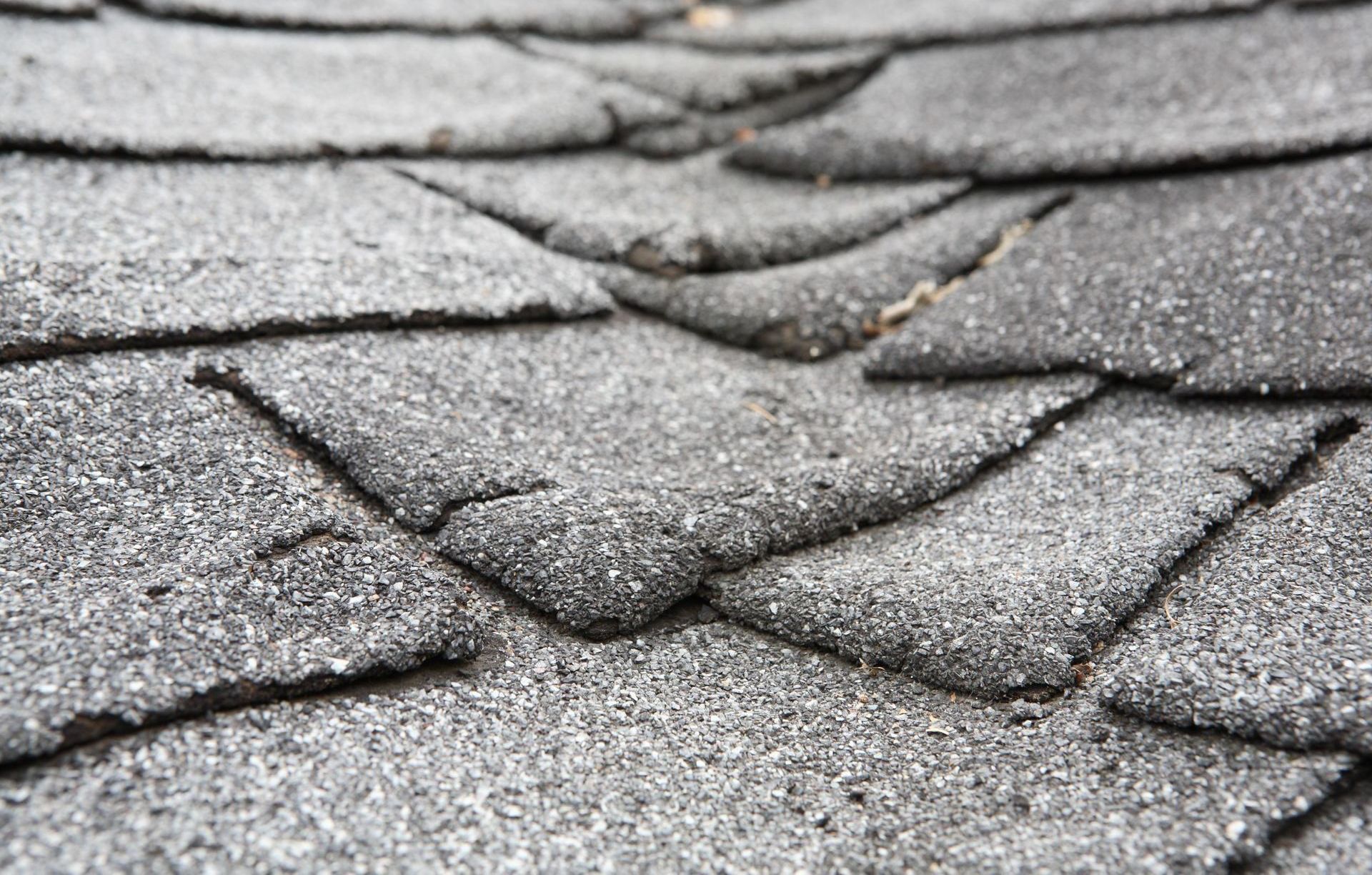
Wood moves more with moisture and temperature change than the surrounding asphalt and decking assembly. Every summer heating cycle in Medford expands the skylight curb frame slightly and compresses the flashing attachment points at the curb-to-flashing junction. Every winter cooling cycle reverses that movement. After 20 years of this cycling, the mechanical attachment between the curb frame and the flashing components has accumulated enough fatigue that water entry becomes possible at one or more of the four curb faces. Sealant at the visible gap on one face stops that entry point temporarily. The adjacent faces continue to accumulate movement cycles until they reach the same threshold.
Valley Drainage Failure on Complex Multi-Plane Southeast Medford Rooflines
The custom homes along the Oregon Hills corridor and on the hillside lots off Hillcrest Road above McAndrews Road were designed with roofline complexity that maximizes the valley and mountain views that define the neighborhood's appeal. Multiple roof planes, offset ridgelines, and valley intersections that direct drainage from upper roof sections across lower sections create a drainage geometry that concentrates runoff at specific valley points during the concentrated rain events that Rogue Valley winters produce. The valley flashing at those concentration points carries higher cumulative water volume per storm event than a standard residential valley does, and the lap joint sealant at the valley center has been under that elevated loading for 20-plus years on the original construction inventory.
Hillside Drainage and Eave Edge Conditions on Steep-Lot Properties
The Oregon Hills properties on steep hillside lots above Barnett Road and along the Hillcrest Road corridor face a drainage condition that flat-lot Southeast Medford properties do not experience. Runoff from the surrounding hillside during significant rain events concentrates at the uphill eave edges of lower-level roof sections on multi-level homes, delivering water volume to those eave edges that the standard eave flashing and drip edge configuration was not designed to handle. On homes where the upper-level roof drainage is directed onto a lower-level section rather than directly to the gutters, the lower section eave edge carries the combined runoff from both levels during heavy events. Eave edge flashing and drip edge that was correctly sized for a single roof section's drainage load may be undersized for the combined volume it has been handling across two decades of Rogue Valley wet seasons.
Moss and Biological Growth on North-Facing Sections of Southeast Medford Hillside Rooflines
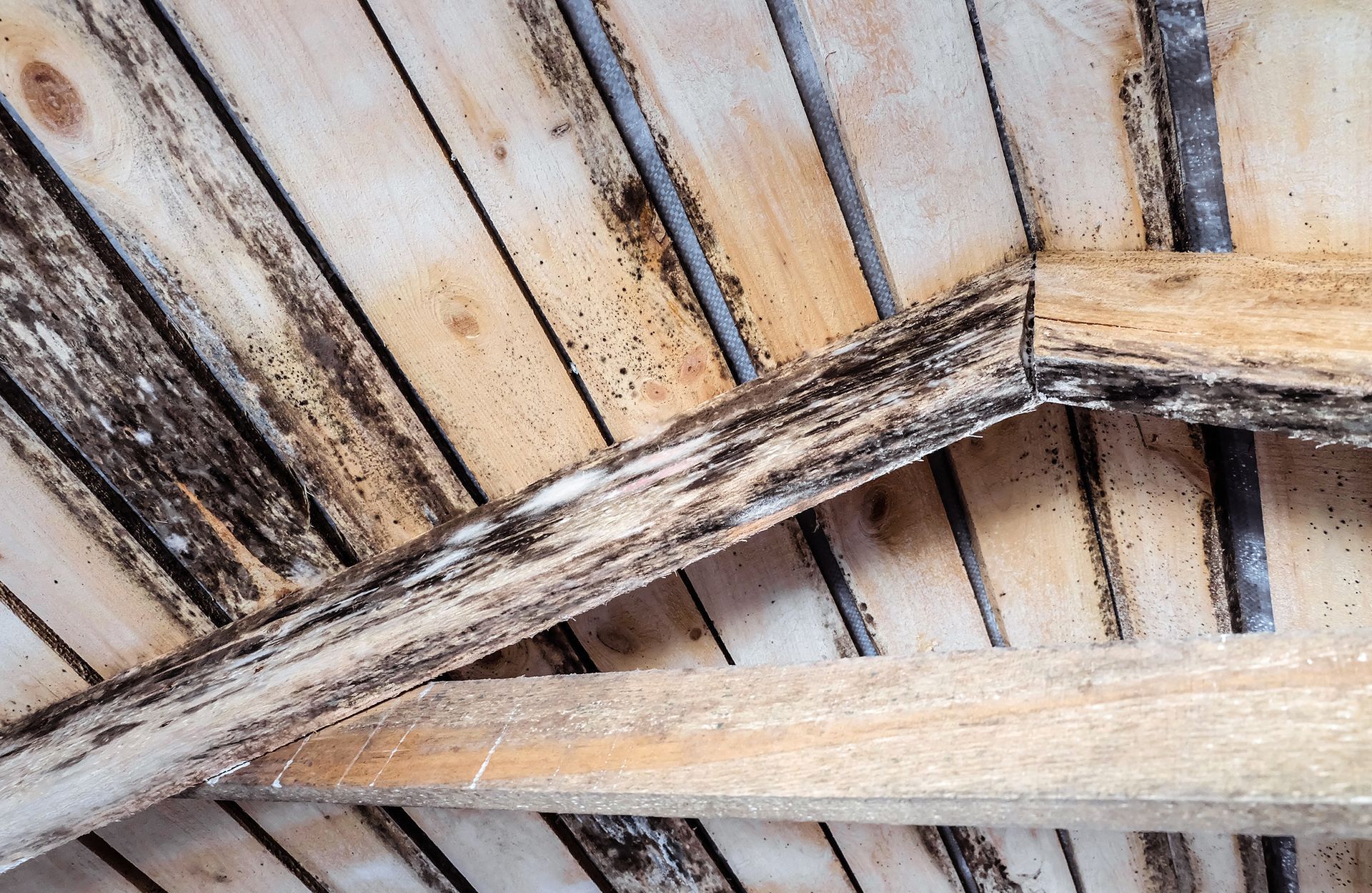
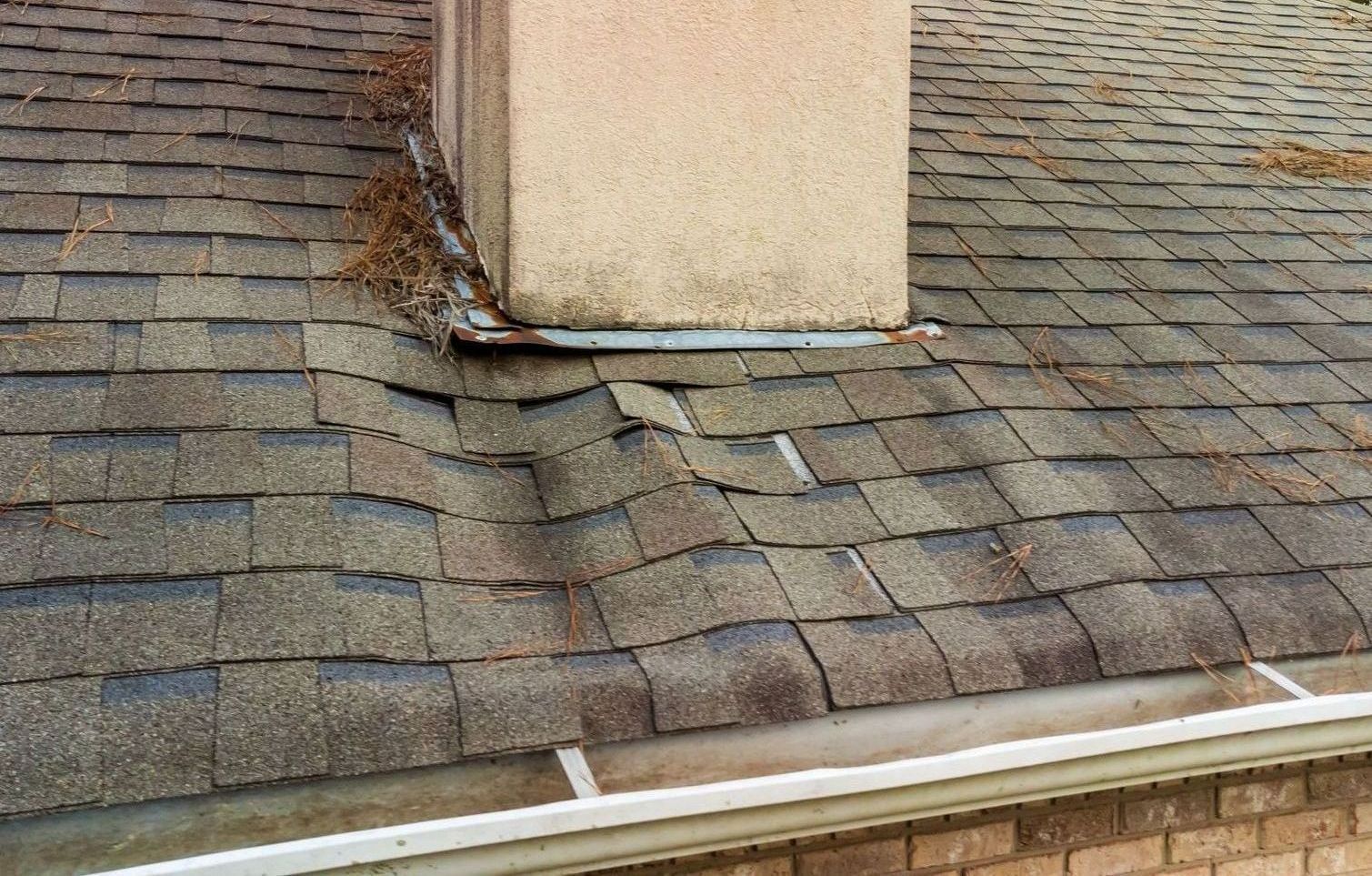
The north-facing roof sections on Southeast Medford custom homes along the Oregon Hills corridor and the Hillcrest Road hillside carry the same moss pressure that shaded Rogue Valley north slopes experience broadly, but with an additional factor: the surrounding Oregon white oak and Douglas fir on the larger hillside lots creates debris loading in valley intersections and on flat sections adjacent to the skylight curbs that holds moisture against flashing assemblies for longer than open-lot properties experience. Debris accumulating on the lower face of a skylight curb and in the adjacent valley below it concentrates moisture contact at the curb apron flashing and the valley lap joint simultaneously, accelerating failure at both locations when the surrounding vegetation is not managed.
Reading the Warning Signs on Southeast Medford Custom Homes
Ceiling Stain Location Below a Skylight and What It Actually Indicates
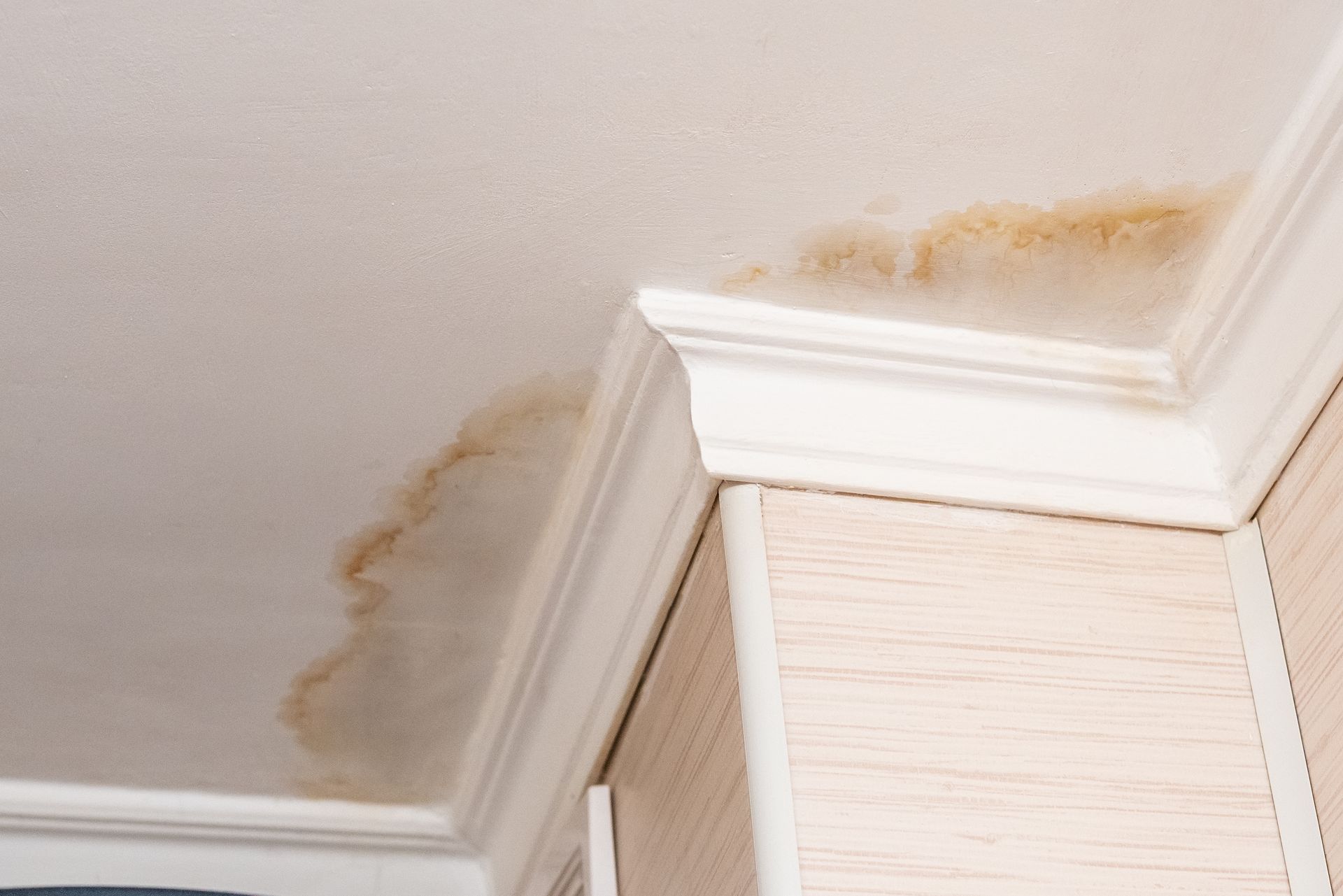
On Southeast Medford custom homes with vaulted ceilings and skylights, the ceiling stain location relative to the skylight unit is the first diagnostic indicator before any contractor goes on the roof. A stain that appears directly at the drywall surface immediately adjacent to the skylight frame on the interior indicates the failure is at the curb-to-ceiling drywall interface, which is typically a condensation issue rather than a flashing failure. A stain that appears on the ceiling surface three to six feet from the skylight unit, appearing to track away from the skylight location, indicates water has entered at the exterior curb flashing, traveled along the inside of the curb frame or along the roof deck surface, and appeared at the ceiling at a distance from the actual entry point. This tracking pattern is the reason skylight leaks on Southeast Medford custom homes so frequently appear to come from somewhere other than the skylight , the water travels before appearing.
Seasonal Stain Pattern and What It Reveals About the Failure Mechanism
Skylight curb flashing failure on Southeast Medford homes produces a stain that appears during or immediately after sustained rain events and may partially or fully dry during breaks in the wet season. The stain grows across multiple wet seasons as the flashing assembly fatigue advances. A homeowner who first noticed a small stain two winters ago and now has a larger stain in the same area has documented two seasons of progressive flashing assembly deterioration at the curb. The progression rate tells the inspector whether the failure is at an early stage where one or two curb faces have reached the water entry threshold, or at a more advanced stage where all four faces are contributing to the entry volume.
Valley Debris Accumulation Below Skylight Installations on Hillside Properties
On Southeast Medford hillside properties where a skylight curb sits above or adjacent to a valley intersection, check the valley below the skylight for debris accumulation before assuming the skylight itself is the only failure source. The same tree canopy that deposits debris in the valley also deposits it on the lower skylight curb face and on the upper sections of the adjacent valley. A valley carrying compressed debris adjacent to a skylight curb that is also showing flashing fatigue has two simultaneous moisture entry pathways, and a repair that addresses only the skylight without clearing and assessing the adjacent valley will leave the second pathway active.
How Outlaw Roofing Inspects Southeast Medford, OR Custom Homes

Full Curb Assembly Assessment at Every Skylight Before Any Single Face Is Quoted
Every Outlaw inspection on a Southeast Medford custom home with skylights assesses all four faces of every skylight curb assembly on the roofline rather than only the one above the reported stain location. The step flashing condition at both side courses is examined by hand pressure at each course to identify separation from the curb frame face. The head flashing above the upper curb is checked for lift and separation at the mounting flange. The apron flashing at the lower curb face is examined for the uplift at the lap that concentrated runoff produces on hillside properties where upper-level drainage increases the water volume at the lower section eave. Any debris accumulation on the lower curb face is cleared before the apron condition is assessed. The written proposal lists each skylight individually with its assessment finding and the replacement scope appropriate to that specific unit.
Valley Condition Assessment Independent of Skylight Location
On Southeast Medford multi-plane rooflines, every valley on the roofline is identified and assessed during the inspection regardless of whether the homeowner reported a valley as a concern. The drainage concentration geometry on complex hillside custom home rooflines means valleys that are not the presenting failure location can be at or approaching the same threshold as the valley or skylight that produced the call. Outlaw maps each valley by its drainage volume role on the roofline, assesses the lap joint condition under any debris accumulation, and documents the finding in the written report so the homeowner understands the full roofline condition rather than only the one location they reported.
Eave Edge Drainage Assessment on Multi-Level Hillside Properties
On Southeast Medford Oregon Hills properties where upper-level roof sections drain onto lower-level sections, the eave edge condition at the lower section where combined drainage arrives is assessed specifically for the concentrated volume exposure it has been under. Drip edge condition, eave flashing attachment, and the first shingle course adhesion at that eave location are examined for the accelerated wear that elevated drainage volume produces over time relative to what standard eave sections on the same property experience.
City of Medford Building Division Permit Where Required
Repair work meeting the City of Medford permit threshold files with the Building Division at 411 W 8th Street, Medford, OR 97501, phone (541) 774-2340. Southeast Medford properties within the city limits file with the City of Medford. Outlaw determines the permit requirement for every Southeast Medford repair before any work is dispatched and files where required.
Materials Outlaw Specifies on Southeast Medford, OR Skylight and Custom Home Repairs
Aluminum Step Flashing at Skylight Curb Side Courses
Skylight curb step flashing replacement on Southeast Medford custom homes specifies aluminum rather than galvanized steel. Aluminum does not corrode in the moisture contact conditions at the curb-to-shingle interface and maintains dimensional stability through the thermal cycling that the wood curb frame imposes on the adjacent flashing components. Aluminum step flashing at skylight curb side courses has a realistic service life of 30-plus years under Rogue Valley conditions. Galvanized steel in the same position begins showing corrosion at the cut edges within 15 to 20 years in the damp conditions that exist at the curb-to-shingle interface during the wet season.
Ice and Water Shield as the Primary Water Management Layer Beneath Curb Flashing
On Southeast Medford skylight curb repairs, ice and water shield is applied directly to the deck surface beneath the replacement curb flashing assembly rather than relying on the flashing geometry alone to manage water at the curb perimeter. The self-adhering membrane bonds to the deck and provides a redundant waterproof layer at the specific location where the thermal movement differential between the wood curb frame and the surrounding deck structure creates the highest risk of water penetration between mechanical flashing components. A skylight curb repair that replaces only the metal flashing without addressing the deck membrane beneath it relies entirely on the new flashing geometry for water management without the redundant layer that 20-plus years of curb frame cycling has demonstrated the assembly needs.
Butyl Tape Bedding at All Curb Flashing Attachment Points
At every mechanical attachment point in the replacement curb flashing assembly, Outlaw beds the flashing to the adjacent surface with butyl tape rather than roofing sealant. Butyl tape maintains its adhesion and flexibility through a wider temperature range than any roofing sealant formulation and does not crack under UV exposure the way sealant does over 10 to 15 years. On a skylight curb where the wood frame has been documented to move with moisture and temperature across two decades, the bedding material at each attachment point needs to accommodate that movement while maintaining its water seal. Butyl tape does that. Roofing sealant does not.
Repair or Replacement for Southeast Medford, OR Custom Homes
When Full Curb Assembly Replacement Is the Right Repair Scope
A 20-year-old skylight curb on a Southeast Medford Oregon Hills home where the side step flashing has separated from the curb face at multiple courses, the head flashing shows mechanical fatigue at the mounting flange, and the apron flashing has lifted at the lap above the lower shingle course is not a sealant application situation. The full curb flashing assembly requires replacement. Each component is removed, the deck membrane is addressed, and the new assembly is installed with aluminum step flashing, butyl tape bedding at every attachment point, and ice and water shield beneath the full curb perimeter. The cost is higher than a sealant patch. The result holds for the remaining service life of the skylight unit rather than for one additional wet season.
When the Southeast Medford Home Condition Points Toward Full Replacement
A Southeast Medford custom home where skylight curb assembly failure exists at two or three units simultaneously, valley flashing at the major drainage valley shows active separation at the lap joint, south-facing slopes have reached granule depletion past UV protection at 22 years, and the attic shows moisture staining at the deck boards below the primary skylight location that predates the most recent wet season is not a repair situation. The compounding conditions across multiple systems indicate that the full roofline has reached end-of-service-life, and repair investment across multiple points on an aging system does not produce the system-wide reset that replacement delivers. See also: /residential-roof-replacement-southeast-medford-or
How Southeast Medford's Climate and Hillside Topography Drive Specific Repair Conditions
Southeast Medford's position on the hillside terrain south of Barnett Road and east of the Rogue Valley Country Club creates a microclimate that differs from the valley floor communities to the north and west in three specific ways that affect roofline repair needs. First, the elevated position exposes rooflines to Rogue Valley storm wind events from the southwest at a height where valley floor properties receive attenuated versions of the same wind. The southwest-facing custom home rooflines along Hillcrest Road and the Oregon Hills corridor face these events at the angles that most directly test step flashing attachment at skylight curb side courses and ridge cap adhesion.
Second, the surrounding native vegetation on the larger hillside lots, Oregon white oak and Douglas fir, creates debris loading in valley intersections and on skylight curb lower faces that open-lot valley floor properties do not experience at the same volume. Managing that debris loading is the maintenance practice that most directly extends the service life of skylight curb flashing and valley lap joint sealant on Southeast Medford hillside properties.
Third, the multi-level home configurations common on steep hillside lots create the combined drainage concentration at lower eave edges that flat-lot homes do not produce. A lower roof section that receives drainage from an upper section during a Rogue Valley concentrated rain event is handling more water volume at its eave edge than it was designed for, and the flashing and drip edge at that location reflects 20 years of exposure to that elevated volume.
Southeast Medford Housing Stock and What It Means for Repair Scope
Southeast Medford's residential character is defined by two housing eras that each produce different repair profiles. The older properties along the lower Summerfield area near Barnett Road and along the residential streets east of Hillcrest Road represent the late 1990s and early 2000s custom and semi-custom construction that established the neighborhood's character. These homes were built for the views, with vaulted ceilings, skylights, and multiple roof planes that captured the Rogue Valley panorama. They are now 20 to 25 years old and their skylights, valley flashings, and complex roofline assemblies have accumulated two decades of thermal cycling.
The newer construction on the upper Oregon Hills lots and on the remaining developable hillside parcels off Hillcrest Road and McAndrews Road represents custom homes built from the mid-2000s onward that carry current construction standards. These properties have skylights and complex rooflines but their assemblies have accumulated only 15 to 20 years of cycling rather than 20 to 25. The repair profiles on newer Oregon Hills properties tend to involve isolated flashing fatigue at specific locations rather than the systemic assembly wear that the original construction inventory is showing.
Both eras share the hillside drainage, vegetation debris, and wind exposure characteristics of the Southeast Medford hillside location. Both require the inspection methodology that accounts for those shared characteristics rather than the standard valley floor inspection approach.
A Recent Roof Repair in Southeast Medford, OR: What Four Curb Faces Revealed
Last fall Outlaw completed a repair on a 2001 custom home on a hillside lot off the upper Oregon Hills corridor in Southeast Medford. The homeowner had a ceiling stain in the great room that appeared every December and tracked roughly five feet from the nearest skylight. A contractor the previous year had applied roofing sealant at the lower curb face of that skylight and charged $350. The stain appeared again eight months later.
The Outlaw inspection assessed all four faces of the skylight curb. The lower apron flashing showed the sealant application from the prior repair, which had sealed the visible gap at the lower face. The right-side step flashing had separated from the curb frame at the third course from the bottom, creating a gap of approximately three-sixteenths of an inch along the flashing edge. The head flashing at the upper curb face was physically pulling away from the mounting flange at the right corner, the same corner where the right-side step flashing had separated, creating a continuous opening from the upper curb face down through the right step flashing run. The left-side step flashing was sound. The apron at the lower curb face, beneath the prior sealant, showed moisture staining on the deck surface below indicating that water had been entering the right-side opening and tracking along the deck beneath the lower curb to the apron location where the prior contractor had found the visible gap.
Outlaw's scope: right-side step flashing replacement at all seven courses of that curb run, head flashing replacement at the full upper curb face, ice and water shield at the full right-side and upper curb deck surface beneath the new flashing, and butyl tape bedding at all new attachment points. The lower apron flashing and left-side step flashing were confirmed sound and retained. The adjacent valley below the skylight was cleared of debris and confirmed at adequate lap joint condition. City of Medford permit not required for this repair scope. Total: $1,800. The $350 prior repair had not assessed the curb assembly. It had addressed the point where water was exiting rather than the point where it was entering.
Why Southeast Medford, OR Homeowners Choose Outlaw Roofing
✓ Veteran-Owned With Four-Face Skylight Curb Assessment as Standard Protocol
Riley brings the same accountability to a $1,800 Southeast Medford repair that they bring to any Southern Oregon roofing project. The four-face curb assessment is not an additional service tier. It is the baseline inspection approach for any Southeast Medford custom home with skylights because the single-face sealant repair pattern has a documented failure history on this housing inventory.
✓ CCB#236299 — Oregon License Verifiable at oregon.gov/ccb
Search CCB#236299 at oregon.gov/ccb before authorizing any repair work on a Southeast Medford property. The license is current and covers all roofing work in Jackson County including all Southeast Medford hillside communities.
✓ Written Proposal That Identifies Every Skylight by Assessment Finding Before Pricing
An Outlaw repair proposal on a Southeast Medford custom home lists every skylight on the roofline with its individual assessment finding before any skylight replacement scope is priced. A homeowner with three skylights on their roofline receives a proposal that tells them which skylights are at adequate condition, which are at early-stage fatigue requiring monitoring, and which require full assembly replacement in the current repair scope.
✓ City of Medford Building Division Permit Filed Where Required
Repair work meeting the City of Medford permit threshold files with the Building Division at 411 W 8th Street, phone (541) 774-2340 before any work begins. Outlaw determines the threshold requirement for each Southeast Medford repair scope and files where required.
What Roof Repair Costs in Southeast Medford, OR by Repair Type
Full Skylight Curb Assembly Replacement on Oregon Hills and Summerfield Custom Homes: $1,400 to $2,800
Complete skylight curb flashing assembly replacement at a single skylight on a Southeast Medford custom home, including all four curb faces, aluminum step flashing at both side courses, head and apron flashing replacement, ice and water shield at the full curb perimeter, and butyl tape bedding at all attachment points, typically runs $1,400 to $2,800 per skylight. The range reflects curb size, roofline access, and whether any deck surface remediation is required beneath the failed flashing assembly. Multiple skylights replaced in a single mobilization cost less per unit than sequential single-skylight visits.
Valley Flashing Repair at High-Volume Drainage Valleys on Multi-Plane Rooflines: $1,100 to $2,400
Valley metal replacement at the primary drainage valley on a Southeast Medford multi-plane custom home, including debris clearing, ice and water shield beneath the new metal, and step flashing replacement where the valley terminates at an adjacent wall or skylight curb, typically runs $1,100 to $2,400. Valleys that serve as the primary drainage path for multiple upper roof sections run toward the upper end because the metal width and lap configuration required for the elevated volume demands more material than a standard residential valley.
Eave Edge Repair at Lower-Level Sections With Combined Upper Drainage: $600 to $1,500
Eave flashing repair or replacement at a lower roof section that receives combined drainage from an upper section on a Southeast Medford hillside home, including drip edge replacement where volume-related corrosion has advanced and ice and water shield at the first course back from the eave, typically runs $600 to $1,500 depending on eave length and the number of drainage sources contributing to the affected section. City of Medford permit fees included as a separate line item where applicable. GreenSky financing available. Military discount for veterans.
What Experienced Inspectors Look for on Southeast Medford Custom Home Repair Properties
The skylight curb assessment is the first priority on every Southeast Medford custom home inspection where skylights are present. Before any skylight face is examined, the interior stain location and tracking distance from the skylight unit are documented. A stain that tracks six feet from the skylight tells the inspector to look at the upslope faces of the curb, because water entering the upper faces will travel the farthest before appearing at the ceiling. A stain adjacent to the skylight frame tells the inspector to look at the lower apron and the side courses at the base of the curb. The tracking distance narrows the inspection to the probable entry face before the ladder goes up.
Valley mapping on complex Southeast Medford rooflines is the second inspection priority. Every valley is identified and its drainage role on the roofline is assessed before any individual valley is opened or disturbed. Valleys that serve as the collection point for multiple upper sections are documented as high-volume drainage valleys and assessed for the concentrated loading they carry. Outlaw's written findings report maps each valley by its drainage role and its current condition so the homeowner receives a roofline drainage picture rather than isolated component assessments.
Moss and debris condition on north-facing slope sections and adjacent to skylight curbs is the third inspection priority on Southeast Medford hillside properties. The debris load from surrounding vegetation on larger hillside lots determines the maintenance interval that would extend both skylight curb and valley flashing service life. Outlaw notes the current debris condition in the written findings alongside the repair scope so the homeowner has a maintenance recommendation alongside the repair recommendation.
How Long Repair Work Lasts on Southeast Medford, OR Custom Homes
A correctly executed skylight curb assembly replacement on a Southeast Medford Oregon Hills home, with aluminum step flashing, ice and water shield at the full curb perimeter, and butyl tape bedding at all attachment points, delivers 15 to 20 years of reliable service at the repaired curb. That service life assumes the wood curb frame itself is sound, which is assessed during the repair process, and that debris accumulation on the lower curb face is managed through annual clearing before the wet season begins. Debris that remains on the lower curb face through the wet season concentrates moisture against the apron flashing continuously and accelerates sealant fatigue at that face faster than open-face exposure alone would produce.
Valley flashing replacement at a high-volume drainage valley on a Southeast Medford multi-plane roofline, with ice and water shield beneath the new metal, delivers 20 to 25 years of reliable service regardless of the precipitation volume those valleys concentrate during Rogue Valley storm events. The membrane beneath the metal is what protects the deck when the lap joint sealant eventually deteriorates, and the membrane service life significantly exceeds that of the metal surface sealant.
Quick Answers About Roof Repair in Southeast Medford, OR
How much does skylight curb repair cost in Southeast Medford?
Full skylight curb assembly replacement runs $1,400 to $2,800 per skylight. Valley flashing repair at high-volume drainage valleys runs $1,100 to $2,400. Eave edge repair at lower sections with combined upper drainage runs $600 to $1,500. All Outlaw repairs begin with a free inspection and written proposal before any work is authorized.
Why does my Southeast Medford skylight keep leaking after being sealed?
Sealant applied at the visible gap on one curb face addresses water exit rather than water entry. On a 20-year-old skylight curb where thermal cycling has caused assembly fatigue, water is typically entering at a different face than where it appears. When the sealant stops the exit point temporarily, the entry point on the adjacent face continues delivering water that then finds a new exit path. The repair that holds addresses the full four-face assembly rather than the single visible gap.
Does roof repair in Southeast Medford require a permit?
Some repair work requires a permit through the City of Medford Building Division at 411 W 8th Street, phone (541) 774-2340. Outlaw determines the permit requirement for every Southeast Medford repair before work begins and files where required.
How do I know which skylights on my Southeast Medford home need repair?
An inspection that assesses all four faces of every skylight curb on the roofline tells you which units are at adequate condition, which are showing early-stage fatigue that warrants monitoring, and which have reached the assembly failure threshold requiring replacement in the current repair cycle. The assessment results determine the repair scope rather than the homeowner or contractor assumptions about which skylight above the stain is the source.
Is it worth repairing skylights on a Southeast Medford home that is approaching replacement age?
If the surrounding roofline has four to six or more years of remaining service life, repairing the skylight curb assembly correctly extends the practical system life without the replacement investment. If the roofline is within two to three years of replacement and multiple skylights require full assembly replacement simultaneously, the economics favor including the skylight work in the full replacement scope rather than executing separate mobilizations.
Frequently Asked Questions About Roof Repair in Southeast Medford, OR
How do I verify Outlaw Roofing's Oregon contractor license?
Go to oregon.gov/ccb and search for CCB#236299. The current license status and verification display immediately. Every roofing contractor performing repair work in Southeast Medford is required to hold a current, verifiable CCB registration.
What is the difference between a curb-mounted and deck-mounted skylight, and does it affect repair scope?
A curb-mounted skylight sits on top of a raised wooden frame built up from the roof deck. A deck-mounted skylight sits directly on the roof surface with its frame integrated into the deck assembly without a raised curb. Southeast Medford custom homes from the late 1990s and early 2000s predominantly used curb-mounted installations. The repair scope for a curb-mounted unit involves the four-face flashing assembly described above. Deck-mounted skylight repair involves a different flashing configuration integrated with the surrounding shingle field, and the failure mechanism and repair scope differ accordingly. Outlaw identifies which installation type is present before any repair scope is developed.
Can debris from surrounding trees damage my skylight flashing?
Debris accumulating on the lower skylight curb face holds moisture against the apron flashing continuously through the wet season and accelerates fatigue at that face faster than clean exposure produces. Clearing debris from the lower curb face before the wet season begins, along with clearing the adjacent valley if one exists below the skylight, is the maintenance practice that most directly extends skylight curb flashing service life on Southeast Medford hillside properties surrounded by oak and fir canopy.
Does Outlaw Roofing offer financing for Southeast Medford homeowners?
Yes. GreenSky financing up to 100 percent for qualified Southeast Medford homeowners with fixed monthly payment terms. Military discount for veterans and active service members throughout the Southeast Medford and broader Medford area.
What related services does Outlaw provide in Southeast Medford?
Southeast Medford homeowners whose inspection confirms that replacement rather than repair is the appropriate scope can reference the residential roof replacement Southeast Medford OR page (/residential-roof-replacement-southeast-medford-or). The residential roofing contractor Southeast Medford OR page (/residential-roofing-contractor-southeast-medford-or) covers Outlaw's full certification structure and service area.

Southeast Medford Homeowners: Get Your Written Repair Estimate From Outlaw Roofing
A ceiling stain in the great room below a skylight on a Southeast Medford Oregon Hills home is not a sealant job. It is a curb assembly assessment. Outlaw examines all four faces, writes what was found on each, and prices the repair that addresses the entry point rather than the exit gap. Riley, veteran-owned, CCB#236299. GreenSky financing available. Military discount for veterans. Call (541) 275-6189 or schedule at /contact.