Residential Roof Repair in North Bend, OR
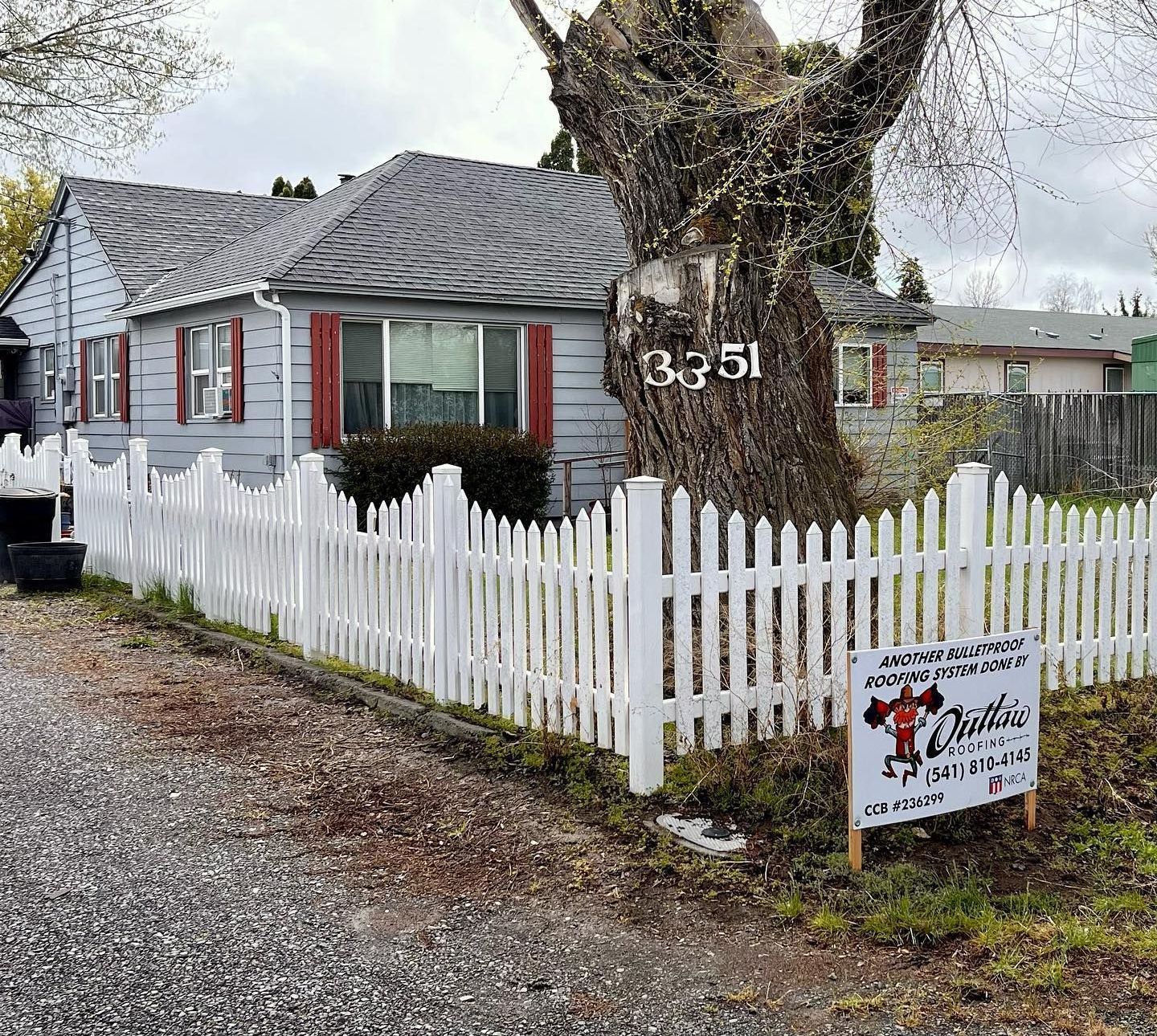
Roof Repair in North Bend, OR: Bay Wind Finds Roof Edges, Ridges, and Transitions Before the Center of the Slope
North Bend's peninsula setting exposes many homes to moving air from more than one direction. A roof may stay dry during an ordinary shower and leak only when wind pushes rain against a gable, under a ridge cap, or behind the metal at a porch transition. The first sign can be a damp soffit, peeling paint near an outside wall, or a ceiling stain that appears after a single rough night. Those patterns point us toward the roof perimeter and transitions, not automatically to the shingles directly above the mark.
A small edge failure can often be repaired without replacing the main roof. Loose ridge pieces, a split vent boot, a short run of damaged starter shingles, or an open gutter apron are component problems when the neighboring shingles remain bonded and the deck is firm. The repair must open the assembly far enough to restore the hidden laps and fastening, not simply cover the outside seam.
Water entering at an eave or gable can spread into fascia, soffit framing, and the outer edge of the roof deck before it becomes visible indoors. Because damp coastal air slows drying, repeated wetting may continue between storms. Early work can be limited to the failed edge, penetration, or transition. Delayed work may involve replacement of the roof edge, wet insulation, and exterior trim in addition to the roofing itself.
North Bend homeowners deserve a repair estimate that distinguishes what failed from what is still working. Replacing a full roof is sensible when damage is widespread, but it should not be the default response to one loose vent or one leaking porch joint. Likewise, a cheap exposed patch is not a bargain when the water path remains open beneath it. The written scope should show the cause, the repair boundary, and any condition that could expand the work.
Outlaw Roofing is a veteran-owned Oregon contractor operating under CCB#236299. Andy Powless and our crews have training and certifications connected to GAF, IKO, CertainTeed, WeatherBond, and PolyGlass systems. Call (541) 275-6189 for a North Bend roof repair evaluation.
Roof Repair Issues We See on North Bend, OR Houses

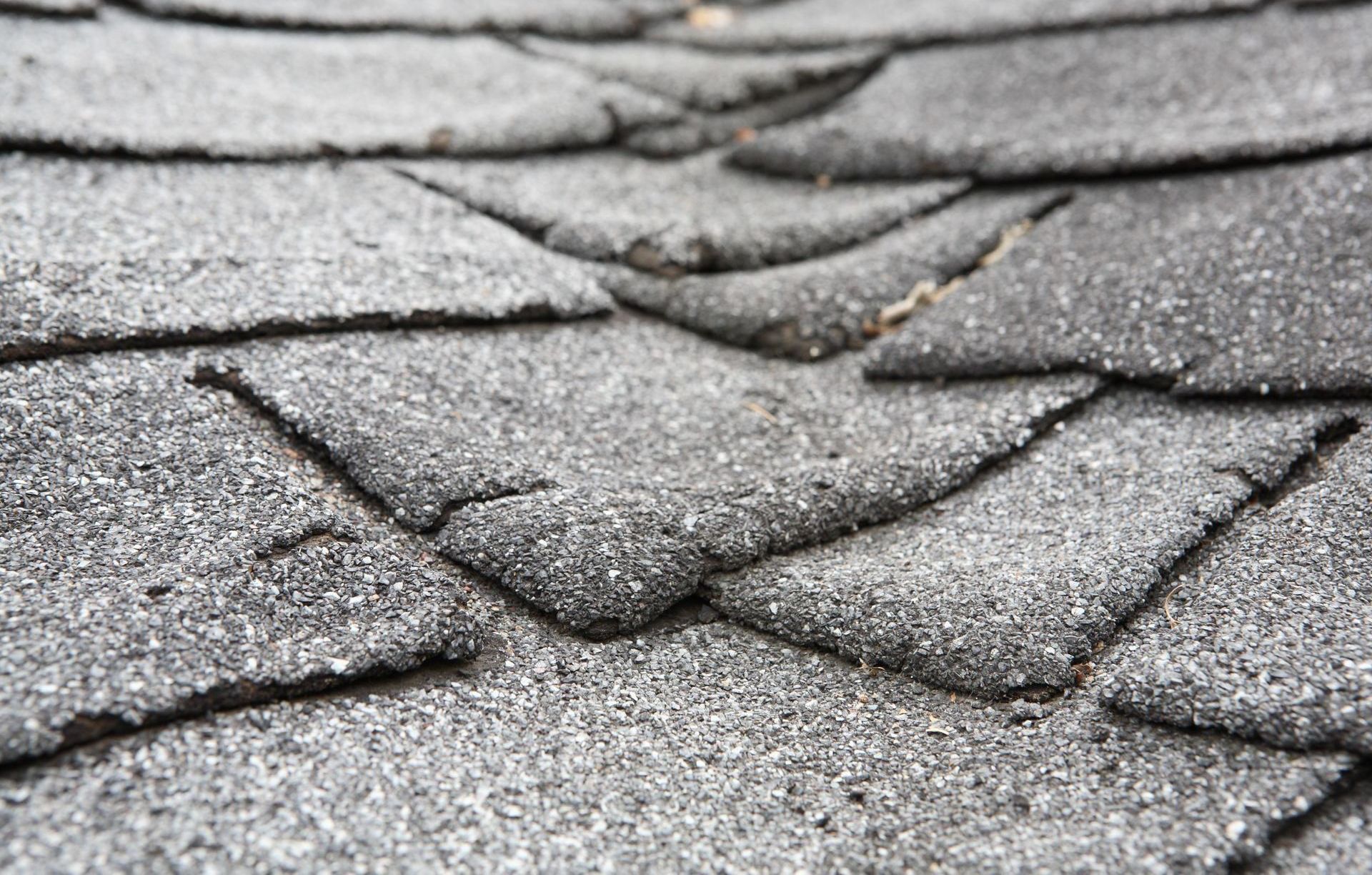
Wind-Driven Rain Beneath Ridge Caps and Gable-Edge Shingles
Air moving across the bay can strike a roof edge and create suction over the upper slope. Ridge caps and rake shingles take that load at their exposed ends. A cap may loosen around an old nail or a gable tab may crease without disappearing. Once the seal breaks, rain can be pushed under the edge and follow the roof deck toward the attic.
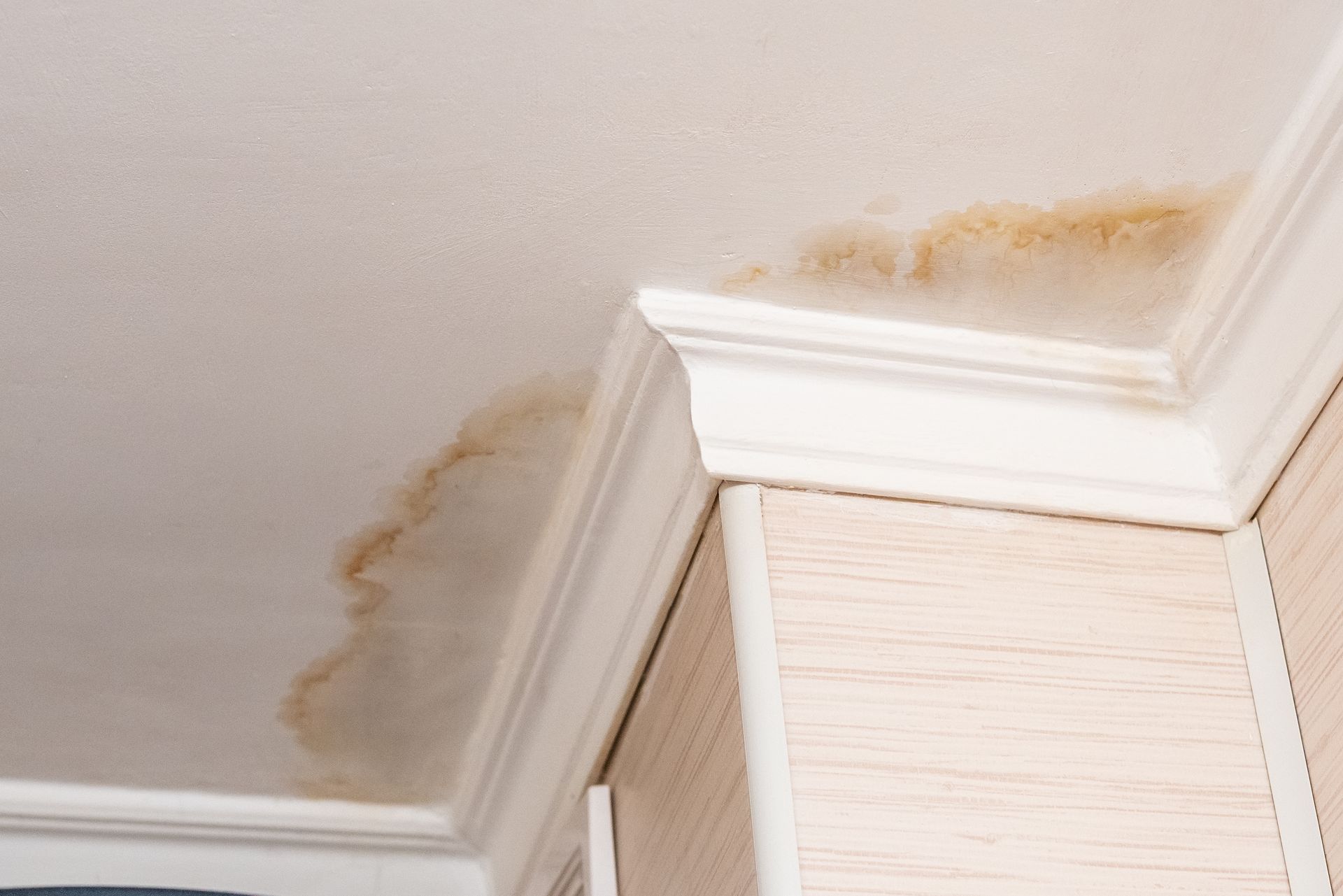
Cracked Vent Boots and Loose Storm Collars in Damp Weather
Plumbing boots and metal vent collars expand, contract, and remain exposed around every penetration. Rubber hardens and splits, while old screws or nails lose their seal. Water then follows the pipe into the attic, sometimes dripping far below the opening. Replacing the boot or collar and rebuilding the surrounding shingle courses is more dependable than stacking sealant around the pipe.
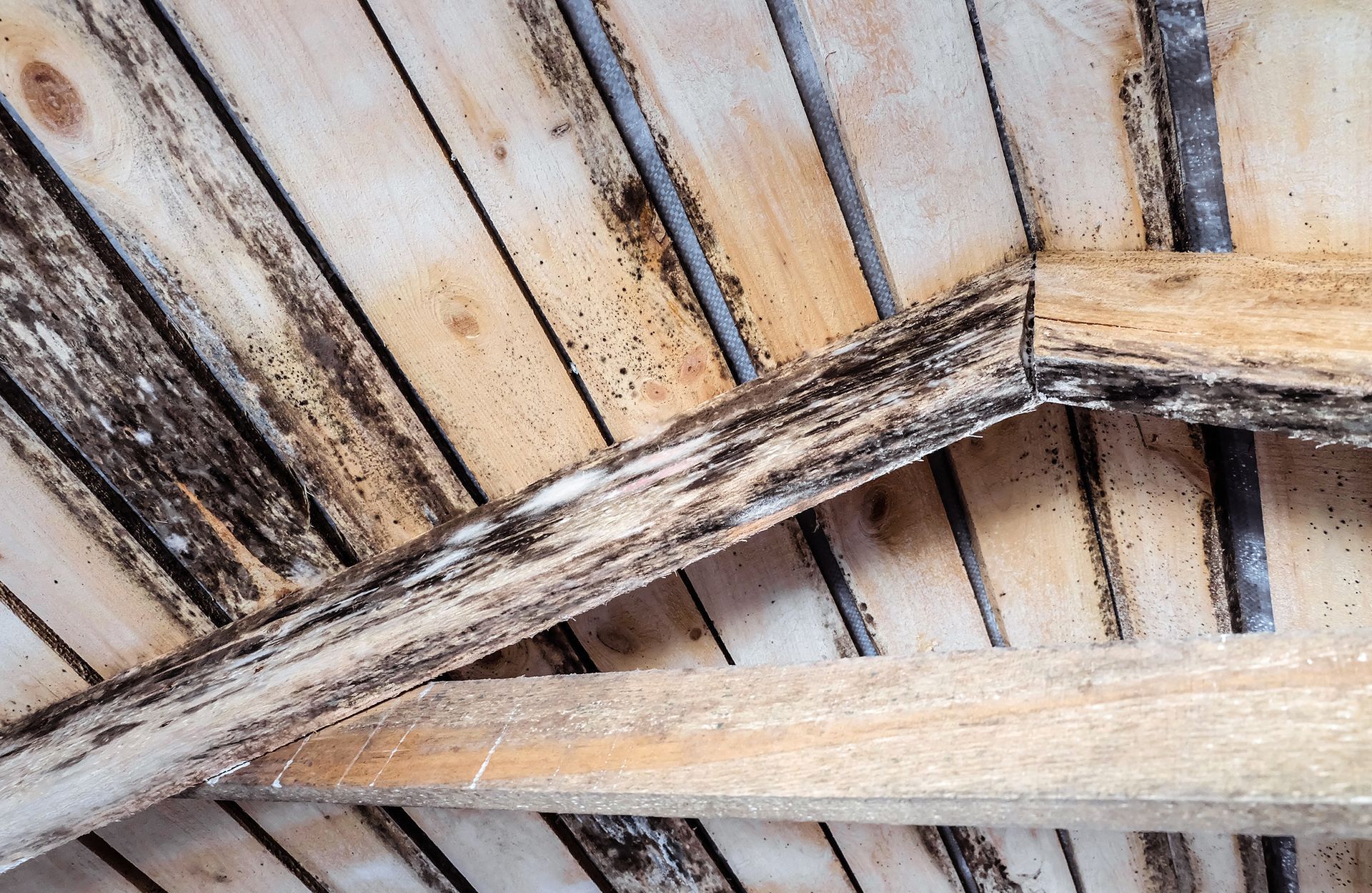
Eave Leaks From Gutter Overflow and Short Roof-Edge Metal
Needles and leaves can fill a gutter until runoff rolls behind it. If the drip edge or gutter apron is short, bent, or missing, water reaches the fascia and the outer deck instead of dropping into the trough. The homeowner may notice a wet soffit or stain at the top of an exterior wall. Repair requires correcting the water path at the edge, not just repainting the trim.
Porch-Roof and Addition Transitions on Older Bungalows
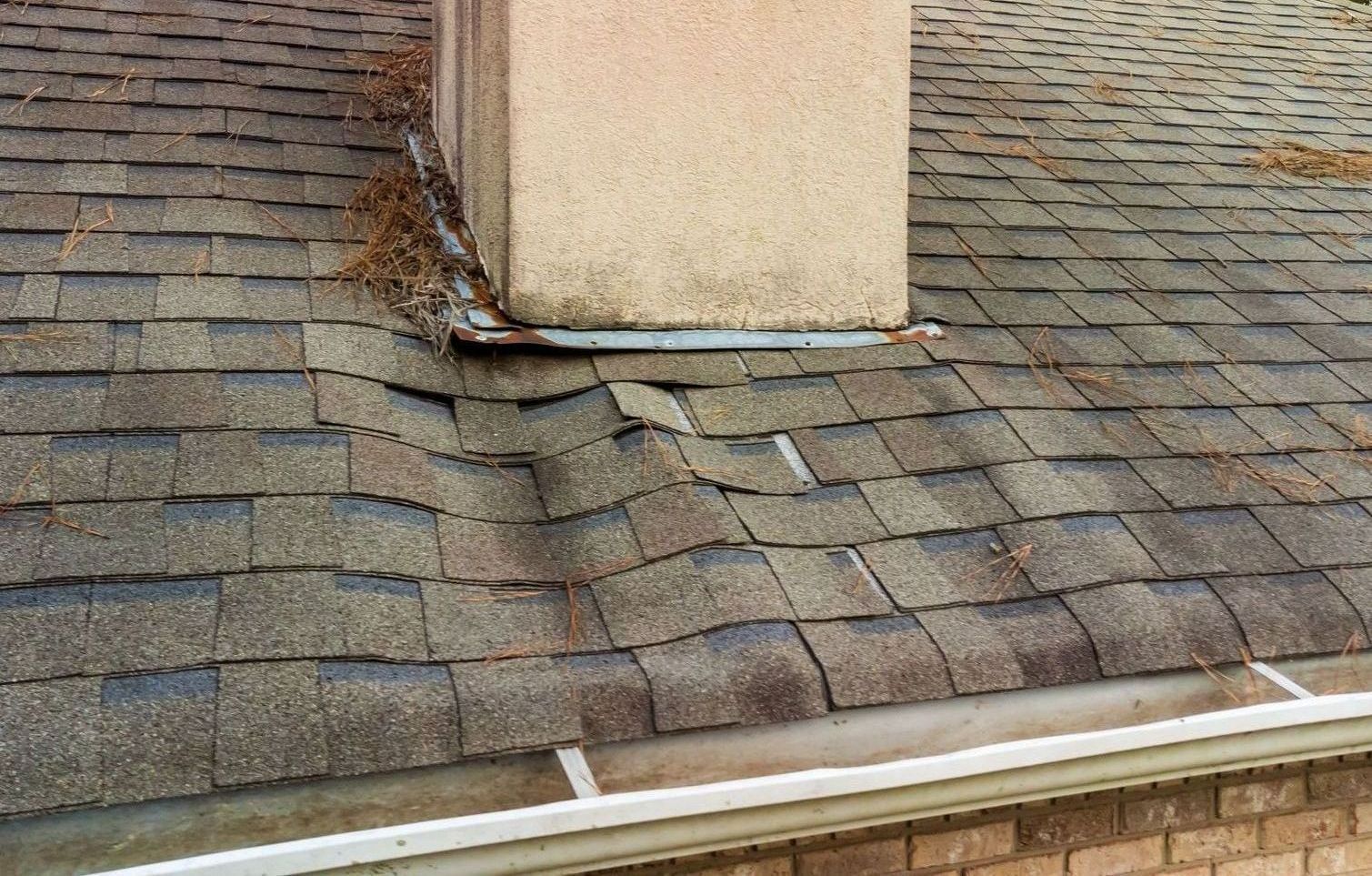
Many established North Bend homes have covered entries, enclosed porches, or rear additions built at a lower pitch than the main roof. These joints are vulnerable when shingles extend onto a slope that needs membrane roofing, or when the transition metal was installed with too little overlap. Water can enter across several feet of the joint and show up at the wall below.
Loose Chimney Flashing and Exposed Metal Fasteners
Chimney counter-flashing, roof jacks, and older metal repairs often contain exposed fasteners from previous work. Sealant around those heads eventually cracks, and metal can shift as the roof moves through wet and dry cycles. We check the flashing beneath the surface patch and refasten or replace the assembly so water is directed over the roofing.
How to Know Whether a North Bend, OR Roof Is a Good Repair Candidate
The Leak Changes With Wind Direction or Comes From One Roof Edge
A problem that appears only during rain from the bay side, or beneath one gable, ridge, vent, or eave, usually gives us a defined repair zone. We compare the interior mark with the roof layout and storm direction. When other slopes remain dry and the roof field is stable, correcting the exposed detail can restore the system without a larger tear-off.
The Roof Edge and Sheathing Still Hold Fasteners Securely
Edge leaks deserve a close look at the wood below. We inspect the attic where possible, probe accessible sheathing, and check fascia or soffit damage from outside. Firm wood with a narrow wet area can often be cut back and rebuilt locally. Soft decking that continues along a long eave or across several framing bays requires a broader plan.
The Surrounding Shingle Seals Are Intact Outside the Damage
A repair depends on the roof around it. Shingles should lift without tearing, lie flat after the work, and retain enough surface to seal. If the bay-facing slope has widespread creases, exposed mat, loose granules, or tabs that no longer bond, installing a new edge detail into that field may not deliver the service life the homeowner expects.
How Outlaw Roofing Approaches North Bend, OR Roof Repairs

Step 1 - Record the Storm Pattern and Trace the Interior Moisture
We begin with the homeowner's observations: which room was affected, whether the wind was noticeable, and whether the problem started at a wall, ceiling, soffit, or pipe. Attic access, when available, helps us follow the water uphill and distinguish a roof opening from indoor condensation.
Step 2 - Inspect the Perimeter Before Moving Into the Roof Field
The crew checks eaves, gutter aprons, rakes, ridge caps, vents, porch joints, and wall transitions before focusing on the center of the slope. On a bay-influenced roof, the perimeter often explains a leak that a quick ground-level shingle check would miss.
Step 3 - Write the Repair Boundary and Hidden-Damage Procedure
The estimate describes the component to be removed, the new layers to be installed, access and cleanup, and the method for handling concealed wood. If the exact deck condition cannot be seen until the edge or flashing is opened, the approval process is stated before work begins.
Step 4 - Confirm Jurisdiction and Install the Assembly in Sequence
When structural work requires review, we check the applicable City of North Bend or Coos County requirements. During installation, damaged material is removed to a solid base, underlayment and metal are lapped from low to high, and shingles or membrane are integrated so each layer sheds water onto the next.
Step 5 - Check the Edge, Clean the Site, and Deliver Photo Records
The final review confirms that runoff enters the gutter, ridge and gable pieces are secure, penetrations are sealed by their flashing, and no exposed debris remains. Photos of the opened area and finished repair give the homeowner a clear record of the work.
North Bend, OR Roof Repair Components Built for Bay Exposure
One-Piece Vent Boots, Correct Storm Collars, and Covered Fasteners
Penetration repairs start with a component sized for the pipe or vent, not a universal cover forced into place. The flange is integrated beneath the upper courses and over the lower course, while fasteners are placed and covered according to the product design. Correct storm collars keep water from following metal pipes into the roof opening.
Eave Membrane, Drip Edge, and Gutter Apron That Work Together
At the roof edge, each layer has a job. Underlayment protects the deck, formed edge metal directs water clear of the fascia, and the gutter apron carries runoff into the trough. Where the existing assembly is short or deteriorated, we open enough of the lower courses to restore that sequence instead of sealing the gutter to rotted trim.
Wind-Secure Ridge, Rake, and Transition Materials
Ridge caps and gable-edge shingles are fastened through sound decking with the pattern required for the selected product. At porch and addition joints, we use the membrane or metal detail appropriate to the actual slope. Corrosion-resistant hardware and compatible sealants support the assembly without becoming the primary weather barrier.
When North Bend, OR Roof Damage Has Moved Beyond a Focused Repair
Widespread Seal Failure Across the Bay-Facing Roof Plane
A few loose tabs can be replaced. A full slope with creased shingles at the ridge, rakes, and field courses has lost the continuous bond that keeps wind-driven rain out. Repairing scattered pieces leaves the same aged seals between them. When damage is broad, replacing the affected plane or the full roof can be more reliable than repeating spot work after every storm.
Repeated Edge Patches With Soft Fascia and Decking Beneath Them
Layers of roof cement around an eave or porch joint often indicate a leak that was never opened. If the fascia, outer sheathing, and framing have stayed wet, the project becomes a rebuild of the edge rather than another surface repair. The roofing must be removed far enough to replace unsound wood and create a continuous drainage assembly.
Why North Bend's Bay-Side Geography Creates Distinct Roof Repair Patterns
A Virginia Avenue Bungalow: How Wind Pushed Rain Into a Porch Transition
Imagine an older bungalow a few blocks from Virginia Avenue with a covered front porch tied into the main roof. During normal rain, the house stays dry. When a strong storm crosses the bay, water appears at the top corner of the entry wall. The attic above the main house is dry, but the porch ceiling shows a narrow wet line at the pitch change. Wind has lifted the first shingle course just enough to expose a transition with no continuous membrane beneath it. Roof cement applied years earlier has cracked along the edge. The proper repair removes the patched courses, replaces any softened deck, installs a continuous low-slope transition membrane, and rebuilds the main-roof tie-in so water cannot be forced backward beneath the shingles.
How Wind Pressure and Slow Drying Work Together at Roof Edges
Wind creates pressure on one side of a house and suction on the other, concentrating movement at gables, ridges, and eaves. A small opening can admit rain during one storm direction even though the roof passes ordinary rainfall. Afterward, cool humid air and limited sun can slow drying at the edge. Repeated cycles keep wood damp long enough for fastener holes to enlarge and trim to deteriorate
North Bend Housing Types and Their Typical Roof Repair Needs
The local housing stock ranges from older homes around downtown and Mingus Park to postwar cottages and ranches in the Empire area, plus hillside properties and newer infill around Eastside and other growing residential pockets. Ocean Boulevard, Newmark Avenue, and the routes connecting these areas pass through neighborhoods with very different tree cover, slope, and exposure.
Older urban homes may have tall chimneys, narrow valleys, and several remodel phases. Empire properties can combine open wind exposure with low porch roofs and additions. Hillside and Eastside homes often require closer attention to access, runoff direction, and tree debris. The same ceiling stain can therefore lead to very different repair details depending on the house and lot.
Why North Bend, OR Homeowners Call Outlaw Roofing for Repairs
✓ Perimeter-Focused Inspections for Wind and Drainage Problems
We inspect the path from ridge to gutter, with extra attention to gables, eaves, rakes, and transitions. That approach catches the failed apron, loose cap, or porch tie-in that can be overlooked when an inspection focuses only on the middle of the shingle field.
✓ Work Backed by an Oregon-Licensed Roofing Contractor
Outlaw Roofing operates under CCB#236299. The registration can be checked through Oregon's contractor database, and every approved repair is tied to a written agreement. Licensing and documentation provide a level of accountability that an informal patch with no business record cannot offer.
✓ Clear Contingencies Before the Crew Opens an Eave or Transition
Roof edges and old porch joints can conceal wood damage. Our estimate explains the visible repair, identifies what may be discovered below, and states how photographs and written approval will be handled if the scope changes. The homeowner sees the decision before additional material is installed.
✓ Coordination With the Correct Local Building Office When Needed
A small vent or shingle repair is different from replacing structural decking or framing. When the verified scope requires a permit or inspection, we determine whether the City of North Bend or another jurisdiction applies and coordinate the roofing portion of that process.
✓ Detailed Cleanup and a Closeout Record You Can Keep
We protect the work area, collect removed shingles and metal, check the ground for fasteners, and photograph the completed detail. The closeout record shows what was corrected without asking the homeowner to climb a ladder or rely on a verbal description.
Planning Ranges for Roof Repair in North Bend, OR
The final cost depends on roof height and pitch, safe access, the amount of edge or transition that must be opened, material matching, and whether the deck or fascia is damaged. These ranges describe common repair categories and are confirmed only after inspection.
Plumbing Boot, Roof Jack, or Metal Vent Repair
$395 to $775. Replacing a standard boot with sound surrounding shingles is usually near the lower end. Tall vents, custom storm collars, brittle courses, or damaged sheathing around the opening require more material and a wider tie-in.
Eave, Drip Edge, or Gutter-Apron Reconstruction
$450 to $1,200. A short section with firm fascia may need new edge metal and lower shingle courses. Longer runs, rotted fascia, soft roof decking, or gutter removal can move the work toward the upper range.
Porch Roof or Low-Slope Transition Repair
$650 to $1,500. A limited membrane and flashing correction may be completed within one work area. Costs rise when old patches cover the joint, several feet of deck are wet, or the porch surface needs a proper low-slope roofing material instead of shingles.
Ridge Cap, Rake, or Wind-Damaged Shingle Section
$325 to $850. A few matching caps or gable tabs can often be replaced efficiently. Steep setup, multiple creased courses, damaged edge metal, or discontinued shingles can require a broader section and additional labor.
What Skilled Roofers Check During a North Bend, OR Repair Visit
The Full Eave Path From Shingle Edge to Soffit
When staining appears near an exterior wall, we inspect the lower shingle course, underlayment, drip edge, gutter apron, fascia, soffit, and outer deck. Water can bypass one short metal edge and travel behind several finished surfaces. Treating only the ceiling mark or gutter seam leaves the roof path unchanged.
Ridge Vents, Gable Seals, and Crease Patterns After Wind
A ridge vent can loosen at its fasteners or crack beneath the cap shingles, while gable tabs can break their seals and settle back down. We check alignment, fastening, cap condition, exposed nail heads, and creases on the roof face. These signs show whether the leak is one damaged section or part of a wider wind problem.
How Long North Bend, OR Roof Repairs Should Remain Serviceable
Drainage and Ventilation Help New Materials Perform
A repair lasts when water leaves the roof quickly and the underside can dry. Secure edge metal, open gutters, solid decking, and appropriate attic ventilation all support the repaired area. A new flashing component cannot compensate for standing debris, chronic gutter overflow, or heavy indoor moisture that continues to wet the assembly.
A New Repair Does Not Reset the Age of the Existing Roof
The installed component may have a long expected life, but the surrounding roof continues to age. We explain whether the repair should remain in place during a future replacement and what signs to watch on adjacent shingles. That lets the homeowner solve today's leak without confusing a component warranty with a guarantee for every older part of the roof.
Quick Answers - North Bend, OR Roof Repair
What are common roof repair price ranges in North Bend, OR?
Typical planning ranges are $395 to $775 for a vent penetration, $450 to $1,200 for an eave or gutter-apron rebuild, $650 to $1,500 for a porch or low-slope transition, and $325 to $850 for a limited ridge, rake, or storm-damaged shingle section.
Do I need a permit for a North Bend roof repair?
Many isolated component repairs are treated as maintenance, but structural decking, framing, or a material change to the roof assembly may require local review. We check the applicable jurisdiction for the confirmed scope rather than applying one rule to every repair.
Why does my roof leak only when rain is blowing sideways?
Wind can lift a loose edge and push water behind laps that shed normal downward rain. Gable shingles, ridge caps, wall flashing, and porch transitions are common sources. The direction of the storm helps identify which side of the assembly should be examined first.
Can an eave leak be fixed without removing the whole roof?
Usually, when the damage is limited. The lower courses can be opened, unsound edge wood replaced, and underlayment and metal rebuilt into the existing roof. A broader scope is needed when softness continues along a long run or the surrounding shingles cannot be lifted intact.
How much time should I allow for a North Bend roof repair?
A vent boot or short ridge section may be completed in a few hours. Eave reconstruction and porch transitions often require a full day because trim, gutters, membrane, and several roofing layers may be involved. Weather and concealed wood can add time.
Frequently Asked Questions - Residential Roof Repair in North Bend, OR
Can foggy mornings cause water spots even when the roof is not leaking?
They can contribute to attic condensation when warm indoor air reaches cold sheathing or metal fasteners. Condensation usually appears broadly rather than along one rain-driven track. We check ventilation, exhaust ducts, insulation, and exterior roof details before assigning the stain to either cause.
Can a damaged ridge vent be repaired instead of replaced across the whole roof?
Yes, when the failure is limited and compatible vent material is available. The affected cap shingles and vent section can be removed, the deck checked, and a new section tied into sound neighboring material. Widespread cracking or poor original installation may justify replacing the full ridge run.
Will a roof repair also correct attic ventilation problems?
Only when ventilation work is included in the written scope. A repair may reveal blocked intake, disconnected exhaust ducts, or an undersized ridge opening. We document those conditions and explain the options separately so roofing and ventilation responsibilities remain clear.
How do you protect siding, decks, and driveways during a small repair?
We plan ladder placement and material staging before work starts, cover vulnerable surfaces as needed, control removed shingles and metal, and clean the ground afterward. Tight lots may require additional setup, which is discussed during the estimate.
What if the chimney looks wet but the flashing is not the source?
Masonry can absorb water through a cracked cap, open mortar, or the chimney itself, while roof flashing remains intact. We inspect the roof-to-chimney connection and note visible masonry concerns. Chimney rebuilding or cap work outside the roofing scope may require the appropriate trade.
Should wet fascia or soffit be replaced during the roof repair?
Material that is soft, delaminated, or unable to hold fasteners should be replaced so the repaired edge has a solid base. Stained but firm trim may be able to dry and receive finish work later. The crew documents the condition before expanding the scope.
Can Outlaw Roofing repair a localized leak on a residential metal roof?
Yes, some metal-roof leaks can be corrected at a penetration, flashing transition, open seam, or fastener detail. The repair method depends on the panel profile, coating, attachment system, and access to the substrate. A field inspection determines whether a localized fix is appropriate.
How soon after a North Bend windstorm should the roof be checked?
Arrange an inspection promptly if you see lifted caps, loose metal, gutter damage, shingle pieces on the ground, damp soffits, or a new interior mark. Stay off the roof; photos from the ground and a description of the storm direction are useful and safer.
Residential Roofing Services for North Bend, OR Properties
Localized Roof Leak and Storm Repair
Repair of vents, eaves, ridge caps, gable edges, porch transitions, flashing, and limited shingle damage on North Bend homes with a serviceable surrounding roof. Written estimate and completion documentation provided. CCB#236299.
Residential Roofing Contractor Assessment
For roofs with several aging areas or an uncertain moisture source, our residential roofing service covers full-system evaluation of shingles, metal, drainage, ventilation, penetrations, and deck condition.
Complete Residential Roof Replacement
When bay-facing slopes have broad seal failure, repeated edge leaks, or decking damage that makes local work unreliable, Outlaw Roofing provides complete replacement options for bungalows, ranch homes, additions, and newer residences. CCB#236299. URL: /residential-roof-replacement
Coastal Residential Metal Roof Systems
Custom metal roofing can be detailed with concealed seams, formed transitions, and corrosion-conscious components for North Bend exposure. The right panel, underlayment, ventilation, and attachment design are selected as a complete system rather than as a surface-only upgrade.

Arrange Your North Bend, OR Roof Repair Estimate Today
A roof does not have to be missing shingles to let water in. Bay wind can open a ridge, gable, eave, vent, or porch transition just enough to wet the structure below. Outlaw Roofing starts by tracing the interior evidence, checking the perimeter, and confirming whether the existing roof can accept a permanent repair. The written plan explains the materials, access, repair boundary, and process for hidden wood before approved work begins. Taking care of a small edge or transition problem now can prevent damage from spreading through the deck, fascia, soffit, and interior wall during the next wind-driven storm.
Call (541) 275-6189 or visit outlawroofing.net to arrange a North Bend, OR roof repair inspection.