Residential Roof Repair in Lithia Park, OR
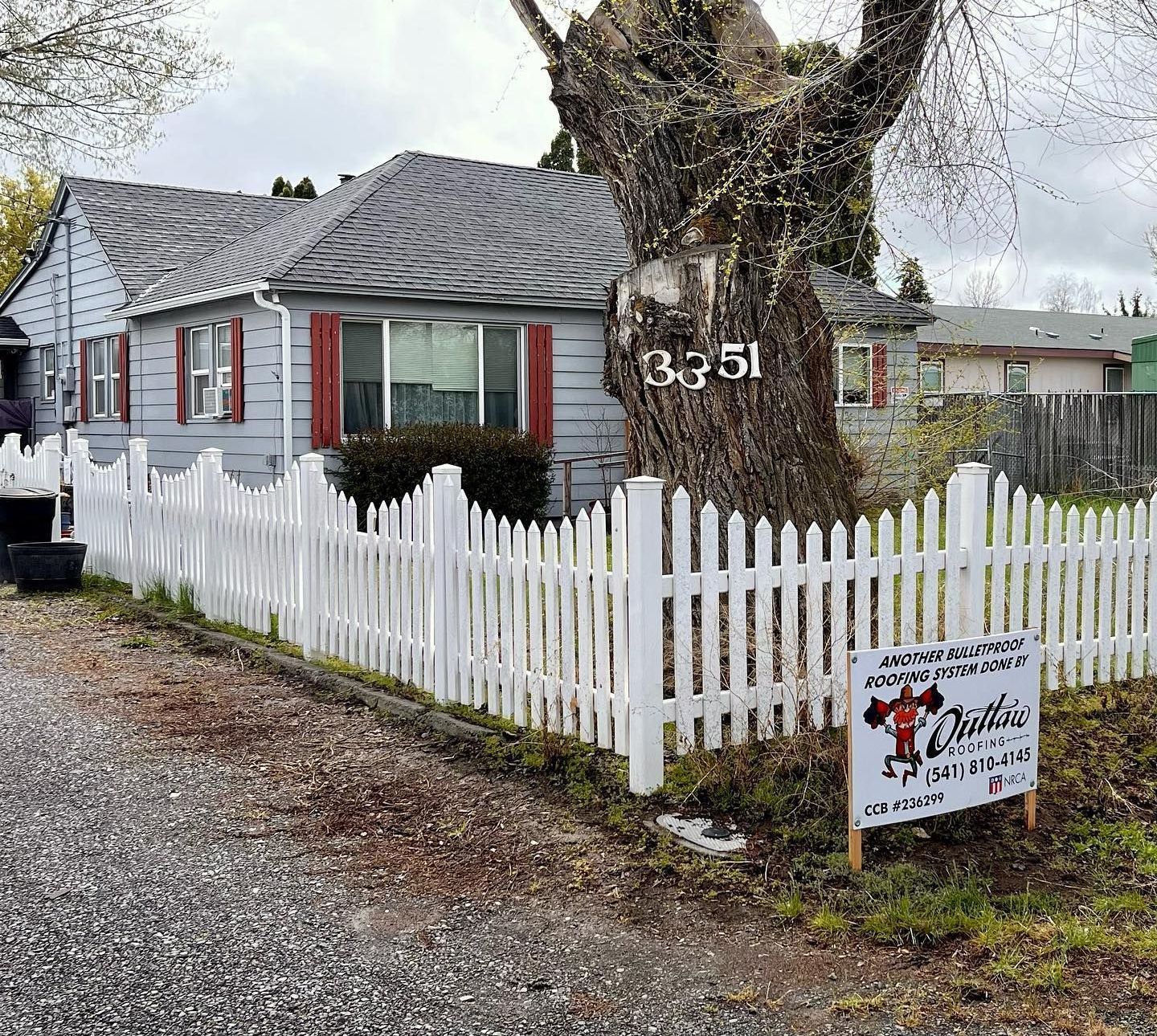
Roof Repair in Lithia Park, OR: Why Steep Ashland Creek Watershed Lots Along Granite Street and Glenview Drive Concentrate Storm Runoff at Eave Edges and Valleys That Standard Residential Flashing Was Not Designed to Handle
Lithia Park is named for the 93-acre canyon park along Ashland Creek that defines the south end of downtown Ashland. The neighborhood that surrounds the park occupies the steep hillside terrain on both sides of the creek canyon, with residential lots along Granite Street climbing uphill from the park's southern reservoir and lots along Glenview Drive descending from the ridgeline on the canyon's east face. The homes on these steep creek-adjacent lots are some of the most valued residential properties in Ashland, with Victorian and Craftsman architecture going back to the early 1900s and canyon views that draw buyers at premium price points.
What the canyon topography gives in character and views, it imposes in hydrology. The Ashland Creek watershed above the park delivers concentrated storm runoff during Rogue Valley winter rain events through the canyon corridor, and the hillside lots along Granite Street and Glenview Drive sit within the drainage catchment that channels that runoff across their surfaces and across the rooflines of the homes built on them. A steep-lot home on Granite Street above the park's lower reservoir sits on a slope where surface water from the hillside above it arrives at the uphill eave edge during concentrated rain events before being channeled by the roofline across the surface and off the downhill eave. The volume of water that eave edge handles during a Rogue Valley winter event bears no relationship to what the same eave edge specification would handle on a flat-lot property in the Ashland valley floor.
Our team, veteran-owned and operating under Oregon CCB license #236299, assess every Lithia Park repair property with the lot slope orientation and uphill catchment area documented before any eave or valley flashing scope is developed. City of Ashland Building Division permit at 51 Winburn Way, Ashland, OR 97520, phone (541) 488-5305, filed where required before any repair work begins. GAF, IKO, CertainTeed, WeatherBond, and PolyGlass certified. GreenSky financing available. Military discount for veterans and active service members. Call (541) 275-6189.
The Repair Conditions Lithia Park Properties Along Granite Street and Glenview Drive Produce


Uphill Catchment Overload at the Uphill Eave Edge on Steep Canyon Lots
The steep-lot homes on Granite Street above the park and on Glenview Drive along the canyon's east face occupy positions in the Ashland Creek watershed where hillside runoff from the terrain above each property arrives at the uphill face of the structure during winter rain events. That runoff reaches the uphill eave edge of the home as a concentrated sheet flow rather than as the distributed precipitation load that the drip edge and eave flashing at that location was sized to handle. A drip edge specified for the standard rainfall catchment area of the roof surface above it is handling not only the roof catchment area but the hillside catchment area behind the structure as well, and the drainage volume at that eave edge during a Rogue Valley winter storm reflects both sources simultaneously.
The repair condition this produces is eave edge flashing damage and lower shingle course deterioration at the uphill face specifically, where the combined drainage volume has been working against the eave assembly over multiple wet seasons. The downhill eave edge of the same home may be in adequate condition because it handles only the standard roof catchment drainage. The uphill eave edge has been under elevated drainage volume exposure for the full service life of the current roof system, and its flashing, drip edge, and first-course shingles show deterioration patterns that reflect that elevated loading.
Valley Concentration at Roofline Intersections on Steep-Lot Complex Homes
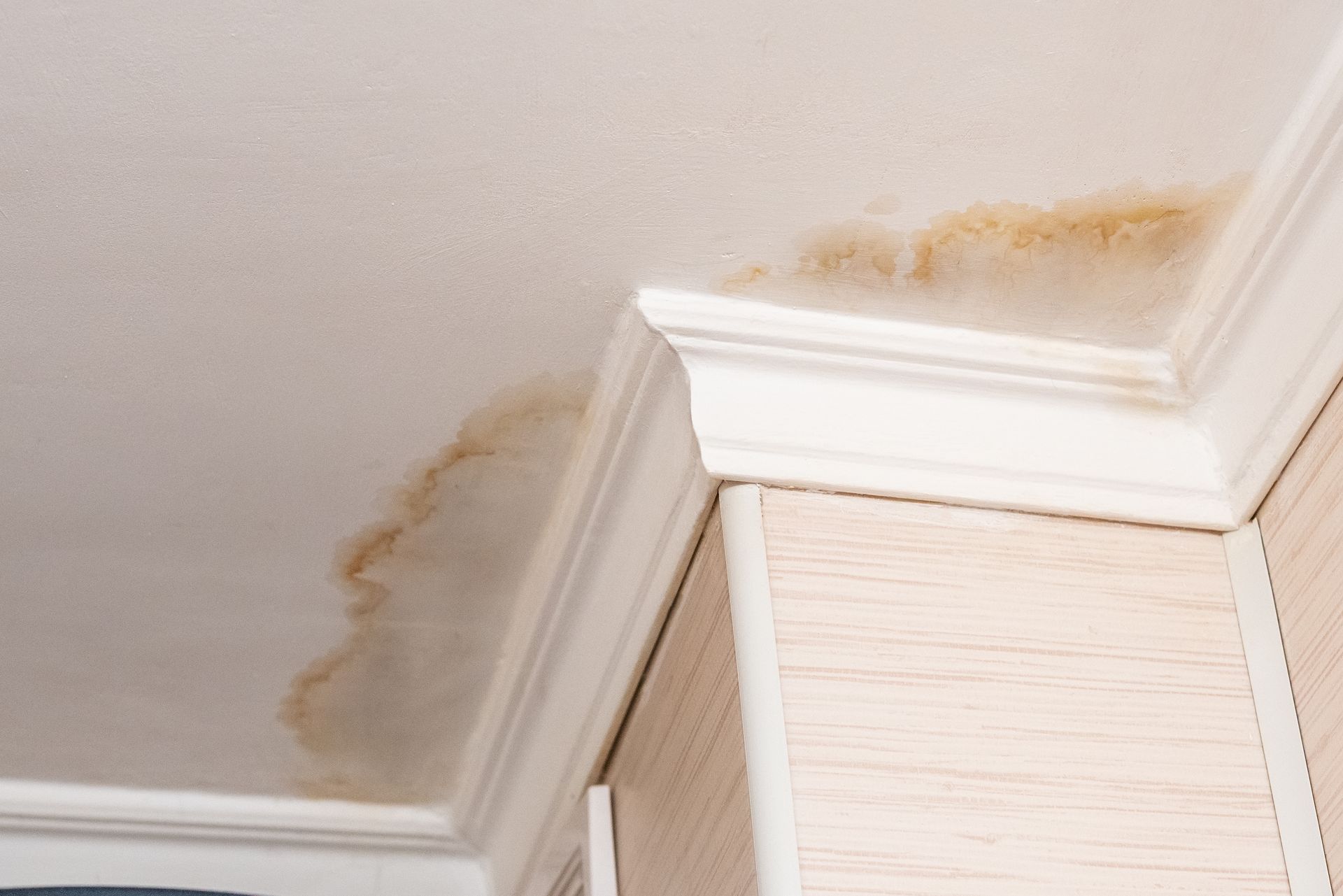
The older Victorian and Craftsman homes along Granite Street and on the Glenview Drive hillside carry the multi-plane rooflines that characterize their architectural era. Valley intersections on these rooflines collect drainage from the slopes above them and direct it to the valley terminus, where it exits the valley and lands on the lower roof section below. On a flat-lot home, that terminus drainage lands on the lower shingle surface at the volume produced by the two adjacent slopes above the valley. On a steep-lot Lithia Park home where the valley is also receiving runoff from the hillside terrain behind the structure, the valley terminus delivers drainage at a volume that combines slope drainage and hillside catchment simultaneously. Lower shingle courses at valley termini on steep-lot Lithia Park homes show accelerated deterioration at the landing zone compared to the same locations on flat-lot properties.
Historic Home Flashing Deterioration on Early Twentieth Century Creek-Adjacent Properties
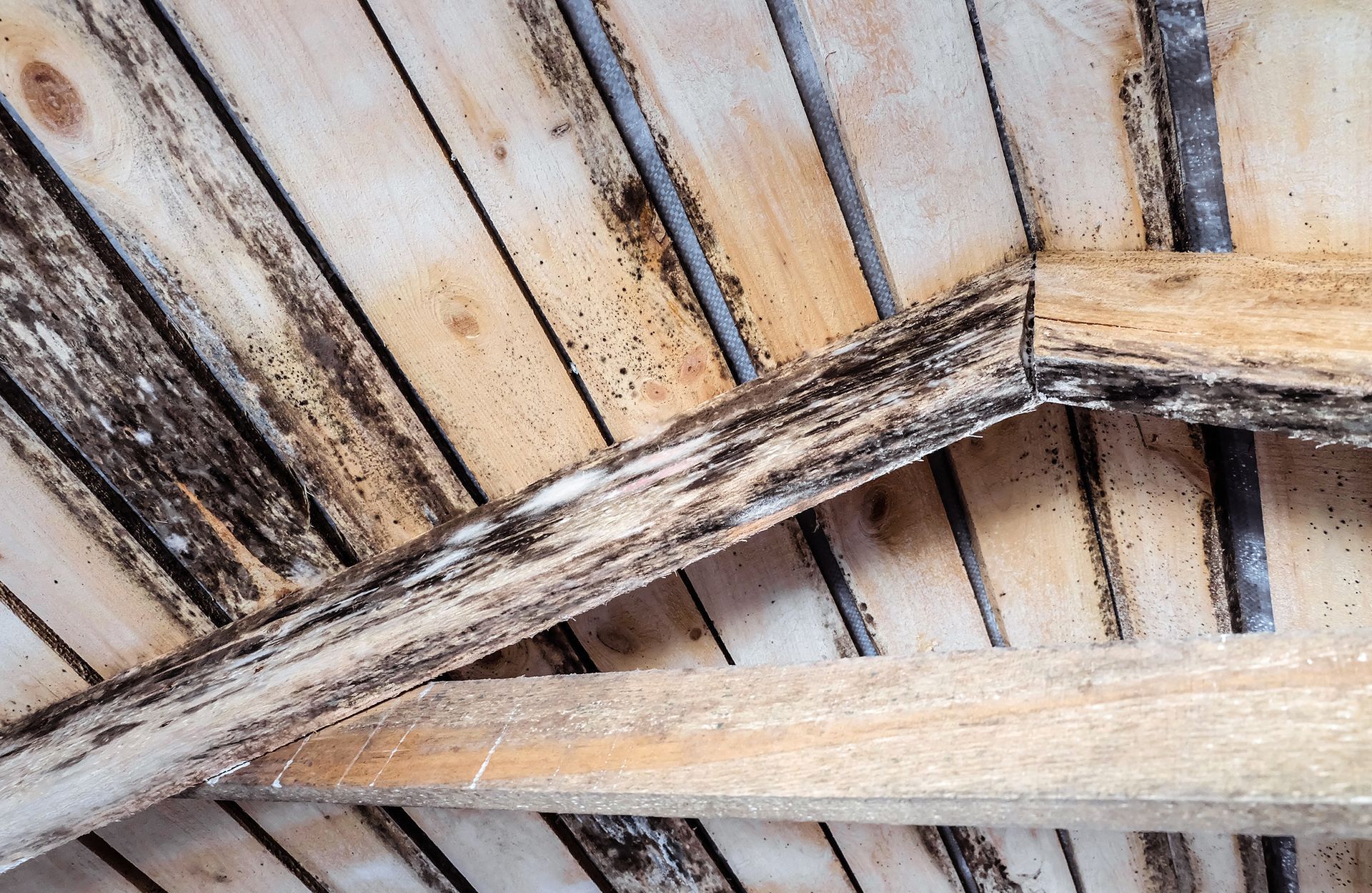
The oldest homes along Granite Street and in the Lithia Park neighborhood date to Ashland's early development period, with some structures on the historic register reaching back to the 1860s and 1880s. The chimney and wall flashing on these structures has been through multiple replacement cycles over their lifetimes, with each cycle bringing the surface to the standards of its era but not necessarily addressing the underlying condition of the masonry or the slope drainage geometry that concentrates water at these flashing locations. On steep-lot Lithia Park historic properties, chimney and dormer flashing failure is accelerated by the same hillside drainage concentration that accelerates eave edge and valley failure, because the concentrated flow reaching the flashing assembly at these locations carries more sustained contact time than flat-lot properties experience.
Moss and Biological Growth on the Creek Canyon Shaded North and West Slopes
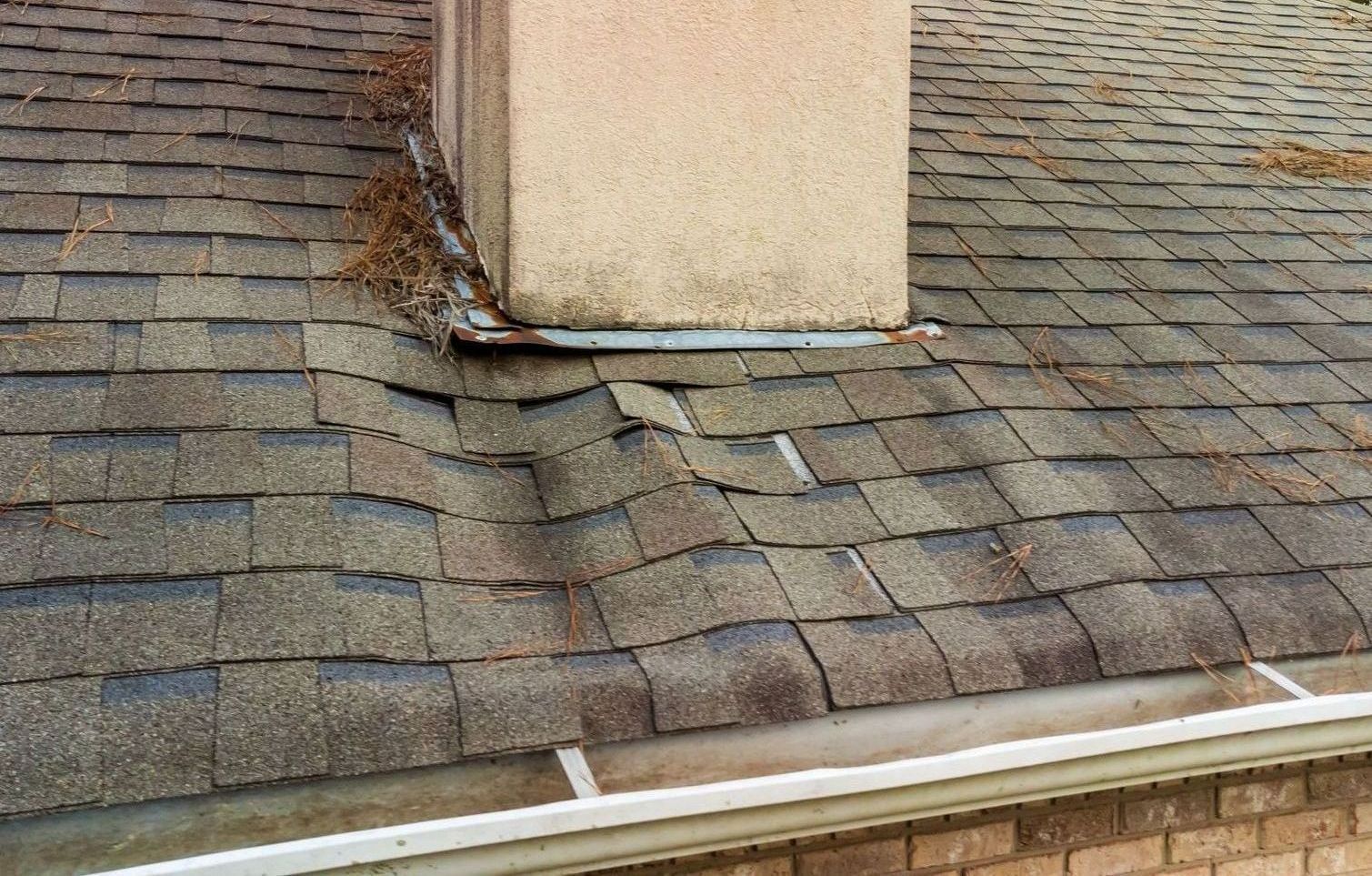
The forested canyon corridor of Lithia Park and the Douglas fir and sycamore canopy on the steep lots adjacent to the park keep the north and west-facing roof sections of creek-side homes in sustained shade through the Rogue Valley wet season. Combined with the elevated ambient humidity of the Ashland Creek corridor, those shaded surfaces carry accelerated moss and lichen establishment relative to the open-lot residential properties in the Ashland valley floor. The biological growth pattern on Lithia Park creek-adjacent north slopes is similar to the Croisan Hills pattern documented in the southern Salem Willamette Valley, with moss establishing within three to five years on untreated surfaces and building to treatment-level density within two wet seasons of establishment.
Reading Storm Runoff Damage on Lithia Park, OR Steep-Lot Properties
The Uphill Eave Condition Compared to the Downhill Eave on the Same Structure
The most reliable diagnostic indicator of runoff concentration damage on a steep-lot Lithia Park home is the condition differential between the uphill and downhill eave edges of the same structure. A property where the downhill eave edge is in adequate condition at the same age as the uphill eave edge, which shows lifted or deteriorated drip edge, damaged first-course shingles, or visible separation between the eave flashing and the fascia face, has demonstrated that the two eave edges are experiencing different drainage loads. The uphill eave is not aging faster because it is on the uphill face. It is aging faster because it is handling more water than the downhill face at the same pitch and catchment area.
Valley Terminus Lower Course Condition as a Concentration Indicator
On Lithia Park multi-plane historic homes with valley configurations, examining the shingle condition on the lower roof section at the valley terminus, the point where the valley drains onto the shingle surface below it, tells the inspector whether the valley has been delivering above-standard drainage volume to that landing zone. A landing zone where the first three shingle courses show granule loss and surface scoring consistent with sustained water impact, while the adjacent courses further from the terminus are in better condition at the same age, indicates concentrated valley outflow at that terminus location. Standard valley drainage on a flat-lot home does not produce that differential condition at the landing zone within the normal shingle service life.
Gutter Overflow and Fascia Damage as a Volume Indicator
On Lithia Park steep-lot homes where the uphill eave gutter system has been overwhelmed during concentrated storm events, the fascia board and soffit below the gutter shows staining and moisture damage at the overflow points. A gutter correctly sized for the standard roof catchment area of the slope above it may be undersized for the combined roof catchment and hillside catchment that arrives at the uphill eave edge during Rogue Valley winter storms. Fascia staining that appears at the gutter end cap locations or at the downspout inlet on the uphill eave, rather than uniformly along the gutter run, indicates that the gutter is managing to transport standard drainage but is being overwhelmed at the points where concentrated hillside flow arrives at the eave edge.
How Outlaw Roofing Inspects Lithia Park, OR Properties

Lot Slope and Uphill Catchment Assessment Before Any Eave or Valley Scope
Every Outlaw inspection on a Lithia Park repair property begins with an assessment of the lot topography, specifically documenting which eave edges are on the uphill face of the structure relative to the surrounding terrain, and what the uphill catchment area is between the structure and the next terrain feature that intercepts runoff before it reaches the lot. On Granite Street lots above the park reservoir, the uphill catchment is the hillside terrain between the structure and the road or the next property upslope. On Glenview Drive canyon-face lots, the uphill catchment is the canyon wall terrain above the structure. That catchment area, estimated in square feet and combined with the slope gradient, determines the approximate additional drainage volume that the uphill eave edges and uphill valleys have been handling beyond the standard roof catchment load.
Differential Eave Condition Assessment: Uphill vs Downhill at Every Eave
After the catchment assessment, Outlaw examines the condition of every eave edge on the property, comparing uphill and downhill eave conditions at the same age and the same roof section. Where uphill eave edges show greater deterioration than downhill eave edges on the same structure at the same age, the differential confirms runoff concentration loading as the accelerating factor at the uphill locations. The repair scope at those uphill eave edges is specified for the elevated drainage volume they will continue to experience, not for the standard drainage load that a flat-lot eave edge specification assumes.
Valley Terminus Landing Zone Assessment on Multi-Plane Historic Rooflines
On Lithia Park historic homes with valley configurations, Outlaw assesses the shingle condition at every valley terminus landing zone, specifically comparing the condition of the first three courses at the terminus against the adjacent courses at the same distance from the ridge on the same slope. Landing zones with disproportionate granule loss or surface scoring relative to adjacent same-age shingle courses have been under elevated drainage impact loading at the terminus. That landing zone condition shapes the repair specification for the valley section above it and the shingle courses below it.
City of Ashland Building Division Permit Where Required
Repair work meeting the City of Ashland permit threshold files with the Building Division at 51 Winburn Way, Ashland, OR 97520, phone (541) 488-5305. All Lithia Park neighborhood properties are within the Ashland city limits. Outlaw determines the permit requirement for every Lithia Park repair before any work is dispatched and files where required.
Materials Outlaw Specifies on Lithia Park, OR Steep-Lot Repair Projects
Wider-Width Drip Edge at Uphill Eave Edges Carrying Hillside Catchment Drainage
Drip edge replacement at uphill eave edges on Lithia Park steep-lot properties specifies wider-width aluminum drip edge rather than the standard residential drip edge width that a flat-lot property at the same pitch would use. The wider drip edge face extends the discharge point further from the fascia surface and reduces the backflow toward the fascia that occurs when standard-width drip edge is overwhelmed by the combined roof and hillside drainage volume arriving at the eave during concentrated storm events. On properties where the uphill eave gutter shows overflow history at the end caps and downspout inlet, wider-width drip edge is installed concurrently with the gutter system assessment.
Ice and Water Shield Extended Up the Slope at Uphill Eave Sections
Ice and water shield installation at uphill eave repairs on Lithia Park steep-lot homes extends further up the slope from the drip edge than the standard 24-inch past the interior wall line specification that flat-lot properties require. Where the combined drainage volume arriving at the uphill eave during concentrated Rogue Valley storm events has demonstrated the ability to back water under the lower shingle courses above the standard membrane coverage zone, the membrane is extended to cover the confirmed water travel distance above the eave edge plus an additional margin. Determining that extension distance requires examining the deck board moisture staining pattern above the prior eave edge section during repair, which tells the inspector how far water has been reaching above the eave before the current repair cycle.
Valley Metal With Extended Width at High-Volume Terminus Valleys
Valley metal replacement at Lithia Park steep-lot homes where valley terminus overloading has been confirmed specifies metal width one size above the standard width for the valley pitch and catchment area. The additional metal width provides more of the valley center that remains above the water surface during concentrated flow events, which is what keeps valley lap sealant protected from direct water contact during the highest-flow moments of a winter storm event. Standard valley metal sized for the slope catchment area alone is often insufficient for the combined slope and hillside catchment that steep-lot Lithia Park valleys handle during Rogue Valley storms.
Repair or Replacement for Lithia Park, OR Historic Properties
When Targeted Repair Addressing Runoff Concentration Is the Right Scope
A Lithia Park Granite Street home where the uphill eave flashing and first-course shingles have deteriorated under concentrated hillside drainage, the valley terminus landing zone shows granule loss at the impact zone, and the surrounding roof system has eight or more years of remaining service life on the sections not subject to the elevated drainage loading, is a repair situation. The repair addresses the specific failure locations with materials and specifications appropriate for the elevated drainage volume. The written findings document the catchment geometry so the homeowner understands why the uphill eave will require more frequent maintenance monitoring than the downhill eave on the same structure. See also: /residential-roofing-contractor-lithia-park-or
When Lithia Park Property Conditions Point Toward Replacement
A Lithia Park Glenview Drive home where the uphill eave deterioration extends across the majority of the uphill face, the valley terminus landing zones show granule depletion past UV protection on multiple valley sections, the shingle system is past 20 years under Rogue Valley watershed conditions, and the historic home's chimney flashing has been caulked through multiple maintenance cycles, presents a compound condition across multiple systems that replacement addresses more effectively than successive targeted repairs. See also: /residential-roof-replacement-lithia-park-or
Why the Ashland Creek Watershed Creates the Specific Repair Conditions Lithia Park Properties Experience
Lithia Park's position at the terminus of the Ashland Creek watershed places the surrounding residential lots within the drainage catchment of the creek's headwaters near Mount Ashland and the steep canyon terrain between the park and the mountain. The park itself has been catastrophically flooded twice in living memory, first in 1974 and again in 1997, with the watershed delivering flood volumes that damaged park infrastructure and downstream structures. The residential properties along Granite Street and Glenview Drive that border the park sit within the lateral drainage catchment that delivers surface runoff from the canyon walls and hillside terrain into the park corridor and across the adjacent lots during concentrated rain events.
The concentrated runoff that reaches a Lithia Park steep-lot home during a Rogue Valley winter storm is not the same as the runoff that reaches a flat-lot Ashland valley floor property during the same event. The valley floor property receives distributed precipitation loading across its flat lot surface, which drains by sheet flow to the street and into the storm system without concentrating significantly at any specific structure. The steep-lot canyon-adjacent property receives distributed precipitation across its roof plus concentrated hillside catchment drainage from the terrain above it, which arrives at the uphill eave edge and the uphill valley sections as a combined flow.
The Ashland Creek watershed also produces the high ambient humidity in the creek corridor that accelerates biological growth on north-facing surfaces of creek-adjacent properties and creates the elevated moisture loading that affects flashing assembly service life at chimney and wall transitions. Properties within one to two lots of the creek corridor experience this ambient humidity effect most directly during the wet season.
Lithia Park's Historic Housing Stock and What It Means for Repair
The residential properties surrounding Lithia Park represent some of Ashland's oldest and most historically significant housing stock. The 1905 homes on Granite Street, the Victorian-era structures overlooking the creek canyon, and the early Craftsman homes on the streets adjacent to the park carry the architectural character that defines the Lithia Park neighborhood. These homes were built for views and proximity to the canyon park that has been Ashland's social center since 1908, not for the hydraulic demands of their hillside lot positions.
The flashing assemblies on these historic structures have been replaced multiple times, with each replacement cycle bringing the surface condition to the standards of its era. The underlying masonry at chimneys and the wall framing at dormer and wall transitions reflect the original construction, which means the flashing attachment geometry on a 1905 Lithia Park Granite Street home reflects where the chimney was originally placed relative to the roof slope, not where it would be placed under current roofline and drainage design standards. Flashing configurations that were adequate for normal precipitation loading in 1905 may not be adequate for the combined precipitation and hillside catchment loading that those same locations experience when the surrounding terrain delivers concentrated runoff during a significant Rogue Valley storm event.
A Recent Roof Repair in Lithia Park, OR: What the Catchment Assessment Revealed
Last spring Outlaw completed a repair assessment on a 1912 Craftsman home on Granite Street in the Lithia Park neighborhood, on a steep lot above the park's lower reservoir. The homeowner called about recurring damage to the first-course shingles at the uphill eave edge, where two prior repairs in five years had replaced damaged shingles without addressing why those specific courses were deteriorating faster than the rest of the system.
The Outlaw inspection began with the lot topography. The property sat on a lot with roughly 15 percent slope toward the creek, with the terrain behind the structure rising an additional 25 feet before reaching the Granite Street roadbed above. Stormwater from the road surface and the hillside above drained across the lot toward the structure's uphill face during every significant rain event, arriving at the uphill eave edge as a concentrated sheet before the roof surface drainage above it added to that volume.
The uphill eave edge showed drip edge separation from the fascia face at two points along its length, first-course shingles with granule loss and surface scoring at the center of the eave where the combined drainage arrived, and moisture staining on the fascia face below the drip edge separation points. The downhill eave edge on the same structure, handling only the standard roof slope drainage, was in sound condition without any comparable damage at the same age. The valley on the uphill slope showed landing zone granule loss at the terminus, consistent with elevated drainage volume from the same hillside catchment.
Outlaw's scope: uphill eave first-course shingle replacement, wider-width aluminum drip edge at the full uphill eave length, ice and water shield extending 36 inches up the slope from the new drip edge, and valley metal replacement at the uphill valley with one-size-wider metal than the standard specification for that pitch and catchment area. The downhill eave and valley were assessed and confirmed at adequate condition. City of Ashland Building Division permit filed for this scope. Total: $2,400. The two prior repairs had replaced the first-course shingles without addressing the drip edge, the membrane, or the valley specification, and had not documented the catchment geometry that was the driver of the accelerated deterioration.
Why Lithia Park, OR Homeowners Choose Outlaw Roofing for Creek-Adjacent Property Repairs
✓ Veteran-Owned With Steep-Lot Catchment Assessment as a Standard Inspection Step
Riley assess the lot slope and uphill catchment geometry on every Lithia Park repair property before any eave or valley scope is developed, because a repair specification written without that context produces a repair that is correctly executed for a flat-lot property and undersized for the drainage volume it will actually face on a steep creek-adjacent canyon lot.
✓ CCB#236299 — Oregon License Verifiable at oregon.gov/ccb
Search CCB#236299 at oregon.gov/ccb before authorizing any repair work on a Lithia Park property. The license is current and covers all roofing work in Jackson County including all Ashland city limits properties.
✓ Written Proposal That Documents Catchment Geometry Before Specifying Materials
An Outlaw repair proposal on a Lithia Park steep-lot property documents the lot slope orientation, the uphill catchment area estimate, and the resulting drainage volume differential between uphill and downhill eave edges before any material specification is presented. The homeowner understands why the uphill eave specification differs from the downhill eave specification on the same structure.
✓ City of Ashland Building Division Permit Filed Where Required
Repair work meeting the City of Ashland permit threshold files with the Building Division at 51 Winburn Way, Ashland, OR 97520, phone (541) 488-5305. Outlaw determines the permit requirement for every Lithia Park repair before any work begins and files where required.
What Roof Repair Costs in Lithia Park, OR by Repair Type
Uphill Eave Repair With Wider Drip Edge and Extended Membrane on Steep Canyon Lots: $1,200 to $2,600
First-course shingle replacement, wider-width drip edge installation, and ice and water shield extended up the slope at the uphill eave edge of a Lithia Park steep-lot home typically runs $1,200 to $2,600 depending on eave length, the number of shingle courses requiring replacement, and the membrane extension distance confirmed by deck board staining assessment. Properties with longer uphill eave lengths and greater membrane extension requirements run toward the upper end.
Valley Metal Replacement With Increased Width at High-Volume Terminus Valleys: $900 to $2,200
Valley metal replacement at a steep-lot Lithia Park valley where terminus overloading has been confirmed, including wider-than-standard metal specification, ice and water shield beneath the new metal, and shingle course replacement at the terminus landing zone, typically runs $900 to $2,200. The range reflects valley run length, the extent of landing zone shingle replacement required, and the width increase specified based on the estimated hillside catchment contribution.
Historic Chimney Flashing Repair on Granite Street and Glenview Drive Properties: $1,000 to $2,200
Chimney counter flashing reinstallation at a Lithia Park historic home chimney, including mortar joint repointing at the attachment course and step flashing replacement at all courses, typically runs $1,000 to $2,200. City of Ashland Building Division permit fees included as a separate line item. GreenSky financing available. Military discount for veterans.
What Experienced Inspectors Look for on Lithia Park, OR Repair Properties
The lot topography and uphill catchment assessment is the first step on every Lithia Park repair inspection. Before examining any roof surface, the inspector identifies the slope direction of the lot, estimates the uphill terrain area that delivers drainage to the structure, and maps which eave edges and valleys are on the uphill face of the structure relative to the surrounding terrain. That mapping drives every subsequent inspection priority.
The differential eave condition assessment follows. Every eave edge is examined, with uphill eave edges compared against downhill eave edges at the same age and the same structure. Uphill eave edges showing disproportionate deterioration relative to downhill edges confirm that the catchment assessment has identified the repair driver. The extent of deterioration at the uphill edges determines the repair scope, including how far up the slope the membrane extension needs to reach based on the deck board staining pattern.
Valley terminus landing zone assessment is the third priority on multi-plane historic Lithia Park homes. Every valley on the roofline is identified, the terminus landing zone on the lower section below each valley is examined, and the shingle condition at the landing zone is compared against adjacent same-age courses. Landing zones with disproportionate deterioration confirm elevated drainage delivery at that terminus and shape the valley metal specification in the repair scope.
How Long Repair Work Lasts on Lithia Park, OR Steep-Lot Properties
An uphill eave repair on a Lithia Park steep-lot home, with wider-width drip edge, extended ice and water shield, and replacement first-course shingles, delivers the full remaining service life of the surrounding roofing system at the repaired eave section, provided the drainage volume arriving at that eave edge does not increase beyond what the repair specification was designed for. On Lithia Park properties where the lot drainage geometry or the surrounding terrain changes significantly, for example if additional impervious surface is added upslope or adjacent lot development alters the surface drainage paths, the uphill eave section may experience elevated loading beyond what the repair specification anticipated.
Valley metal replacement with the appropriate wider-width specification for a Lithia Park steep-lot high-volume valley, with ice and water shield beneath the new metal, delivers 20 to 25 years of reliable service at that valley under ongoing watershed drainage conditions. The landing zone shingle replacement protects the lower course section from the impact loading that concentrated valley terminus flow delivers, and using algae-resistant shingle product at the replacement courses reduces biological establishment in the high-moisture landing zone environment adjacent to the creek corridor.
Quick Answers About Roof Repair in Lithia Park, OR
Why do my uphill eave shingles deteriorate faster than the rest of my Lithia Park roof?
The uphill eave edge on a steep-lot Lithia Park home handles not only the standard rainfall catchment of the roof slope above it, but also the concentrated surface runoff from the hillside terrain above the property that arrives at the uphill eave during Rogue Valley winter storms. That additional drainage volume accelerates deterioration of the drip edge, the first-course shingles, and the eave flashing at that specific location faster than the same components experience on the downhill eave of the same structure, which handles only standard slope catchment drainage.
How much does roof repair cost in Lithia Park, OR?
Uphill eave repair with wider drip edge and extended membrane runs $1,200 to $2,600. Valley metal replacement at high-volume terminus valleys runs $900 to $2,200. Historic chimney flashing repair runs $1,000 to $2,200. All Outlaw repairs begin with a free inspection and written proposal before any work is authorized.
Does roof repair in Lithia Park require a permit?
All Lithia Park neighborhood properties are within the Ashland city limits. Repair work meeting the City of Ashland permit threshold files with the Building Division at 51 Winburn Way, Ashland, OR 97520, phone (541) 488-5305. Outlaw determines the permit requirement before any work begins.
Does hillside runoff from the Ashland Creek watershed affect my home's roofline?
On steep-lot properties along Granite Street above the park reservoir and on Glenview Drive along the canyon's east face, hillside runoff from the terrain above the property arrives at the uphill eave edge during concentrated Rogue Valley winter storms. Properties on the flatter residential blocks further from the canyon walls and creek corridor, where the lot slope is minimal and no significant terrain rises above the uphill face of the structure, experience the standard precipitation catchment loading on all eave edges rather than the differential loading that steep canyon-adjacent lots experience.
My Lithia Park home is a historic property. Does that affect the repair approach?
Historic properties in the Lithia Park neighborhood may carry design review requirements through the City of Ashland Planning Division for visible exterior modifications. Outlaw works within those requirements for Lithia Park historic properties and can coordinate with the Planning Division review process where repair work involves visible changes to the exterior roofline character. The permit and review requirements are assessed for every Lithia Park repair property before any scope is submitted to the homeowner.
Frequently Asked Questions About Roof Repair in Lithia Park, OR
How do I verify Outlaw Roofing's Oregon contractor license?
Go to oregon.gov/ccb and search for CCB#236299. The current license status displays immediately. Every contractor performing roofing work in Lithia Park and the Ashland city limits is required to hold a current, verifiable CCB registration.
What is the connection between Lithia Park's 1974 and 1997 floods and my home's repair conditions?
The 1974 and 1997 Ashland Creek floods demonstrated that the Lithia Park watershed delivers extreme concentrated drainage volumes during severe storm events. The residential lots adjacent to the park sit within that watershed's lateral drainage catchment, which means the same storm dynamics that flooded the park in those events delivered elevated surface runoff across adjacent steep-lot properties during and after those flood periods. Properties where the current roofline shows accelerated uphill eave deterioration that began in the late 1990s may trace that onset to the post-1997 drainage dynamics that altered the surface drainage patterns in the park and adjacent corridor.
How does the Ashland Creek corridor humidity affect roofing on Lithia Park properties?
Properties within one to two lots of Ashland Creek experience elevated ambient humidity during the wet season from creek surface evaporation, which accelerates biological growth on north and west-facing roof sections beyond what the same exposure conditions produce on open-lot valley floor properties. The creek corridor humidity effect is most pronounced during the October to November transition from late growing season to early wet season, when creek flow is maintained by late-season runoff while the surrounding air temperatures begin driving overnight condensation on shaded surfaces.
Does Outlaw Roofing offer financing for Lithia Park homeowners?
Yes. GreenSky financing up to 100 percent for qualified Lithia Park homeowners with fixed monthly payment terms. Military discount for veterans and active service members throughout the Lithia Park neighborhood and greater Ashland area.
What related services does Outlaw provide in Lithia Park?
Lithia Park homeowners whose inspection confirms that replacement rather than repair is the appropriate scope can reference the residential roof replacement Lithia Park OR page (/residential-roof-replacement-lithia-park-or). The residential roofing contractor Lithia Park OR page (/residential-roofing-contractor-lithia-park-or) covers Outlaw's full certification structure and service area for the Ashland market.

Lithia Park Homeowners: Get Your Written Repair Estimate From Outlaw Roofing
A damaged uphill eave on a Granite Street home above Lithia Park is not the same repair as a damaged eave on a flat-lot Ashland Valley floor home. The lot is in a watershed. The uphill eave has been handling hillside runoff in addition to roof drainage since the day the home was built. Outlaw maps the catchment geometry first, assesses the differential eave condition, and specifies repair materials appropriate for the drainage volume that specific eave location will continue receiving. Riley, veteran-owned, CCB#236299. GreenSky financing available. Military discount for veterans. Call (541) 275-6189 or schedule at /contact.