Residential Roof Repair in Keno, OR
Roof Repair in Keno, OR: The Metal-to-Shingle Transition Problem on Highway 66 Rural Properties, and Why It Falls Between the Two Trades That Need to Address It
The rural properties along Highway 66 between Klamath Falls and Keno carry a roofline configuration that urban residential properties almost never produce: a residential shingle roof attached to or abutting a metal-roofed shop, carport, barn, or agricultural structure that was added to the property at a different point in time than the main residence. That junction, where two different roofing systems built in different eras from different materials meet at a shared wall or a connecting roofline, is where repair calls from Keno and the surrounding Klamath County rural corridor most frequently originate.
The problem is not that the transition is complex. A correctly installed metal-to-shingle transition uses step flashing at the shingle courses adjacent to the metal panel edge, a counter flashing that covers the step flashing laps, and a sealant bead at the panel-to-flashing interface that accommodates the thermal movement difference between metal and wood-framed construction. The problem is that most residential shingle contractors who serve the Keno area treat the transition as a standard wall flashing repair and ignore the metal panel side. And most metal roofing contractors who work in the Klamath Basin treat it as a panel fastener issue and ignore the shingle-side flashing. The result is a repair that addresses one side of a two-sided failure, and a leak that returns through the season that follows.
Outlaw Roofing, veteran-owned and operating under Oregon CCB license #236299, bring both the residential roofing competency and the metal panel experience to every Keno repair property where the transition condition is involved. Outlaw fabricates custom metal panels in-house and works the full metal-to-shingle transition assembly as a single scope rather than as two separate contractor visits. Klamath County Building Codes Division permit at 305 Main Street, Klamath Falls, OR 97601, phone (541) 883-5121, filed where required before repair work begins. GAF, IKO, CertainTeed, WeatherBond, and PolyGlass certified. GreenSky financing available. Military discount for veterans and active service members. Call (541) 275-6189.
The Repair Conditions Keno Rural Properties Along Highway 66 and Keno-Worden Road Produce

The Metal-to-Shingle Transition at Attached Shop and Agricultural Structure Junctions
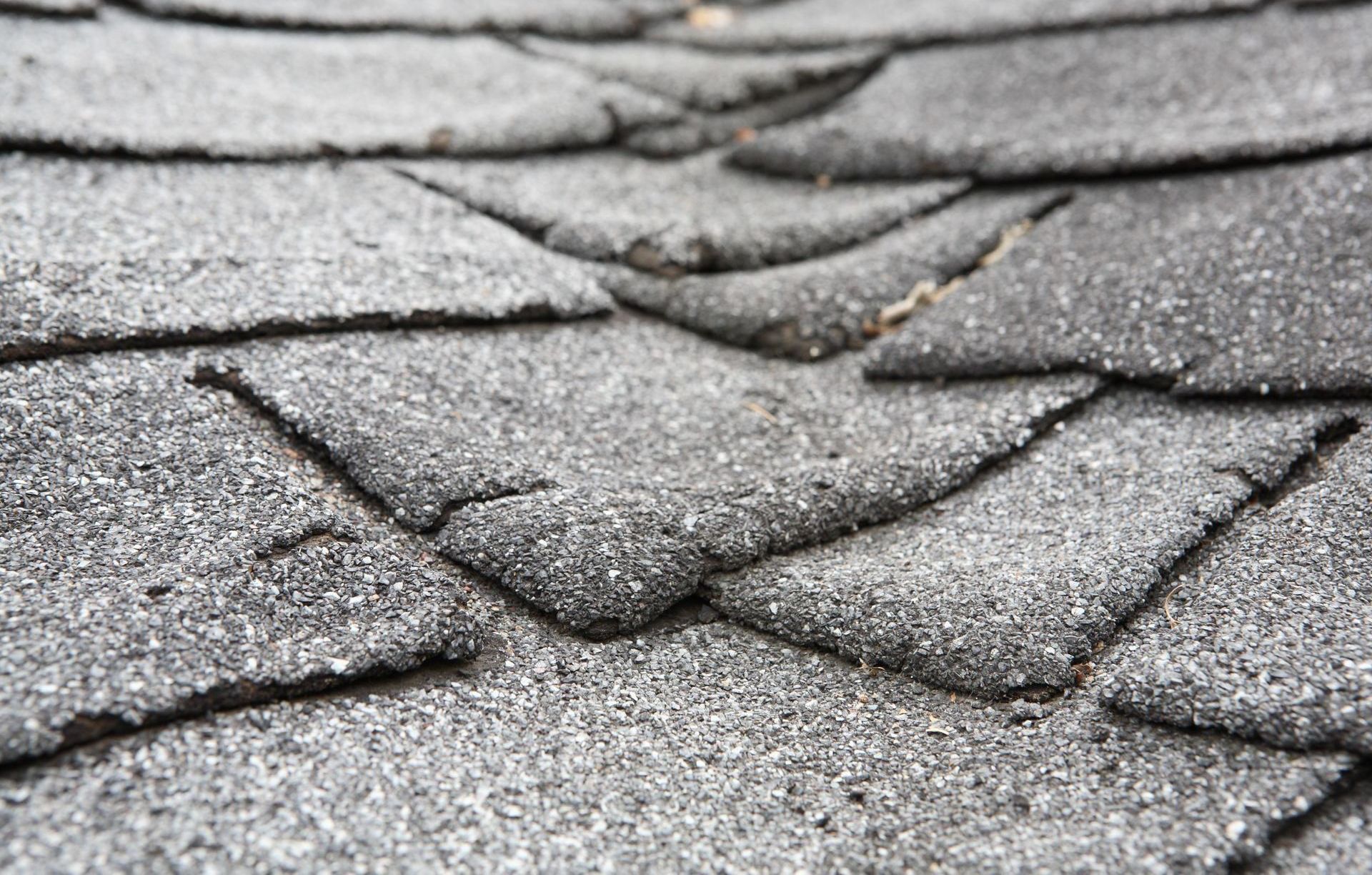
The rural residential properties along Highway 66 west of Klamath Falls toward Keno, and along the Keno-Worden Road corridor south toward Worden, frequently carry the combination of a residential shingle-roofed home and an attached or connected metal-roofed shop or outbuilding. Many of these combinations were built in phases, with the home predating the shop by five to twenty years, and the transition between the two roofing systems installed during the shop addition rather than designed into the original construction. That means the step flashing at the transition was installed against an existing shingle surface that was already years into its service life, with the panel edge positioned according to the shop framing geometry rather than according to the optimal flashing clearance distance from the shingle surface below.
The thermal movement differential at this transition is what drives failure over time. Metal roofing expands and contracts with temperature change at a rate that wood-framed shingle construction does not match. A clear summer afternoon on a Highway 66 Keno property can bring metal panel surface temperatures above 150 degrees. An overnight low in January can bring the same panel to 15 degrees. That 135-degree temperature range drives the metal panel edges and fasteners through expansion cycles that the adjacent shingle-side flashing was not designed to accommodate at the same rate. Over 10 to 15 years of those cycles, the sealant at the panel-to-flashing interface fatigues, the step flashing at the closest shingle courses separates from the wall face, and water enters the shared wall cavity at the junction.
Wind Uplift on Metal Panel Fasteners Along Highway 66 Open Corridor Properties
The Highway 66 corridor west of Klamath Falls sits in the path of the Green Springs wind events that track through the Cascade foothills during fall and spring storm periods. Open rural properties along this corridor, particularly those on the south side of the highway facing north-northwest into the prevailing storm wind direction, experience wind uplift loading on exposed metal panel edges and fastener points that enclosed and tree-sheltered properties do not. Metal panel fasteners that were correctly installed at the original shop construction fatigued after 10 to 20 years of wind uplift cycling, particularly on panels at the leading edge of the roof toward the prevailing wind direction. Fastener holes that have been working loose allow panel movement at the fastener point and water infiltration at the widened hole perimeter during rain events.
Residential Shingle Repairs Independent of Metal Structure Presence
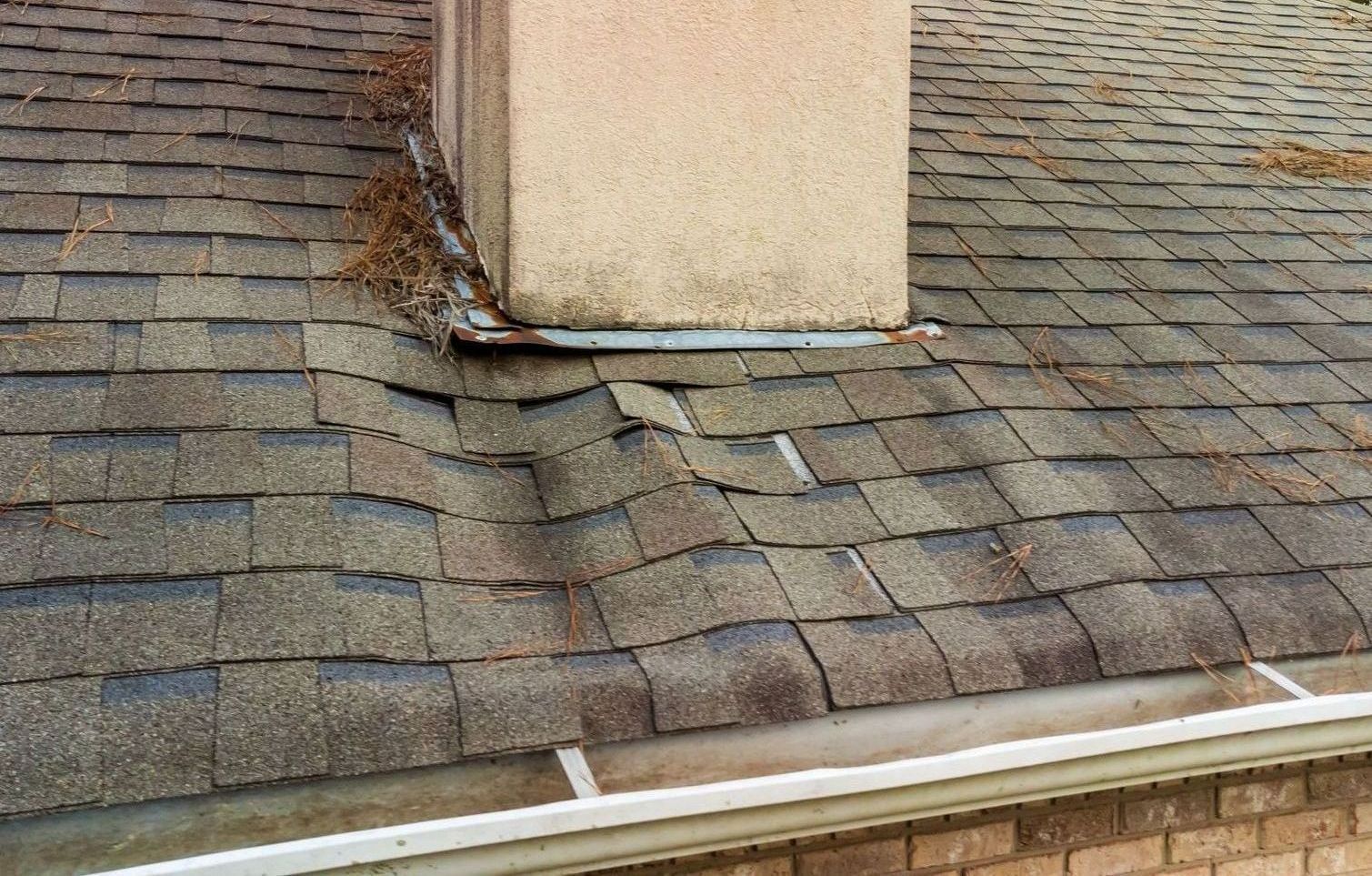
Not every repair call from a Keno property involves the metal transition. The residential structures along Highway 66 and the residential streets in the Keno community core carry the same age-related repair conditions that comparable rural Klamath County housing stock produces: chimney flashing at mortar joint failure on older rock and brick chimneys common in mid-century rural construction, pipe boot collar degradation on structures with aging HVAC systems, and valley flashing deterioration at the roofline intersections that were built into the original structure rather than added at the transition to an adjacent structure. These are standard residential repair scopes that Outlaw addresses as part of the same inspection that assesses any transition conditions present on the same property.
Klamath River Corridor Moisture and Wind Combined Effects on Keno Properties
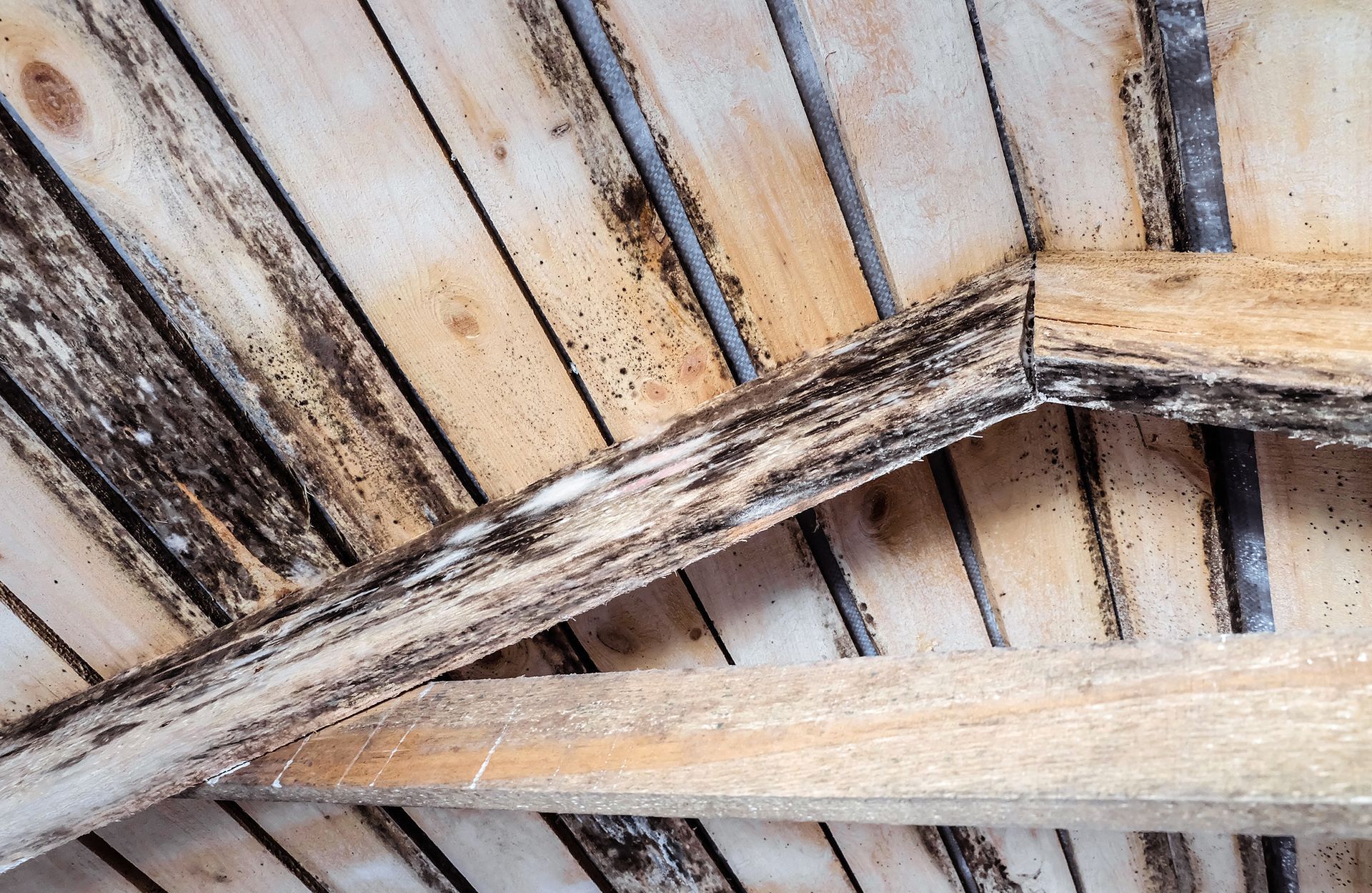
The properties along the Klamath River within Keno's immediate area experience the moisture exposure from the river corridor that elevates ambient humidity on adjacent lots through the wet season. Biological growth on north-facing roof sections of residential structures within two to three lots of the river accumulates faster than comparable-age rooflines on open high desert lots away from the drainage. Combined with the open corridor wind exposure on Highway 66 properties, roof surfaces near the river experience simultaneous elevated moisture on shaded sections and wind loading on exposed leading edges, a combination that accelerates both biological surface degradation and fastener fatigue on metal-roofed structures.
Reading the Repair Conditions on Keno, OR Rural Properties
Where to Look on a Keno Property With a Metal-to-Shingle Transition
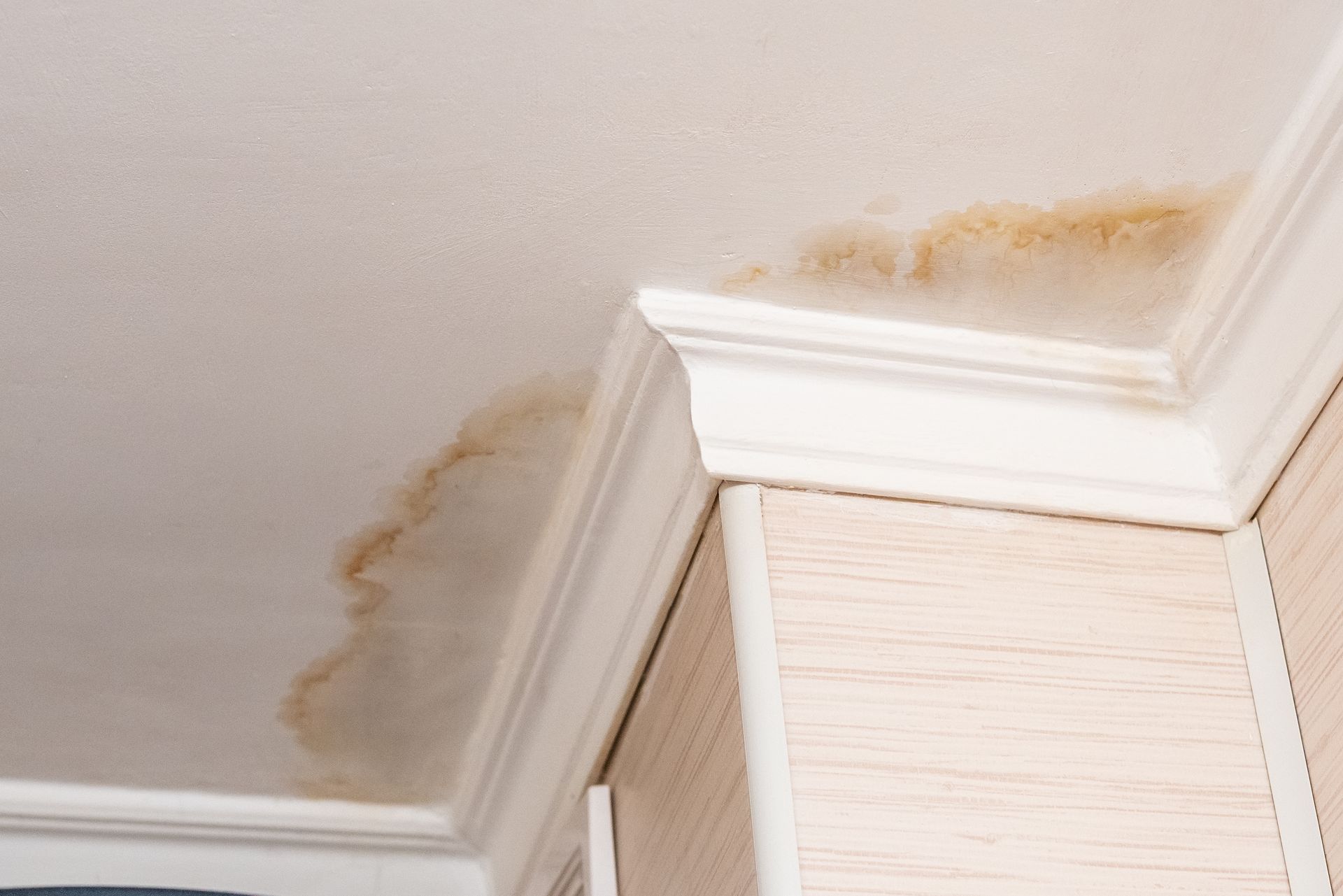
The interior indicators of a failing metal-to-shingle transition on a Keno rural property are typically found on the shared wall between the residential structure and the attached shop or carport rather than on a ceiling surface. Water entering the transition works down the shared wall cavity from the flashing failure point at the roofline, and often appears as staining on the interior wall surface of the shop side of the shared wall rather than on the residence side, because the shop interior is where the wall cavity is most accessible and where the water settles first. A homeowner who notices staining on the interior shop wall at the junction with the residence, particularly in the upper section of the shared wall below the roofline, is looking at the interior expression of a metal-to-shingle transition failure rather than a plumbing or condensation issue.
Exterior Indicators at the Panel-to-Flashing Interface Along Highway 66 Properties
On the exterior, the most accessible indicator of transition failure on a Keno rural property is the visual condition of the sealant bead at the metal panel edge where it meets the adjacent wall flashing. A sealant bead that has cracked through or separated from the panel surface at any point along the transition run has lost its weather seal at that location. On older Highway 66 properties where the original sealant was applied 15 to 20 years ago, visual sealant failure across multiple points in the transition run indicates that the underlying step flashing assembly should be assessed as well, because the sealant failure timeline and the step flashing fatigue timeline are similar.
Wind Damage Indicators on Metal-Roofed Shop and Outbuilding Structures
On Keno properties with metal-roofed shops and outbuildings along the Highway 66 open corridor, checking the leading edge panels after any significant wind event tells the story of fastener condition. A panel that has lifted at the leading edge, separating the standing seam or the lap joint from the adjacent panel by more than one-eighth of an inch, has experienced uplift that the fastener system is no longer fully resisting. That panel will lift further with each subsequent wind event and will eventually allow water infiltration at the panel edge during driven rain. Outlaw identifies leading edge panels by their exposure orientation relative to the prevailing southwest wind direction on Highway 66 corridor properties and specifically checks those panels during the initial inspection.
How Outlaw Roofing Inspects Keno, OR Rural Properties

Integrated Metal and Shingle Assessment on Transition Properties
Every Outlaw inspection on a Keno rural property where a metal-to-shingle transition is present covers both sides of the transition in a single integrated assessment rather than treating the metal side and the shingle side as separate scopes for separate contractors. The step flashing condition at the shingle courses adjacent to the panel edge is examined by hand at each course for separation from the wall face. The counter flashing above the step courses is checked for attachment integrity at the panel face. The sealant bead at the panel-to-flashing interface is visually assessed along the full transition run and physically checked at any location showing visual cracking or separation. The panel fastener condition at the two courses closest to the transition is assessed for uplift fatigue by physical examination. The written proposal that follows addresses both the shingle-side flashing and the metal-side panel and fastener conditions as a single integrated repair scope.
Residential Shingle Roofline Assessment Independent of Transition Scope
Separate from the transition assessment, Outlaw conducts a standard residential roofline inspection on the shingle-roofed portion of every Keno property. Chimney flashing condition, pipe boot collar status, valley flashing at the original roofline intersections, and shingle surface condition by slope orientation are all assessed and documented in the written findings. On Keno rural properties where the residential structure is 20 to 40 years old and has not had a professional inspection in several years, the standard residential assessment frequently surfaces additional repair conditions beyond the transition that the homeowner called about.
Klamath County Building Codes Division Permit Where Required
Repair work meeting the Klamath County permit threshold for Keno properties, which are in unincorporated Klamath County, files with the Building Codes Division at 305 Main Street, Klamath Falls, OR 97601, phone (541) 883-5121. There is no City of Keno permit authority. Outlaw determines the permit requirement for every Keno repair before any work is dispatched and files with the county where required.
Materials Outlaw Specifies on Keno, OR Metal-to-Shingle Transition Repairs
Custom-Fabricated Counter Flashing to Match the Existing Panel Profile
On Keno metal-to-shingle transition repairs where the counter flashing requires replacement, Outlaw fabricates replacement counter flashing in-house to match the profile and dimensions of the existing installation rather than using off-the-shelf flashing that may not seat correctly against the panel geometry. Custom fabrication is particularly important on Keno rural properties where the original shop construction used a non-standard panel profile or where the panel edge geometry creates a flashing clearance requirement that standard counter flashing stock does not accommodate. The in-house fabrication capability that Outlaw maintains for agricultural metal panel work in the Klamath Basin is the same capability that makes custom transition flashing a standard rather than a special-order option on Keno repair projects.
Self-Adhering Butyl Tape at the Panel-to-Flashing Interface
The sealant replacement at the metal panel edge on Keno transition repairs specifies self-adhering butyl tape rather than caulk or standard roofing sealant. Butyl tape maintains adhesion and flexibility through the 135-degree temperature range that Klamath County properties experience between summer peak and winter low, which is the same temperature range that fatigues standard sealant at the panel edge. The butyl tape application requires clean, dry panel edge surfaces and mechanical compression at the tape installation point to achieve the full adhesive contact that makes the seal durable. A sealant tube applied to a panel edge on a cold morning on a Highway 66 Keno property in November does not achieve that contact. Butyl tape installed correctly on a clean surface in an appropriate temperature window delivers 15 to 20 years of reliable weather seal at the panel interface.
Galvanized Steel Step Flashing at Shingle-Side Transition Courses
Step flashing replacement at the shingle courses adjacent to the metal panel edge specifies 26-gauge galvanized steel. The gauge delivers the stiffness required to maintain correct overlap geometry at each shingle course without the flex that lighter material introduces at a joint that is simultaneously experiencing thermal movement from the adjacent metal structure. On Keno rural properties where the step flashing has been in service for 15 to 20 years and the transition failure is confirmed, Outlaw replaces all step flashing courses in the transition zone rather than only the courses showing visible separation, because the fatigue history of all courses in the zone is the same regardless of which one showed the first visible gap.
Repair or Replacement for Keno, OR Rural Properties
When Transition Repair Is the Right Investment
A Highway 66 Keno property where the metal-to-shingle transition is failing at the panel-to-flashing interface and the step flashing, but the residential shingle system has eight or more years of remaining service life on the primary slopes and the metal-roofed shop panels are structurally sound with only fastener and sealant issues, is a repair situation. The transition repair eliminates the active water entry path. The metal panel fastener correction stabilizes the leading edge panels against further uplift. The shingle system continues its remaining service life without the transition as a water entry source. See also: /residential-roofing-contractor-keno-or
When the Keno Rural Property Condition Points Toward Full Replacement
A Keno rural property where the metal-to-shingle transition failure is accompanied by widespread fastener fatigue across the majority of the metal-roofed shop panels, granule depletion past UV protection on the south residential slopes at 22-plus years, and chimney flashing that has been caulked through multiple maintenance cycles without mortar joint replacement, presents a compounding condition where repair investment across multiple simultaneous systems does not produce the integrated reset that full replacement of each system delivers. In this situation, Outlaw presents both repair costs and replacement costs for each system separately so the homeowner can evaluate the economics of addressing each in the current cycle versus the replacement cycle. See also: /residential-roof-replacement-keno-or
Why Keno and the Highway 66 Corridor Produce the Specific Repair Conditions They Do
Keno's position nine miles west of Klamath Falls along Highway 66 (Green Springs Highway) puts it at the point where the Klamath Basin high desert climate transitions toward the Cascade Mountain range. The open corridor along Highway 66 channels the fall and spring wind events that track through the Green Springs Pass before descending into the Klamath Basin, delivering directional wind loading to properties along the highway that tree-sheltered and topographically enclosed properties in Klamath Falls do not experience at the same intensity. That directional wind exposure is the primary driver of metal panel fastener fatigue on the leading-edge panels of Highway 66 corridor shops and outbuildings.
The Klamath River, which bisects the Keno community at the Highway 66 bridge crossing, creates the same elevated moisture corridor on river-adjacent properties that waterway proximity creates across Southern Oregon rural communities. Properties within a quarter mile of the river on either side experience higher ambient humidity through the wet season and more consistent biological growth on north-facing surfaces than the open high desert lots further from the water.
The high desert UV loading common to Klamath County at Keno's elevation, combined with the freeze-thaw temperature range that the basin experiences through winter, creates the dual aging mechanism that accelerates both shingle surface degradation on sun-exposed residential roof sections and sealant fatigue at metal-to-shingle transition interfaces. These conditions work simultaneously rather than sequentially on Keno rural properties, which is why the comprehensive inspection approach matters more here than in communities where a single climate factor drives the primary failure mode.
Keno's Housing and Property Profile Along Highway 66 and Keno-Worden Road
Keno is an unincorporated rural community in Klamath County where the housing stock reflects its agricultural and timber history. The properties along Highway 66 between Klamath Falls and the Keno community core range from original homestead-era structures from the early and mid-20th century through more recent ranch-style homes and manufactured housing on acreage lots. The combination of residential structure and adjacent outbuilding, shop, or agricultural structure is more common than not on Keno properties with more than one acre of land.
The outbuildings on these properties represent a wide range of construction eras and roofing material histories. A shop built in the 1970s with original corrugated metal roofing sits adjacent to a residential structure from the same era. A modern agricultural pole structure with standing seam metal roofing was added to a 1960s residence twenty years ago. A carport with commercial-grade metal roofing was installed as a later addition to a 1980s manufactured home. Each combination produces its own metal-to-shingle transition geometry and its own failure timeline based on the age differential between the two structures and the specific panel profile and flashing installation at the connection point.
The residential structures themselves range from stick-built ranch homes and Craftsman cottages from the community's early development through manufactured homes and more recent custom construction on rural acreage lots. All of them share the open corridor exposure, the river proximity moisture factor where applicable, and the Klamath County climate conditions that drive roofline aging at a rate that moderate Pacific Northwest communities do not experience.
A Recent Roof Repair in Keno, OR: What the Shingle Contractor Did Not Address
Last fall Outlaw completed a repair assessment on a rural property off Highway 66 in the Keno area where the homeowner had called about staining on the interior wall of an attached shop, approximately three feet below the roofline on the shared wall with the residence. A shingle contractor had visited the previous spring, applied roofing cement at the visible gap in the step flashing on the residential roof side of the transition, and charged $280 for the visit. The staining returned the following October.
The Outlaw inspection assessed both sides of the transition. On the shingle side, the roofing cement the previous contractor had applied was already crazing at the edges, consistent with high-UV summer exposure on a south-facing wall. The step flashing beneath the cement showed separation from the wall face at two courses above the cemented location, gaps the previous contractor had not identified because the assessment had stopped at the visible application point. On the metal side, the standing seam panel at the transition edge showed fastener fatigue at two of the four fastener points in the two courses closest to the shared wall, with the fastener holes elongated from uplift cycling rather than the round profile of a correctly seated fastener. The counter flashing that covered the step flashing laps had pulled away from the panel face at the right corner of the transition run, creating a water entry path from the metal side that the shingle-side repair had not addressed.
Outlaw's scope: removal of the roofing cement from the previous repair, step flashing replacement at all seven courses in the transition zone on the shingle side, custom-fabricated counter flashing replacement at the full transition run, butyl tape sealant at the new panel-to-flashing interface, fastener replacement at the two fatigued locations on the metal side using oversized diameter stainless fasteners with EPDM washers to seal the elongated holes, and a bead of metal-appropriate urethane sealant at the replaced fastener locations. Klamath County permit not required for this repair scope. Total: $1,650. The $280 prior repair had addressed only the shingle side without assessing the metal side, and had used roofing cement rather than replacing the step flashing, which was the actual failure source.
Why Keno, OR Homeowners Choose Outlaw Roofing for Rural Property Repairs
✓ Veteran-Owned With In-House Metal Fabrication Capability
Riley built Outlaw Roofing in the Klamath Basin and have been working rural Klamath County properties since 2011. The in-house metal fabrication capability that Outlaw maintains for agricultural panel work in the basin is the same capability that allows Outlaw to address the metal side of a Keno transition repair with custom-fabricated flashing rather than off-the-shelf components that may not match the specific panel profile on a given property.
✓ CCB#236299 — Oregon License Verifiable at oregon.gov/ccb
Search CCB#236299 at oregon.gov/ccb before authorizing any repair work on a Keno property. The license is current and covers all roofing work in Klamath County including all unincorporated rural properties served under the county building codes jurisdiction.
✓ Single Written Proposal That Addresses Both Metal and Shingle Sides of Every Transition
An Outlaw repair proposal on a Keno property with a metal-to-shingle transition lists the shingle-side flashing scope and the metal-side panel and fastener scope as line items in the same proposal rather than referring the homeowner to a second contractor for the metal portion. The homeowner receives a complete scope and a complete cost before any crew is dispatched.
✓ Klamath County Building Codes Division Permit Filed Where Required
Repair work meeting the Klamath County permit threshold files with the Building Codes Division at 305 Main Street, Klamath Falls, OR 97601, phone (541) 883-5121. Outlaw determines the permit requirement for every Keno repair before any work begins and files where required.
What Roof Repair Costs in Keno, OR by Property Type and Problem
Metal-to-Shingle Transition Repair Including Both Sides of the Assembly: $1,200 to $2,800
Complete metal-to-shingle transition repair on a Keno rural property, including step flashing replacement at all transition zone courses on the shingle side, custom-fabricated counter flashing replacement at the full transition run, butyl tape sealant at the panel interface, and fastener assessment and replacement where fatigue is confirmed on the metal side, typically runs $1,200 to $2,800. The range reflects transition run length, panel profile complexity, and whether custom counter flashing fabrication is required due to a non-standard panel profile. Transitions with standard panel profiles and shorter run lengths run toward the lower end. Longer runs with non-standard profiles requiring in-house fabrication run toward the upper end.
Metal Panel Fastener Replacement on Highway 66 Open Corridor Shop Rooflines: $600 to $1,400
Fastener replacement at the leading edge panels of a metal-roofed shop or outbuilding on a Highway 66 corridor Keno property, including removal of fatigued fasteners, installation of oversized diameter stainless fasteners with EPDM washers, and urethane sealant at each fastener location, typically runs $600 to $1,400 depending on the number of panels and fastener points requiring replacement. Properties with significant leading edge uplift damage where panels require repositioning before fastener replacement run toward the upper end.
Standard Residential Repair on Keno Properties Independent of Metal Structure: $800 to $2,200
Standard residential roofline repair on a Keno rural property, including chimney flashing reset, pipe boot replacement, or valley flashing repair at original roofline intersections independent of any metal structure transition, typically runs $800 to $2,200 depending on the scope and access conditions on rural properties with steeper lot terrain. Klamath County Building Codes permit fees included as a separate line item where applicable. GreenSky financing available. Military discount for veterans.
What Experienced Inspectors Look for on Keno, OR Rural Property Repair Assessments
The transition zone is the first inspection priority on every Keno rural property where a metal-roofed structure is attached to or shares a wall with the residential shingle roofline. The inspection starts at the interior shared wall where staining typically first appears, maps the stain to the exterior transition geometry, and then assesses both sides of the transition from the exterior before any component is disturbed. The interior mapping tells the inspector which portion of the transition run is the active entry point, and the exterior assessment of both sides confirms which failure mechanism is present before the repair scope is developed.
The residential roofline assessment proceeds as a separate priority after the transition assessment is complete. On Keno rural properties where the homeowner may not have had a professional inspection in several years, the standard residential conditions, chimney flashing, pipe boots, and valley flashings, are assessed against the age and UV exposure history of the specific property. Open corridor properties along Highway 66 experience UV loading and wind exposure that accelerates certain roofline components faster than comparable-age properties in sheltered locations, and that context shapes the repair timeline recommendations in the written findings.
How Long Repair Work Lasts on Keno, OR Rural Properties
A correctly executed metal-to-shingle transition repair on a Keno Highway 66 property, with step flashing replaced across the full transition zone, custom counter flashing installed at the correct clearance from the panel face, and butyl tape sealant at the panel interface, delivers 15 to 20 years of reliable service at the repaired transition. That service life assumes the panel edge geometry has not changed due to additional uplift cycles after the repair, which is why the fastener assessment and any necessary fastener replacement on the metal side is included in the same repair scope rather than deferred.
Metal panel fastener replacement with stainless oversized diameter fasteners and EPDM washers at the fatigued locations delivers 20-plus years of fastener life at those specific points. Stainless fasteners do not corrode at the fastener head in Klamath County conditions the way standard zinc-coated fasteners do over 10 to 20 years, and the EPDM washer maintains its weather seal through the temperature range the panels experience rather than hardening and cracking the way neoprene washers do at the UV and heat exposure levels that south-facing panel surfaces reach in Klamath County summers.
Quick Answers About Roof Repair in Keno, OR
How much does metal-to-shingle transition repair cost in Keno?
Complete transition repair addressing both sides of the assembly runs $1,200 to $2,800. Metal panel fastener replacement on shop rooflines runs $600 to $1,400. Standard residential repairs independent of metal structure presence run $800 to $2,200. All Outlaw repairs begin with a free inspection and written proposal before any work is authorized.
Does roof repair in Keno require a permit?
Keno is in unincorporated Klamath County. Repair work meeting the county permit threshold files with the Klamath County Building Codes Division at 305 Main Street, Klamath Falls, OR 97601, phone (541) 883-5121. There is no City of Keno permit authority. Outlaw determines the permit requirement before any work begins.
Can Outlaw repair both the metal shop roof and the residential shingle roof on the same property?
Yes. Outlaw's combined residential roofing and metal fabrication capability covers both the shingle-side flashing and the metal-side panel and fastener conditions as a single integrated repair rather than requiring two separate contractor visits. This is particularly relevant for the transition assembly, which spans both systems and cannot be correctly addressed by a contractor who works only one side.
My Keno property has a metal carport attached to the main house. Does the connection point need to be inspected?
Yes. Any connection point between a metal-roofed structure and a shingle-roofed residential structure on a Keno rural property warrants inspection when there is any interior staining on either side of the shared wall, any visible sealant failure at the panel edge, or any history of water entry in that area. The connection point is where the two different material systems are asked to perform together, and it is where the failure begins when the assembly has fatigued through thermal cycling.
How does the wind on Highway 66 affect my shop's metal roof?
The Green Springs wind events that track through the Highway 66 corridor during fall and spring storms load the leading edge panels of open-corridor properties from the southwest. Those panels experience more uplift cycles per year than sheltered properties, and the fasteners at the leading edge accumulate fatigue faster than fasteners further into the protected interior of the roof panel field. Properties on the south side of Highway 66 facing the prevailing wind direction experience this most directly. Annual visual checks of the leading edge panel seams after any significant wind event, looking for lifted seams or visible fastener hole elongation, is the maintenance practice that catches fastener fatigue before it produces water infiltration.
Frequently Asked Questions About Roof Repair in Keno, OR
How do I verify Outlaw Roofing's Oregon contractor license?
Go to oregon.gov/ccb and search for CCB#236299. The current license status displays immediately. Every roofing contractor performing repair or replacement work in Keno and Klamath County is required to hold a current, verifiable CCB registration.
What is the difference between a metal-to-shingle transition repair and a standard wall flashing repair?
A standard wall flashing repair addresses the step flashing at the base of a vertical wall where a roof slope meets the wall face, with both the roofing material and the wall cladding in the same material category. A metal-to-shingle transition repair addresses the junction where a metal panel-roofed structure meets a shingle-roofed structure, requiring attention to both the shingle-side step flashing and counter flashing and the metal-side panel edge sealant and fastener condition simultaneously. The failure mechanism and the repair materials differ on each side, and treating it as a standard wall flashing repair by addressing only the shingle side produces a repair that returns when the metal side continues to fail.
Does Outlaw Roofing fabricate custom metal flashing for Keno transition repairs?
Yes. Outlaw maintains in-house metal fabrication capability for agricultural and custom metal panel work across the Klamath Basin. That capability is available for custom counter flashing fabrication on Keno transition repairs where the existing panel profile requires a non-standard flashing geometry that off-the-shelf components do not match.
Does Outlaw Roofing offer financing for Keno homeowners?
Yes. GreenSky financing up to 100 percent for qualified Keno homeowners with fixed monthly payment terms. Military discount for veterans and active service members throughout the Keno area and greater Klamath County rural corridor.
What related services does Outlaw provide in Keno?
Keno homeowners whose inspection confirms that the metal-roofed shop or outbuilding requires panel replacement rather than repair can reference Outlaw's agricultural metal panels page and custom metal fabrication page for the Klamath Basin market. The residential roofing contractor Keno OR page (/residential-roofing-contractor-keno-or) covers Outlaw's full certification structure and service area for residential work in the Keno community.
Keno Homeowners: Get Your Written Repair Estimate From Outlaw Roofing
A water stain on the shared wall between your Keno residence and your attached shop is not a shingle problem or a metal panel problem. It is a transition problem, and it requires someone who works both sides of the assembly in the same scope. Outlaw inspects what is actually there on both sides, writes what was found, and prices the repair before any crew is dispatched. Riley, veteran-owned, CCB#236299. GreenSky financing available. Military discount for veterans. Call (541) 275-6189 or schedule at /contact.