Residential Roof Repair in Jacksonville, OR
Roof Repair in Jacksonville, OR , What 130 Rogue Valley Winters Have Left at the Chimney, and Why the Repair That Looks Behind the Caulk Is the Only One That Lasts
Jacksonville is Oregon's oldest incorporated city, and some of the brick chimneys on its California Street and 5th Street Victorian and Craftsman properties have been standing through Rogue Valley winters since the 1880s. A chimney that has been through 130 winter freeze-thaw cycles at the metal-to-mortar interface of its counter-flashing embedment points carries a different repair requirement than a chimney that has been through 30 cycles on a 1990s Medford production build. The mortar behind the counter-flashing on a Jacksonville historic district chimney has been expanding and contracting at the embedment channel every winter for over a century.
The gap between a $350 Jacksonville chimney caulk application and a $1,400 Jacksonville counter-flashing restoration with tuck-pointing is the gap between a repair that lasts one to two Rogue Valley winter cycles and a repair that addresses what the century of freeze-thaw cycling actually produced at the mortar-to-flashing interface. The lower scope adds another layer to the caulk stack. The correct scope removes all prior caulk, determines whether the mortar channel is sound enough to receive new embedded counter-flashing or whether tuck-pointing is required first, and installs the flashing in a properly prepared mortar bed that creates a masonry-to-metal seal rather than a caulk-to-brick approximation.
Outlaw Roofing, veteran-owned, CCB#236299, serves Jacksonville from the Klamath Falls home base as regular Rogue Valley service territory. GAF, IKO, CertainTeed, WeatherBond, and PolyGlass certified. (541) 275-6189.
Common Jacksonville, OR Roof Repair Situations on Historic Rogue Valley Properties

Chimney Counter-Flashing Failure on Victorian and Craftsman-Era Masonry
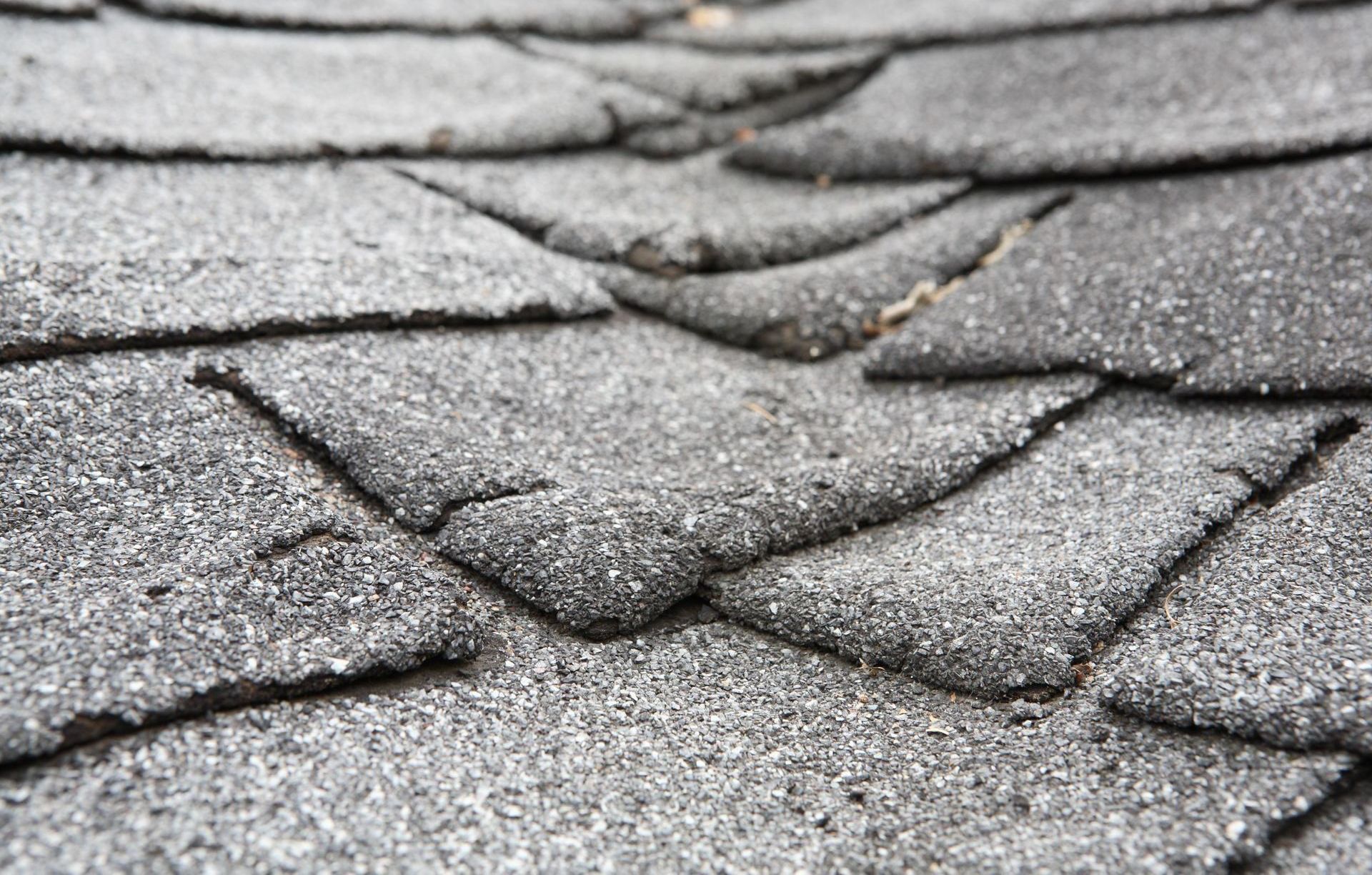
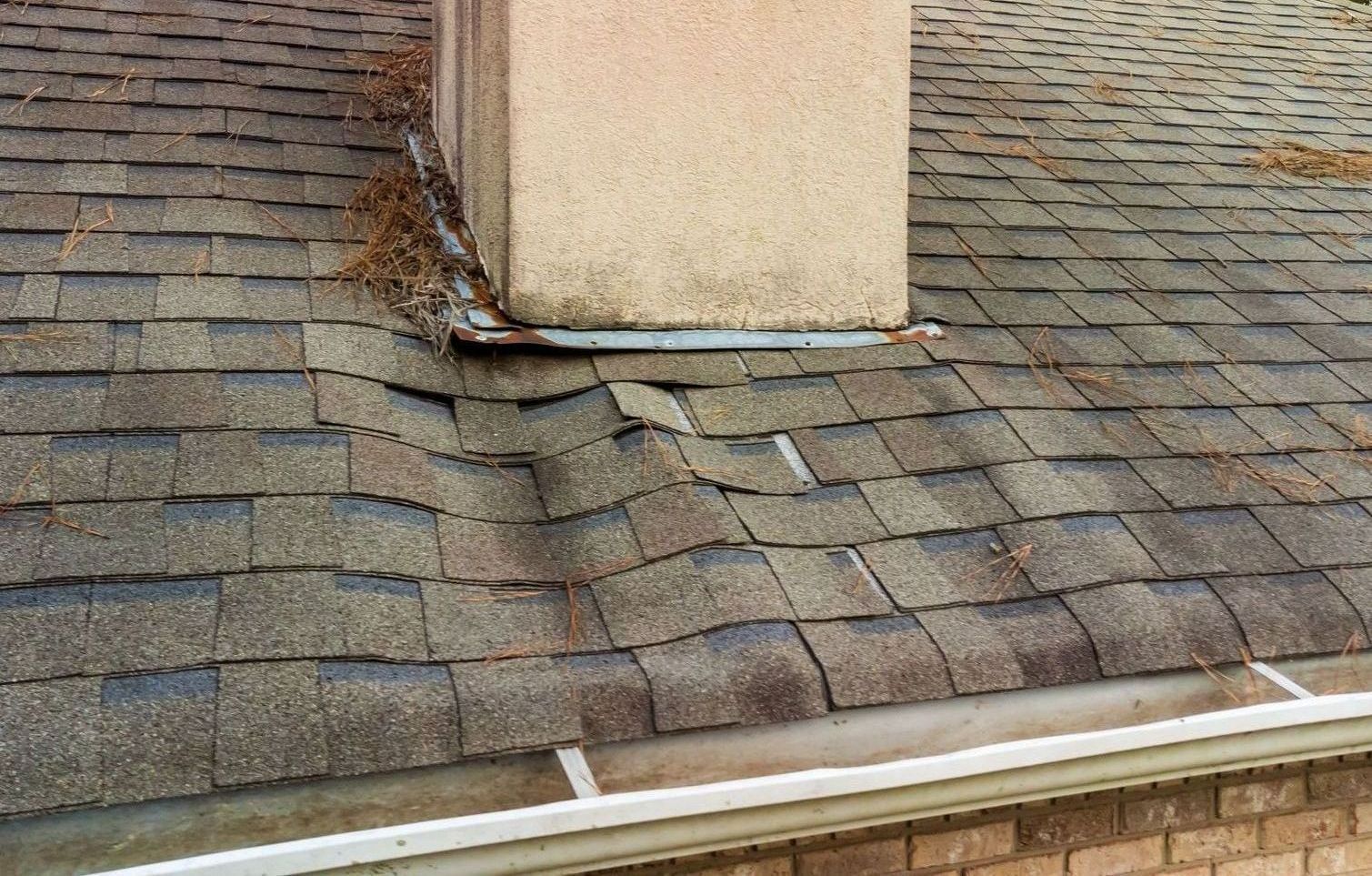
Counter-flashing on Jacksonville's historic masonry chimneys along California Street and Oregon Street fails when the mortar at the counter-flashing embedment channel separates from the brick face under the accumulated effect of 100-plus Rogue Valley freeze-thaw cycles. The separation creates a gap between the counter-flashing base and the chimney face that allows precipitation to run behind the flashing and down into the wall cavity below. Prior caulk applications over this gap have created the multi-layer surface that many Jacksonville historic chimneys now carry at the flashing termination line.
Step Flashing Lift at Historic Jacksonville Wall Transitions
Step flashing at wall-to-roof transitions on Jacksonville's older homes lifts when sealant at the step base ages and seal strip adhesion on adjacent shingles fatigues under Rogue Valley summer UV. On Victorian properties with more complex roofline geometry, wall transitions on multiple sides of a structure create more step flashing runs to monitor than a simple ranch produces. Lifted step flashing on a Jacksonville 5th Street Queen Anne allows wind-driven rain to enter laterally at the wall-to-roof interface. Found and addressed before the adjacent wall sheathing is wet, this is a step flashing run replacement.
Valley Flashing Failure at Complex Historic Roofline Intersections
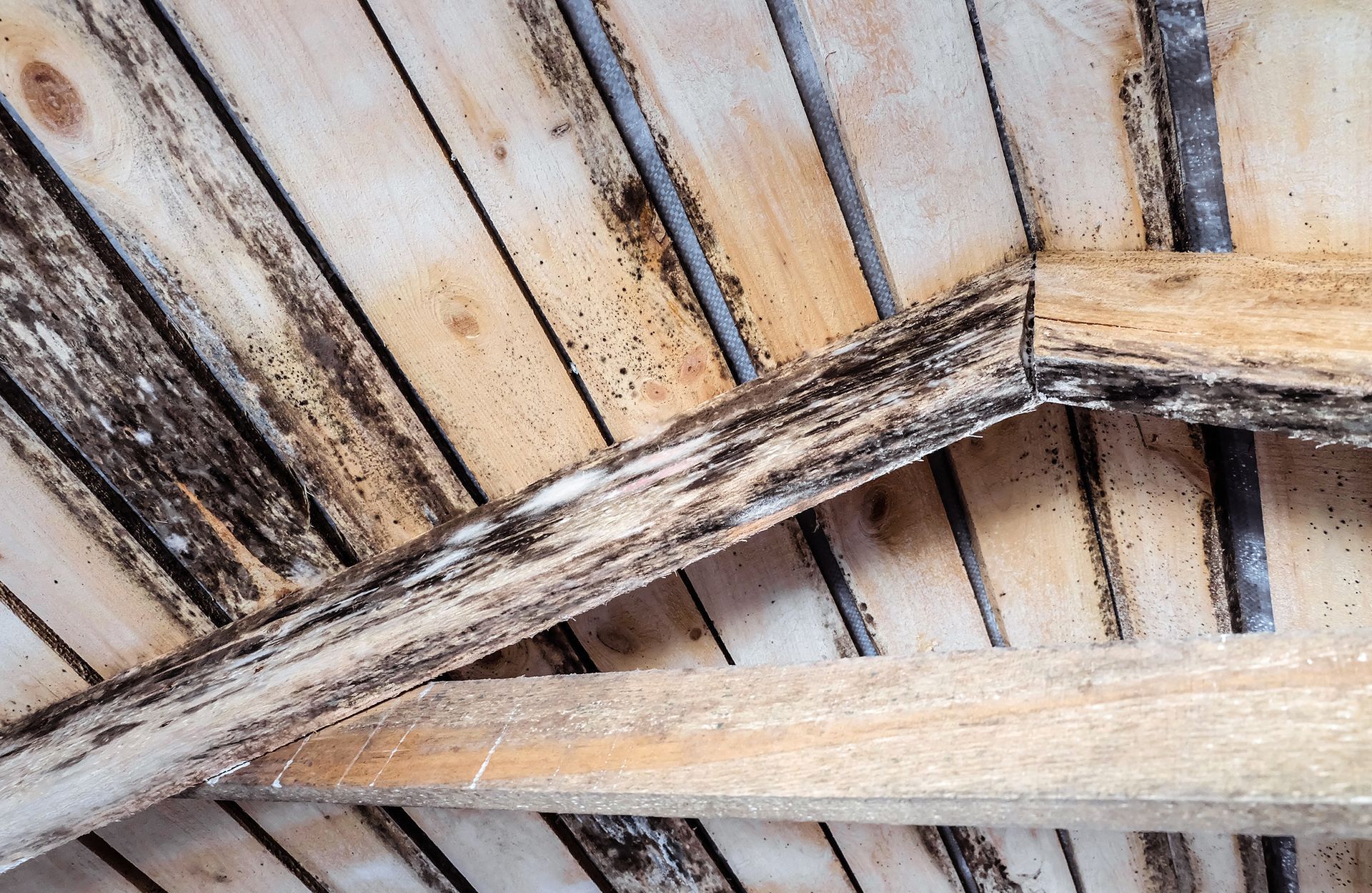
Jacksonville's Victorian and Craftsman architecture produces more valley intersections per roof area than the simple ranch geometry common elsewhere in the Rogue Valley service area. A California Street Victorian with a front-facing gable, a side bay window, and a rear dormered addition may carry five or six valley intersections, each of which represents a potential repair location. Valley failures at any of these intersections produce ceiling staining below the specific intersection involved.
Pipe Boot Failure on Older Jacksonville Residential Installations
Rubber pipe boot collars on Jacksonville properties cycle through Rogue Valley temperature swings from summer highs above 100 degrees to winter lows below freezing. On older Jacksonville installations where the pipe boots are original to the last replacement cycle, rubber collar cracking is the expected end-of-service indication.
Historic Period Shingle Matching on Visible Jacksonville Repair Sections
Repair work on the visible street-facing slopes of Jacksonville historic district properties carries an aesthetic consideration that open-lot suburban repairs do not. A mismatched shingle replacement on the south-facing primary facade of a California Street Victorian on a high-visibility block creates a visible repair patch that the original character of the structure does not absorb as gracefully as a low-visibility back slope.
How to Tell If a Jacksonville, OR Problem Is Still a Repair
Chimney Staining Location as the Diagnostic Tool
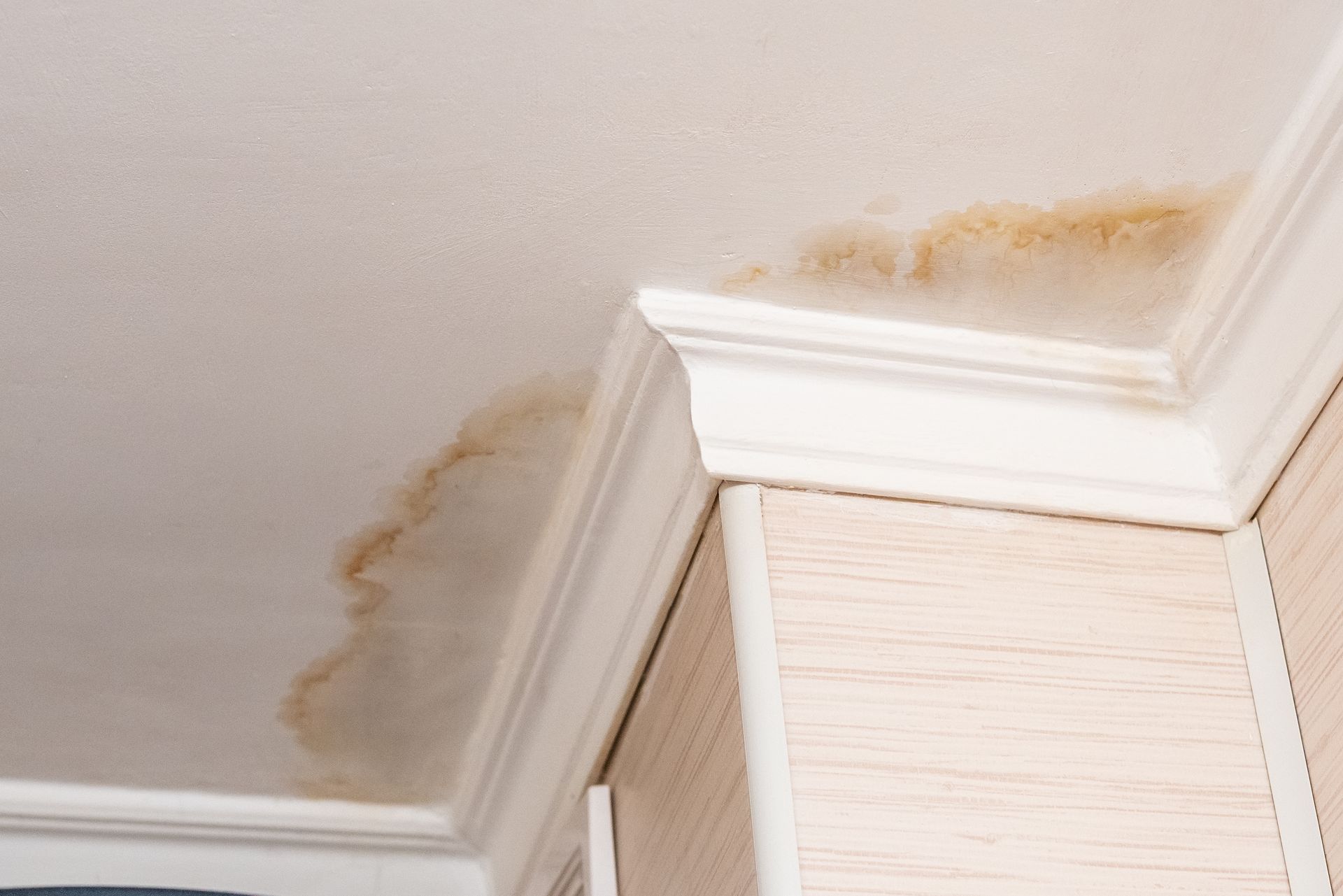
Ceiling staining adjacent to a Jacksonville chimney can appear in different locations depending on the specific failure mechanism. Staining at the ceiling directly in line with the chimney interior, appearing after heavy precipitation events, points to counter-flashing failure at the exterior masonry interface. Staining at the wall-ceiling junction on the wall face adjacent to the chimney, rather than at the ceiling center, points to the wall cavity penetration that counter-flashing failure and step flashing lift together can create on multi-face chimney structures. Staining that appears during summer months rather than winter events may indicate a crown mortar failure at the chimney top rather than a flashing assembly issue.
The Wall Sheathing Question That Determines Whether Repair Stays a Repair
On Jacksonville historic properties where counter-flashing failure or step flashing lift has been running for one or more seasons, the condition of the wall sheathing below the affected flashing run is the factor that determines whether the repair scope remains manageable or expands into wall remediation. Sound wall sheathing behind a lifted step flashing run means the repair is the step flashing replacement and the adjacent disturbed shingles.
System Age and Jacksonville Replacement Proximity
A targeted repair on a Jacksonville historic property makes economic sense when the surrounding system has meaningful service life remaining. A chimney counter-flashing repair on a 2015-era replacement system with a Jackson County permit record and sound surrounding shingle condition is an excellent repair investment.
How Outlaw Roofing Handles Repair Projects in Jacksonville, OR

Step 1 - Inspection That Assesses Masonry Condition Before Chimney Scope Is Proposed
Every Outlaw chimney repair inspection in Jacksonville specifically removes accessible caulk at one counter-flashing embedment point to assess the mortar condition behind the surface. That single physical assessment determines whether the repair requires new counter-flashing installation in sound mortar, counter-flashing installation following tuck-pointing of deteriorated mortar, or a more comprehensive masonry restoration.
Step 2 - Written Proposal Distinguishing Masonry Restoration From Surface Flashing
Outlaw's written repair proposal for Jacksonville chimney work names specifically whether the scope is counter-flashing installation in sound existing mortar, counter-flashing installation following tuck-pointing, or counter-flashing installation following mortar bed removal and re-routing of the embedment channel. These are three different scope items at three different costs, and the homeowner receives the specific scope before any work begins.
Step 3 - Jackson County Permit When Required
Repair scope at Jacksonville properties that reaches 25 percent of the total roof area or includes structural deck repair files with the Jackson County Building Codes Division at 10 South Oakdale Avenue, Medford, (541) 774-6900.
Step 4 - Correct Masonry Repair With Appropriate Materials
Counter-flashing restoration on Jacksonville historic masonry uses period-appropriate materials where the historic district guidelines specify them. Tuck-pointing uses mortar mixed to match the existing mortar hardness and composition to avoid creating a harder-than-original mortar patch that concentrates freeze-thaw stress at the patch boundary.
Step 5 - Post-Repair Documentation With Masonry Condition Record
Every Jacksonville chimney repair generates documentation recording the number of prior caulk layers found, the mortar condition behind them, the scope that was performed, and the masonry condition at the time.
Repair Materials on Jacksonville, OR Historic and Craftsman Properties
Counter-Flashing , Embedded Restoration Versus Surface Caulk
Every Jacksonville counter-flashing repair Outlaw performs uses new metal embedded in prepared mortar rather than caulk applied over a gap. The mortar preparation varies by chimney condition: routing a new channel in sound mortar where the original channel has closed, tuck-pointing deteriorated mortar before any flashing installation where the existing mortar is too soft or crumbly to hold a new embedment, or cleaning out the existing sound channel where the prior counter-flashing was simply removed or fell out without mortar deterioration.
Step Flashing on Complex Historic Rooflines
Step flashing replacement on Jacksonville historic properties uses metal sized to the specific pitch and rafter spacing of the affected wall transition. Victorian-era construction sometimes carries non-standard rafter spacing that requires custom-cut step flashing rather than stock sizes.
Shingle Matching on Historic Jacksonville Visible Facades
Repair work on visible street-facing slopes of Jacksonville historic properties uses the closest available shingle match to the existing product in color and texture. When an exact match is unavailable due to product discontinuation, Outlaw presents the available options to the homeowner before ordering rather than installing a mismatched product and presenting it as a complete repair.
When a Jacksonville, OR Repair Scope Becomes a Replacement Conversation
When Chimney Masonry Deterioration Requires More Than Tuck-Pointing
A Jacksonville chimney where the inspection finds not just mortar joint deterioration at the counter-flashing embedment but structural brick deterioration, spalling brick faces on the exposed chimney exterior, or crown mortar so deteriorated that rainwater enters through the crown rather than only through the flashing assembly has moved beyond a roofing repair. Structural chimney masonry work requires a masonry contractor, not a roofing contractor.
When Multiple Concurrent Failures on a Jacksonville Aging System Make Replacement More Defensible
A Jacksonville Victorian at 20-plus years with counter-flashing failure on the primary chimney, step flashing lift on two wall transitions, valley flashing lap separation at the front gable valley, and UV granule depletion across the south-facing primary facade has arrived at the concurrent failure stage. Repairing each element individually on a system at this condition produces multiple repair bills that collectively approach the cost of replacement while leaving the UV-depleted south face continuing to age.
How Rogue Valley Climate and Jacksonville's Historic Character Create Its Specific Repair Profile
A California Street Victorian in March: What 130 Winters Have Accumulated at the Counter-Flashing
Consider a California Street Victorian built in 1891 whose brick chimney has been standing through every Rogue Valley winter since that year. The mortar originally used to hold the counter-flashing at the embedment line was mixed by hand, likely from materials available in the Rogue Valley in the 1890s, and was softer than modern Portland cement mortars. Each winter cycle since then has expanded and contracted the brick and the metal flashing against that original soft mortar. The gap that produced the ceiling stain in the current owner's dining room did not open in one winter. It opened gradually over decades, was caulked at the 1973 replacement, caulked again at the 1995 replacement, and re-caulked as a standalone repair around 2010. When Riley removes the three caulk layers during the inspection in March, he finds mortar that has been working against metal for 130 years and is now the consistency of coarse sand at the embedment interface. Tuck-pointing is required before new counter-flashing can be embedded in a way that creates a seal.
Rogue Valley UV on South-Facing Historic Jacksonville Facades
South-facing primary facades on Jacksonville historic properties along California Street and 5th Street receive full Rogue Valley summer UV loading on roofline slopes that are often steep-pitched Victorian geometry. Surface temperatures on steep south-facing historic slopes reach 140 to 155 degrees on clear Rogue Valley summer afternoons. Seal strip fatigue on steep-pitched historic slopes from this UV loading produces the wind displacement that appears after fall wind events on Jacksonville properties.
Jackson County Wet Season and Historic Jacksonville Masonry Infiltration
The Rogue Valley wet season tests every chimney flashing assembly on Jacksonville's historic properties with the sustained precipitation events that deliver the most concentrated moisture load to the masonry-to-flashing interface. A Jacksonville chimney flashing failure that was acceptable at a moderate event may allow significant moisture infiltration during a sustained Jackson County wet-season event with high wind.
The Jacksonville, OR Historic Residential Character and Its Repair Profile
Jacksonville's residential inventory is defined by its historic district, where Italianate Victorians, Queen Anne cottages, Craftsman bungalows, and the commercial-era residential buildings of Oregon's first incorporated city line the streets that the National Register of Historic Places has recognized since 1967. These structures carry roofline complexity, chimney masonry, and structural character that post-war and production-era construction does not produce.
Repair work on Jacksonville historic properties operates within this structural context and, where historic district guidelines govern exterior modifications, within the aesthetic guidelines that protect the character the district is designed to preserve.
A Recent Roof Repair in Jacksonville, OR: The Three Caulk Layers and the Tuck-Pointing Underneath Them
Last spring Outlaw performed a chimney repair on a 1906 Craftsman on Oregon Street in Jacksonville. The homeowner had noticed a ceiling stain adjacent to the chimney for two winters, attributed it to a gasket problem with the chimney cap, and had the cap replaced the prior year.
Our team's inspection found the chimney cap in sound condition from the prior repair. The counter-flashing at the south face showed three distinct caulk application layers at the embedment termination line, the most recent appearing to be approximately five years old. Removing the caulk layers at one accessible point on the south face revealed mortar at the embedment channel that had softened to the consistency of loose aggregate with no cohesive bond remaining between mortar and brick. Tuck-pointing the south face channel was required before new counter-flashing could be embedded. On the north chimney face, which receives less direct freeze-thaw cycling from sun exposure, the mortar condition was significantly better and required only cleaning and preparation for direct counter-flashing installation. Outlaw's written proposal: tuck-pointing the south face counter-flashing channel using mortar matched to the existing aggregate composition, new counter-flashing installed in the prepared south face channel, direct counter-flashing installation on the prepared north face, removal and reinstallation of the step flashing at the south chimney base where two step flashings showed separation from the adjacent shingle course, deck sheathing assessment below the south face stain location, and Jackson County Building Codes Division permit determination. The deck sheathing was sound at the stain location. Total repair: $1,350.
Why Jacksonville, OR Homeowners Choose Outlaw Roofing for Historic Property Repairs
✓ Three Generations of Rogue Valley Experience Including Historic Masonry Assessment
Riley bring direct knowledge of what 100-plus-year-old Rogue Valley brick masonry looks like behind the caulk applications that prior repair cycles have layered over it. The Jacksonville chimney repair call is not an unusual situation for Outlaw.
✓ CCB#236299 at oregon.gov/ccb , Active Registration Confirmed Immediately
Search CCB#236299 at oregon.gov/ccb before authorizing any Jacksonville repair work. Active license status confirmed in seconds. No current Oregon CCB registration means no legal authorization to work on Jacksonville properties.
✓ Written Repair Proposal Naming Every Scope Item Before Work Begins
Every Jacksonville repair scope is written and presented to the homeowner before any work begins. The proposal names the masonry preparation condition, the counter-flashing installation approach, and any tuck-pointing scope as separate line items.
✓ Jackson County Permit When Required on Jacksonville Repair Scope
Repair scope triggering the Oregon building code permit requirement at Jacksonville properties files with the Jackson County Building Codes Division at 10 South Oakdale Avenue, Medford, (541) 774-6900.
✓ Free Inspection Including Masonry Condition Assessment
Every Jacksonville repair inspection is free and includes the physical caulk removal assessment at chimney counter-flashing embedment points on properties with historic masonry. Written findings before any cost discussion.
What Roof Repair Actually Costs in Jacksonville, OR
Chimney Counter-Flashing Repair: $650 to $1,600
Counter-flashing repair on a Jacksonville property with sound mortar behind the prior caulk application runs $650 to $900 for single-face installation. Counter-flashing repair requiring tuck-pointing of deteriorated mortar before installation runs $950 to $1,600 depending on the extent of mortar deterioration and the number of chimney faces involved. Counter-flashing repair requiring mortar channel re-routing at seriously deteriorated embedment sections runs toward the upper end of this range.
Step Flashing Repair at Historic Wall Transitions: $500 to $900
Step flashing run replacement at a single wall transition on a Jacksonville historic property runs $500 to $750.
Valley Flashing Repair at Historic Roofline Intersections: $600 to $1,100
Valley flashing repair using continuous run installation at a single valley intersection on a Jacksonville property runs $600 to $900.
Pipe Boot Replacement: $375 to $650 per penetration
Standard single pipe boot replacement on a Jacksonville property runs $375 to $550 per accessible penetration. Multiple penetrations in the same visit run $275 to $425 per additional boot after the first.
What Experienced Roofers Check on Jacksonville, OR Historic Repair Calls
Mortar Condition Assessment Before Any Jacksonville Chimney Scope Is Written
The physical assessment behind the caulk layer on a Jacksonville historic masonry chimney is the non-negotiable first step before any counter-flashing repair scope is proposed. Sound mortar confirms standard counter-flashing installation is appropriate. Deteriorated mortar confirms that tuck-pointing is required. This assessment requires physically removing accessible caulk at the embedment line rather than visual observation of the surface.
Adjacent Step Flashing Condition During Chimney Calls
Jacksonville chimney repair calls often present with step flashing lift at the chimney base simultaneously with counter-flashing failure at the chimney face. Both the counter-flashing and the step flashing are exposed to the same freeze-thaw cycling at the same chimney structure through the same 100-plus winter seasons.
How Long a Repaired Element Lasts on a Jacksonville, OR Historic Property
Counter-Flashing Restoration With Correct Masonry Preparation
Counter-flashing installed in correctly prepared mortar on a Jacksonville historic chimney delivers 15 to 25 years of service depending on the chimney's ongoing exposure condition and the quality of the mortar used in the tuck-pointing preparation. Correctly embedded counter-flashing in sound mortar on a Jacksonville California Street chimney will outlast a caulk application on the same chimney by a factor of five to ten.
Step Flashing Replacement on Historic Wall Transitions
Correctly sized step flashing replacement on a Jacksonville Victorian wall transition at proper height and overlap delivers the remaining service life of the surrounding system. The step flashing does not fail before the shingles surrounding it when the installation is correct.
Quick Answers - Roof Repair in Jacksonville, OR
How much does roof repair cost in Jacksonville, Oregon?
Chimney counter-flashing repair runs $650 to $1,600 depending on mortar condition and whether tuck-pointing is required. Step flashing repair at wall transitions runs $500 to $900. Valley flashing repair runs $600 to $1,100. Pipe boot replacement runs $375 to $650 per penetration.
Why does my Jacksonville chimney repair keep failing after one or two winters?
Caulk applications over mortar-to-counter-flashing gaps fail under Rogue Valley freeze-thaw cycling because caulk is a flexible surface material, not a structural mortar bond. Each winter cycle opens the gap behind the caulk further. The caulk fails when the gap widens beyond what the caulk's elasticity can span.
Does Jacksonville roof repair require a permit?
Repair scope reaching 25 percent of total roof area or including structural deck work files with the Jackson County Building Codes Division at 10 South Oakdale Avenue, Medford, (541) 774-6900. Most isolated chimney and flashing repairs on Jacksonville properties do not trigger this threshold.
Can the chimney stain I have been ignoring still be a repair?
Often yes, even after multiple seasons, if the surrounding system has meaningful remaining service life and the moisture infiltration has not yet reached the wall sheathing below the affected flashing run. The deck sheathing at the stain location below the ceiling is the determining factor. Sound sheathing behind a deferred chimney stain means the repair scope remains at the flashing assembly level.
How long does a Jacksonville historic property roof repair take?
Standard single-element repairs such as one pipe boot or one short valley section complete in two to four hours. Chimney counter-flashing repairs requiring tuck-pointing preparation run a full day due to the mortar curing time between the tuck-pointing application and the counter-flashing installation. Multi-element repairs run one to two days depending on combined scope.
Frequently Asked Questions - Roof Repair in Jacksonville, OR
How does Outlaw assess the mortar condition on a Jacksonville chimney without damaging the historic brick?
Accessible caulk at the counter-flashing embedment line is removed carefully using a utility knife or oscillating tool at one point on the most accessible chimney face. The mortar behind the caulk is tested by pressing with a tool to assess cohesion. Sound mortar resists pressure. Deteriorated mortar crumbles or moves under light pressure. This assessment leaves a small area of the embedment line exposed, which is repaired as part of the tuck-pointing or flashing installation scope.
What is tuck-pointing and why does it cost more on a Jacksonville chimney repair?
Tuck-pointing removes deteriorated mortar from the joint at the counter-flashing embedment channel and replaces it with new mortar mixed to match the existing aggregate composition and hardness. On a Jacksonville historic chimney where the original mortar was a soft lime-based composition, tuck-pointing with a harder Portland cement mortar would concentrate future freeze-thaw stress at the patch boundary rather than distributing it through the joint as original construction intended.
Does the Jacksonville historic district affect what repair materials can be used?
Historic district guidelines govern exterior modifications visible from public streets in Jacksonville's historic core. Roof repair scope that replaces material on street-visible facades should use materials consistent with the historic character of the structure. For most repair work involving flashings and pipe boots on non-street-visible sections, no special material constraint applies.
Warranty on a Jacksonville roof repair from Outlaw?
Outlaw provides a workmanship warranty on every Jacksonville repair. Manufacturer material warranty applies to replacement components installed as part of the repair scope.
Can Outlaw repair just the chimney flashing without disturbing the surrounding Jacksonville historic shingles?
In many cases, yes. Counter-flashing repair on a sound chimney where only the masonry embedment has failed requires minimal shingle disturbance, primarily at the step flashing base where the lowest step flashing is integrated with the adjacent shingle course. Where the repair can be executed without disturbing the surrounding shingles, it is.
Does GreenSky financing apply to Jacksonville repair projects?
GreenSky financing is available for qualifying Jacksonville homeowners through Outlaw for repair projects where the scope reaches a qualifying threshold. For smaller single-element repairs, payment is due at project completion. Our team reviews financing availability during the free inspection consultation.
How does a Jacksonville chimney repair differ from a Medford ranch chimney repair?
Age and mortar condition are the primary differences. A 1995 Medford ranch chimney has been through 30 Rogue Valley winters at the mortar-to-metal interface. A 1905 Jacksonville Craftsman chimney has been through 120. The mortar condition behind the counter-flashing on the Jacksonville chimney reflects that 90-year difference.
What is the most common cause of Jacksonville roof repair callbacks?
Caulk applied over chimney counter-flashing gaps without removing the prior caulk layers or assessing the mortar behind them. The callback occurs one to three Rogue Valley winter cycles after the caulk application, when the freeze-thaw cycling reopens the gap behind the new caulk layer.
Residential Roofing Services We Provide in Jacksonville, OR
Residential Roof Repair
Targeted roof repair for Jacksonville, OR historic residential properties. Chimney counter-flashing restoration with physical mortar condition assessment before any scope is proposed. Step flashing replacement at historic wall transitions. Valley flashing repair at complex historic roofline intersections. Jackson County permit when required. CCB#236299.
Residential Roofing Contractor
Assessing whether your Jacksonville historic property needs repair or replacement? The complete decision framework for historic Rogue Valley residential properties is on our Jacksonville residential roofing contractor page
Residential Roof Replacemen
When the Jacksonville repair inspection finds concurrent failures across multiple elements on a system approaching end of service, Outlaw provides written replacement proposals for California Street Victorians, Oregon Street Craftsmans, and every property in the Jacksonville historic district. CCB#236299.
Metal Roofing
Standing seam metal for Jacksonville historic property owners ending the chimney flashing cycle permanently. 40-plus year service life. Class A fire rating. WeatherBond and PolyGlass certified installation.
Schedule Your Free Roof Repair Estimate in Jacksonville Today
A Jacksonville California Street Victorian chimney that has been through 130 Rogue Valley winters is not a standard chimney flashing repair. The mortar behind the accumulated caulk layers on that chimney has been working against metal since the same decade that saw the Rogue Valley's gold rush fade. Riley comes to Jacksonville, removes the caulk to assess what the years have left at the embedment line, and writes a repair proposal that addresses what is actually there rather than what the surface suggests. Call (541) 275-6189 or visit outlawroofing.net for your free Jacksonville repair inspection.