Residential Roof Repair in Henley, OR
Roof Repair in Henley, OR: Why Wind Damage on Open Klamath Basin Lots Along Highway 39 Looks Different From What Sheltered Properties Produce, and Why the Repair Scope Has to Account for That
A Henley homeowner who calls about missing ridge caps after a Klamath Basin wind event and a Medford homeowner who calls about the same condition are calling about different problems that look the same from the yard. The Medford property sits on a standard suburban lot with neighboring homes on three sides and established landscape providing partial wind shielding. The Henley property sits on an open farming or acreage lot along Highway 39 or the surrounding rural roads with no topographic barrier and no adjacent structures providing any wind shielding on the exposed northwest face. The Klamath Basin wind events that track through this corridor during late fall and early spring hit the Henley property at the leading edge of their energy. They hit the Medford property after traveling through miles of developed valley with buildings and vegetation absorbing and redirecting the flow.
The difference matters for repair because the fastener fatigue pattern on an exposed Henley property accumulates differently than on a sheltered lot. A ridge cap that has been experiencing unshielded uplift force on every significant wind event for 15 years has fastener holes that have been working under that load for 15 years. Standard ridge cap repair that installs new caps with standard-diameter fasteners into those same locations puts new hardware into holes that have already been worked beyond the original design tolerance. The repair holds for two or three wind events and then returns. A correctly specified Henley ridge cap repair uses oversized diameter fasteners or moves to adjacent virgin fastener locations, and accounts for the specific uplift exposure of the lot before specifying the fastener pattern.
Outlaw Roofing, veteran-owned and operating under Oregon CCB license #236299, inspect every Henley repair property with the lot exposure orientation documented before any fastener scope is specified. Klamath County Building Codes Division permit at 305 Main Street, Klamath Falls, OR 97601, phone (541) 883-5121, filed where required before any repair work begins. GAF, IKO, CertainTeed, WeatherBond, and PolyGlass certified. GreenSky financing available. Military discount for veterans and active service members. Call (541) 275-6189.
The Repair Conditions Henley Properties Along Highway 39 and the Surrounding Rural Corridors Produce

Wind Uplift Fastener Fatigue on Exposed Northwest-Facing Ridge and Eave Sections
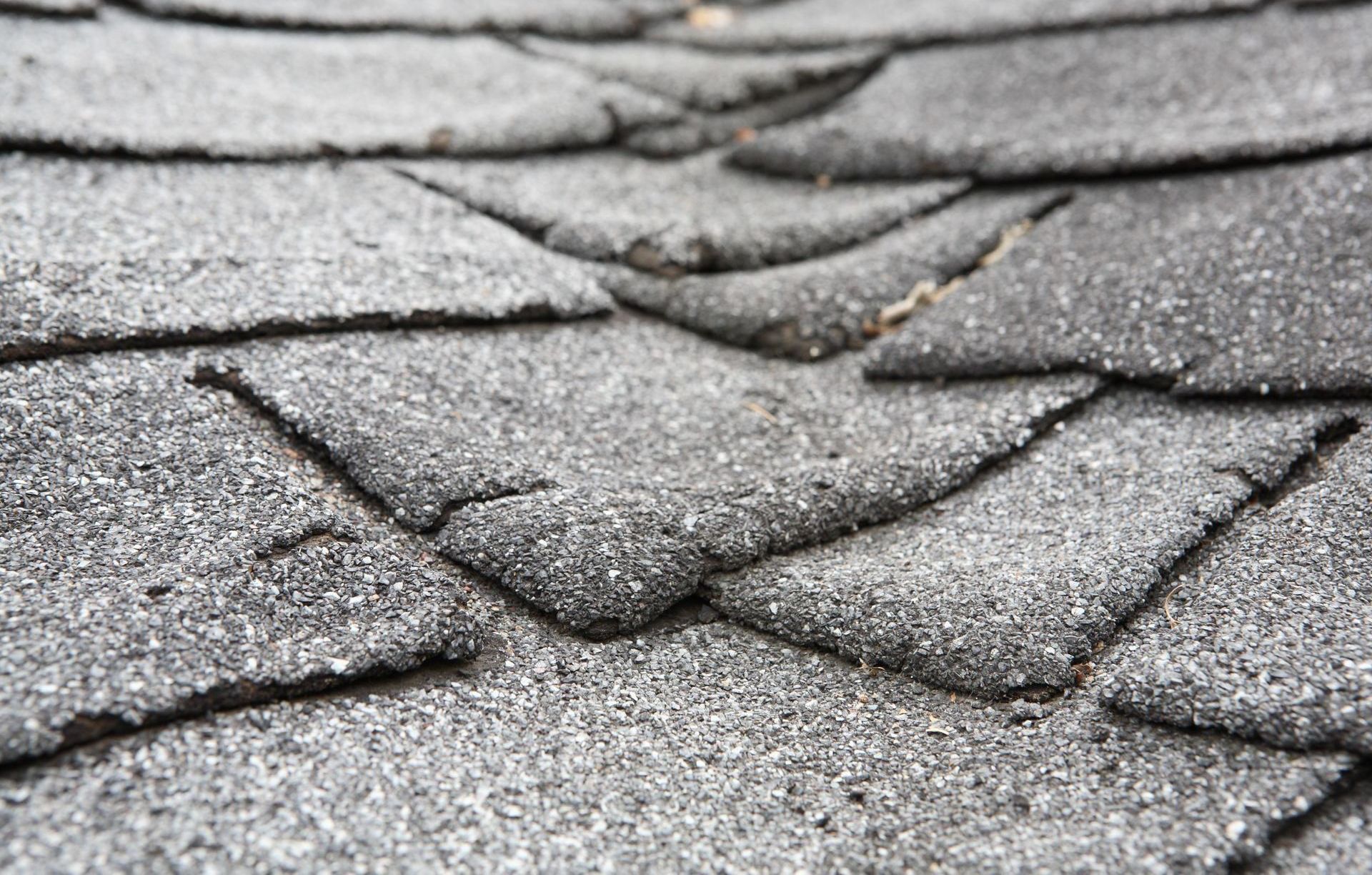
The Klamath Basin wind events that affect Henley properties most severely track from the northwest during late fall and early spring storm periods. The open basin topography between Klamath Falls and the California border south of Henley provides no geographic shielding against these events, which means northwest-facing roof sections on Henley rural properties experience sustained uplift loading at the ridge cap and the leading eave edge at intensities that enclosed neighborhood properties in Klamath Falls and Altamont do not experience at the same frequency. Ridge caps on the northwest-facing roof sections are the first elements to fail because they are the most exposed leading edges on the roofline, and the fastener holes in those locations have been under cyclic uplift loading since original installation. On a Henley property where the same northwest-facing ridge has lost and been replaced caps twice in 15 years, the fastener holes at the original cap locations have been worked by three installation and three removal cycles plus the ongoing wind loading between events. Standard ring-shank fasteners installed into those locations during subsequent repairs do not achieve the pullout resistance of a fresh installation into undisturbed sheathing.
Low-Pitch Residential and Outbuilding Roof Sections With Elevated Wind Exposure
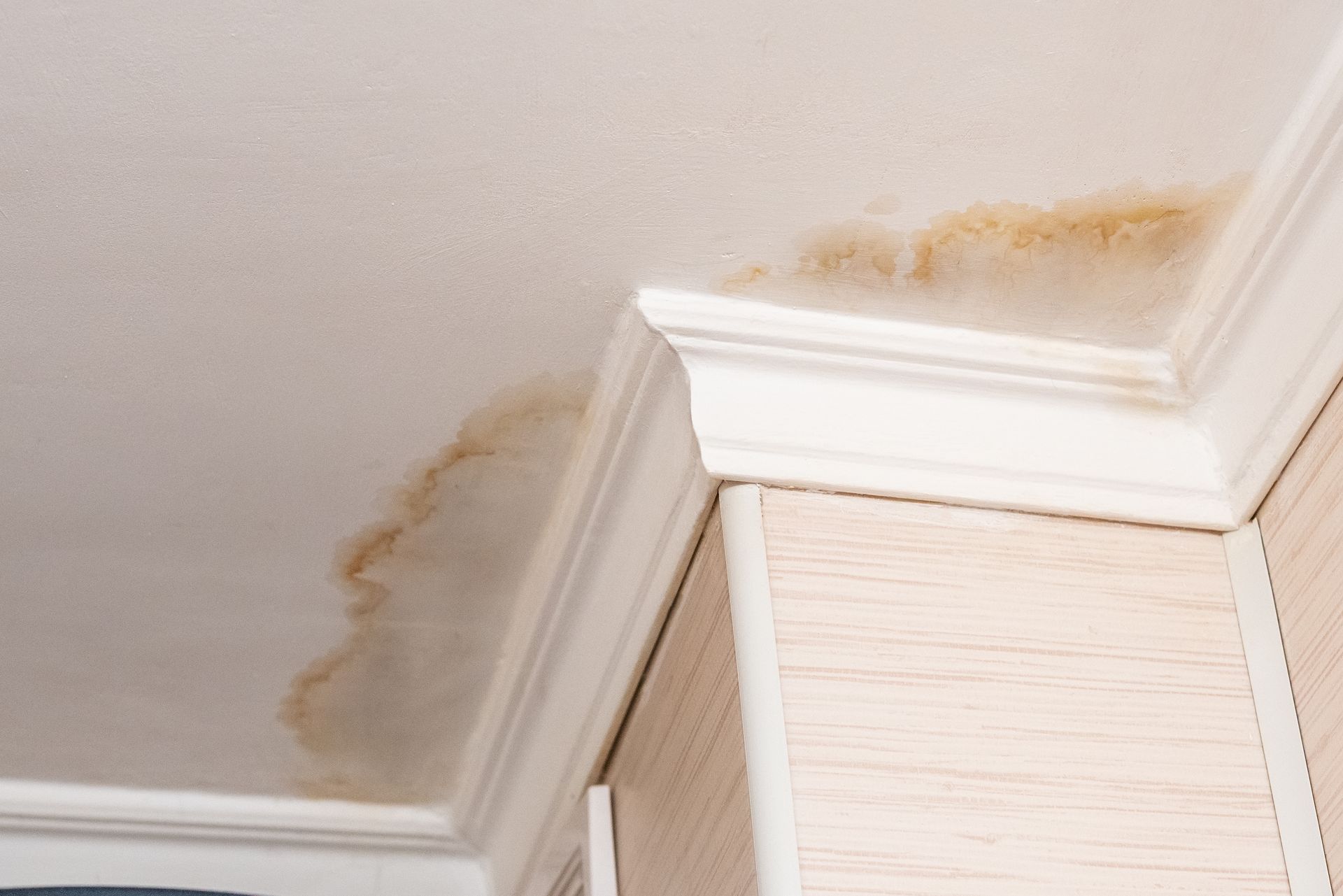
Many Henley rural properties along Highway 39 and the surrounding farm roads carry low-pitch residential structures similar to the Altamont and Klamath Basin ranch inventory, combined with low-pitch outbuildings and equipment sheds on the same acreage lots. The low-pitch sections on these structures, particularly the eave edges on the northwest face, experience wind uplift at an angle that maximizes the lifting force on the lower shingle courses without the aerodynamic shielding that steep pitches provide. Shingle adhesive seal strip bonds that have been through 15 to 20 Klamath Basin wind seasons on a low-pitch northwest eave section have been cycling through the bond-and-release thermal cycle that summer heat and winter cold produce simultaneously with the physical uplift force of wind events, both acting on the same seal strip adhesion. The first bond failure on a low-pitch Henley northwest eave section typically does not produce a visible missing shingle. It produces a shingle that has lifted at the tab edge without fully departing, breaking the bond with the course above it and creating the water entry gap that appears as a ceiling stain during the next driven rain event.
UV Degradation on South-Facing Slopes in the Klamath Basin High Desert
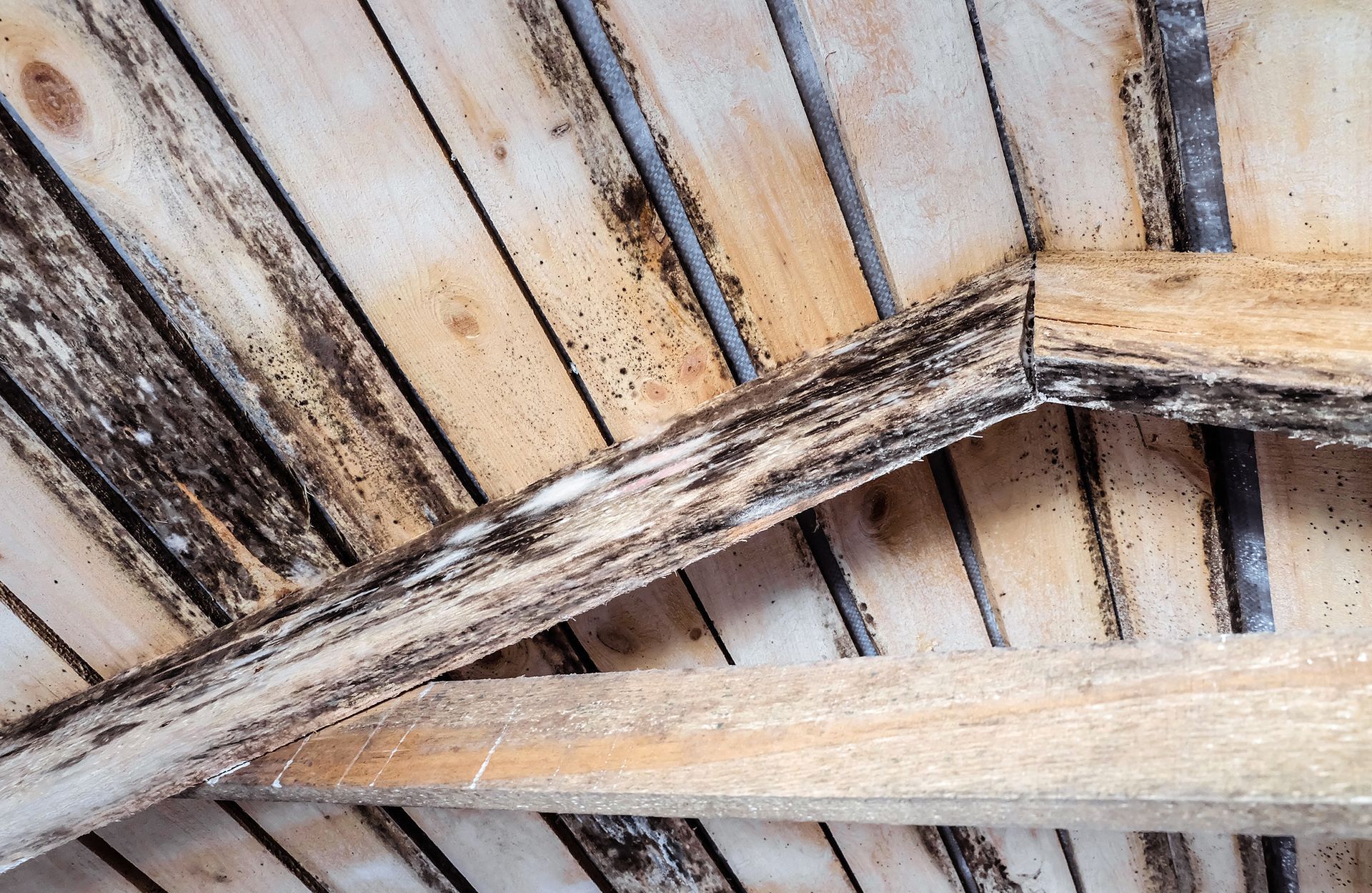
The open Klamath Basin high desert around Henley receives some of the most intense UV loading in Oregon, with over 300 days of sunshine annually and minimal cloud cover buffering through the summer months. South-facing residential roof sections on Highway 39 corridor properties experience the full measure of that loading on asphalt shingle surfaces that may also carry the additional thermal stress of reflecting off surrounding agricultural fields during the long Klamath Basin summer days. The granule loss pattern on Henley south slopes at 15 to 20 years looks similar to what comparable-age surfaces on Altamont and Klamath Falls properties show, but the timeline is compressed. A 15-year-old Henley south slope shingle shows UV degradation comparable to what a 17 to 18-year-old Rogue Valley south slope shingle shows because the UV intensity differential between the high desert and the enclosed valley produces that compression.
Chimney and Flashing Failure on Older Rural Henley Homes
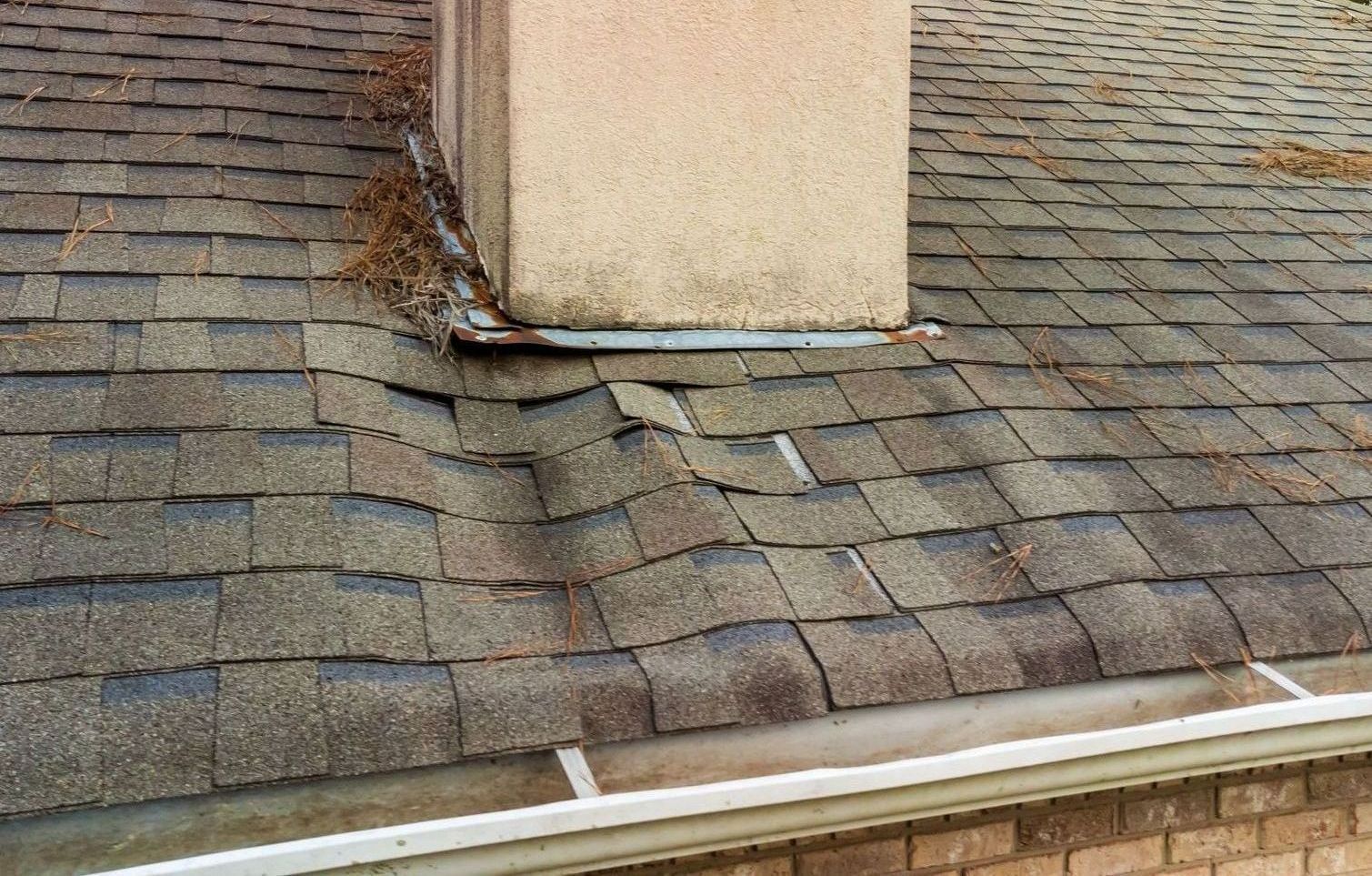
The residential structures along Highway 39 and the rural roads surrounding the Henley community include homes from multiple construction eras, from mid-20th century original farmstead structures to more recent rural residential construction on acreage lots. The older structures carry the same chimney flashing and step flashing failure modes that comparable-vintage Klamath County ranch inventory produces: counter flashing at deteriorated mortar joints, step flashing separation at garage-to-wall transitions on structures where attached shops or outbuildings create those intersections, and pipe boot collar degradation on structures where HVAC systems were retrofitted into original construction that did not account for rooftop penetrations. These standard repair conditions exist on Henley properties independent of the open-lot wind exposure that drives the fastener and ridge cap conditions described above.
Reading Wind Damage on Henley, OR Rural Properties
The Difference Between Wind Damage and Age Wear on Exposed Rooflines
On Henley rural properties after a significant Klamath Basin wind event, the inspection question is whether the visible damage resulted from the wind event or was present before it and revealed by it. Ridge caps that shifted during a wind event show specific indicators: the fastener holes in the cap that departed are clean and the surrounding sheathing beneath is in the same condition as the adjacent undamaged sections. Ridge caps that were already at the end of their fastener life before the wind event show elongated fastener holes where cyclic uplift has worked the fastener over multiple seasons, with the wood fiber around the hole compressed in a pattern consistent with repeated loading and recovery rather than a single-event departure. A repair that treats all displaced ridge caps as equal wind events requiring identical fastener scope misses the distinction that determines whether the repair holds.
Seal Strip Failure Indicators on Low-Pitch Northwest Eave Sections
On Henley low-pitch residential and outbuilding roof sections facing northwest, the exterior indicator of seal strip failure without visible shingle displacement is shingle tabs that lift visibly when a flat tool is slid under them from above, rather than lying flat against the course below. Seal strip bond failure on a low-pitch northwest shingle section produces this condition before any shingle actually departs, because the uplift force partially breaks the bond without fully releasing the shingle from the course above it. Checking northwest eave tabs manually after any significant Klamath Basin wind event, running a flat tool across the tab edges and noting which sections offer resistance and which lift freely, provides the most accurate assessment of seal strip condition without waiting for a ceiling stain to confirm the failure.
UV Degradation Indicators on South-Facing Henley Ranch Slopes
On Henley south-facing ranch roof sections, the granule accumulation in the gutters below those slopes after spring rain events is the most accessible early degradation indicator. A gutter carrying a visible layer of granules after a moderate rain event, with a sandpaper-texture sediment at the downspout discharge point, confirms active granule loss above the level that normal weathering produces at the shingle's current age. Comparing the granule volume in south-facing gutters against north-facing gutters on the same property tells the homeowner whether south-slope degradation is occurring at an accelerated rate relative to the same system on the protected north slope.
How Outlaw Roofing Inspects Henley, OR Properties

Lot Exposure Orientation Assessment Before Any Fastener Scope Is Written
Every Outlaw inspection on a Henley rural property begins by documenting the lot exposure orientation: which compass directions the roof faces relative to the property's topographic context, what structures or features provide any windbreak on adjacent sides, and what the prevailing storm wind direction is for the specific lot location along Highway 39 or the surrounding rural road network. That orientation mapping determines which roof sections are the primary uplift exposure locations and directs the inspection to those sections first before the full roofline is assessed. A ridge cap that is on the northwest face of an exposed Henley lot receives different fastener assessment scrutiny than a ridge cap on the southeast face of the same roofline, because the uplift history of each is different.
Step 2 - Written Proposal Accounting for Open-Plain Wind and Klamath County Scope
The Outlaw written proposal for every Henley replacement names the specific product being installed and its wind resistance rating as the first performance specification, lists the deck repair allowance as a visible line item, identifies the ice and water shield scope at eave edges appropriate to Klamath County winter conditions rather than minimum code spec, states the Klamath County Building Department permit fee, and separates every other cost element.
Fastener Hole Assessment at Wind-Affected Ridge Cap Locations
On Henley properties where ridge caps have been displaced or replaced in prior repair cycles, the fastener hole condition at each repair location is physically assessed before any new fastener specification is determined. Holes are checked for elongation by inserting a fastener of the original diameter and noting whether it seats with resistance or slides freely. Holes that slide freely have been worked beyond the original tolerance and require either oversized diameter fasteners, the next undisturbed fastener location in the cap sheathing, or structural adhesive backing behind the sheathing face where the cap attaches. The written proposal documents the fastener specification separately for each ridge section based on the hole condition found, rather than applying a uniform fastener specification across the full ridge length.
Klamath County Building Codes Division Permit Where Required
Repair work meeting the Klamath County permit threshold for Henley properties, which are in unincorporated Klamath County along Highway 39, files with the Building Codes Division at 305 Main Street, Klamath Falls, OR 97601, phone (541) 883-5121. There is no City of Henley permit authority. Outlaw determines the permit requirement for every Henley repair before any work begins and files where required.
Materials Outlaw Specifies on Henley, OR Wind Exposure Repair Projects
Stainless Steel Ring-Shank Fasteners at Worked Fastener Locations
Where Outlaw's fastener hole assessment confirms that existing ridge cap fastener holes have been worked beyond their original diameter tolerance by cyclic wind uplift, the repair specification uses stainless steel ring-shank fasteners at oversized diameter for those locations. The ring-shank profile mechanically locks into wood fiber around the fastener shaft, providing pullout resistance that smooth-shank fasteners cannot achieve in worked hole locations where the original wood fiber compression has been reversed by repeated loading cycles. Stainless steel rather than zinc-coated fasteners eliminates the corrosion-at-head failure mode that develops on standard fasteners exposed to the Klamath Basin freeze-thaw cycling and snow moisture conditions at ridge cap fastener locations over 10 to 15 years.
Wind-Rated Architectural Shingles With High Wind Resistance Approval for Exposed Lots
Ridge cap and eave course replacement on exposed Henley northwest-facing sections specifies GAF, IKO, or CertainTeed architectural shingle products with the highest available wind resistance rating for the applicable product line, rather than standard wind resistance specification products. The wind rating difference between standard and enhanced specification products reflects the uplift force testing each product passed during manufacturer qualification, and the exposed Klamath Basin lots along Highway 39 consistently deliver the wind conditions that distinguish the performance levels between those two specifications. Using enhanced wind-rated products on Henley exposed-lot repairs extends the interval before the next wind-related failure at those sections beyond what standard specification achieves.
Seal Strip Adhesive at Partial Bond Release Locations
On Henley low-pitch northwest eave sections where the seal strip adhesion test confirms partial bond release without full shingle departure, Outlaw applies roofing seal strip adhesive at each tab edge showing lift rather than replacing the shingle course. The adhesive application addresses the partial release without the material cost of full course replacement on shingle surfaces that are otherwise sound. Where partial release is confirmed across more than 30 percent of the eave course length, full course replacement with the enhanced wind-rated product is specified because the extent of partial release indicates systemic seal strip failure rather than isolated tab release.
Repair or Replacement for Henley, OR Rural Properties
When Targeted Wind Damage Repair Is the Right Scope
A Henley property where wind damage has displaced ridge caps on the northwest face, the fastener hole assessment finds adequate hole condition at most cap locations with only two or three worked locations requiring oversized fasteners, and the surrounding shingle system has 10 or more years of remaining service life, is a repair situation. Ridge cap replacement with stainless ring-shank fasteners at worked locations, new caps over undisturbed fastener locations elsewhere, and seal strip adhesive at any partial-release eave tab locations addresses the active damage without requiring system-wide replacement. See also: /residential-roofing-contractor-henley-or
When the Henley Property Condition Points Toward Replacement
A Henley property where the third or fourth wind event in five years has displaced ridge caps on the northwest face, the fastener hole assessment finds worked holes across the majority of the cap locations on that face, the south slope shows granule depletion past UV protection at 20 years, and the chimney flashing has been caulked at each maintenance cycle without mortar joint replacement, is not a repair situation. Replacement addresses the full system condition that successive repairs have been managing individually. See also: /residential-roof-replacement-henley-or
Why Henley's Open Klamath Basin Position Creates the Specific Repair Conditions It Does
Henley's position along Highway 39 in the southeastern Klamath Basin places it in the most wind-exposed residential corridor in Klamath County. The Basin opens to the south toward the California border and to the west toward the Cascade foothills, and the fall and spring storm systems that track through the Basin from the northwest hit the Highway 39 corridor between Klamath Falls and the Henley community without the terrain moderation that communities in the Cascade foothills or within the Klamath Falls developed area experience. Properties on the east side of Highway 39 face the prevailing northwest wind direction with no upwind obstruction between their rooflines and the open Basin floor.
The same open Basin topography that creates the wind exposure produces the UV loading. With over 300 days of annual sunshine and minimal cloud cover through the summer, Henley south-facing roof sections accumulate UV exposure that compressed into the shingle service life timeline at a rate comparable to what desert market roofing experiences rather than what typical Oregon high-rainfall markets see. A shingle manufacturer's 30-year service estimate for the Pacific Northwest does not reflect what a Henley south-facing slope accumulates through Klamath Basin summer conditions.
The freeze-thaw cycling at Henley's elevation, similar to the Altamont community to the north, subjects every fastener, sealant joint, and flashing attachment on Henley properties to the same thermal cycling that produces the familiar Klamath County repair conditions. Combined with the wind uplift loading on exposed northwest faces, Henley properties experience simultaneous UV aging, freeze-thaw cycling, and directional wind uplift — three forces acting on the same roofline at the same time rather than the sequentially or seasonally differentiated stress patterns that Rogue Valley and Willamette Valley markets experience.
Henley's Housing and Property Profile Along Highway 39 and the Surrounding Rural Roads
Henley is a small rural community along Highway 39 south of Klamath Falls, with a residential and agricultural character that reflects its origins as a farming settlement in the Klamath Basin. The housing stock along Highway 39 and the surrounding rural roads includes original mid-20th century farmstead structures, postwar ranch homes on agricultural lots, and more recent rural residential construction on acreage properties. Most Henley properties carry more than one structure: the residential home plus a shop, barn, or outbuilding that shares the lot and, in many cases, shares the same roofline vulnerability to Basin wind events.
The residential structures along Highway 39 are predominantly single-story ranch homes on large lots with open exposure on at least two sides. The absence of established tree windbreaks on most Henley agricultural lots reflects the high desert climate and the historical use of the surrounding land for dryland farming and cattle operations rather than orchard or timber production. That absence is the defining characteristic that separates Henley repair conditions from comparable-age ranch home inventory in communities with established tree-lined streets and adjacent structures providing partial wind shielding.
A Recent Roof Repair in Henley, OR: What the Fastener Assessment Revealed
Last winter Outlaw completed a repair on a rural property along Highway 39 in the Henley area where the homeowner had lost ridge caps from the northwest face of the residential structure following a Basin wind event. A previous contractor had replaced the same caps two years earlier after an earlier wind event. The homeowner had paid twice for the same repair and was not confident the third repair would hold.
The Outlaw inspection assessed the fastener hole condition at each of the seven cap locations on the northwest ridge face. Four of the seven holes showed elongation consistent with cyclic wind uplift over multiple seasons, with the fastener sliding into the hole without resistance at the cap sheathing layer. The other three holes showed adequate wood fiber condition. The previous repair had used standard zinc-coated smooth-shank roofing nails at all seven locations, installing new fasteners into the same holes that had already been worked by the prior event cycle.
Outlaw's scope: new ridge caps at all seven northwest face locations, stainless steel ring-shank fasteners at the four worked hole locations using a diameter one size above the original, standard stainless ring-shank at the three sound hole locations, construction adhesive backing on the sheathing face behind the two most severely elongated holes before fastener installation, and seal strip adhesive at three northwest eave tabs showing lift without full departure. The south slope was assessed and found at adequate granule coverage for three to four additional years. Klamath County Building Codes permit not required for this repair scope. Total: $1,200. The previous two repairs had cost approximately $800 each. The third repair, correctly specified, cost more per visit but was designed to hold rather than to return.
Why Henley, OR Homeowners Choose Outlaw Roofing for Rural Property Repairs
✓ Veteran-Owned and Klamath County-Based Since 2011
Riley built Outlaw Roofing in Klamath County and have been working rural properties along the Highway 39 corridor and the surrounding Basin communities since 2011. The open-lot wind exposure conditions on Henley properties are not new territory. The fastener fatigue pattern on northwest-facing ridges on unshielded Basin lots is a documented condition in Outlaw's Klamath County work history.
✓ CCB#236299 — Oregon License Verifiable at oregon.gov/ccb
Search CCB#236299 at oregon.gov/ccb before authorizing any repair work on a Henley property. The license is current and covers all roofing work in Klamath County including all unincorporated rural properties served under the county building codes jurisdiction.
✓ Written Proposal That Documents Fastener Specification by Location
An Outlaw repair proposal on a Henley wind-damaged property lists each ridge cap location individually with its fastener hole assessment finding and the specific fastener specification for that location. A homeowner whose northwest ridge has seven cap locations receives a proposal that distinguishes the four worked locations from the three sound locations and explains the different fastener approach for each. That specificity is what separates a repair designed to hold from one designed to satisfy the invoice.
✓ Klamath County Building Codes Division Permit Filed Where Required
Repair work meeting the Klamath County permit threshold files with the Building Codes Division at 305 Main Street, Klamath Falls, OR 97601, phone (541) 883-5121. Outlaw determines the permit requirement for every Henley repair before any work begins and files where required.
What Roof Repair Costs in Henley, OR by Problem Type
Wind Damage Ridge Cap Repair With Fastener Assessment on Exposed Basin Lots: $800 to $1,800
Ridge cap replacement at the northwest face of a Henley rural property, including fastener hole assessment at each cap location, stainless ring-shank fasteners at worked locations, construction adhesive backing where hole elongation is advanced, and seal strip adhesive at partial-release eave tab locations on the same face, typically runs $800 to $1,800 depending on the number of cap locations and the extent of worked hole repair required. Properties with severe fastener hole elongation requiring both oversized fasteners and adhesive backing at multiple locations run toward the upper end.
Low-Pitch Eave Section Seal Strip Repair on Exposed Northwest Residential Sections: $400 to $900
Seal strip adhesive application and targeted shingle course replacement at partial bond release locations on a Henley low-pitch northwest eave section typically runs $400 to $900 depending on the eave length and the percentage of tabs showing lift. Sections where partial release extends across more than 30 percent of the eave length and full course replacement is warranted run toward the upper end. Isolated tab adhesive treatment runs toward the lower end.
Standard Residential Repair on Henley Properties Independent of Wind Exposure: $700 to $2,000
Standard residential roofline repair on a Henley rural property, including chimney flashing reset, pipe boot replacement, or valley flashing repair independent of wind exposure conditions, typically runs $700 to $2,000 depending on scope and access conditions on rural acreage properties. Klamath County permit fees included as a separate line item where applicable. GreenSky financing available. Military discount for veterans.
What Experienced Inspectors Look for on Henley, OR Repair Properties
The lot orientation assessment is the first step on every Henley repair inspection before any roof surface is examined. The inspector identifies the northwest face of every roof section on the property, maps which structures carry rooflines with northwest exposure, and documents whether any upwind obstruction exists between those faces and the open Basin to the northwest. That orientation map directs the inspection to the primary wind exposure locations and determines the fastener assessment priority before the ladder goes up.
Fastener hole assessment at every northwest ridge cap location follows the orientation map. Each cap location is tested physically, not just visually, because early-stage hole elongation is not visible from the cap surface. The assessment determines which locations require standard replacement hardware, which require oversized fasteners, and which require structural adhesive backing before any fastener can achieve adequate pullout resistance in the worked hole.
Seal strip adhesion testing across the northwest eave course length is the third priority on Henley low-pitch exposed properties. The leading eave courses on the northwest face carry the highest uplift loading and the highest frequency of partial bond release. Identifying those sections before they fully depart eliminates the water entry that occurs in the window between partial release and full displacement on the next wind event.
How Long Repair Work Lasts on Henley, OR Rural Properties
A correctly specified Henley ridge cap repair, with stainless ring-shank fasteners at worked locations and construction adhesive backing where needed, delivers 10 to 15 years of reliable service at the repaired cap locations under ongoing Klamath Basin wind exposure conditions. That service life assumes the fastener specification was matched to the specific hole condition found at each location rather than applied uniformly from a standard repair template. Standard smooth-shank zinc fasteners installed into worked Henley ridge holes without adhesive backing typically fail within two to four wind events, which is why the repair pattern repeats on the same properties across multiple years.
Seal strip adhesive repair at partial bond release locations delivers two to five years of reliable seal bond at those specific tabs, depending on the UV exposure of the tab surface and the temperature at the time of application. Adhesive applied to a Klamath Basin south-facing tab at peak summer temperature does not bond as durably as adhesive applied to the same surface in moderate spring or fall conditions, because the asphalt surface is already at elevated temperature when the adhesive is applied. Outlaw schedules seal strip adhesive applications for appropriate temperature windows when project timing allows.
Quick Answers About Roof Repair in Henley, OR
Why do my ridge caps keep coming off every time there is a Basin wind event?
If the same ridge cap locations on the northwest face of your Henley property have been replaced multiple times, the fastener holes at those locations have been worked beyond their original diameter tolerance by cyclic uplift loading. Standard fasteners installed into those locations during subsequent repairs seat in the worked holes without achieving adequate pullout resistance, and the next wind event removes them again. The repair that holds uses oversized ring-shank fasteners or construction adhesive backing to restore pullout resistance at worked locations, rather than standard hardware installed into the same compromised holes.
How much does wind damage repair cost in Henley, OR?
Ridge cap repair with fastener assessment runs $800 to $1,800. Low-pitch eave seal strip repair runs $400 to $900. Standard residential repairs independent of wind conditions run $700 to $2,000. All Outlaw repairs begin with a free inspection and written proposal before any work is authorized.
Does roof repair in Henley require a permit?
Henley is in unincorporated Klamath County. Repair work meeting the county permit threshold files with the Klamath County Building Codes Division at 305 Main Street, Klamath Falls, OR 97601, phone (541) 883-5121. There is no City of Henley permit authority. Outlaw determines the permit requirement before any work begins.
How do I know if my Henley property has an unusual wind exposure problem?
Compare the repair history of your northwest-facing ridge with your southeast-facing ridge on the same structure. If the northwest face has required multiple ridge cap repairs while the southeast face remains intact, the northwest face is carrying above-average uplift exposure. Properties along Highway 39 with no upwind obstruction on the northwest side are in the primary Basin wind exposure zone. Properties with adjacent structures, tree lines, or terrain features on the northwest side are partially shielded and experience lower uplift loading on the same roofline section.
What is the difference between ring-shank and smooth-shank fasteners for ridge cap repair?
Smooth-shank fasteners derive their pullout resistance entirely from friction between the fastener shaft and the surrounding wood fiber. Ring-shank fasteners have annular rings along the shaft that mechanically interlock with wood fiber, providing pullout resistance that does not depend only on friction. In worked fastener holes where the wood fiber has been compressed and released through multiple loading cycles, smooth-shank fasteners have minimal remaining friction to hold against and pull out under modest uplift loading. Ring-shank fasteners in the same worked hole achieve mechanical interlock with the wood fiber remaining around the ring profile even where the smooth-shank zone of the hole has been worked.
Frequently Asked Questions About Roof Repair in Henley, OR
How do I verify Outlaw Roofing's Oregon contractor license?
Go to oregon.gov/ccb and search for CCB#236299. The current license status displays immediately. Every contractor performing roofing work in Henley and Klamath County is required to hold a current, verifiable CCB registration.
Can Outlaw repair both my residential roof and my outbuilding roof on the same property visit?
Yes. Rural Henley properties frequently carry both residential and outbuilding rooflines that need attention following Basin wind events. Outlaw assesses both structures during the same inspection visit and addresses both in the same written proposal, with scope and cost listed separately for each structure so the homeowner can approve them independently or together.
What wind speed triggers the ridge cap failures I am seeing on my Henley property?
Klamath Basin wind events that produce ridge cap damage on exposed Henley properties typically involve sustained speeds above 35 to 40 miles per hour with gusts above 50. The National Weather Service station at the Klamath Falls airport tracks these events, and wind advisories issued for the Klamath Basin typically precede the repair calls Outlaw receives from Henley area properties. However, ridge cap locations with severely worked fastener holes can fail at lower sustained speeds once the hole elongation has advanced to the point where the fastener has essentially no remaining pullout resistance.
Does Outlaw Roofing offer financing for Henley homeowners?
Yes. GreenSky financing up to 100 percent for qualified Henley homeowners with fixed monthly payment terms. Military discount for veterans and active service members throughout the Henley community and the broader Klamath County rural corridor.
What related services does Outlaw provide in Henley?
Henley homeowners whose inspection confirms that replacement rather than repair is the appropriate scope can reference the residential roof replacement Henley OR page (/residential-roof-replacement-henley-or). The residential roofing contractor Henley OR page (/residential-roofing-contractor-henley-or) covers Outlaw's full certification and service area for the Henley and southern Klamath County market.

Henley Homeowners: Get Your Written Repair Estimate From Outlaw Roofing
A missing ridge cap on the northwest face of a Henley property along Highway 39 is not the same repair as a missing ridge cap on a sheltered Medford suburban lot. The fastener holes at that location have a history that determines whether standard hardware will hold, and Outlaw assesses that history before writing a single line item. Riley, veteran-owned, CCB#236299. GreenSky financing available. Military discount for veterans. Call (541) 275-6189 or schedule at /contact.