Residential Roof Repair in Eagle Point, OR
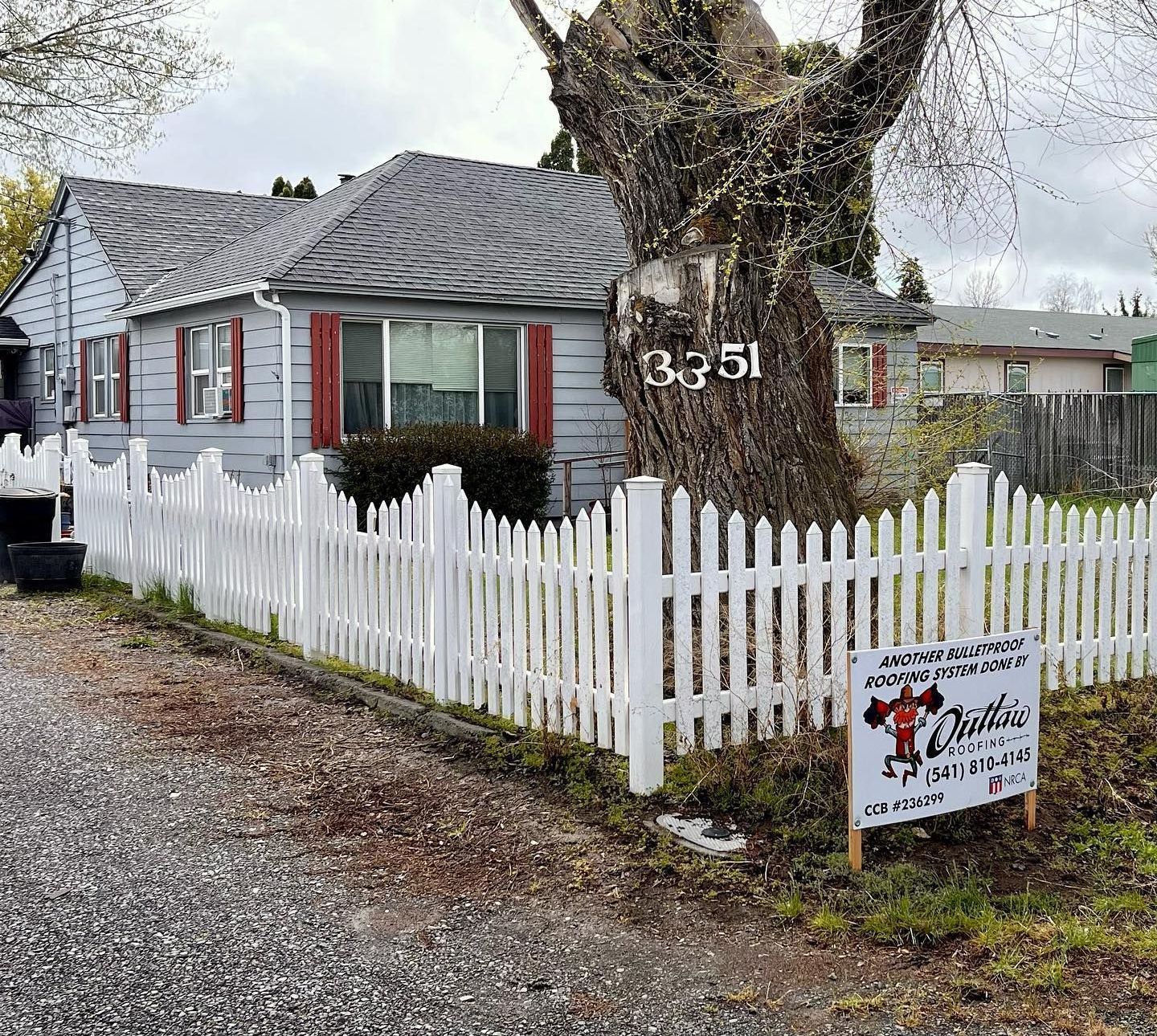
Roof Repair in Eagle Point, OR: The Ranch Home and the Golf Community Are Not the Same Repair — and the Inspection Needs to Know Which One It Is Looking At
A ceiling stain in January looks the same whether you live on Shasta Avenue or Clubhouse Drive in Eagle Point. The cause and the repair scope are completely different. The midcentury ranch homes near Main Street and the Little Butte Creek corridor fail at the pipe boot. The concrete and clay tile homes in the Eagle Point Golf Community along Clubhouse Drive and through the Quail Run subdivision fail at the ridge mortar. An inspection that treats both properties as standard asphalt shingle repair jobs misses the tile system's failure mechanism entirely and quotes a scope that will not hold through the following winter.
Our team, veteran-owned and operating under Oregon CCB license #236299, identify which housing profile and which failure mechanism is present before writing a single line item on an Eagle Point repair proposal. City of Eagle Point Building Department permit at 17 Buchanan Avenue South, phone 541-826-4212, filed where required before repair work begins. GAF, IKO, CertainTeed, WeatherBond, and PolyGlass certified. GreenSky financing available. Military discount for veterans and active service members. Call (541) 275-6189.
The Two Repair Problems Eagle Point Produces and Why Each Demands Its Own Diagnosis

Pipe Boot Failure on Shasta Avenue and Royal Avenue Ranch Homes
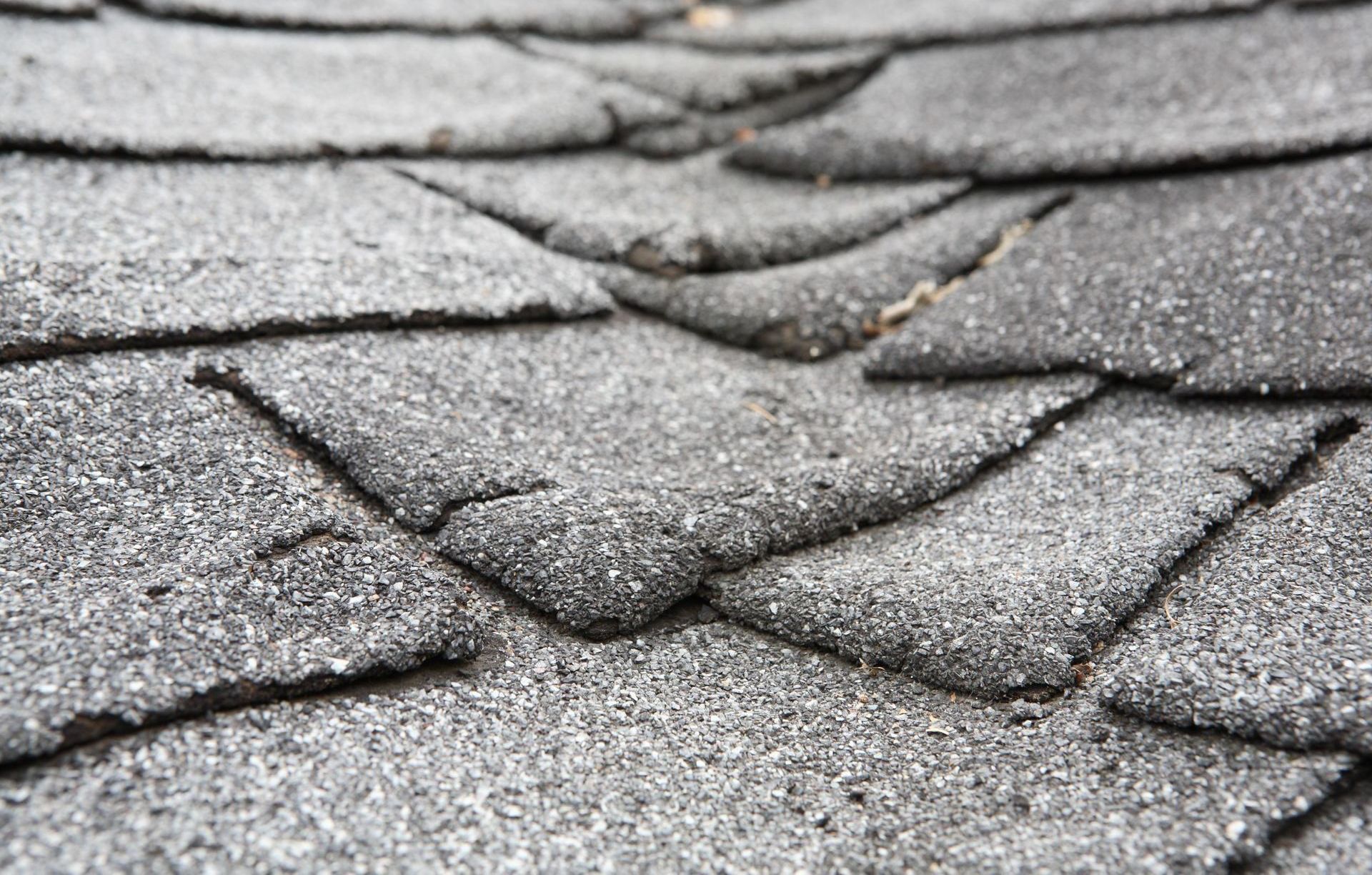
Eagle Point's midcentury ranch inventory along Shasta Avenue, Royal Avenue, and the residential streets connecting to Main Street carries a specific vulnerability that results directly from how those homes were built and then modified. The original structures went up without rooftop HVAC penetrations. As mechanical systems were added over the decades, pipe boots were cut into existing shingle fields at locations determined by interior mechanical routing rather than roofline drainage logic. That means Eagle Point ranch homes routinely have boots positioned in low-pitch sections near eave edges, on slopes that concentrate runoff, or in locations where north-facing exposure keeps the neoprene collar wet through the November to April wet season without meaningful drying between events.
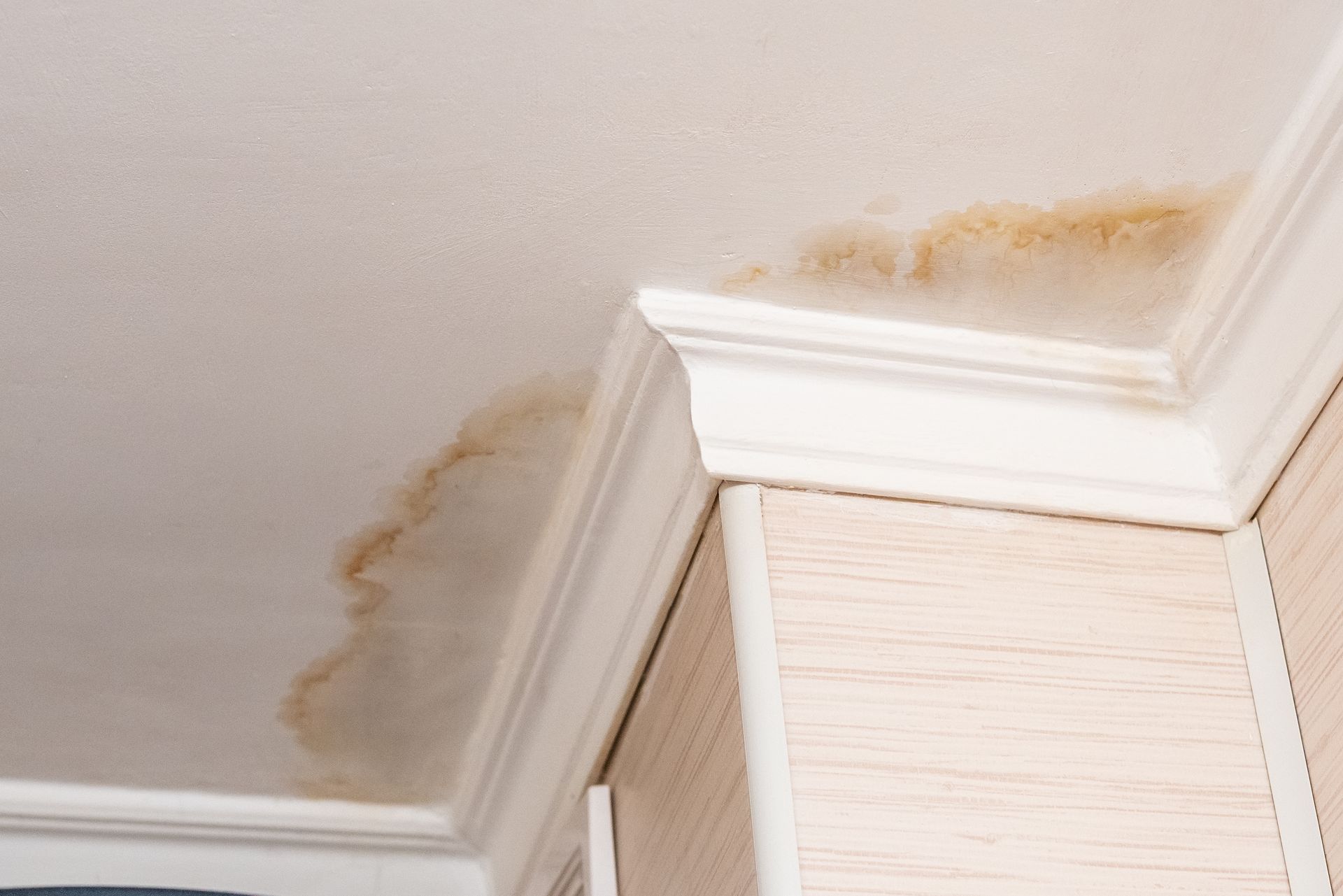
The neoprene collar on a standard pipe boot has a service life of 15 to 20 years under Rogue Valley UV loading. On an Eagle Point ranch home where the boot sits on a south-facing slope that reaches 150-degree surface temperatures through July and August, that collar hardens and cracks at the metal flange seam well before the surrounding shingle system reaches replacement age. The crack is rarely visible from the ground. The first evidence is a ceiling stain that traces a roughly circular shape directly below the stack rather than tracking along an exterior wall or accumulating at a corner junction.
Ridge Mortar Failure on Clubhouse Drive and Quail Run Golf Community Tile Roofs
The concrete and clay tile rooflines installed on Eagle Point Golf Community homes after 2000 do not fail through shingle degradation or flashing separation. They fail through the mortar bedding system that holds ridge cap tile in place at the roofline peak. Ridge cap tile is set into a mortar bed that bonds each cap to the field tile below it and to adjacent cap pieces on either side. In Eagle Point's climate, with summer surface temperatures regularly exceeding 150 degrees on south-facing tile faces and winter lows occasionally dropping near 25 degrees, the mortar bed cracks at the thermal expansion joints between adjacent cap pieces over 15 to 25 years of cycling. Each crack allows the cap tile above it to lift slightly at that joint. Wind-driven rain enters beneath the lifted cap edge, bypasses the underlayment below, and tracks down the interior roof surface until it finds a ceiling penetration point.
Most asphalt shingle contractors who inspect an Eagle Point tile roof call the ridge mortar condition correctly in obvious cases of advanced deterioration. What they frequently miss is the early-stage cracking where the mortar has fractured but the cap tile has not yet visibly shifted. Early-stage ridge mortar failure on an Eagle Point golf community home produces the same ceiling stain as advanced failure, and the repair that addresses it is mortar removal and repointing rather than cap tile replacement. A contractor who recommends full ridge cap replacement on a tile system with early-stage mortar cracking is proposing a more expensive and more invasive repair than the condition requires.
Reading the Warning Signs on Each Eagle Point Housing Type
Ranch Home Indicators Near the Little Butte Creek Corridor
On Eagle Point ranch homes along the Main Street corridor and the residential streets adjacent to Little Butte Creek, the first place to look after any significant rain event is the ceiling directly below every rooftop stack, not just the one above the reported stain location. Neoprene boots on a ranch home built in the 1960s were installed as a set within the same year, which means all the boots on that roofline entered service at the same time and are reaching the same end-of-life threshold simultaneously. A homeowner who addresses one cracked boot and leaves the remaining three uninspected is managing a repair problem that will reappear at the next stack within one to two wet seasons.
Valley debris loading is the secondary warning sign specific to ranch homes near the creek corridor. Eagle Point's riparian cottonwood and oak canopy along Little Butte Creek deposits significant leaf and bark debris on rooflines within two or three lots of the creek drainage through October and November. A valley carrying compressed organic debris through the wet season has been holding moisture against the step flashing beneath it at every rain event. The failure that results is not the debris itself but the accelerated sealant degradation at the flashing lap joints from sustained moisture contact that a clear valley does not experience.
Golf Community Indicators Along Clubhouse Drive and the Quail Run Hillside
On Eagle Point Golf Community tile homes, the inspection starts from the ground with binoculars or a telephoto lens rather than ladder access, because ridge mortar condition at early failure stages is readable from below on a clear day if you know what the indicators look like. Adjacent ridge cap pieces that show slightly different seating positions relative to each other, any visible gap at the mortar joint line between adjacent caps, or cap pieces that show efflorescence, the white mineral residue left by water evaporating through the mortar, are all indicators that the mortar bed has been taking on water at that location. Inside the home, ceiling staining that appears at the apex of a vaulted ceiling directly below the ridge line, rather than near a wall or a penetration, is the interior signature specific to ridge mortar failure on a tile system.
The Inspection Process Outlaw Runs on Eagle Point, OR Properties

Ranch Home Protocol: Every Pipe Boot, Every Valley, Every Eave
On Eagle Point ranch home inspections, Outlaw physically examines every pipe boot on the roofline rather than only the one above the reported stain location. Collar condition at the metal flange is checked by hand compression, which identifies stiffness and early cracking that is not visible from below. Valley sections adjacent to the Little Butte Creek corridor are cleared of any debris accumulation before the flashing lap condition underneath is assessed. Eave edges on the low-pitch garage sections common on 1960s and 1970s ranch inventory are examined for lifted shingle tabs that indicate adhesive bond failure from wind uplift at the low angle.
Golf Community Protocol: Mortar Assessment Before Any Cap Work Is Quoted
On Eagle Point Golf Community tile inspections, every section of ridge cap mortar is assessed before any cap tile is disturbed or any scope is committed. The mortar condition determines whether the repair is repointing, cap tile repositioning and repointing, or full cap tile replacement. Quoting cap tile replacement before the mortar is assessed is quoting from assumption rather than from inspection. The written proposal Outlaw delivers on a golf community tile repair identifies the mortar condition at each ridge section separately and prices the appropriate remediation for each rather than applying a uniform scope across the full ridge length.
City of Eagle Point Permit Determination Before Any Work Begins
Repair work meeting the City of Eagle Point permit threshold files with the Building Department at 17 Buchanan Avenue South, Eagle Point, OR 97524, phone 541-826-4212. Outlaw determines the permit requirement for every Eagle Point repair before any work is dispatched. Whether the property is on a Main Street corridor ranch lot or a hillside golf community lot overlooking the Robert Trent Jones Jr. designed course, the permit determination happens before the crew arrives, not after the scope has already started.
Materials Outlaw Specifies by Repair Type on Eagle Point Properties
Pipe Boot Replacement: EPDM Collars, Not Neoprene Repeats
When replacing failed neoprene pipe boots on Eagle Point ranch homes, Outlaw specifies EPDM rubber collars rather than standard neoprene replacements. EPDM maintains flexibility through a significantly wider temperature range than neoprene and has a demonstrated service life of 20 to 30 years under Rogue Valley UV conditions. Replacing a failed neoprene boot with another neoprene boot on a south-facing Eagle Point slope that reaches 150-degree surface temperatures recreates the same failure condition on a 15 to 18 year timeline. EPDM changes that timeline.
Ridge Mortar for Tile Repair: Type S Mortar, Not Roofing Caulk
Ridge mortar repair on Eagle Point golf community tile roofs requires Type S mortar mixed for flexibility in outdoor thermal cycling conditions, not roofing caulk applied as a short-term gap filler. Caulk applied into a ridge mortar joint as a repair holds the gap closed through one to two thermal cycles before the caulk itself cracks from the same expansion and contraction forces that cracked the original mortar. Type S mortar applied correctly, with proper joint preparation and appropriate cure time before weather exposure, delivers 15 to 20 years of reliable service at the repaired joint. A tile repair proposal that does not specify the mortar type has not addressed the material failure that drove the call.
Ice and Water Shield at Any Exposed Deck Surface During Repair Work
On both ranch home and golf community repair projects in Eagle Point, any deck surface exposed during repair work receives ice and water shield rather than standard felt before new surface material is installed. Eagle Point receives sufficient freeze events through December and January that the eave and valley exposure positions that most commonly require repair work are also the positions most vulnerable to ice dam entry in the winters that follow. Ice and water shield at those locations adds 15 to 20 years of redundant membrane protection regardless of what the surface material above it does.
Repair or Replacement on Eagle Point, OR Properties
When Targeted Repair Is the Right Call
Three pipe boots cracked on a 14-year-old ranch home with a structurally sound deck, no active valley flashing failure, and no granule depletion on either slope orientation is a repair. Early-stage ridge mortar cracking on a tile system that is otherwise seated correctly, with sound field tile and intact underlayment confirmed at the inspection access point, is a repair. Outlaw quotes both options on every Eagle Point project where replacement is a plausible near-term consideration, and the written proposal shows the cost difference so the homeowner can evaluate whether the repair investment makes sense against the replacement timeline. See also: /residential-roofing-contractor-eagle-point-or
When the Eagle Point Property Condition Calls for Full Replacement
A Shasta Avenue ranch home with three cracked pipe boots, active valley flashing failure at the addition section intersection, granule depletion past UV protection on the south slope at 22 years, and soft deck boards at the north eave from prior ice dam history is not a repair situation. The repair cost at that condition approaches the replacement cost without producing the complete system coverage, manufacturer warranty, and ventilation correction that replacement delivers. See also: /residential-roof-replacement-eagle-point-or
Why Eagle Point's Climate Produces the Specific Failures It Does
Eagle Point's position 20 miles north of Medford in the Rogue Valley produces a climate that drives roofing failure through concentrated summer heat rather than moisture volume. Average high temperatures exceed 90 degrees from June through September, with roof surface temperatures on south-facing slopes reaching 150 to 160 degrees on clear summer afternoons. That thermal loading is what degrades neoprene pipe boot collars, dries and cracks ridge mortar on tile systems, and causes asphalt binders to lose granule adhesion on south slopes well before the 20-year mark.
Eagle Point also sits in the 100 percent wildfire risk zone identified by Redfin's First Street analysis, with every property in the city carrying some wildfire exposure over the next 30 years. For homeowners near the open lots east of Shasta Avenue and on the hillside properties above the golf course community, fire-rated roofing material is not a theoretical consideration. Metal roofing with a Class A fire rating and Class 4 impact-resistant asphalt shingles are the appropriate material responses to that risk profile when a repair situation leads to a replacement conversation.
Little Butte Creek's riparian corridor creates concentrated debris loading on creek-adjacent properties that does not affect properties two or three blocks away. Valley flashing on properties within two lots of the creek drainage carries higher debris accumulation than the same valley configuration on open-lot properties along the Rogue Valley floor. Outlaw's inspection protocol for creek-corridor Eagle Point properties accounts for this by clearing every valley before assessing flashing condition rather than reading the debris-covered surface as the inspection baseline.
Eagle Point Housing Stock and What It Means for Repair Scope
Eagle Point's residential profile divides cleanly into two eras that produce different repair needs. The midcentury and postwar inventory clustered near downtown and along the Main Street corridor represents the original character of the community, with modestly sized ranch and split-level homes on standard lots that have been modified and maintained across multiple ownership cycles. These properties carry the repair profile of their era: original board sheathing on the oldest structures, HVAC penetrations added after original construction, low-pitch garage sections with wind uplift vulnerability, and valley intersections at addition sections that have 40 to 50 years of service history.
The golf community development that followed the opening of the Eagle Point Golf Club in 2000 introduced a different housing profile entirely. Larger homes on hillside lots with valley and mountain views, concrete and clay tile rooflines appropriate to the architectural style of the community, and construction standards that reflected the building codes and practices of the 2000s rather than the 1960s. These properties are now 20 to 25 years old, placing them at the threshold age where ridge mortar systems begin showing thermal cycling failures and where underlayment condition becomes a meaningful variable in any repair assessment.
A Recent Roof Repair in Eagle Point, OR: Two Problems on the Same Inspection
Last summer Outlaw completed a repair on a 1971 ranch home on a lot off Royal Avenue in Eagle Point where the homeowner had called about a ceiling stain in the hallway. The stain was small, roughly eight inches across, and had appeared after a heavy spring rain event. The homeowner suspected the pipe boot above the hall bath exhaust fan.
The inspection confirmed that boot had a collar crack at the south face of the metal flange. What the inspection also found was that the valley at the addition section on the west side of the home, a valley that creates the intersection between the original 1971 roofline and the addition section built in 1984, had been carrying a compressed mat of cottonwood and oak debris from the Little Butte Creek corridor. Clearing that debris revealed valley metal at the lap joint that had separated from the adjacent step flashing by a quarter inch across an 18-inch section near the wall base. The attic showed active moisture staining at the deck boards above that valley section consistent with water entry over at least two prior wet seasons. The homeowner had only reported the hallway stain. The valley had been delivering water into the attic framing cavity without producing a visible ceiling stain at the locations the homeowner had been checking.
Outlaw's scope: EPDM pipe boot replacement at the hall bath stack and at two additional stacks on the same roofline where collar compression testing found early stiffness, valley metal replacement at the full west addition valley, ice and water shield beneath the new valley metal at the wall base transition, step flashing replacement at the three courses adjacent to the separated section, and documentation of the attic moisture staining for the homeowner's records. City of Eagle Point permit not required for this repair scope. Total: $3,400. The homeowner had budgeted for a $400 pipe boot repair. The inspection found the scope that actually needed addressing.
Why Eagle Point, OR Homeowners Choose Outlaw Roofing for Repair Work
✓ Veteran-Owned With Housing-Type-Specific Inspection Protocol
Riley brings the same accountability to a $3,400 Eagle Point repair that they bring to a full replacement. The pipe boot and valley protocol on ranch homes and the ridge mortar assessment on golf community tile roofs are not situational adjustments. They are standard parts of every Eagle Point inspection.
✓ CCB#236299 — Oregon License Verifiable at oregon.gov/ccb
Search CCB#236299 at oregon.gov/ccb before authorizing any repair work on an Eagle Point property. The license is current and covers all roofing work in Jackson County including Eagle Point city limits and the golf community area.
✓ Written Proposal That Names Every Material and Every Scope Item Before Work Starts
An Eagle Point repair proposal from Outlaw names the boot collar material, the mortar specification, the valley metal gauge, and the ice and water shield product before any crew is dispatched. No verbal scope. No material substitutions on installation day. No additional items added after work has started without the homeowner's written approval.
✓ City of Eagle Point Permit Compliance on Every Applicable Project
Repair work meeting the City of Eagle Point permit threshold files with the Building Department at 17 Buchanan Avenue South, Eagle Point, OR 97524, phone 541-826-4212 before any work begins. Outlaw determines the threshold requirement for each project and files where required.
What Roof Repair Costs in Eagle Point, OR by Housing Type and Problem
Pipe Boot Replacement on Main Street Corridor and Shasta Avenue Ranch Homes: $400 to $1,200
Single EPDM pipe boot replacement on an Eagle Point ranch home, including shingle disturbance to access the boot base and reinstallation of surrounding courses, typically runs $400 to $600. Full ranch home pipe boot set replacement, where the inspection finds multiple boots at the same service-life threshold, typically runs $800 to $1,200 depending on boot count and roof access. Replacing the full set at one mobilization costs less per boot than returning for each failure individually over the following two to three wet seasons.
Valley Repair at Ranch Addition Intersections: $900 to $2,200
Valley metal replacement at a ranch home addition intersection, including debris clearing, step flashing replacement at adjacent wall courses, and ice and water shield at the transition base, typically runs $900 to $2,200. Additions from the 1970s and 1980s with original valley metal still in service run toward the upper end because the flashing age alone justifies full replacement regardless of visible failure status at the lap joints.
Ridge Mortar Repair on Golf Community Tile Roofs: $1,400 to $3,500
Ridge mortar assessment, joint preparation, and Type S mortar repointing at an Eagle Point golf community tile roofline typically runs $1,400 to $3,500 depending on the ridge length affected and whether any cap tile requires repositioning before repointing. Full ridge cap tile replacement where mortar failure has advanced to cap displacement runs $3,500 to $6,500 depending on tile profile and ridge configuration. City of Eagle Point permit fees included as a separate line item where applicable. GreenSky financing available. Military discount for veterans.
What Inspectors and Experienced Contractors Look for on Eagle Point Repair Properties
The pipe boot location map is the first analytical step on an Eagle Point ranch home inspection. Every boot on the roofline is identified, its slope orientation is noted, and its position relative to valley intersections and eave edges is documented before any collar is physically checked. South-facing boots that have been through 20-plus Rogue Valley summers get priority compression testing. Boots positioned in valley-adjacent or eave-adjacent locations get secondary priority regardless of age because their moisture exposure is higher than open-slope positions at the same age.
The ridge mortar condition map is the equivalent first step on a golf community tile inspection. Every ridge section is assessed before any cap is touched. The mortar condition at each section determines the repair specification for that section independently. A ridge with three sections showing early-stage cracking, two sections with advanced cracking, and one section with cap displacement requires three different repair specifications applied to the appropriate sections, not a single uniform approach across the full ridge length.
How Long Repair Work Lasts on Eagle Point, OR Properties
An EPDM pipe boot replacement on an Eagle Point ranch home, correctly installed with proper collar compression seating at the stack base, delivers 20 to 30 years of reliable service under Rogue Valley UV conditions. A neoprene replacement under the same conditions delivers 12 to 18 years. The material choice at the repair stage determines the timeline to the next failure at that location. Type S mortar repointing at an Eagle Point golf community ridge line, applied correctly with adequate cure time before weather exposure, delivers 15 to 20 years at the repaired joints. Roofing caulk applied as a substitute for mortar repointing delivers two to five years depending on UV exposure and thermal cycling at the specific ridge orientation.
Valley metal replacement at an Eagle Point addition intersection, installed with ice and water shield at the base transition, delivers 20 to 25 years of reliable service regardless of the debris loading from the Little Butte Creek corridor. The membrane below the metal is what protects the deck when debris accumulation slows drainage through the valley surface. Clearing the valley annually before the wet season begins extends the service life of any valley installation on creek-adjacent Eagle Point properties by removing the sustained moisture contact that accelerates sealant degradation at the lap joints.
Quick Answers - Roof Repair in Eagle Point, OR
How much does roof repair cost in Eagle Point, OR?
Pipe boot replacement on ranch homes runs $400 to $1,200 depending on the number of boots replaced. Valley repair at addition intersections runs $900 to $2,200. Ridge mortar repair on golf community tile roofs runs $1,400 to $3,500. All Outlaw repairs begin with a free inspection and written proposal before any work is authorized.
Does roof repair in Eagle Point require a permit?
Some repair work requires a permit through the City of Eagle Point Building Department at 17 Buchanan Avenue South, phone 541-826-4212. Outlaw determines the permit requirement for every repair scope before work begins and files where required.
Can a standard asphalt contractor repair a tile roof on an Eagle Point golf community home?
Standard asphalt contractors can address surface-level tile conditions but frequently misidentify tile system failure mechanisms. Ridge mortar failure on a tile roof requires Type S mortar repointing rather than roofing caulk, and correctly assessing which sections require repointing versus full cap replacement requires tile-specific inspection methodology. A proposal that quotes cap tile replacement without a documented mortar assessment has not been based on the specific condition present.
My Eagle Point ranch home has multiple pipe boots. Do I need to replace all of them?
If all the boots on a ranch home entered service in the same era, and the system is past 18 years old, collar compression testing across all boots during the same inspection typically reveals multiple boots approaching the same failure threshold. Replacing all of them during one mobilization costs less per boot and eliminates sequential failures that would otherwise bring Outlaw back to the same property two or three more times over the following wet seasons.
How does Little Butte Creek debris affect valley flashing on nearby properties?
Creek-adjacent properties within two to three lots of the Little Butte Creek corridor accumulate significantly more cottonwood and oak debris in roof valleys through October and November than open-lot properties in Eagle Point. That debris compresses into a moisture-retaining mat that holds water contact against valley flashing for days after each rain event rather than allowing the flashing to dry. Annual valley clearing before the wet season begins is the maintenance practice that most directly extends valley flashing service life on creek-corridor Eagle Point properties.
Frequently Asked Questions About Roof Repair in Eagle Point, OR
How do I verify Outlaw Roofing's Oregon contractor license?
Go to oregon.gov/ccb and search for CCB#236299. The current license status and verification of active registration appear immediately. Every roofing contractor performing repair or replacement work in Eagle Point is required to carry a current, verifiable CCB registration.
What is the difference between ridge mortar repair and ridge cap replacement on an Eagle Point tile roof?
Ridge mortar repair removes the deteriorated mortar from the joint between adjacent cap pieces and replaces it with fresh Type S mortar, leaving the existing cap tile in place where it is correctly seated. Ridge cap replacement removes the existing cap tile entirely along with the mortar bed below it and installs new cap tile in a fresh mortar setting. Replacement is required when cap tile has cracked, displaced, or when the mortar deterioration has reached a stage where the existing tile cannot be correctly reseated. Repointing is appropriate when the tile is intact and correctly positioned but the mortar joint has cracked through.
Can I ignore a small ceiling stain on my Eagle Point golf community home?
A small ceiling stain on a golf community tile home that appeared during a specific rain event is evidence of an active entry point that will deliver water at every subsequent rain event of sufficient intensity. The stain does not grow linearly. In early-stage ridge mortar failure, the stain size is roughly consistent from event to event until the entry point widens. At that point stain growth becomes more rapid. Addressing the condition while it is still at early-stage mortar cracking costs less than addressing it after cap displacement has added tile replacement to the mortar repair scope.
Does my homeowner's insurance cover pipe boot failure on an Eagle Point ranch home?
Pipe boot failure from sudden storm impact, such as a hail strike that cracks the collar, is typically a covered claim. Pipe boot failure from gradual UV degradation of the neoprene collar over 18 to 20 years is typically classified as maintenance failure and is not covered. Outlaw's written inspection report documents the collar condition and probable failure cause in terms that support or clarify an insurance claim where applicable.
How does Outlaw handle the ridge mortar repair without disturbing the surrounding tile field?
Ridge mortar repair requires removing only the specific cap pieces at the sections requiring repointing, preparing the joint surfaces, and resetting those caps in fresh mortar. Surrounding field tile is not disturbed unless the inspection identifies specific field tile cracking in the immediate vicinity of the ridge repair area. Outlaw documents the cap tile condition at removal to confirm it is undamaged before reseating in the new mortar bed.
Does Outlaw Roofing offer financing for Eagle Point homeowners?
Yes. GreenSky financing up to 100 percent for qualified Eagle Point homeowners with fixed monthly payment terms. Military discount for veterans and active service members throughout Eagle Point and the surrounding Jackson County area.
What is the right maintenance schedule for a creek-adjacent Eagle Point ranch home?
Clear all roof valleys and gutters before October each year to remove debris accumulation before the wet season begins. Inspect pipe boot collars by hand compression every five years on any ranch home past the 15-year mark. Schedule a professional inspection every three to four years on properties within two lots of the Little Butte Creek corridor given the elevated debris loading those properties receive. Catching a valley flashing separation or a cracked boot collar early costs a few hundred dollars. Finding the same condition after two wet seasons of attic moisture entry costs significantly more.
What related services does Outlaw provide in Eagle Point?
Eagle Point homeowners with active repair needs and questions about replacement timelines can reference the residential roof replacement Eagle Point OR page (/residential-roof-replacement-eagle-point-or) for full scope guidance. The residential roofing contractor Eagle Point OR page (/residential-roofing-contractor-eagle-point-or) covers Outlaw's certification structure, veteran-owned background, and the full Jackson County service area.
Residential Roofing Services We Provide in Jacksonville, OR
Residential Roof Repair
Targeted roof repair for Eagle Point, OR historic residential properties. Chimney counter-flashing restoration with physical mortar condition assessment before any scope is proposed. Step flashing replacement at historic wall transitions. Valley flashing repair at complex historic roofline intersections. Eagle Point County permit when required. CCB#236299.
Residential Roofing Contractor
Assessing whether your Eagle Point historic property needs repair or replacement? The complete decision framework for historic Rogue Valley residential properties is on our Eagle Point residential roofing contractor page
Residential Roof Replacemen
When the Eagle Point repair inspection finds concurrent failures across multiple elements on a system approaching end of service, Outlaw provides written replacement proposals for California Street Victorians, Oregon Street Craftsmans, and every property in the Eagle Point historic district. CCB#236299.
Metal Roofing
Standing seam metal for Eagle Point historic property owners ending the chimney flashing cycle permanently. 40-plus year service life. Class A fire rating. WeatherBond and PolyGlass certified installation.

Eagle Point Homeowners: Get Your Written Repair Estimate From Outlaw Roofing
A ceiling stain on a Shasta Avenue ranch home and a ceiling stain on a Clubhouse Drive tile home are not the same repair. Outlaw's inspection finds what is actually there, writes what it found, and prices what it found before any crew is dispatched. Riley, veteran-owned, CCB#236299. GreenSky financing available. Military discount for veterans. Call (541) 275-6189 or schedule at /contact.