Residential Roof Repair in Croisan Hills, OR
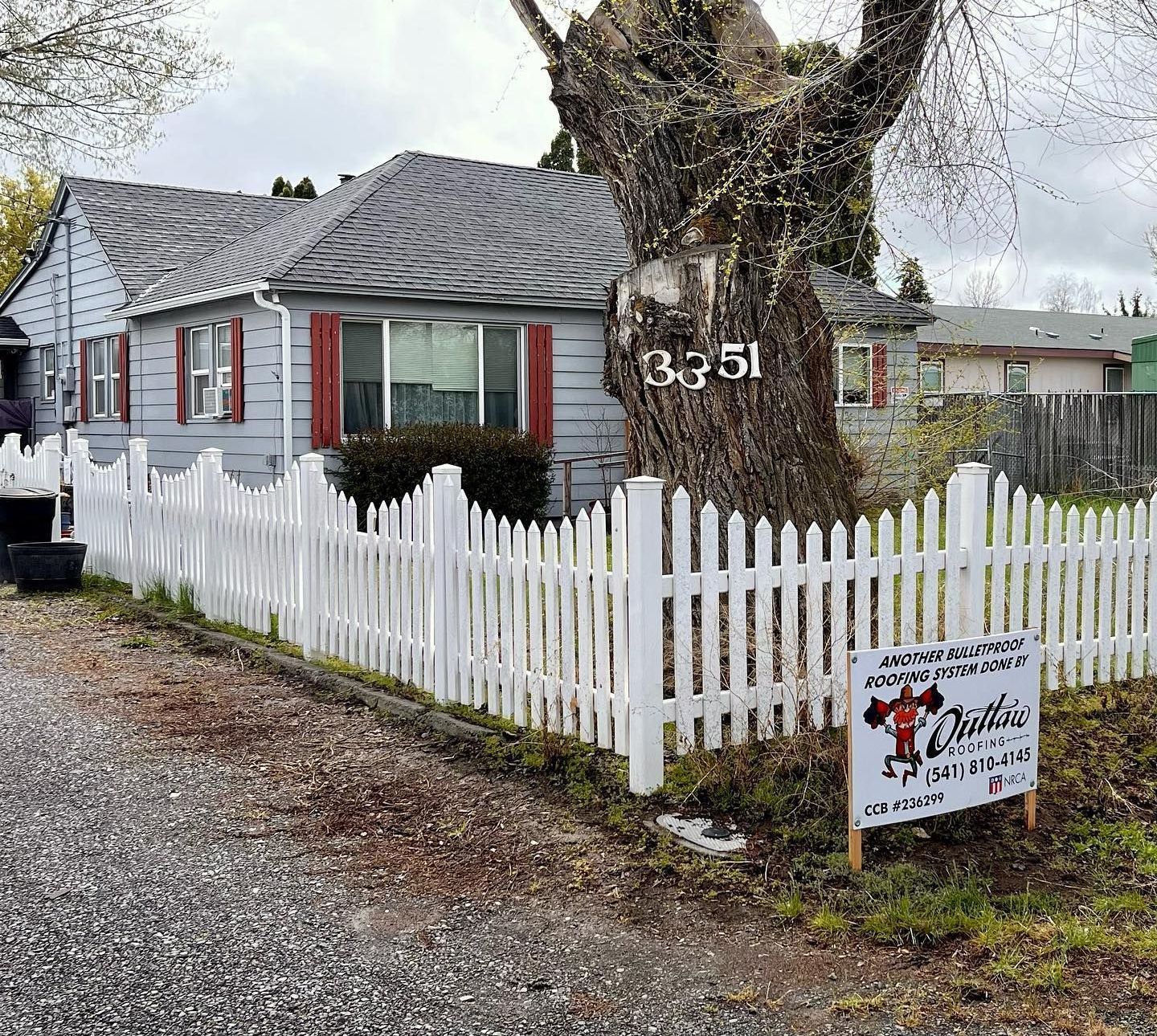
Roof Repair in Croisan Hills, OR: What Moss Removal Does to the Shingles Underneath, and Why the Roof That Just Got Treated Still Needs a Damage Assessment Before the Next Wet Season
Most Croisan Hills homeowners who call a moss treatment service in late summer feel like they have solved a problem. The green coverage on the north and west-facing slopes is gone. The roof looks clean. The invoice is paid. What they do not know is that established moss on a Croisan Hills wooded lot, the kind that has been growing through two or three Willamette Valley wet seasons on a shaded Douglas fir-canopied slope, has developed rhizoid structures that penetrated the granule surface and embedded themselves into the asphalt binder beneath it. When that moss is mechanically removed, the granules that were bonded to the moss rhizoid structure come off with it. The shingle surface below the treated areas has lost granule coverage in a pattern that does not look like UV degradation and does not look like impact damage. It looks like the shingle is sound. What it is, specifically in the sections of highest prior moss density, is an asphalt surface without UV protection that is receiving direct summer sun exposure for the first time since the moss established.
On a Croisan Hills property along Croisan Creek Road or in the Nelson Park area, that exposed asphalt surface goes through one Willamette Valley summer of direct UV loading without granule protection before the next wet season begins. The degradation that follows over the next two to three years is accelerated beyond what normal aging produces on protected shingles at the same age. A homeowner who paid for moss treatment in August and then calls in February about a ceiling stain has not had bad luck. They have experienced the repair condition that inadequately assessed post-treatment shingle surfaces produce.
Outlaw Roofing, veteran-owned and operating under Oregon CCB license #236299, write repair proposals for Croisan Hills properties that include a post-treatment shingle surface assessment as part of every repair inspection on properties that have had recent moss treatment. City of Salem Building Services Division permit at 555 Liberty Street SE, phone (503) 588-6256, or Marion County Building Inspection at 4845 Cordon Road NE, phone (503) 373-4015, for unincorporated properties, filed where required. GAF, IKO, CertainTeed, WeatherBond, and PolyGlass certified. GreenSky financing available. Military discount for veterans and active service members. Call (541) 275-6189.
The Repair Conditions Croisan Hills Properties Along Croisan Creek Road and the Nelson Park Corridor Produce

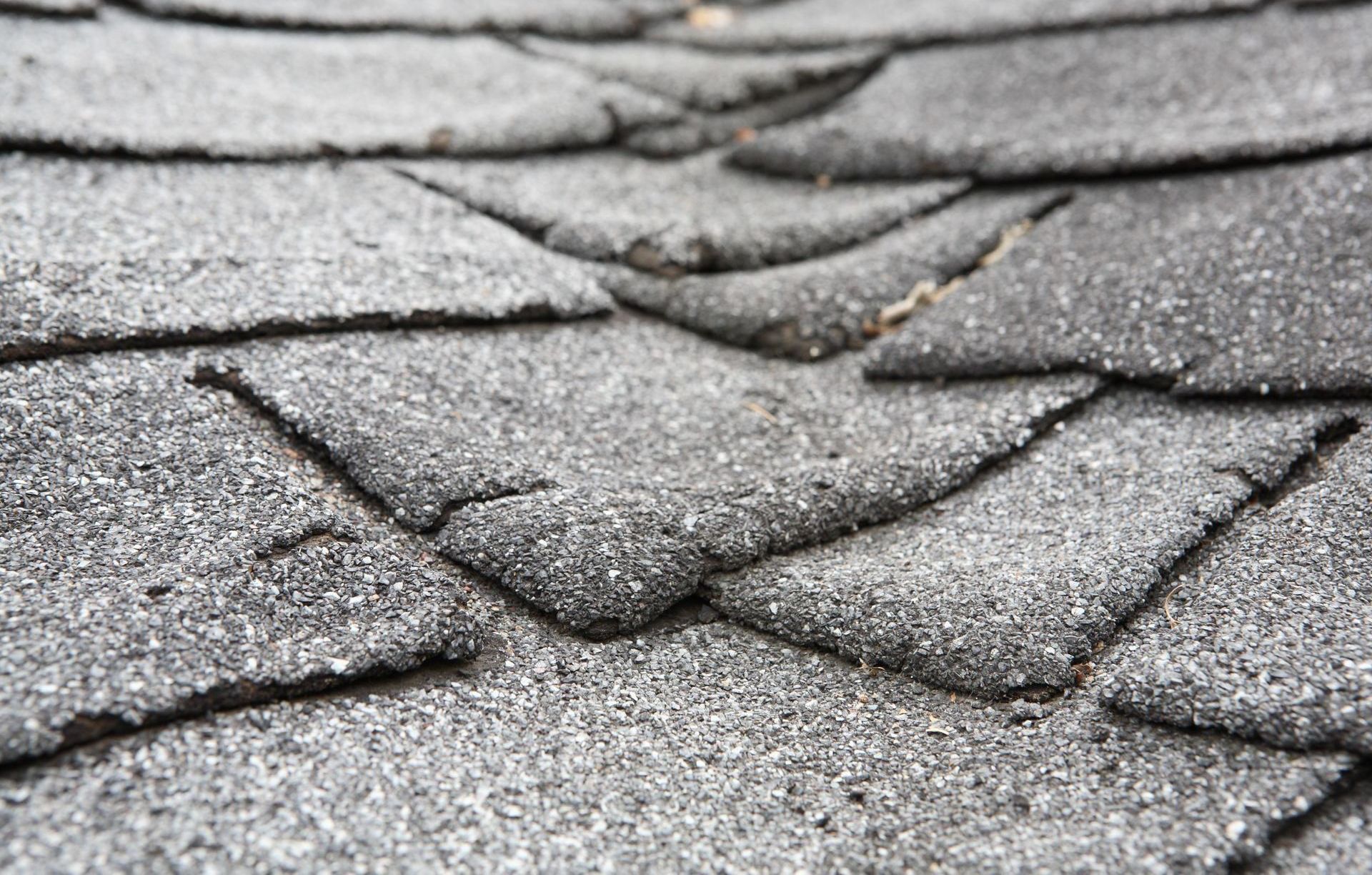
Post-Treatment Granule Loss on Previously Moss-Dense Shaded Slopes
The north and west-facing roof sections on Croisan Hills homes along Croisan Creek Road and the residential streets feeding into Nelson Park stay shaded through the Willamette Valley wet season because of the mature Douglas fir and Oregon white oak canopy that defines the neighborhood's character. Moss establishes on those surfaces within two to four years of a new shingle installation if no preventive treatment is applied, and by the time a Croisan Hills homeowner addresses it after visible thick growth has developed, the moss has been embedded in the granule surface for at least one full wet season. Mechanical removal at that stage, whether by scraping, brushing, or pressure washing, produces granule displacement proportional to the depth of rhizoid penetration. The sections of heaviest prior moss density show the greatest post-treatment granule loss, and those sections are the same sections most likely to receive biological treatment product after removal, which can itself degrade the binder if applied in excess concentration.
The repair that addresses post-treatment granule damage on a Croisan Hills shaded slope is not a simple shingle swap. It requires assessing which sections have lost granule coverage past the UV protection threshold, whether the underlying asphalt binder has already begun showing surface cracking in the first summer after treatment, and what the remaining service life of the surrounding untreated shingle sections looks like. On a 15-year-old shingle system where moss treatment has accelerated the exposed sections by an equivalent of three to four UV seasons, the post-treatment sections and the surrounding aging sections may need to be treated differently in the repair scope.
Valley Debris Accumulation and Lap Joint Failure at Complex Roofline Intersections
The custom and semi-custom homes on the larger lots along Croisan Mountain Drive and the residential streets in upper Croisan Hills carry the same complex valley configurations that the neighborhood's architectural character produced. Multiple roof planes intersecting at valley lines, with Douglas fir and oak canopy depositing needle and leaf debris into those valleys through October and November each year, produce the sustained moisture contact at valley flashing lap joints that is the second most common repair condition Outlaw finds on Croisan Hills properties. A valley that carries compressed fir needle debris through the wet season without being cleared delivers concentrated moisture to the lap joint beneath the debris mat at every rain event. The sealant at that joint has been under that loading for years, and the failure when it comes is typically revealed by a ceiling stain that tracks from a valley location rather than from a visible shingle surface condition.
Chimney Flashing on the Late 1960s and 1970s Ranch Homes Near Nelson Park
The ranch-style and 1970s contemporary homes in the lower Croisan Hills area near Nelson Park represent the oldest housing stock in the neighborhood, and their brick chimneys carry original or early-replacement counter flashing set into mortar joints that have been through 50-plus Oregon wet seasons. Counter flashing set into deteriorating mortar joints on Croisan Hills ranch homes produces the same separation and water entry pattern that older chimney flashing produces across the Willamette Valley, but with an additional variable: the heavy tree canopy on Nelson Park-adjacent lots accelerates biological growth on chimney masonry surfaces above the flashing attachment line, and that growth traps moisture against the mortar joint through the wet season, accelerating the deterioration of the mortar at the counter flashing attachment point faster than exposed masonry in open-canopy locations experiences.
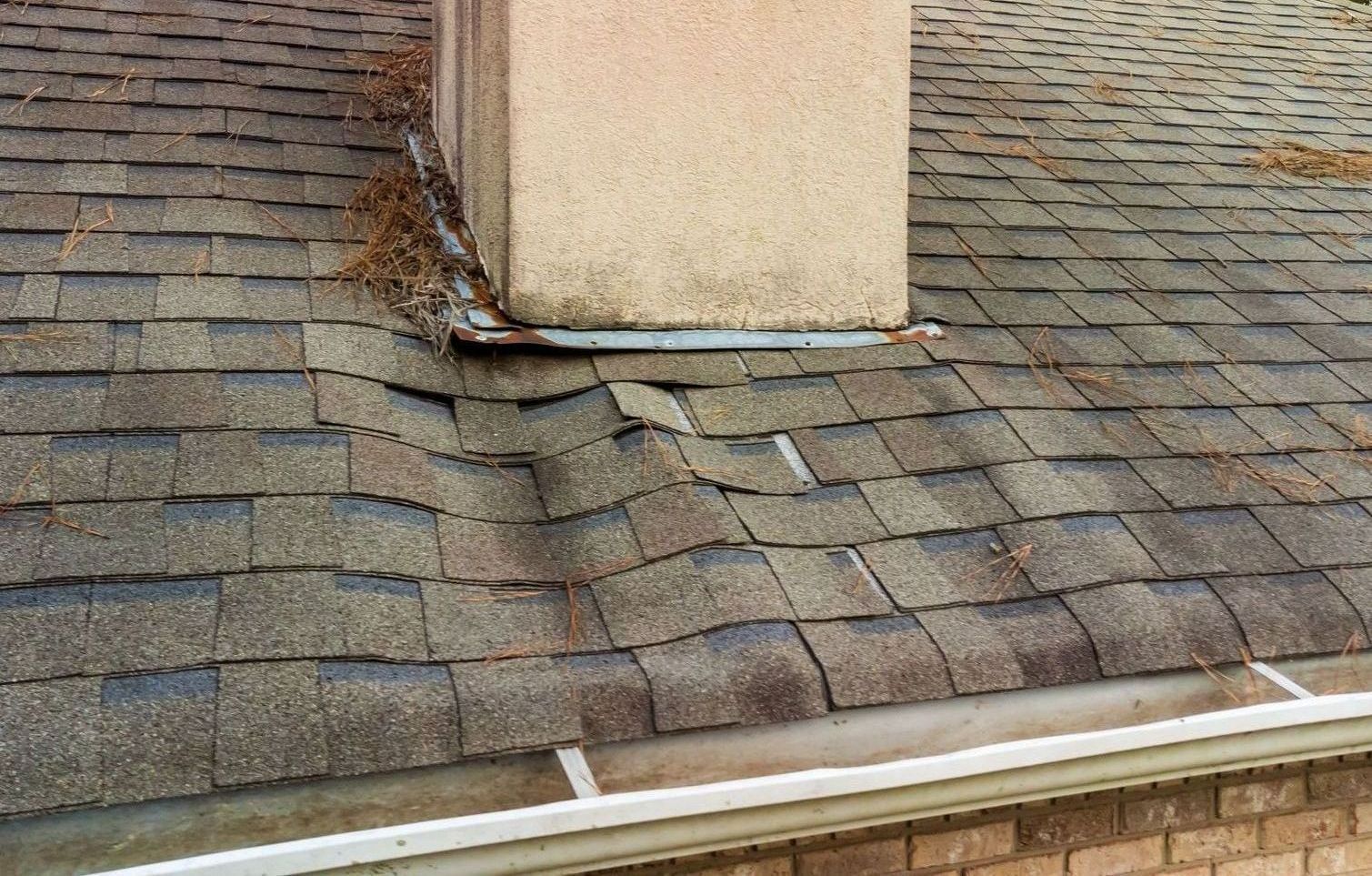
Shingle Course Failure Where Debris Has Been Compressing for Multiple Seasons
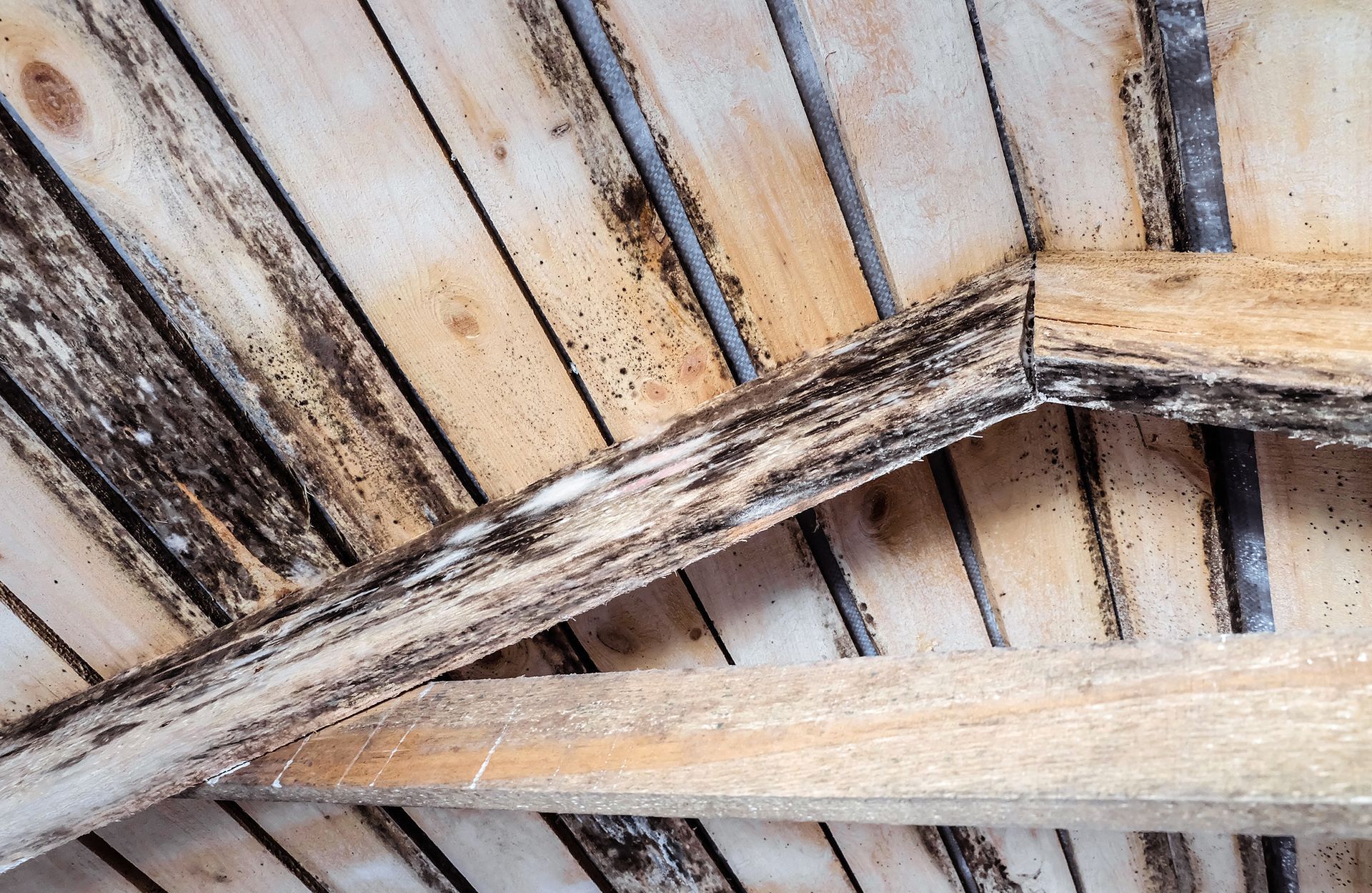
On Croisan Hills properties where roof valleys and low-pitch eave sections have been accumulating fir needle and leaf debris across multiple wet seasons without regular clearing, the compressed organic mat holds moisture against the lower shingle course surface below the debris line continuously. The shingle surface in direct contact with a compressed wet debris mat through five or six Willamette Valley wet seasons does not fail like a UV-degraded shingle or a hail-impacted shingle. It degrades from below, losing granule adhesion on the underside of the mat contact zone rather than on the sun-exposed top surface. This creates a shingle failure mode where the visible top surface looks relatively sound but the adhesion between the granule layer and the asphalt binder on the underside of the debris-contact section is compromised.
Reading the Repair Conditions on Croisan Hills, OR Properties
What Post-Treatment Shingle Surfaces Look Like Compared to Normal Aging
On a Croisan Hills property where moss treatment was performed within the past 12 months, examining the previously mossy north and west-facing slopes tells the homeowner more than the currently visible shingle appearance suggests. Areas that had the highest moss density before treatment show the lowest granule coverage after treatment. That coverage loss appears as darker, shinier sections of asphalt surface visible within the granule field, typically in a distribution pattern that follows the prior moss coverage rather than the even granule thinning that UV aging produces across a full slope. If those dark sections are visible to the eye from the yard, the granule loss is advanced. If they appear primarily under close inspection on the roof surface, the loss is early-stage but still warrants assessment before the next wet season loads moisture against the unprotected asphalt.
Valley Debris Indicators Visible Before the Wet Season
On Croisan Hills properties with complex rooflines and valley intersections, inspecting the valley condition in September or October before the Willamette Valley wet season begins tells the homeowner whether the wet season will deliver moisture to exposed flashing or to protected flashing. A valley carrying compressed debris from the prior wet season that was not cleared has been in contact with that debris mat for six months of drying summer. The fir needle mat compresses further when dry, and re-expands and holds moisture when the rains return. Clearing the valley in September and examining the exposed flashing beneath the debris tells the inspector whether the lap joint sealant is intact or whether the sustained contact has worked through the seal.
Interior Staining Patterns That Distinguish Post-Treatment Repair From Valley Failure
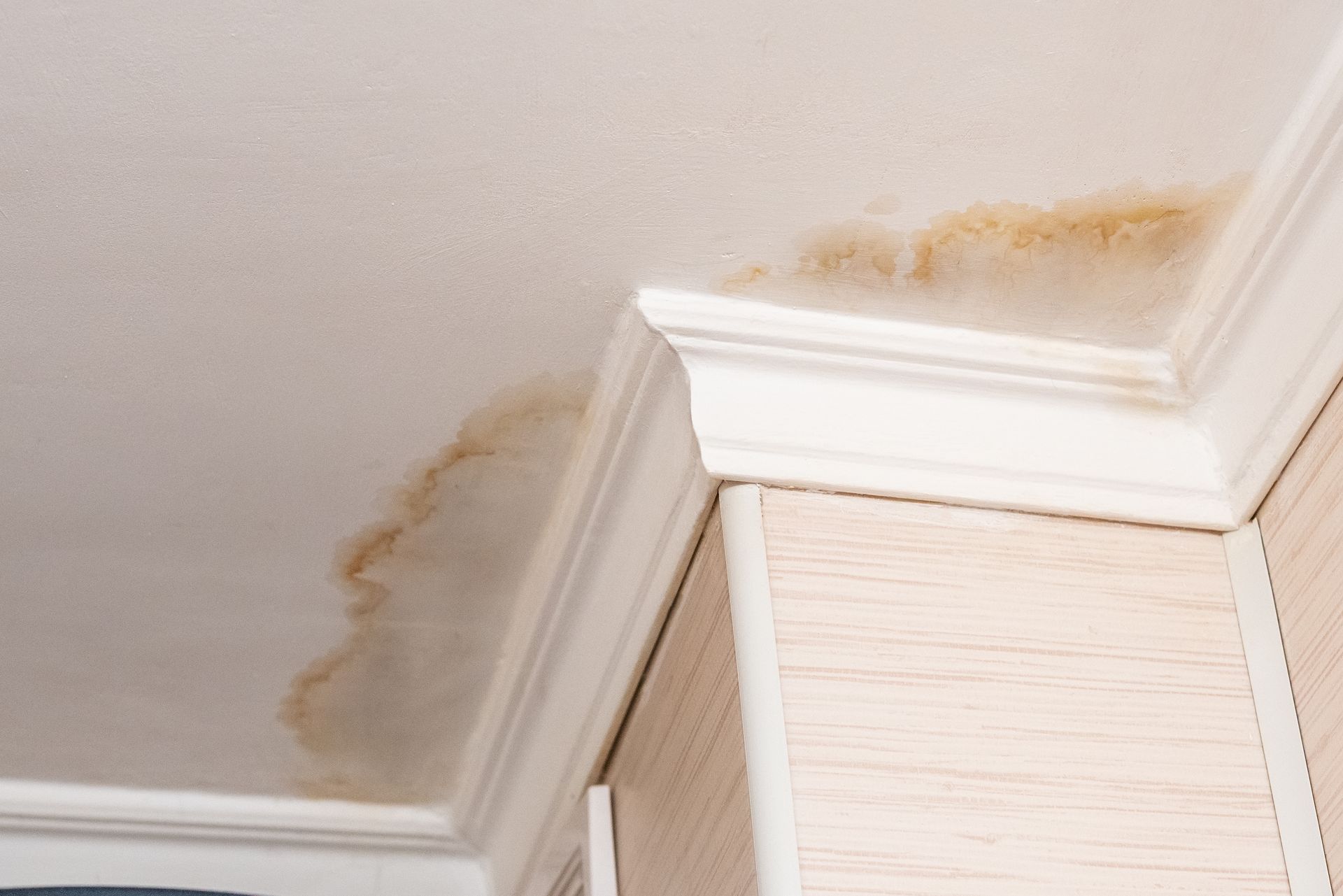
The interior staining pattern from post-treatment granule loss on a Croisan Hills shaded slope appears slowly across the first wet season after treatment, typically as a diffuse stain rather than the discrete circular or tracking stain that penetration repairs produce. The moisture enters through the unprotected asphalt surface during sustained rain events rather than through a specific gap or separation, and it accumulates in the deck assembly over the wet season before producing ceiling staining. A valley failure on a Croisan Hills complex roofline produces a stain that tracks from the valley location toward the nearest interior ceiling junction, appearing more specifically and more abruptly than the diffuse post-treatment moisture pattern. Distinguishing the two before the inspection saves time on the roof by directing the inspection to the probable failure source before every slope is examined.
How Outlaw Roofing Inspects Croisan Hills, OR Properties

Post-Treatment Granule Assessment Before Any Repair Scope Is Developed
On Croisan Hills repair properties where moss treatment has occurred within the past 18 months, Outlaw's inspection includes a granule coverage assessment on previously mossy slope sections before any repair scope is developed. The assessment identifies which sections have lost granule coverage past the UV protection threshold, maps those sections by their location within the roofline, and evaluates the underlying asphalt binder condition where UV loading has already begun acting on the unprotected surface. The written findings separate the post-treatment damage assessment from any other roofline conditions found during the inspection, so the homeowner understands which repair scope addresses treatment consequences and which addresses age-related or debris-related conditions independent of the treatment.
Valley Clearing and Lap Joint Assessment Before Any Valley Is Disturbed
On Croisan Hills complex roofline properties, every valley is cleared of debris before the flashing condition beneath it is assessed. The debris removal is part of the inspection scope rather than a pre-inspection maintenance step, because the condition of the debris mat when cleared tells the inspector how sustained the moisture contact has been and whether the lap joint below it has been under active moisture exposure or intermittent contact. A debris mat that is wet beneath even after several dry weeks indicates the valley holds moisture longer than the surrounding roofline dries, which correlates with the most advanced lap joint deterioration.
Chimney Masonry Assessment Including Biological Growth on Mortar Joints
On Nelson Park-area Croisan Hills ranch homes where brick chimneys carry original or early-replacement counter flashing, the mortar joint condition at the counter flashing attachment line is assessed by examining the mortar surface for both deterioration and biological growth. Lichen and moss on chimney masonry above the flashing attachment line holds moisture against the mortar continuously through the wet season, accelerating mortar deterioration at the flashing attachment course. Where biological growth is present on the masonry, the mortar condition below the growth line requires physical probing rather than visual assessment alone, because the growth conceals the extent of mortar softening at the attachment zone.
City of Salem or Marion County Permit Where Required
Repair work on Croisan Hills properties within the Salem city limits files with the City of Salem Building Services Division at 555 Liberty Street SE, Salem, OR 97301, phone (503) 588-6256. Properties in unincorporated Marion County south and west of the Croisan Hills area file with Marion County Building Inspection at 4845 Cordon Road NE, Salem, OR 97305, phone (503) 373-4015. Outlaw determines the applicable jurisdiction for every Croisan Hills repair property before any work is dispatched and files where required.
Materials Outlaw Specifies on Croisan Hills, OR Repair Projects
Algae-Resistant Architectural Shingles at All Post-Treatment Replacement Sections
Shingle course replacement in post-treatment granule-damaged sections on Croisan Hills north and west-facing slopes specifies algae-resistant architectural shingles with copper-infused granule technology rather than standard architectural products. The section that had heavy moss coverage before treatment has demonstrated that it is in a biological growth zone, and replacing damaged shingles with a product that does not carry moss-resistance chemistry recreates the colonization conditions on a fresh granule surface. Algae-resistant products inhibit biological growth on the granule surface at the cellular level through the copper treatment, extending the interval before the next moss establishment event on a section that is structurally predisposed to it because of its shade and moisture exposure.
Ice and Water Shield at All Post-Treatment Deck Surface Sections
Where post-treatment granule damage has advanced to the point where the underlying asphalt binder shows surface cracking or loss of flexibility under physical examination, the repair scope removes the damaged shingle courses and installs ice and water shield at the exposed deck surface before new shingles are placed. The self-adhering membrane provides the redundant waterproof layer beneath the new shingle course that the original installation did not include on these early 2000s and older Croisan Hills shingle systems, and it protects the deck from the moss-zone moisture exposure that the new algae-resistant shingle surface will resist but not eliminate entirely in its first years.
Type S Mortar at Chimney Counter Flashing Attachment Lines on Nelson Park-Area Homes
Counter flashing reinstallation at Croisan Hills brick chimneys specifies Type S mortar for the mortar joint repair at the counter flashing attachment line, the same specification appropriate for outdoor masonry in Pacific Northwest wet-season conditions. Standard pre-mixed mortar compounds applied at chimney flashing repairs on Croisan Hills wooded-lot homes are exposed to the same sustained wet season moisture conditions that deteriorated the original mortar. Type S delivers the durability appropriate to the exposure without requiring the full repointing of the chimney face that cosmetic mortar repair approaches undertake.
Repair or Replacement for Croisan Hills, OR Properties
When Post-Treatment Assessment Supports Targeted Repair
A Croisan Hills property along Croisan Creek Road where the post-treatment assessment finds granule loss concentrated on two or three sections of the north-facing slope, the surrounding shingle system has 10 or more years of remaining service life on the south-facing slopes that received no moss treatment, and no valley or chimney flashing failure is present, is a repair situation. The damaged sections are replaced with algae-resistant product. The surrounding system continues its remaining service life. The written findings document the maintenance intervals recommended for valley clearing and biological growth monitoring so the repair investment is protected going forward. See also: /residential-roofing-contractor-croisan-hills-or
When Croisan Hills Property Conditions Point Toward Full Replacement
A Croisan Hills property where post-treatment granule damage affects more than 30 percent of the total shingle surface, multiple valley sections show active lap joint failure, the chimney counter flashing has separated from the mortar joint at multiple courses, and the shingle system is past 20 years on a wooded Willamette Valley lot where the accelerated aging from sustained shading has compressed the remaining service life, is not a repair situation. Replacement with algae-resistant materials, full valley flashing replacement, and complete chimney flashing reset delivers the integrated reset that a system showing compound conditions across multiple locations requires. See also: /residential-roof-replacement-croisan-hills-or
Why Croisan Hills, OR's Tree Canopy and Wet Season Create the Specific Repair Conditions They Do
Croisan Hills sits on the south Salem hillside above the Croisan Creek drainage, and the Douglas fir and Oregon white oak canopy on the lots along Croisan Creek Road and the hillside streets feeding into Nelson Park produces the specific combination of shade, moisture, and debris loading that drives most of the repair conditions Outlaw finds on these properties. The 40-plus inches of annual rainfall that the Willamette Valley delivers during the October-to-May wet season does not reach Croisan Hills shaded roof sections as direct rain alone. It reaches them as rain plus canopy drip, where the tree canopy above the roof surface concentrates and directs rainfall onto specific roof sections at rates the shingles beneath them were not designed to sustain continuously through a six-month wet season. Valleys below canopy drip zones carry more water volume per storm event than valleys in open-exposure locations at the same pitch and catchment area.
The dry Willamette Valley summer, with temperatures regularly exceeding 90 degrees through July and August, creates the opposite extreme. Sections of the Croisan Hills roofline that are shaded during the wet season and then exposed to direct summer sun after the canopy leafs out thin experience the full thermal stress of Oregon's summer heat on a granule surface that has been saturated repeatedly through the preceding six months. That thermal cycle accelerates granule adhesion degradation on sections that also carry the biological growth residue from the prior wet season, compounding the aging effect that either factor alone would produce.
The Housing Stock in Croisan Hills, OR Along Croisan Creek Road and the Nelson Park Corridor
Croisan Hills' residential character divides along the same geographic lines that define the neighborhood's topography. The lower area near Nelson Park carries the oldest housing stock, ranch-style and 1970s contemporary homes on tight lots with towering pines between the houses. These properties are 50-plus years old and their roofing systems have been through multiple replacement cycles, with the current systems typically 15 to 25 years into their service life. The tree canopy on the Nelson Park-adjacent lots has been establishing and growing throughout every roofing system these properties have carried, which means the current system has been under the same canopy pressure for its full service life rather than inheriting conditions from a younger or less established tree context.
The upper Croisan Hills area along Croisan Mountain Drive and the larger hillside lots near Illahe Hills Country Club carries the custom-built 1980s and 1990s homes that represent the neighborhood's premium housing stock. These properties are 25 to 45 years old, with complex rooflines that include multiple valley intersections and more architectural surface area than the simpler Nelson Park ranch inventory. The roofing systems on these properties are approaching or within the replacement range under Willamette Valley climate conditions, and the valley configurations that make them architecturally interesting are the same configurations that accumulate the most debris and concentrate the most moisture at flashing lap joints through the wet season.
A Recent Roof Repair in Croisan Hills, OR: What the Post-Treatment Assessment Found
Last spring Outlaw completed a repair assessment on a 1978 ranch home on a lot off Croisan Creek Road in the lower Croisan Hills area. The homeowner had arranged moss treatment the previous August, and the north-facing slope had been cleared and treated. By the following February, a ceiling stain had appeared in the bedroom along the north exterior wall, roughly five feet from the exterior wall face.
The Outlaw inspection assessed the treated north slope before examining any other roofline condition. Three sections of the treated area, each roughly eight square feet in extent, showed granule loss that exceeded the surrounding shingle surface density by a visible margin. In those three sections, the asphalt binder surface showed early crazing consistent with one partial summer of direct UV exposure without granule protection. The staining pattern, five feet from the exterior wall rather than at the wall junction, suggested the moisture was entering the deck surface in the granule-depleted sections and tracking under the shingle courses toward the interior warm-wall line before finding a ceiling penetration.
The repair scope replaced the three affected shingle sections, each roughly eight square feet, with IKO Cambridge algae-resistant architectural shingles, with ice and water shield installed at the deck surface beneath each replacement section. The attic was confirmed clear of moisture staining except at the north eave edge directly below the three damaged sections. The valley on the same slope was cleared of debris, revealing adequate lap joint condition. The chimney was inspected and confirmed at adequate counter flashing condition for its age. City of Salem Building Services permit not required for this repair scope. Total: $1,400. The homeowner had paid $650 for the moss treatment in August. The treatment had been necessary and correctly performed. The post-treatment damage assessment was the step that needed to follow it.
Why Croisan Hills, OR Homeowners Choose Outlaw Roofing for Repair Work
✓ Veteran-Owned With Post-Treatment Shingle Assessment Built Into Every Moss-Adjacent Inspection
Riley approaches every Croisan Hills inspection on a property with recent moss treatment history with the post-treatment granule assessment as a standard component rather than an optional add-on. The connection between established moss removal and subsequent shingle damage in high-density growth zones is a documented condition on wooded Willamette Valley properties, and the inspection that does not assess for it on a recently treated roof has not completed a Croisan Hills inspection.
✓ CCB#236299 — Oregon License Verifiable at oregon.gov/ccb
Search CCB#236299 at oregon.gov/ccb before authorizing any repair work on a Croisan Hills property. The license is current and covers all roofing work in Marion County including all Salem city limits and unincorporated Croisan Hills area properties.
✓ Written Proposal That Separates Post-Treatment Damage From Age-Related and Debris-Related Conditions
An Outlaw repair proposal on a Croisan Hills recently treated property delivers three distinct findings categories in the written report: post-treatment shingle damage assessment, valley debris and flashing condition assessment, and age-related roofline condition assessment. Each is priced separately so the homeowner understands which repair addresses the treatment consequence and which addresses the ongoing maintenance conditions that will require attention regardless of the treatment history.
✓ City of Salem or Marion County Permit Filed Correctly Where Required
Repair work meeting the permit threshold files with the City of Salem Building Services Division at 555 Liberty Street SE, phone (503) 588-6256, for Salem city limits properties, or with Marion County Building Inspection at 4845 Cordon Road NE, phone (503) 373-4015, for unincorporated Marion County properties. Outlaw determines the applicable jurisdiction for every Croisan Hills repair before any work begins.
What Roof Repair Costs in Croisan Hills, OR by Problem Type
Post-Treatment Granule Damage Repair on Shaded North and West Slope Sections: $900 to $2,200
Shingle course replacement at post-treatment granule-damaged sections on a Croisan Hills wooded-lot property, including ice and water shield at the deck surface beneath replacement sections and algae-resistant shingle specification at all replacement areas, typically runs $900 to $2,200 depending on the number and size of damaged sections. Properties where treatment damage affected multiple sections across a larger portion of the north slope run toward the upper end. Isolated two to three section repairs run toward the lower end.
Valley Flashing Repair at Canopy-Adjacent Debris-Loading Valleys: $800 to $1,800
Valley metal replacement at a single valley intersection on a Croisan Hills property where sustained debris loading has advanced lap joint sealant deterioration, including debris clearing, ice and water shield beneath the new metal, and algae-resistant shingle replacement at disturbed adjacent courses, typically runs $800 to $1,800. Valleys with longer run lengths or terminations at adjacent wall flashing intersections run toward the upper end.
Chimney Counter Flashing Reset on Nelson Park-Area Ranch Home Chimneys: $900 to $1,800
Counter flashing reinstallation at a single brick chimney on a Croisan Hills Nelson Park-area ranch home, including mortar joint repair with Type S mortar at the counter flashing attachment course and step flashing replacement at all courses, typically runs $900 to $1,800. Chimneys where biological growth on the masonry has accelerated mortar deterioration requiring more extensive repointing at the flashing attachment line run toward the upper end. Salem and Marion County permit fees included as a separate line item where applicable.
What Experienced Inspectors Look for on Croisan Hills, OR Repair Properties
The post-treatment shingle surface assessment is the first inspection priority on every Croisan Hills property where moss treatment has occurred within the past 18 months. Before any other roofline condition is assessed, the granule coverage on previously mossy sections is mapped by density relative to the surrounding untreated shingle field. High-density prior moss sections show the most granule displacement after treatment, and those sections are identified by their location within the known shading pattern on the roofline before the inspector goes on the roof. North and west-facing sections that were in the deepest canopy shadow through the wet season are the high-probability post-treatment damage locations.
Valley condition assessment is the second priority. On Croisan Hills complex rooflines, every valley is cleared before the underlying flashing is assessed, and the debris mat condition at clearing tells the inspector whether sustained moisture contact has been occurring. A mat that retained moisture through the dry summer months indicates a valley where the drainage geometry or surrounding debris volume is concentrating moisture above what the flashing design accommodates. Those valleys receive the most attention in the post-clearing flashing assessment.
The chimney masonry condition, specifically the mortar joint at the counter flashing attachment course, is the third priority on Nelson Park-area properties with older brick chimneys. The biological growth condition on the masonry above the flashing line is documented before the mortar joint is assessed, because the growth distribution tells the inspector where the most sustained moisture contact has occurred and therefore where the mortar deterioration is most advanced.
How Long Repair Work Lasts on Croisan Hills, OR Properties
Post-treatment granule damage repair with algae-resistant shingle replacement and ice and water shield at the deck surface delivers the full remaining service life of the new shingle material at the repaired sections. The algae-resistant chemistry in the replacement shingles extends the interval before the next biological growth establishment on those sections, typically by four to six years beyond what standard architectural shingles would achieve on the same shaded slope. The ice and water shield membrane beneath the replacement section protects the deck from the moisture that accumulates on shaded Croisan Hills north slopes during the wet season regardless of what biological growth management occurs at the surface.
Valley flashing replacement at a Croisan Hills canopy-adjacent valley, with ice and water shield beneath the new metal, delivers 20 to 25 years of reliable service at that valley location. The debris loading from the surrounding Douglas fir and oak canopy continues, and clearing the valley annually before the wet season is the maintenance practice that extends the service interval of the new flashing by preventing the sustained debris-to-flashing contact that accelerated the prior failure. Clearing costs a small amount of time per year. Replacing the valley flashing when the next cycle of lap joint deterioration reaches failure costs significantly more.
Quick Answers About Roof Repair in Croisan Hills, OR
I just had moss treatment done on my Croisan Hills home. Do I need a repair inspection?
If the moss treatment addressed established growth that had been present for two or more wet seasons on a shaded north or west-facing slope, a post-treatment granule assessment is worthwhile before the next wet season begins. Established moss rhizoids embedded in the granule surface displace granules when the moss is removed, and the sections with the highest prior moss density have the greatest granule loss. An assessment identifies whether any sections have lost coverage past the UV protection threshold and whether the repair scope is warranted before the first wet season without granule protection accelerates the damage further.
How much does roof repair cost in Croisan Hills, OR?
Post-treatment granule damage repair runs $900 to $2,200. Valley flashing repair at debris-loading valleys runs $800 to $1,800. Chimney counter flashing reset on older Nelson Park-area homes runs $900 to $1,800. All Outlaw repairs begin with a free inspection and written proposal before any work is authorized.
Does roof repair in Croisan Hills require a permit?
Properties within the Salem city limits file with the City of Salem Building Services Division at 555 Liberty Street SE, phone (503) 588-6256. Unincorporated Marion County properties file with Marion County Building Inspection at 4845 Cordon Road NE, phone (503) 373-4015. Outlaw determines the applicable jurisdiction for every Croisan Hills repair before any work begins.
How do I know if my Croisan Hills valley flashing needs repair?
Clear the valley of any debris accumulation and examine the exposed flashing surface. A lap joint where the sealant has cracked through at any point, where the metal shows corrosion at the lap edge, or where the upper course of flashing has lifted from the lower course by more than one-sixteenth of an inch has reached a condition requiring assessment. If the valley showed a persistent moisture mat beneath the debris at clearing, the sustained contact has been working on the lap joint through multiple wet seasons.
Is algae-resistant shingle worth the extra cost for post-treatment repairs on Croisan Hills properties?
On a shaded Croisan Hills north or west-facing slope that has already demonstrated moss colonization requiring treatment, replacing damaged shingles with standard architectural product recreates the same colonization conditions on a fresh surface within two to four years. Algae-resistant shingles extend the establishment interval by four to six years on the same shaded surface. The modest material cost premium over standard architectural shingles is recovered in extended treatment intervals on a slope that will require biological growth management as a long-term maintenance reality.
Frequently Asked Questions About Roof Repair in Croisan Hills, OR
How do I verify Outlaw Roofing's Oregon contractor license?
Go to oregon.gov/ccb and search for CCB#236299. The current license status displays immediately. Every roofing contractor performing repair work in Croisan Hills and the greater Salem area is required to hold a current, verifiable CCB registration.
Can moss treatment damage my shingles?
Established moss with rhizoid structures embedded in the granule surface can displace granules when mechanically removed. The damage is proportional to the depth of rhizoid penetration, which is proportional to how long the moss has been established. Treatment applied to early-stage moss coverage produces minimal granule displacement. Treatment applied to established two or three-year coverage on a heavily shaded Croisan Hills slope can produce meaningful granule loss in the highest-density sections. Chemical treatment without mechanical removal is generally less damaging to the granule surface than mechanical removal but may not fully clear established growth in one application.
What is the difference between moss treatment and moss repair?
Moss treatment removes or kills existing biological growth and may include a preventive application to inhibit future establishment. Moss repair assesses and addresses the shingle surface damage that established moss removal has produced, replacing sections where granule loss has advanced past the UV protection threshold. A complete maintenance sequence on a shaded Croisan Hills property includes treatment followed by a repair assessment rather than treatment alone, because treatment does not reverse the granule displacement that removal produces.
Does Outlaw Roofing offer financing for Croisan Hills homeowners?
Yes. GreenSky financing up to 100 percent for qualified Croisan Hills homeowners with fixed monthly payment terms. Military discount for veterans and active service members throughout the Croisan Hills and greater Salem area.
What related services does Outlaw provide in Croisan Hills?
Croisan Hills homeowners whose inspection confirms that replacement rather than repair is the appropriate scope can reference the residential roof replacement Croisan Hills OR page (/residential-roof-replacement-croisan-hills-or). The residential roofing contractor Croisan Hills OR page (/residential-roofing-contractor-croisan-hills-or) covers Outlaw's full certification structure and service area.

Croisan Hills Homeowners: Get Your Written Repair Estimate From Outlaw Roofing
A Croisan Hills roof that just had moss removed is not necessarily a roof that is in good condition. It is a roof where the prior condition has been addressed and the consequence of addressing it needs to be assessed. Outlaw inspects the post-treatment surface, maps the granule loss, writes what was found, and prices the repair before any crew is dispatched. Riley, veteran-owned, CCB#236299. GreenSky financing available. Military discount for veterans. Call (541) 275-6189 or schedule at /contact.