Residential Roof Repair in Coos Bay, OR
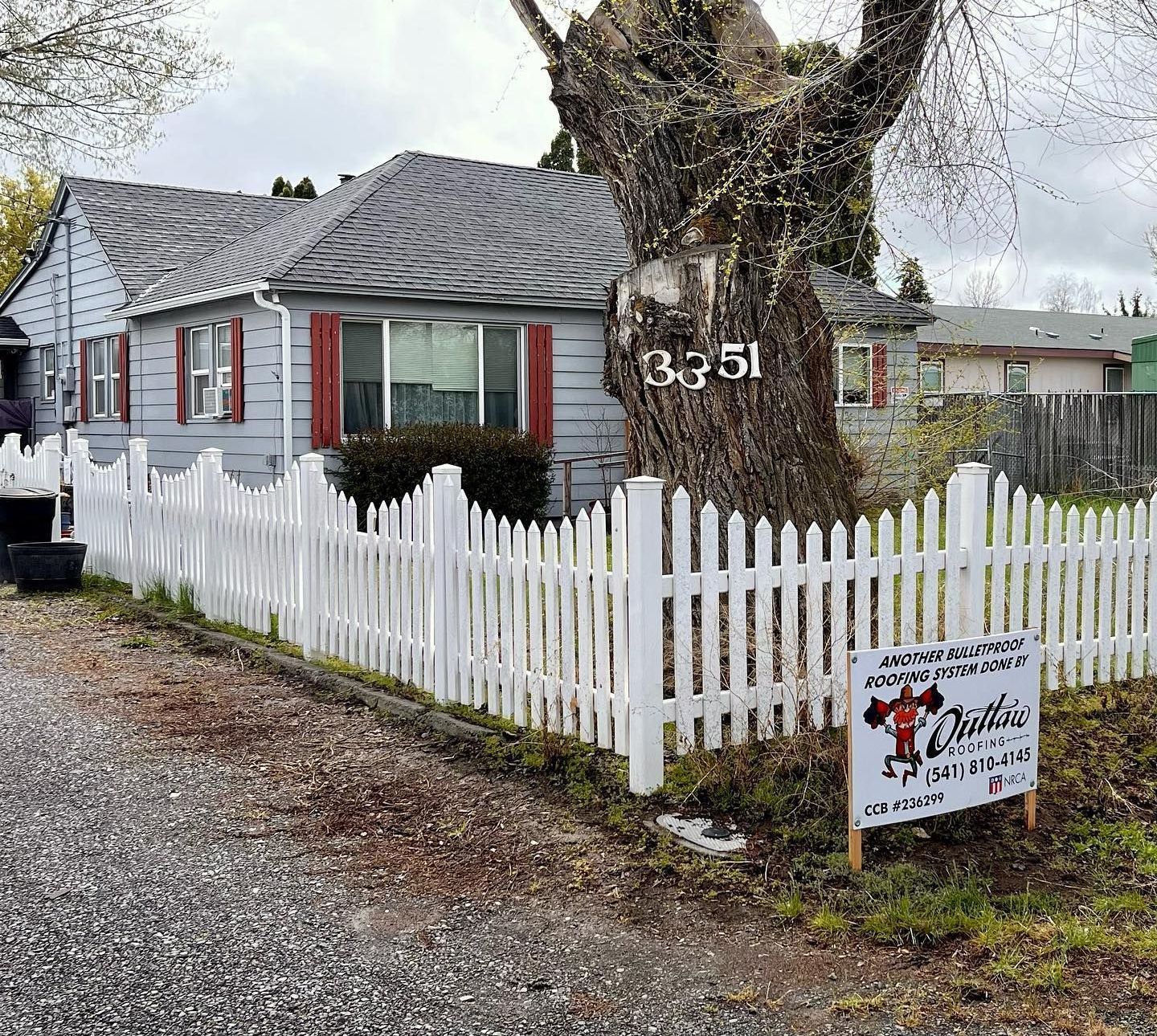
Roof Repair in Coos Bay, OR: The Leak You See May Be the End of a Much Longer Water Path
Coos Bay roofs often fail quietly before water reaches a ceiling. A valley can hold wet needles for weeks, moss can lift the edge of a shaded shingle, or a low-slope addition can send water beneath the original roof at a pitch change. By the time a brown mark appears in a hallway or bedroom, the entry point may be several feet uphill and hidden below shingles, flashing, or siding. Finding that route matters more than covering the first surface crack that looks suspicious.
Many of these problems remain repairable when they are caught while the surrounding roof is sound. A worn skylight apron, a failed plumbing boot, a short section of wall flashing, or a debris-damaged valley can usually be opened and rebuilt without disturbing an entire slope. The key is confirming that the shingles will lift without breaking and the deck below still holds fasteners.
Coos Bay's damp, tree-influenced environment makes delay expensive because wet assemblies dry slowly. Water trapped beneath moss, leaves, or an old patch can soften the top layer of plywood before the homeowner sees active dripping. A focused repair completed early may involve a few courses of shingles and new flashing. The same leak left through a long rainy stretch can require insulation removal, larger deck replacement, and repairs to interior finishes.
A useful repair proposal should explain why water entered, what must be removed to reach the failure, and how the new work will connect to the roof that stays. A price based only on a tube of sealant is not the same as rebuilding the detail. A recommendation to replace a full roof also deserves evidence, such as widespread brittleness, multiple unrelated leaks, or decking damage that extends beyond one repair zone.
Outlaw Roofing is veteran-owned and operates under Oregon CCB#236299. Andy Powless and our trained crews work with systems from GAF, IKO, CertainTeed, WeatherBond, and PolyGlass. Call (541) 275-6189 to arrange a written Coos Bay roof repair assessment.
Common Roof Repair Conditions Across Coos Bay, OR Neighborhoods

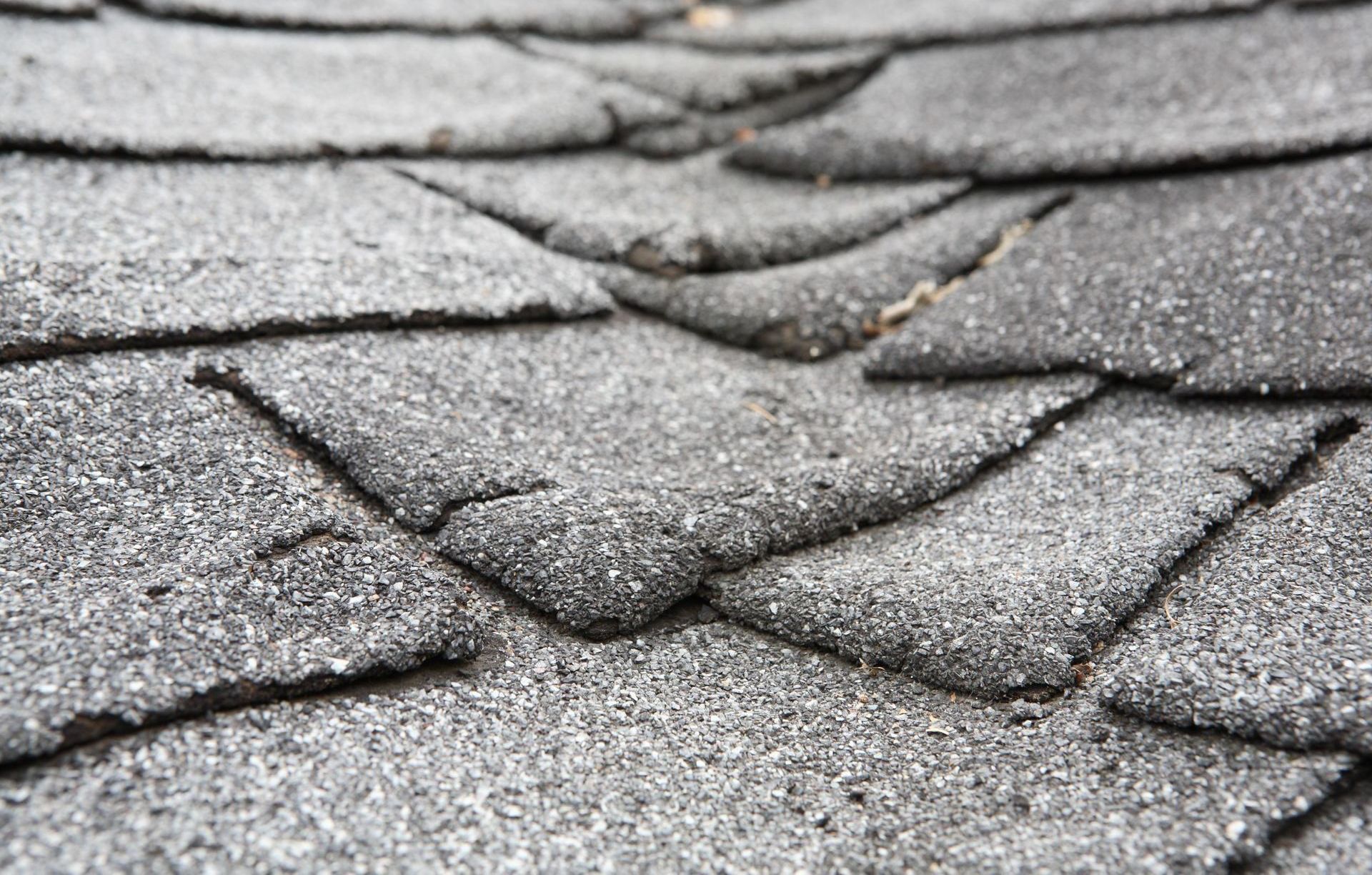
Moss-Lifted Shingle Edges on Shaded North-Facing Slopes
Homes near mature trees and hillsides can have roof sections that receive little direct sun. Moss grows into the gaps between tabs, holds moisture against the asphalt, and gradually raises the shingle edge. That opening allows wind and rain to reach the nail line. Removing the growth is only part of the answer; damaged tabs, exposed fasteners, and compromised underlayment must be repaired if the roof is already admitting water.
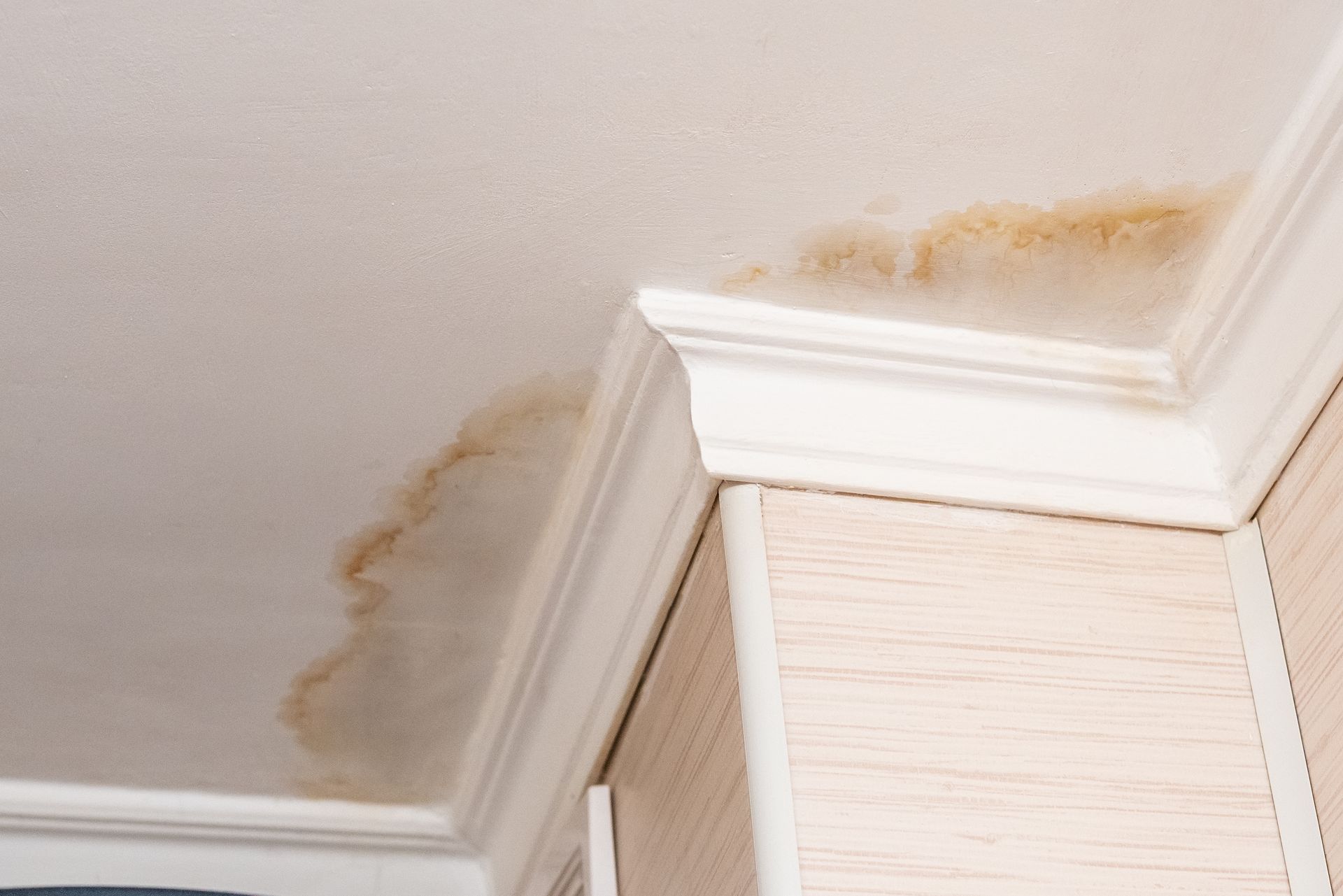
Valley Backups From Fir Needles, Leaves, and Granule Sediment
Roof valleys carry more water than the open field, and a narrow debris dam can slow that flow enough to push water sideways. In Coos Bay, needles and leaf fragments often mix with loose shingle granules into a dense mat that stays wet. When metal laps are short or the lining has split, the backed-up water works beneath adjacent courses and can stain a ceiling well away from the valley itself.
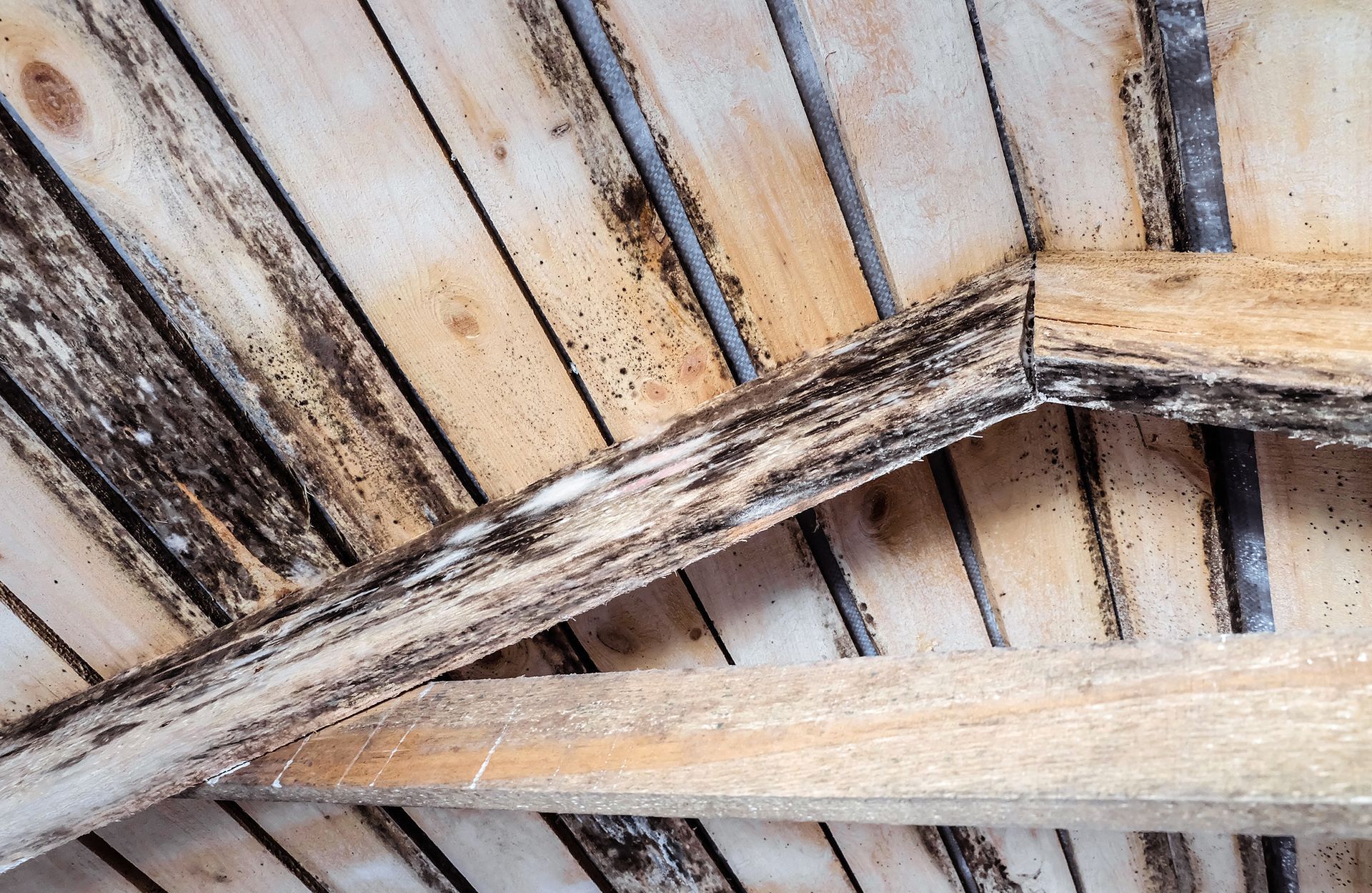
Failures at the Change From a Steep Roof to a Low-Slope Addition
Older homes are often expanded with a rear room, enclosed porch, or utility area that uses a lower pitch than the original structure. Standard shingles may be carried too far onto the low slope, or the transition membrane may stop short. Water slows at the break in pitch and can move backward beneath the first course, wetting the deck along the entire joint instead of creating one obvious hole.
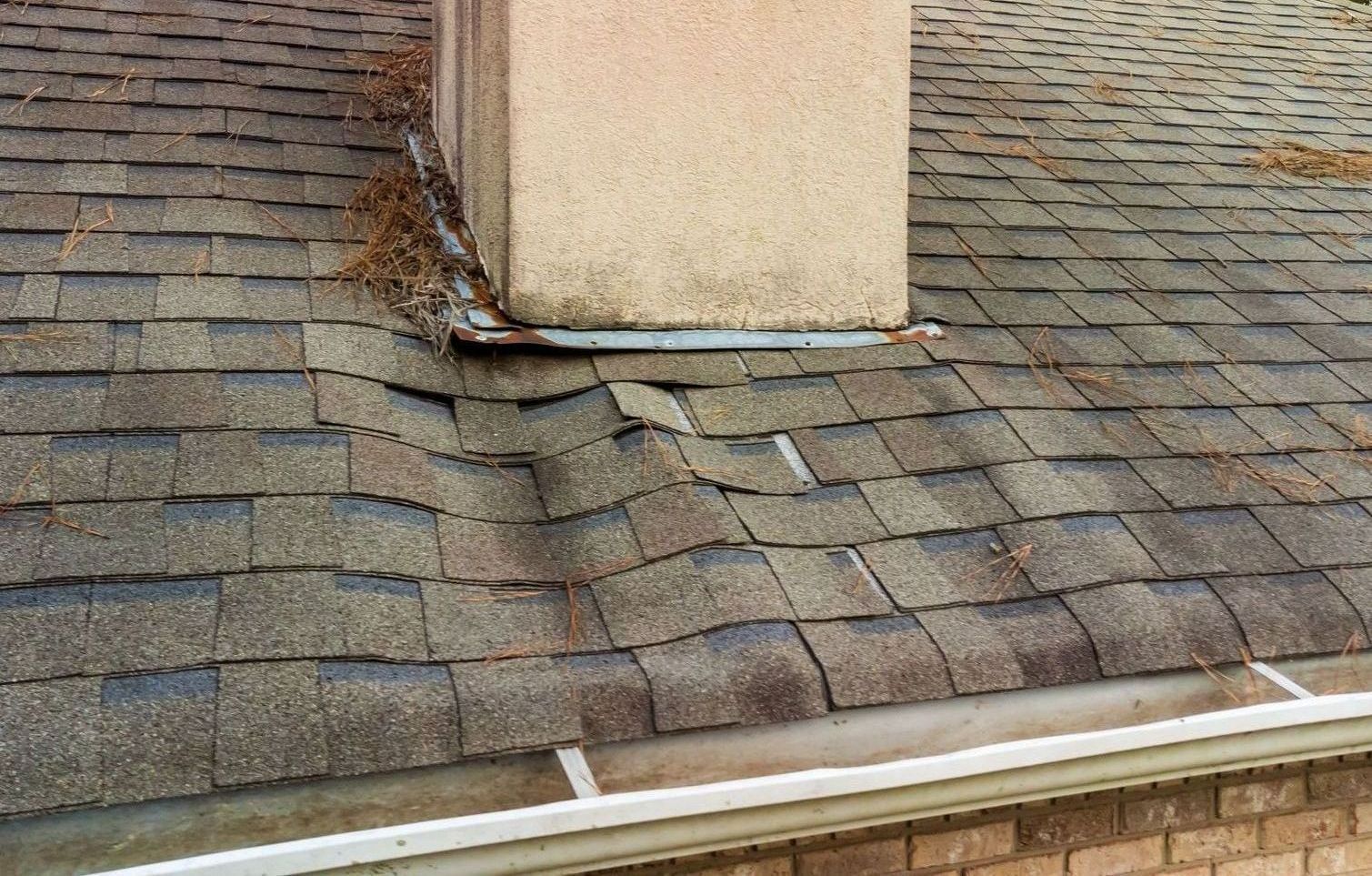
Layered Chimney and Sidewall Patches on Older Rooflines
Established houses around downtown, Mingus Park, and older residential streets may have flashing that has been covered by several generations of roof cement. Those layers hide open step flashing, cracked mortar, and siding installed too close to the roof. A lasting repair removes enough material to expose the original connection, replaces the failed metal, and restores a clear drainage path.
Storm-Loosened Tabs on More Open Lots Toward Empire
Properties with fewer windbreaks can lose shingle seals along ridges, gable edges, and upper courses. The tabs may not disappear during the first storm; they can flex, crease, and settle back down. Once the fiberglass mat has been damaged, the next gust can tear the section or drive rain beneath it. Creased tabs should be replaced, not simply glued flat.
Signs a Coos Bay, OR Roof Still Has a Repairable Problem
The Leak Repeats Under One Roof Feature or Weather Pattern
A stain that returns beneath the same valley, skylight, chimney, or wall transition usually points to a defined component failure. The timing is also useful. Water that appears only after several hours of steady rain suggests a backup or slow saturation problem, while a leak during a short windy squall may indicate an open edge. Consistent evidence supports a targeted repair when the rest of the roof performs normally.
The Attic Shows a Water Track Rather Than Widespread Moisture
We look for a narrow trail on one rafter, darkened sheathing below a penetration, damp insulation in a limited bay, or fasteners that are wet only near one detail. Broad condensation, mold across several roof planes, or uniform dampness can point to ventilation and indoor moisture instead of a single exterior opening. The repair plan should address the actual source rather than treating every ceiling mark as a shingle leak.
Nearby Shingles Remain Flexible Enough for a Watertight Tie-In
Repair work requires lifting existing courses to install underlayment and flashing beneath them. If those shingles bend without cracking, retain most of their granules, and stay bonded outside the damaged area, a professional tie-in is usually possible. When tabs break at every lift, old nail holes have multiplied, or several layers cover the deck, the remaining roof may not provide a dependable base for isolated work.
Outlaw Roofing's Coos Bay, OR Roof Repair Process

Step 1 - Build a Leak Timeline and Inspect the Interior Evidence
We ask when the stain appears, how long rain has been falling, whether wind direction matters, and whether the mark changes after showers, cooking, or laundry. An attic inspection then maps moisture, ventilation conditions, insulation, and the roof features above the affected room.
Step 2 - Inspect the Roof as a Drainage System
The roof check includes valleys, gutters, pitch changes, penetrations, sidewalls, ridge details, and the shingle field surrounding the suspected source. We look for where water is being slowed, redirected, or allowed beneath a lap. That broader view is especially important on Coos Bay homes with additions and complex rooflines.
Step 3 - Present a Written Scope With Repair Alternatives When Appropriate
The proposal identifies the confirmed failure and the material needed to rebuild it. If two reasonable approaches exist - such as reflashing a serviceable skylight or replacing an aging unit - the options are separated so the homeowner can compare cost, expected life, and future maintenance without being pushed into an unnecessary larger project.
Step 4 - Protect the Property and Reconstruct the Failed Detail
Before opening the roof, the crew plans material staging, debris control, driveway access, and protection for siding, landscaping, decks, and gutters. Damaged roofing is removed back to sound material, wet wood is addressed with approval, and the new assembly is installed in the correct sequence from underlayment to finish surface.
Step 5 - Confirm Drainage, Clean the Work Area, and Document the Result
We check that valleys and gutters are open, wall transitions direct water outward, and replacement tabs lie flat without exposed fasteners. The job closes with cleanup and photographs of the source, any concealed conditions, and the completed roof repair.
Materials That Make Sense for Coos Bay, OR Roof Repairs
Continuous Leak Barrier Beneath High-Volume Water Paths
At valleys, skylight heads, and pitch changes, the hidden membrane is often the most important layer. We use a compatible self-adhered barrier where the assembly requires extra protection, extending it beyond the visibly damaged spot and lapping it so water continues downward even if moisture reaches beneath the surface roofing.
Properly Formed Aprons, Step Flashing, and Kick-Out Metal
Metal should move water, not trap it. Apron flashing carries runoff over the lower roofing, step pieces overlap with each shingle course, and kick-outs send water away from the siding and into the gutter. We form and fasten these pieces for the actual wall, chimney, or skylight instead of trying to shape a repair entirely with sealant.
Compatible Shingles, Vent Components, and Protected Fasteners
A repair performs best when the new materials match the thickness, profile, and installation requirements of the existing system. We source compatible shingles when available, select vent boots or caps sized for the penetration, and place fasteners where they are covered by the next course. Exposed hardware is avoided unless the product is specifically designed for it.
When Coos Bay, OR Roof Damage Calls for More Than a Spot Repair
Several Independent Leak Sources on Different Roof Planes
One valley leak does not condemn a roof. Repeated stains below unrelated vents, walls, ridges, and additions tell a different story. When multiple components are failing because the surrounding shingles and underlayment have reached the same worn condition, repairing each point separately can leave the homeowner paying for a series of short-lived visits instead of solving the aging system.
Soft Decking, Exhausted Shingle Mats, or Too Many Prior Patches
A roof becomes a poor repair candidate when the deck no longer holds nails, shingles split during normal handling, or broad areas are covered by roof cement and mismatched patches. Those conditions prevent clean integration. Removing a larger section or planning replacement may be the only way to restore continuous underlayment, proper flashing, and reliable fastening.
How Bay Moisture, Tree Cover, and Older Additions Shape Coos Bay Roof Repairs
A Home Near Mingus Park: How a Clogged Valley Created a Hallway Stain
Picture a two-story Coos Bay home on a tree-lined slope with a narrow valley between the original house and a later addition. The roof looks complete from the driveway, but fir needles have packed into the lower valley and formed a damp ridge. During several days of rain, runoff slows behind the debris and spreads beneath a short metal lap. Water follows the addition framing, crosses above the hallway, and finally drips through a light fixture several feet from the valley. Clearing the surface alone would leave the open lap and wet underlayment in place. The lasting repair removes adjacent shingles, replaces the damaged valley lining, extends a continuous membrane onto both roof planes, checks the deck, and reopens the full drainage route to the gutter.
Why Persistent Dampness Makes Small Roof Gaps More Destructive
Moisture damage is driven by both entry and drying time. A small amount of water beneath a sunny, well-ventilated roof may dry before it accumulates. On a shaded Coos Bay slope, moss, leaves, and cool air can keep the same area damp much longer. Repeated wetting swells wood fibers, loosens fasteners, and allows capillary movement through laps that once stayed dry.
Coos Bay Housing Patterns and the Roof Details They Put Under Stress
The local housing stock ranges from older homes around downtown and Mingus Park to postwar cottages and ranches in the Empire area, plus hillside properties and newer infill around Eastside and other growing residential pockets. Ocean Boulevard, Newmark Avenue, and the routes connecting these areas pass through neighborhoods with very different tree cover, slope, and exposure.
Older urban homes may have tall chimneys, narrow valleys, and several remodel phases. Empire properties can combine open wind exposure with low porch roofs and additions. Hillside and Eastside homes often require closer attention to access, runoff direction, and tree debris. The same ceiling stain can therefore lead to very different repair details depending on the house and lot.
Why Coos Bay, OR Homeowners Choose Outlaw Roofing for Leak Repairs
✓ A Diagnosis That Separates Moss, Condensation, and True Roof Entry
A dark roof surface or damp attic does not identify the cause by itself. We compare interior moisture patterns, ventilation, roof drainage, and exterior defects before recommending work. That reduces the risk of paying for shingle repairs when the primary problem is condensation - or dismissing a real flashing leak as simple moss.
✓ Licensed Oregon Roofing Work With Verifiable Business Details
Outlaw Roofing performs work under Oregon CCB#236299. Homeowners can verify the registration through the state contractor lookup and receive a written agreement tied to a licensed business. That accountability matters when a repair opens the roof, uncovers hidden damage, or requires follow-up.
✓ Itemized Choices Instead of a One-Line Repair Price
Our proposals define the area to be opened, materials to be installed, cleanup, photo documentation, and the process for concealed wood. When an aging component could reasonably be repaired or replaced, the alternatives are explained separately so the homeowner understands what each price includes.
✓ Permit and Jurisdiction Checks for Structural Repair Work
If the scope expands into structural sheathing, framing, or a roof assembly change that requires review, we identify whether the City of Coos Bay or another applicable jurisdiction handles the property. Required paperwork and inspections connected to our work are addressed before the crew proceeds.
✓ Jobsite Protection for Tight Driveways, Sloped Lots, and Established Landscaping
Roof repairs can create sharp debris and concentrated foot traffic even when the work area is small. We plan access, protect vulnerable surfaces, control removed material, and finish with magnetic cleanup where appropriate. Completion photos provide a record without requiring the homeowner to climb onto the roof.
Coos Bay, OR Roof Repair Pricing by Repair Type
Price is shaped by roof height, pitch, access, the number of layers that must be opened, material availability, and how far moisture has traveled beneath the surface. These are typical planning ranges for defined residential repairs, not a substitute for an on-roof and attic assessment.
Pipe Boot, Exhaust Vent, or Skylight Flashing Work
$425 to $850. A standard vent boot on a simple roof is usually near the lower end. Skylight flashing, a tall roof, brittle surrounding shingles, or a damaged curb can require a broader opening and more labor. Replacing the entire skylight is quoted separately when the unit itself has failed.
Debris-Damaged Valley Repair or Rebuild
$650 to $1,550. Correcting a short failed lap and restoring nearby shingles may stay below $1,000. A longer valley with saturated underlayment, soft decking, or two roof planes that must be opened can move toward the upper end.
Low-Slope Addition or Pitch-Change Transition Repair
$575 to $1,450. A limited transition reset may involve new membrane and a few shingle courses. Costs increase when improper shingles must be removed from the low slope, wall siding has to be released, or the deck along the joint needs replacement.
Storm-Damaged Shingle, Gable, or Ridge Section
$350 to $900. Small matching repairs on a walkable roof are less involved. Multiple creased courses, steep setup, edge-metal damage, or limited availability of the existing shingle line can increase both labor and material cost.
What Experienced Roofers Look for on Coos Bay, OR Repair Calls
Drainage Problems Before Surface Defects
We inspect where water collects and how it is supposed to leave the roof. Packed valleys, short downspout routes, gutter overflow, siding that blocks a kick-out, and low spots at additions can all force water into otherwise small weaknesses. Correcting the route is often as important as replacing the damaged material.
Roof Leakage Versus Attic Condensation and Indoor Moisture
Uniform nail-tip moisture, dampness around bathroom ducts, or widespread sheathing discoloration can indicate condensation. A roof leak more often creates a directional track below a penetration or lap. We evaluate both possibilities because replacing shingles will not correct an unvented exhaust duct, and adding ventilation will not stop a split flashing seam.
Expected Life of a Roof Repair on a Coos Bay, OR Property
A Dry, Solid Substrate Is the Starting Point for Durability
New flashing and shingles cannot perform over wet, weakened wood. A long-lasting repair removes unsound material, allows the assembly to be restored on a firm deck, and uses compatible layers in the correct order. Once that foundation is established, the repaired component can provide years of service instead of repeating the same leak after the next rainy period.d.
Tree Maintenance and Drainage Affect the Repair After We Leave
A rebuilt valley will still collect needles if overhanging branches and routine debris are ignored. Homeowners can extend repair life by keeping gutters and valleys open, watching shaded roof edges for regrowth, and addressing branches that rub the surface. We explain the maintenance points that matter to the repaired area without turning a repair visit into an unnecessary whole-roof sales pitch.
Quick Answers - Roof Repair in Coos Bay, OR
How much should I budget for a Coos Bay roof repair?
Typical planning figures are $425 to $850 for vent or skylight flashing, $650 to $1,550 for valley work, $575 to $1,450 for a low-slope transition, and $350 to $900 for a limited storm-damaged shingle or ridge area. Hidden wood and access determine the written price.
Will removing moss stop an active roof leak?
Only when the moss was blocking drainage and the roofing beneath it remains intact. If growth has lifted tabs, exposed fasteners, or held moisture against damaged underlayment, cleaning will reveal the problem but will not rebuild the failed materials.
Can the low-slope addition be repaired without replacing my main roof?
Often, yes. When the main roof is serviceable, the transition can be opened, corrected with the right membrane or low-slope material, and tied back into the existing shingles. The feasibility depends on pitch, deck condition, and whether the current courses can be lifted safely.
How do you locate a leak on a Coos Bay home with several rooflines?
We combine the leak timeline, attic water tracks, roof geometry, drainage paths, and controlled opening of the most likely detail. Complex roofs are solved by tracing each possible path in order, not by applying sealant to every joint at once.
How quickly can repair work start after the inspection?
Scheduling depends on weather, material matching, crew availability, and whether the roof needs temporary protection first. Small standard repairs may be placed into the next safe dry window, while custom metal, skylight components, or permit-related work can require additional lead time.
Frequently Asked Questions - Coos Bay, OR Residential Roof Repair
Why does my roof leak only after two or three days of steady rain?
Delayed leakage usually means water is accumulating before it reaches the interior. A valley may be backing up, a low-slope assembly may be saturating, or wet debris may be holding water against a lap. The delay is useful diagnostic information and should be shared during the inspection.
How can I tell a roof leak from attic condensation?
Roof leaks tend to follow a directional path from one exterior feature and often correspond with rain. Condensation is more likely to appear broadly on cold nails or sheathing and may track with indoor humidity. An attic inspection checks both patterns, duct termination, insulation, and exterior roof details.
Does a leaking skylight always have to be replaced?
No. If the frame, glazing seal, and curb remain serviceable, failed flashing can sometimes be rebuilt around the unit. Replacement is more sensible when the skylight itself is cracked, fogged between panes, warped, or near the end of its expected service life.
What should happen to insulation that got wet from the roof leak?
Wet insulation should be evaluated after the source is stopped. Material that remains compressed, contaminated, or unable to dry may need removal and replacement. The roofing scope identifies visible attic conditions, while interior restoration can be coordinated separately as needed.
Can an overflowing gutter cause water to show up inside the house?
Yes. Water can run behind the gutter, soak the fascia and roof edge, or enter where a kick-out is missing. The interior mark may appear near an exterior wall rather than directly below the gutter. We check the apron, fascia, drip edge, and downspout route when the evidence points to the eave.
Can you complete a repair on a steep or hard-to-access Coos Bay lot?
Many hillside and tight-access properties are repairable, but the setup affects cost and scheduling. We evaluate ladder placement, fall protection, material staging, overhead lines, decks, and landscaping before confirming the safest work plan.
Will the repair include cutting branches or treating the entire moss-covered roof?
The proposal covers only listed work. We clear enough debris or light growth to reach and test the repair area. Tree work, full-roof moss treatment, and cleaning remain separate maintenance items.
What documentation and warranty come with the finished repair?
The closeout includes the approved scope and finished-work photos. The agreement states repair-specific warranty terms and any exclusions involving the remaining roof, unrelated leaks, or maintenance.
Related Residential Roofing Services for Coos Bay, OR
Leak and Storm-Damage Roof Repair
Repair of Coos Bay valleys, flashing, vents, skylight connections, pitch changes, and limited storm damage where the surrounding roof remains serviceable. Written scope and photos included. CCB#236299.
Residential Roofing System Review
Our residential roofing service evaluates shingles, low-slope areas, flashing, ventilation, drainage, and decking when a broader roof assessment is needed.
Full Residential Roof Replacement
When multiple roof planes are failing or cannot accept dependable tie-ins, we provide tear-off and replacement options for city homes, Empire properties, hillside houses, and additions. CCB#236299.
Custom Metal Roofing for Coastal Properties
Standing-seam and custom metal systems reduce exposed joints when the roof deck, ventilation, panels, and coastal details are designed together. Product and warranty terms vary.

Schedule Coos Bay, OR Roof Repair Before More Rain
Outlaw Roofing traces the leak, confirms the roof can accept a permanent tie-in, and documents concealed-wood contingencies. Early repair helps contain damage and cost.
Call (541) 275-6189 or visit outlawroofing.net for a Coos Bay, OR roof repair estimate.