Residential Roof Repair in Altamont, OR
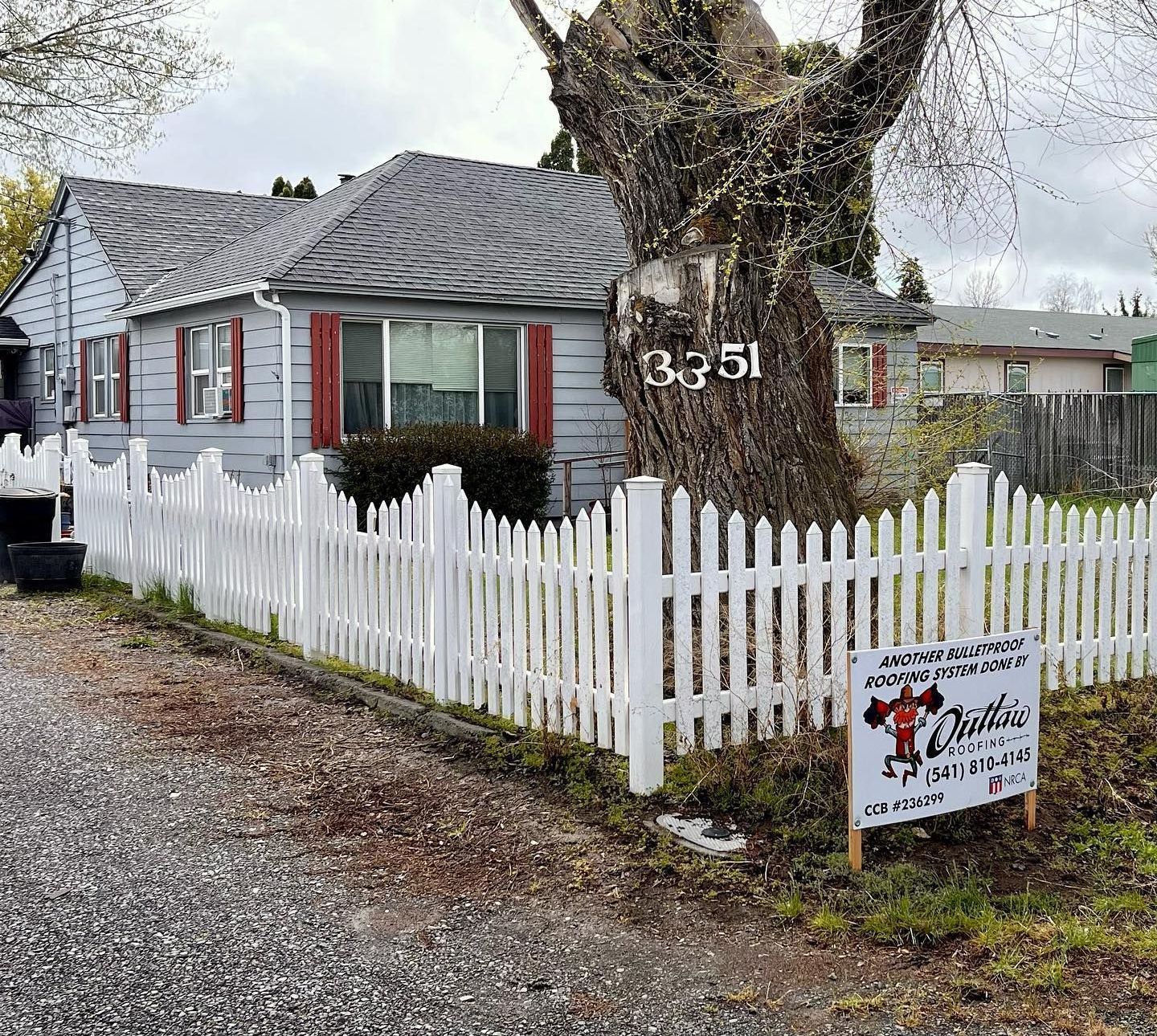
Roof Repair in Altamont, OR: The Ice Dam Eave Repair That Returns Every February, and the Ventilation Step That Makes It Stop
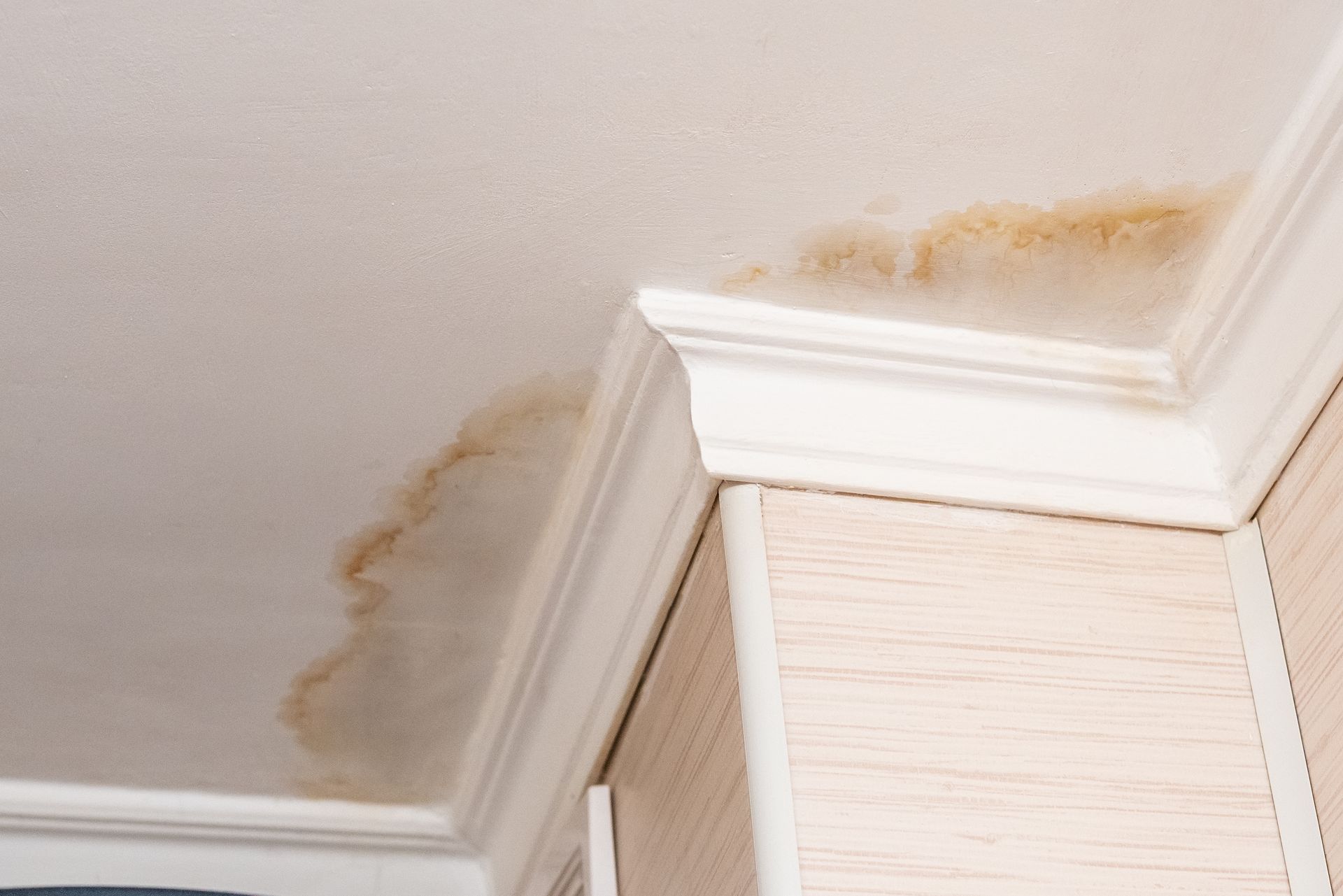
Every February, homeowners along Altamont Drive, Summers Lane, and the Washburn Way corridor call about ceiling stains that appeared during the cold stretch in January. Most of them have seen the stain before. Some of them had it repaired the previous year. The pattern is specific to Altamont's climate and to the ranch homes that dominate the neighborhood: warm air from the living space rises into an inadequately ventilated attic, heats the underside of the roof deck, melts the snowpack from below, and the meltwater runs down to the cold eave overhang where it refreezes into the ice dam that forces water back under the shingle course and into the ceiling below.
A repair that addresses only the eave edge, patching the shingle surface and applying roofing cement at the drip edge, stops the visible symptom without addressing what drives the cycle. The following January delivers the same cold stretch, the same attic heat, the same melt, the same dam, and the same stain. It appears in the same location or within a foot of it, and the homeowner calls again. An ice dam eave repair on an Altamont ranch home that does not include an attic ventilation assessment and, where deficiencies are found, a plan for correcting them, is a repair that will return.
Our team, veteran-owned and operating under Oregon CCB license #236299, write repair proposals for Altamont properties that separate the active eave damage scope from the ventilation assessment finding, and document both before any work is authorized. Klamath County Building Codes Division permit at 305 Main Street, Klamath Falls, OR 97601, phone (541) 883-5121, filed where required before any repair work begins. GAF, IKO, CertainTeed, WeatherBond, and PolyGlass certified. GreenSky financing available. Military discount for veterans and active service members. Call (541) 275-6189.
What Creates Ice Dam Damage on Altamont Ranch Homes Along Altamont Drive and Summers Lane

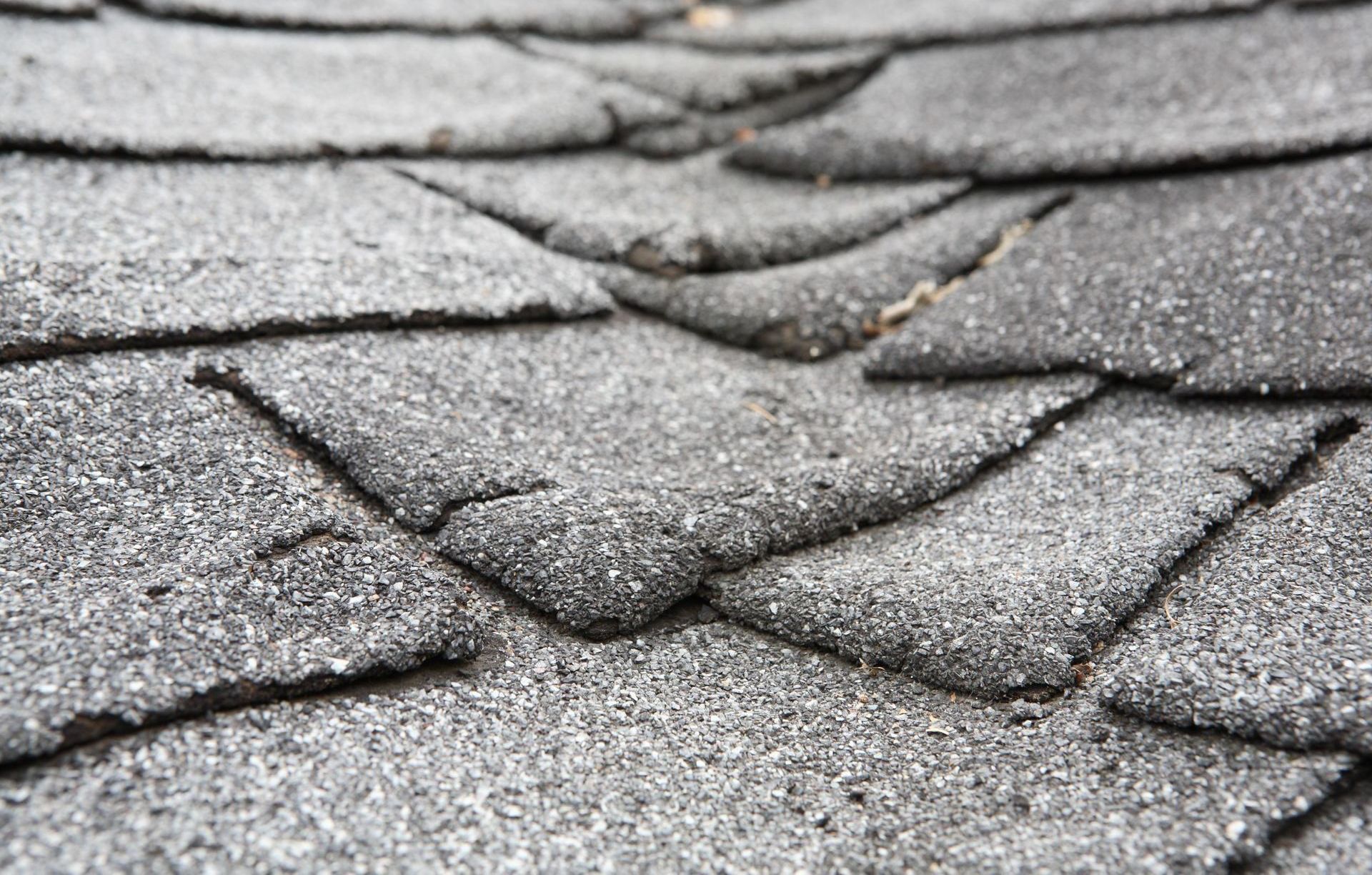
The Thermal Cycle That Produces Ice Dams on Low-Pitch Ranch Rooflines
The ranch homes built along Altamont Drive, Summers Lane, and the Washburn Way corridor from the 1950s through the 1970s were constructed with attic configurations that reflected the ventilation standards of their era, which were less stringent than the balanced intake and exhaust requirements under current Oregon building code. Many of these attics have adequate exhaust ventilation at the ridge but inadequate soffit intake at the eave, which creates a negative pressure condition where warm air is drawn in through ceiling gaps and penetrations rather than through the designed intake path. That warm air heats the underside of the deck uniformly across the attic rather than only near the exhaust outlets.
At 4,100 feet elevation, Altamont's winter temperatures drop below freezing overnight and recover above freezing during sunny afternoons across January and February in most years. Each thermal cycle drives meltwater from the warm deck surface down toward the eave, where the unheated overhang section of the roof is at ambient temperature. That eave section stays frozen. The meltwater arriving from the warm deck above refreezes when it contacts the frozen eave surface, and the ice accumulation grows from the eave edge upward with each successive cycle. When the ice dam reaches two to four inches of height, meltwater begins backing up behind it under hydrostatic pressure and forces its way under the lower shingle courses where the shingles have no self-adhering membrane beneath them.
Why Low-Pitch Altamont Ranch Rooflines Are More Vulnerable Than Steeper Pitches
The low to moderate pitch rooflines that are standard on Altamont's postwar ranch inventory do not shed snow efficiently. Where a steeper pitch clears snowpack within hours of a warming event, a low-pitch Altamont ranch roof holds snowpack for days, extending the duration of the melt cycle and the volume of water moving toward the eave during each warm period. The longer the snowpack sits, the more sustained the heat transfer from the attic deck surface below it, and the more developed the ice dam becomes at the eave. A steep-pitch roof with the same inadequate ventilation as a low-pitch Altamont ranch home produces ice dams less reliably because the snow clears before the full dam cycle completes. The Altamont ranch profile removes that relief.
Flashing Failure at Chimney and Wall Transitions Independent of Ice Dam Activity
Not every ceiling stain on an Altamont winter results from ice dam activity. The older ranch homes along Homedale Road and the residential streets east of Altamont Drive also carry chimney and wall flashing assemblies that have been through 40 to 60 Klamath County freeze-thaw cycles. Original galvanized counter flashing set into chimney mortar joints on 1960s Altamont ranch homes has been expanding and contracting with each of those cycles for decades. The mortar at the counter flashing attachment line deteriorates, the flashing pulls free, and water enters the chimney-to-roof transition during rain events rather than during snow melt. This failure produces a different stain pattern: the chimney flashing stain appears during rain rather than specifically during the January cold stretch that characterizes ice dam entry, and it does not follow the freeze-thaw seasonal pattern that ice dam stains produce.
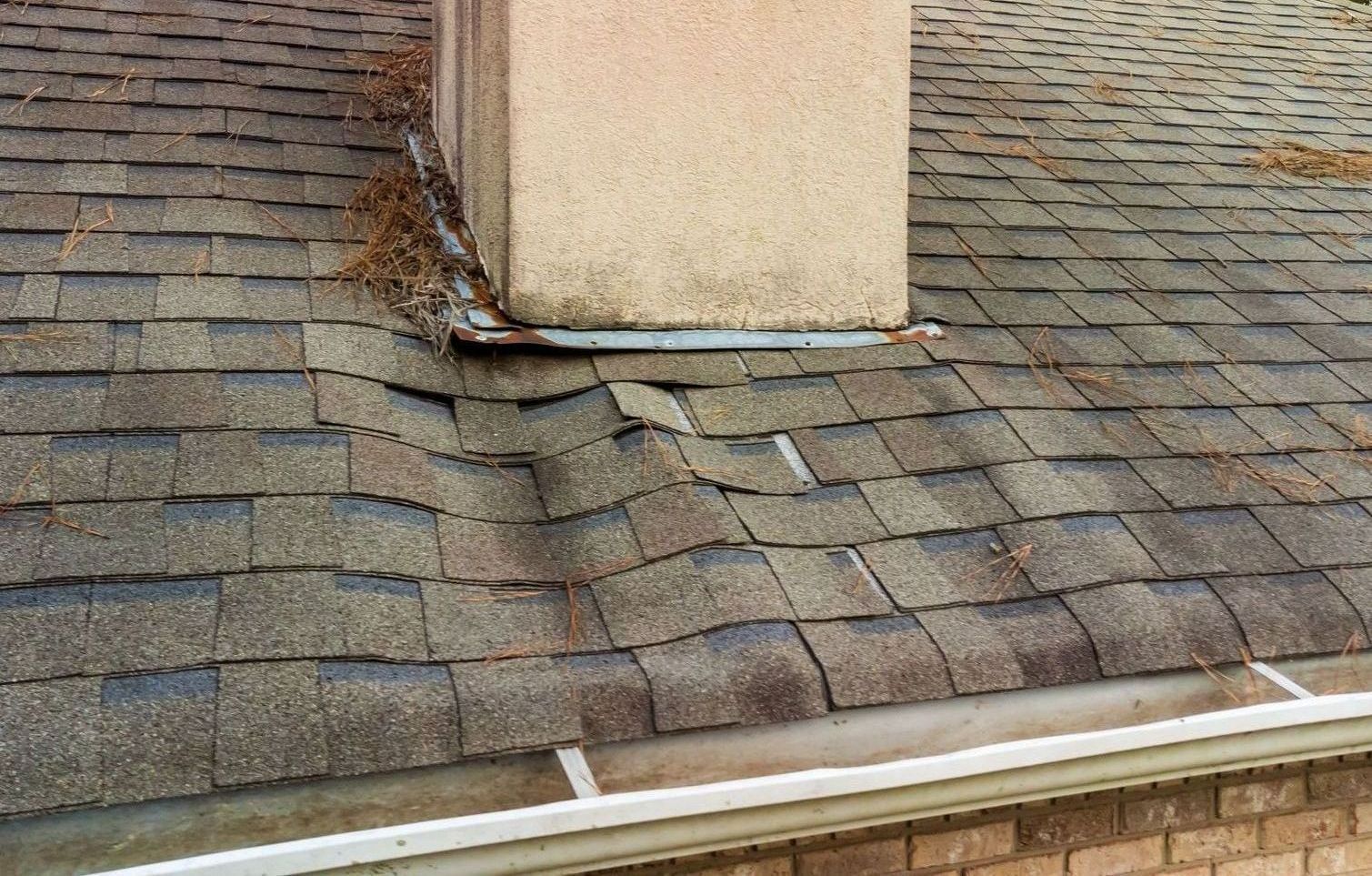
Valley Debris Loading on Altamont Properties Adjacent to High Desert Vegetation
The Altamont community sits at the high desert edge of the Klamath Basin, and the juniper, sagebrush, and native bunchgrass on the surrounding open lots deposit seed pods, bark debris, and organic material into roof valley intersections on properties along the rural edges of the developed area near Homedale Road and the eastern Altamont corridor. Valley flashing on these properties accumulates debris through fall and into winter that holds moisture against the lap joint sealant during the wet months. Combined with the freeze-thaw cycling that Klamath County winters produce at valley flashing joints, the debris loading accelerates sealant degradation at those joints at a rate that urban valley floor properties do not experience.
Reading Ice Dam Damage on Altamont, OR Ranch Homes Before Calling for a Quote
The February Stain Pattern That Identifies Ice Dam Entry vs Other Failure Sources
The diagnostic question on an Altamont ceiling stain that appears in January or February is whether it arrived specifically during or immediately after the cold stretch, or whether it tracks with rain events independent of temperature. A stain that appears during the sustained cold period after several days of freezing overnight temperatures and above-freezing daytime temperatures is behaving like ice dam entry. A stain that appears during rain events regardless of temperature is behaving like flashing failure or a surface shingle leak. The seasonal pattern narrows the inspection focus before anyone goes on the roof, which matters on an Altamont property where the roofline may be snow-covered during the call.
What the Eave Edge Looks Like When Ice Damming Is Active
On Altamont ranch homes where ice dam activity is occurring, the physical indicators are visible from the yard during or after the dam cycle. Ice accumulation at the gutter line that persists after the upper roof surface has cleared confirms an active dam. Icicles forming at the eave edge that are thicker than two inches at the base indicate water volume consistent with active dam formation rather than simple drip freeze at the gutter lip. Staining on the exterior fascia board below the eave edge, where water has been running behind the gutter and down the face of the fascia rather than through the gutter channel, indicates that dam water has been backing up behind the eave section for multiple cycles. Any of these exterior indicators warrants a professional inspection before the next cold stretch.
Attic Indicators That Confirm the Ventilation-Driven Cycle
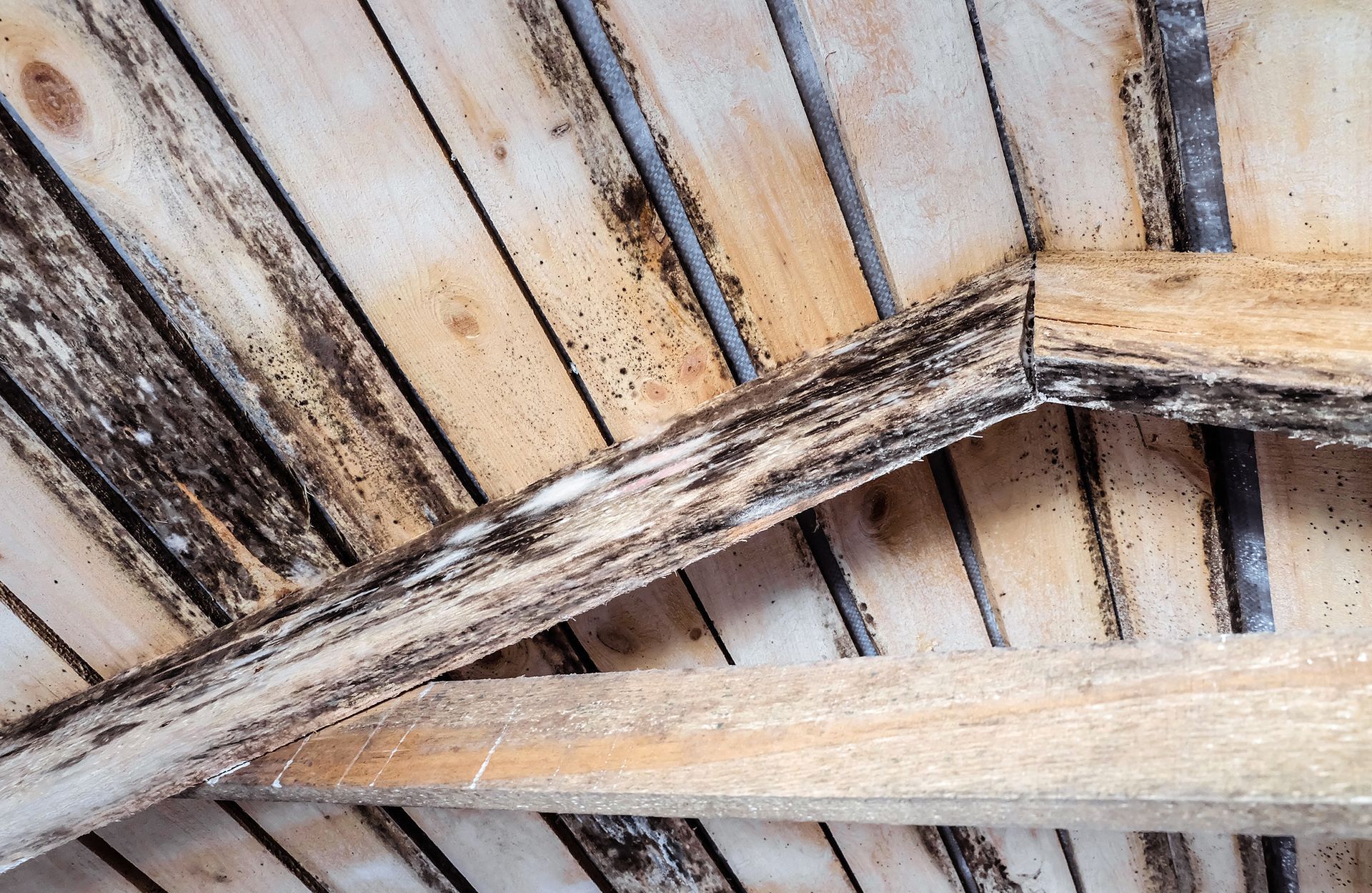
A homeowner who can safely access their attic should check the underside of the roof deck boards at the eave edge after a warm day that follows a cold stretch. Wet or frost-covered deck boards at the eave, with dry boards further up the slope toward the ridge, is the specific attic indicator of ice dam activity rather than surface leak activity. If the deck is wet at the eave but the insulation below the wet section is also wet, moisture has been working through the deck for more than one cycle. If the attic shows adequate soffit ventilation with open intake at the eave edge and continuous exhaust at the ridge, and ice dam activity is still occurring, the insulation configuration or air sealing at the ceiling level may be the primary heat source driving the cycle rather than ventilation inadequacy alone.
How Outlaw Roofing Inspects Altamont, OR Properties for Ice Dam Repair

Ventilation Assessment Before Any Eave Repair Scope Is Written
Every Outlaw inspection on an Altamont repair property where ice dam entry is the reported condition includes an attic ventilation assessment before the eave repair scope is developed. The assessment identifies the existing intake ventilation configuration at the soffit, the exhaust configuration at the ridge or through gable vents, the total net free area of each in square feet, and whether the combination meets the balanced intake and exhaust standard that Oregon building code requires. If the ventilation assessment finds deficiencies that are contributing to the ice dam cycle, the written proposal documents those deficiencies as a separate finding from the eave repair scope. The homeowner receives a repair proposal and a ventilation finding as two distinct items, and the decision about whether to correct the ventilation as part of the current repair cycle is the homeowner's to make with full information.
Eave Damage Assessment: What Actually Needs to Be Repaired
After the ventilation assessment, the eave damage scope on an Altamont ice dam repair is assessed by examining the specific shingle courses and deck surface at the eave section where water entry occurred. On most Altamont ranch homes, ice dam water entry concentrates at the first two to three shingle courses back from the drip edge, where the shingles lap over the unprotected eave section without the ice and water shield membrane that Oregon building code requires in Klamath County's climate zone. The repair scope at the eave includes removing the compromised shingle courses, examining the deck below for any moisture-related deterioration, installing ice and water shield from the drip edge up to a point at least 24 inches inside the interior warm-wall line, and reinstalling new shingle courses over the membrane. The drip edge is examined and replaced where ice accumulation has bent or separated it from the fascia.
Chimney and Flashing Assessment Independent of Ice Dam Scope
On Altamont ranch homes where a second stain pattern exists that does not follow the freeze-thaw seasonal pattern of ice dam entry, the chimney and wall flashing conditions are assessed separately from the eave damage scope. The counter flashing condition at the mortar joint attachment line is examined by physical inspection at the chimney face. Step flashing at each course is checked for separation from the wall face. The written findings document each failure source separately so the homeowner understands which stain comes from which failure and what the repair scope for each entails.
Klamath County Building Codes Permit Where Required
Repair work meeting the Klamath County permit threshold for unincorporated Altamont properties files with the Klamath County Building Codes Division at 305 Main Street, Klamath Falls, OR 97601, phone (541) 883-5121. Altamont is an unincorporated community in Klamath County, which means there is no City of Altamont permit authority. Outlaw determines the permit requirement for every Altamont repair before any work is dispatched and files with the county where required.
Materials Outlaw Specifies on Altamont, OR Ice Dam Eave Repairs
Self-Adhering Ice and Water Shield From Drip Edge to Interior Warm-Wall Line
The material specification that distinguishes a correctly executed Altamont ice dam eave repair from one that will return is self-adhering ice and water shield applied from the drip edge up the slope to a point at least 24 inches past the interior warm-wall line. That extension distance is what Oregon building code requires for Klamath County's climate zone, and it is the distance that ensures the membrane covers the full zone where the ice dam can force water under the shingle course. A membrane applied only at the drip edge without extending up the slope addresses the eave edge but leaves the interior section of the eave zone unprotected above the point where the drip edge terminates. Ice dams on Altamont ranch homes with low-pitch rooflines can extend up the slope eight to twelve inches before the backed-up water finds a shingle lap joint to infiltrate. The membrane must extend past that range.
Galvanized Steel Drip Edge Replacement Where Ice Has Deformed the Original
Ice accumulation at the eave edge of an Altamont ranch home during sustained dam activity bends and separates galvanized drip edge from the fascia face at the load points where ice is heaviest. Drip edge that has been physically deformed by ice loading does not return to its original profile when the ice clears. The bent section creates a gap between the drip edge flange and the fascia surface that allows meltwater to run behind the gutter system rather than into it. Outlaw replaces drip edge as a standard scope item at every Altamont eave repair where ice dam activity has occurred, because visually inspecting whether the original drip edge is still in correct profile after an ice dam season requires physical examination rather than a visual check from the ground.
Class 4 Impact-Resistant Shingles at Replacement Eave Courses
The eave course shingles replaced as part of an Altamont ice dam repair are specified as Class 4 impact-resistant products rather than standard architectural shingles where the surrounding field shingles are not already Class 4. Klamath County receives hail events from the spring thunderstorm season that tracks along the Cascade foothills, and the eave course is the section of the roofline most exposed to physical impact loading from ice accumulation. Class 4 shingles deliver additional resistance to the freeze-thaw physical stress at the eave section and, where not already present on the roofline, qualify for homeowner insurance premium discounts.
Repair or Replacement on Altamont, OR Properties
When Targeted Eave Repair With Ventilation Correction Is the Right Scope
A Summers Lane ranch home where ice dam entry has compromised the first two shingle courses at the north eave edge, the surrounding system has 10 or more years of remaining service life on the south slope, and the ventilation assessment finds correctable deficiencies that a soffit vent installation would address is a repair situation. The eave repair eliminates the active entry path. The ventilation correction reduces or eliminates the thermal cycling that drove the dam formation. The combination holds for the remaining service life of the surrounding system. Outlaw quotes both the eave repair and the ventilation correction scope separately in the written proposal so the homeowner can evaluate each independently. See also: /residential-roofing-contractor-altamont-or
When Altamont Ranch Home Conditions Point Toward Replacement
An Altamont Drive ranch home where the ice dam entry has compromised three to four shingle courses at both the north and east eave edges, the south slope shows granule depletion past UV protection at 24 years, multi-layer shingles prevent accurate deck condition assessment without full tear-off, and the ventilation deficiency has been producing moisture cycling in the attic for multiple seasons indicated by deck board staining above the eave across multiple sections, is not a repair situation. Replacing the eave section on a system showing systemic end-of-life conditions extends one repair cycle without addressing the broader condition. See also: /residential-roof-replacement-altamont-or
Why Altamont's 4,100-Foot Elevation Creates Repair Conditions Distinct From Lower Klamath County Communities
Altamont sits at roughly 4,100 feet, which separates its winter climate from Klamath Falls communities at lower elevations in ways that directly affect how roofline repair needs develop. The freeze-thaw cycling frequency at Altamont's elevation is higher than at lower basin communities because the daily temperature swing crosses the freezing threshold more consistently through January and February. A lower-elevation Klamath Basin community might experience three or four sustained freeze-thaw periods in a winter. Altamont properties with low-pitch rooflines and inadequate attic ventilation can experience ten or more melt-and-refreeze cycles in the same season. Each cycle extends the ice dam and increases the water volume backing up behind it.
Altamont's high desert position also produces the intense summer UV loading that accelerates shingle aging on south-facing slopes, with Klamath County receiving some of the most direct summer sun exposure in Oregon at this elevation. A ranch home on Altamont Drive that has been through 25 Klamath County summers carries granule depletion on the south slope that Rogue Valley valley floor properties at 1,400 feet do not see until three to five years later on comparable product. The combination of accelerated summer aging on south slopes and ice dam activity on north and east eave sections creates a situation where the same roofline is approaching end-of-service-life on the south slope while actively taking on water at the north eave edge.
Altamont Housing Stock and What It Means for Ice Dam Repair Scope
Altamont's housing stock along Altamont Drive, Summers Lane, and the Washburn Way corridor is dominated by single-story ranch homes built from the 1950s through the 1970s, with a preference for single-story construction that has persisted through the more recent development periods as well. These homes carry the attic configurations of their construction era, which typically means gable vent exhaust without balanced soffit intake, or ridge vent exhaust installed in a later modification without the corresponding soffit intake correction that makes the exhaust ventilation effective. Many Altamont ranch homes along the older residential corridors also carry two shingle layers, which prevents accurate deck condition assessment below the surface and adds weight to a structure that was engineered for a single-layer load combined with Klamath County snow accumulation.
Newer construction along the Washburn Way corridor and on the residential streets east of Altamont Drive carries more current attic ventilation standards, including soffit vent systems that establish balanced intake and exhaust flow. These properties experience ice dam activity less frequently because the ventilation configuration reduces the warm-deck condition that drives the cycle. The repair profile on newer Altamont properties tends toward flashing age-related failures rather than the ice dam eave damage that the older ranch inventory produces.
A Recent Roof Repair in Altamont, OR: The Stain That Had Come Back Three Times
Last March Outlaw completed a repair assessment on a 1965 single-story ranch on a lot off Summers Lane in Altamont where the homeowner had experienced a ceiling stain in the north bedroom every February for three consecutive years. Two previous contractors had each addressed the eave edge with roofing cement and shingle patching. The stain returned the following February after each repair.
The Outlaw inspection assessed the attic before going on the roof. The attic had two gable vents for exhaust but no soffit ventilation at either eave. The entire intake path for the ventilation system was through ceiling gaps and penetrations rather than through designed openings. The deck boards at the north eave edge showed moisture staining across four feet of width at the interior warm-wall line, consistent with multiple seasons of ice dam water entry at that location. The eave section had no ice and water shield beneath the current shingle courses, which were a second layer installed over the original shingles.
Outlaw's scope: partial tear-off at the north eave to remove both shingle layers across the damaged section, deck board assessment at the stained area confirming sound condition despite the staining, ice and water shield installation from the new drip edge up the slope 28 inches past the interior warm-wall line, new drip edge at the full north eave length, and Class 4 architectural shingles at the three new courses over the membrane. The ventilation finding documenting the absence of soffit intake was delivered separately as a written condition report with a soffit vent installation scope and cost. The homeowner elected to complete the ventilation correction during the same mobilization. Klamath County permit not required for this repair scope. Total for eave repair: $1,900. Total for soffit vent installation: $680. Total project: $2,580. The three previous repairs had cost a combined $1,100 and had not addressed either the membrane absence or the ventilation deficiency.
Why Altamont, OR Homeowners Choose Outlaw Roofing for Ice Dam Eave Repair
✓ Veteran-Owned and Locally Based in Klamath County Since 2011
Riley built Outlaw Roofing in Klamath County. The ranch homes along Altamont Drive and Summers Lane are properties they have been working on since 2011, and the ice dam cycle on low-pitch Klamath County ranch homes with inadequate attic ventilation is a condition Outlaw has assessed and repaired across hundreds of projects in this climate zone.
✓ CCB#236299 — Oregon License Verifiable at oregon.gov/ccb
Search CCB#236299 at oregon.gov/ccb before authorizing any repair work on an Altamont property. The license is current and covers all roofing work in Klamath County including unincorporated Altamont properties served under the county building codes jurisdiction.
✓ Written Proposal That Separates Eave Repair From Ventilation Finding
Every Outlaw repair proposal on an Altamont ice dam property delivers two distinct documents: the written eave repair scope with material specifications and cost, and the written ventilation assessment finding with the correction scope and cost as a separate item. The homeowner can approve the eave repair, the ventilation correction, both, or neither without any item being contingent on the other. What they cannot do with an Outlaw proposal is not know about the ventilation finding, because receiving that information is what allows them to make an informed decision about whether to address the cycle or repair the symptom.
✓ Klamath County Building Codes Division Permit Filed Where Required
Repair work meeting the Klamath County permit threshold files with the Building Codes Division at 305 Main Street, Klamath Falls, OR 97601, phone (541) 883-5121. Outlaw determines the permit requirement for every Altamont repair before any work begins and files where required.
What Roof Repair Costs in Altamont, OR by Problem Type
Ice Dam Eave Repair With Membrane Installation on North-Facing Ranch Eaves: $1,400 to $2,400
Eave repair at a single north-facing eave edge on an Altamont ranch home, including partial tear-off of compromised shingle courses, deck assessment, ice and water shield installation from drip edge to 24-plus inches past the interior warm-wall line, new drip edge at the full eave length, and Class 4 shingle replacement at the repair section, typically runs $1,400 to $2,400. The range reflects eave length, the number of shingle layers requiring removal, and whether any deck surface remediation is required at the stained section. Properties with two shingle layers run toward the upper end because the multi-layer tear-off adds scope relative to single-layer removal.
Soffit Ventilation Correction to Address the Thermal Cycle Driving Ice Dam Formation: $500 to $900
Soffit vent installation on an Altamont ranch home to establish balanced intake airflow where the current configuration lacks adequate soffit ventilation, typically runs $500 to $900 depending on soffit material, eave length, and the number of vents required to meet the balanced intake standard for the attic volume. This scope is quoted separately from the eave repair and executed in the same mobilization where the homeowner elects to address both. Correcting the ventilation deficiency as part of the same visit rather than as a separate mobilization reduces the total cost relative to two separate project visits.
Chimney Flashing Reset on Older Altamont Ranch Properties: $900 to $2,000
Counter flashing removal and reinstallation at a single chimney on an Altamont ranch home, including mortar joint repair at the counter flashing attachment line and step flashing replacement at all courses, typically runs $900 to $2,000 depending on chimney size and mortar condition at the attachment line. Chimneys with significant mortar deterioration requiring repointing across the full flashing attachment course run toward the upper end. Klamath County Building Codes permit fees included as a separate line item where applicable.
What Experienced Inspectors Check on Altamont, OR Ice Dam Repair Properties
The attic is the first inspection priority on every Altamont ranch home where ice dam entry is the reported condition. Inspecting the attic before the roof tells the inspector whether the cycle is ventilation-driven, insulation-driven, or air-sealing-driven before any repair scope is developed. A ventilation-driven cycle, where the attic has adequate insulation coverage but inadequate soffit intake creating a warm-deck condition, produces a different repair recommendation than an air-sealing-driven cycle, where the ventilation is technically adequate but warm air bypassing inadequate insulation at ceiling penetrations is the primary heat source. Both produce ice dams. The repair that addresses each is different.
The eave edge physical condition is the second inspection priority. Drip edge deformation from ice loading, shingle course condition at the first three courses from the drip edge, and the presence or absence of ice and water shield beneath those courses are assessed at the eave section where entry occurred and at adjacent eave sections that have experienced the same thermal cycling. An eave section that has not yet produced a stain but shows the same shingle brittleness and the same absence of underlying membrane as the stained section is one ice dam season from producing the same result.
How Long Ice Dam Eave Repair Lasts on Altamont, OR Ranch Homes
An ice dam eave repair that installs ice and water shield from the drip edge to 24-plus inches past the interior warm-wall line, replaces the drip edge, and installs Class 4 shingles at the repair section delivers the full remaining service life of the surrounding roofing system at the repaired eave location. The membrane does not fail at the eave edge. It protects the deck regardless of whether ice dam activity continues at that location in subsequent winters. If the ventilation deficiency that drove the dam formation is not corrected as part of the repair, ice dams will continue forming at the eave edge every winter with adequate snowpack. The membrane will keep the water from entering the ceiling. The ice and physical stress on the eave section from repeated dam activity will continue, and eave edge shingle condition at the dam formation zone will degrade faster than the surrounding roofline. Correcting the ventilation eliminates the dam cycle. The membrane protects the eave if the dam cycle is not fully eliminated.
A chimney flashing reset on an Altamont ranch home with correct mortar repair at the counter flashing attachment line delivers 20 to 30 years of reliable service. Mortar joints at the counter flashing attachment course that are repointed rather than patched with roofing cement hold through Klamath County's freeze-thaw cycling significantly longer than any cementitious patch material applied over a deteriorated mortar surface.
Quick Answers About Roof Repair in Altamont, OR
Why does my Altamont ceiling stain keep coming back every February?
The stain is returning because the repair addressed the visible water entry path at the eave shingle surface without installing ice and water shield beneath the shingle course and without assessing the ventilation condition that drives the ice dam cycle. Ice dams form when warm attic air heats the deck and melts snowpack from below. The meltwater refreezes at the cold eave overhang and forces water back under unprotected shingle courses. A repair that patches the shingle surface without the membrane and without addressing the ventilation repeats the cycle the next time Altamont has a sustained cold stretch with snowpack.
How much does ice dam eave repair cost in Altamont, OR?
Eave repair with membrane installation runs $1,400 to $2,400 per affected eave section. Soffit ventilation correction runs $500 to $900 as a separate scope item. Chimney flashing reset runs $900 to $2,000. All Outlaw repairs begin with a free inspection and written proposal before any work is authorized.
Does roof repair in Altamont require a permit?
Altamont is an unincorporated community in Klamath County. Repair work meeting the county permit threshold files with the Klamath County Building Codes Division at 305 Main Street, Klamath Falls, OR 97601, phone (541) 883-5121. Outlaw determines the permit requirement before any work begins.
My Altamont home has two layers of shingles. Does that affect the ice dam repair?
Yes. Repairing an eave section on a two-layer shingle system requires removing both layers to access the deck surface for membrane installation. Single-layer tear-off adds less scope than two-layer removal, which is why two-layer Altamont properties run toward the upper end of the eave repair cost range. The partial tear-off also provides the opportunity to assess the deck board condition at the stained section, which cannot be done accurately from the surface on a two-layer system.
Is ice and water shield required on Altamont roofs?
Oregon building code requires ice and water shield at eave edges in climate zones where ice dam formation is a documented risk, which includes Klamath County at Altamont's elevation. On original Altamont ranch home construction from the 1950s through 1970s, ice and water shield was not a code requirement and was not installed. When repair work exposes the eave deck surface on these properties, bringing the eave section into compliance with current code by installing the membrane is a standard scope item on every Outlaw repair at that location.
Frequently Asked Questions About Roof Repair in Altamont, OR
How do I verify Outlaw Roofing's Oregon contractor license?
Go to oregon.gov/ccb and search for CCB#236299. The current license status displays immediately. Every contractor performing roofing work in Altamont and Klamath County is required to hold a current, verifiable CCB registration.
What is the difference between ice dam entry and a surface shingle leak on an Altamont roof?
Ice dam entry appears during or immediately after the cold stretch in January and February when freeze-thaw cycling is active. It typically produces staining at the interior eave-level ceiling closest to the north exterior wall. Surface shingle leaks appear during rain events independent of temperature and tend to produce staining that tracks from a specific penetration, valley, or flashing location. The seasonal pattern distinguishes the two failure mechanisms before the inspection begins.
Can I correct Altamont attic ventilation without replacing the entire roof?
Yes. Soffit vent installation to establish balanced intake airflow is a standalone scope item that does not require any roofing surface disturbance on most Altamont ranch homes. The soffit vents are installed through the eave soffit material from below. On ranch homes with solid wood soffits, installation requires cutting vent openings at calculated spacing. On homes with existing perforated or louvered soffits that are partially blocked, clearing and opening the blocked sections achieves the same result without cutting.
Does Outlaw Roofing offer financing for Altamont homeowners?
Yes. GreenSky financing up to 100 percent for qualified Altamont homeowners with fixed monthly payment terms. Military discount for veterans and active service members throughout the Altamont and Klamath County area.
What related services does Outlaw provide in Altamont?
Altamont homeowners whose inspection confirms that replacement rather than repair is the appropriate scope can reference the residential roof replacement Altamont OR page (/residential-roof-replacement-altamont-or) for full replacement guidance. The residential roofing contractor Altamont OR page (/residential-roofing-contractor-altamont-or) covers Outlaw's full service and certification structure for the Klamath County market.

Altamont Homeowners: Get Your Written Repair Estimate From Outlaw Roofing
A February ceiling stain in an Altamont ranch home on Summers Lane or Altamont Drive is not a shingle patch job. It is a membrane installation and a ventilation assessment. Outlaw inspects the attic first, writes what the ventilation assessment found, then scopes and prices the eave repair before any crew is dispatched. Riley, veteran-owned, CCB#236299. GreenSky financing available. Military discount for veterans. Call (541) 275-6189 or schedule at /contact.